Understanding Battery Risks & Charging Challenges in EV Two Wheelers and Why EV Two-Wheeler Insurance Matters?
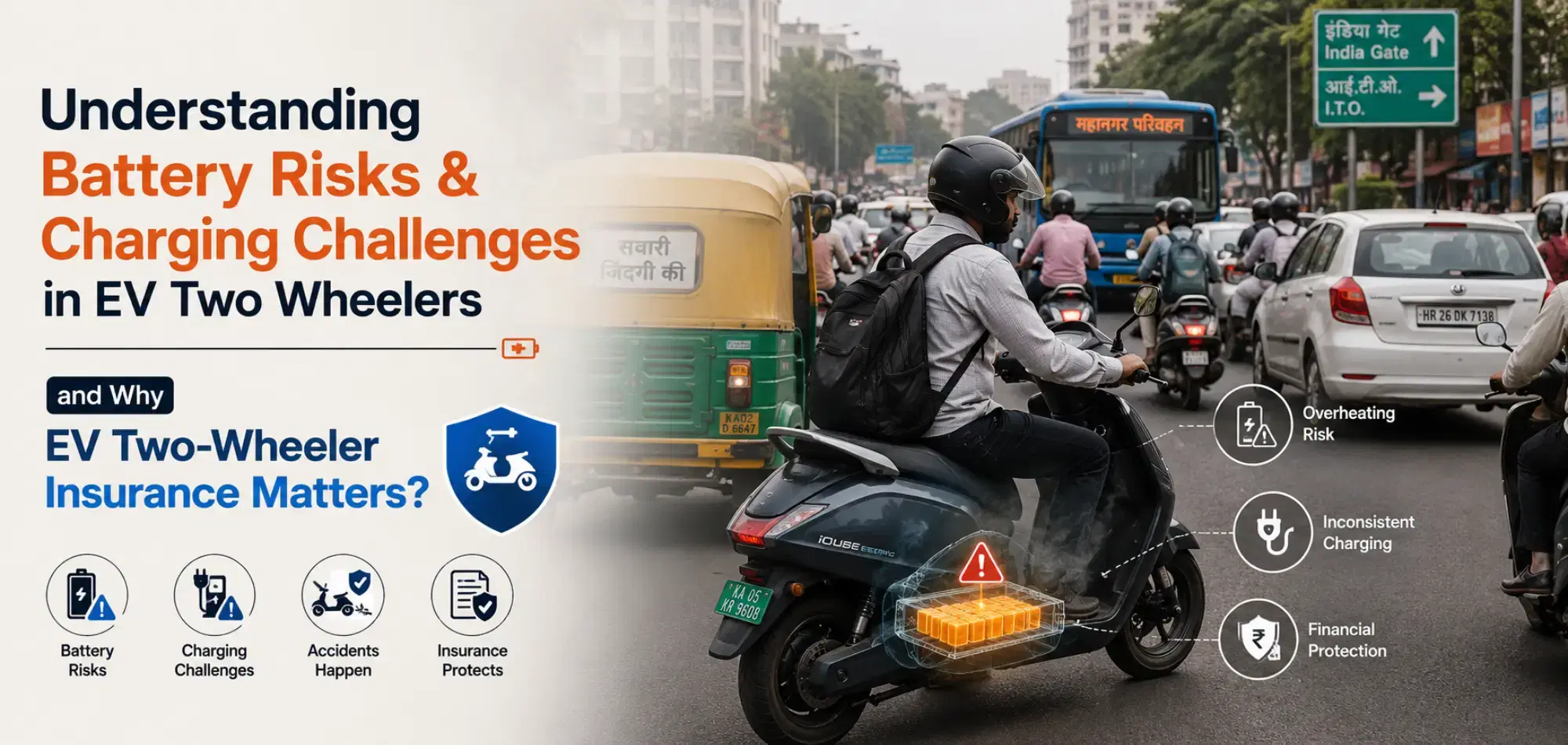
Across Indian cities, electric two-wheelers are becoming a common choice for daily commuting. Lower running costs, government purchase incentives, and environmental considerations have all driven adoption, and the numbers reflect it. Sales have grown steadily, and for many daily commuters, the question is no longer whether to switch to an electric vehicle but when.
What often receives less attention is the risk side of this equation. Electric two-wheelers carry a distinct set of vulnerabilities, most of them centred on the battery system and the way vehicles are charged, that are different in nature from the risks associated with conventional vehicles. These vulnerabilities are not minor. Battery fires have been reported across multiple states in India, and charging-related incidents have damaged residential properties and caused personal injury.
This article is an EV mobility explainer for riders who want to understand those risks clearly, and to know what adequate insurance protection for an electric two-wheeler looks like.
Understanding the EV Battery: The Heart of Your Electric Bike
The battery pack is the most valuable component of an electric two-wheeler, often accounting for a significant portion of the vehicle’s overall cost. Most electric scooters in India use lithium-ion batteries because they offer a strong balance of performance, efficiency, and weight.
Battery Risk: What Every EV Bike Rider Should Understand
The battery pack is the most valuable and most technically complex component on an electric two-wheeler.
The most serious is thermal runaway. This occurs when heat inside a battery cell triggers a chain reaction that generates further heat, which the system cannot dissipate. The fire that results burns at very high temperatures and does not respond well to water. Overcharging is one trigger. So is physical impact, a manufacturing defect, or a battery that has been repeatedly drained to near zero.
Degradation is a slower but financially significant risk. Every charge cycle reduces a lithium-ion battery’s capacity by a small margin. Over two to four years of daily use, riders commonly find that the vehicle’s range has declined noticeably. Replacing a degraded battery pack is a major expense, typically between 35%-40% of the vehicle’s original purchase price, and one that most owners have not factored into their long-term cost of ownership.
Charging EV Bike at Home: Safe Practices Matter
For most EV owners, home charging is the preferred option because it is convenient and cost-effective. However, safe charging practices play a significant role in battery health.
Older residential buildings may not always be designed to handle continuous charging loads. Using damaged sockets, poor-quality extension cords, or overloaded circuits can increase electrical risks.
The charger itself is equally important. Manufacturer-approved chargers are designed to work with the vehicle’s battery management system, helping regulate temperature and charging levels. Using uncertified charging equipment may compromise battery performance and safety.
Simple precautions—such as using certified chargers, avoiding overloaded sockets, and ensuring ventilation—can significantly reduce both safety risks and long-term battery damage.
Why EV Bike Owners Need More Than Standard Two-Wheeler Insurance
Standard motor insurance policies were designed for petrol vehicles—and EVs expose key coverage gaps.
- Third-party insurance is mandatory under the Motor Vehicles Act and covers damage or injury caused to other parties in an accident. It offers nothing for the insured vehicle. If a battery fire destroys the scooter entirely, a third-party policy pays nothing towards the loss.
- Comprehensive two-wheeler insurance adds own-damage cover, which seems to address that gap. In practice, it often does not work. Standard comprehensive policies commonly exclude self-ignition, electrical breakdown, and consequential damage. Insurers are not obligated to cover what is explicitly excluded, and many riders discover this only when a claim is submitted and rejected.
- Depreciation compounds the problem. When a claim is settled under a standard own-damage policy, the payout is calculated after depreciation is applied to the damaged components. For a battery pack- often the single most expensive part of the vehicle, even a modest depreciation deduction can leave the owner covering a substantial portion of the replacement cost out of pocket.
What Good EV Insurance Cover Should Include
Insurance products designed specifically for electric vehicles are now available in the Indian market, and they differ from standard motor policies in ways that matter. When reviewing or purchasing electric bike insurance, the following provisions deserve close attention.
- Battery Coverage: Battery coverage should be explicitly included, covering internal failures, electrical faults, and fire events—not just accident-related damage.
- Fire Coverage: Not all policies treat battery fires equally—internal faults are often excluded unless specified.
- Zero-dep: Zero-depreciation cover helps avoid high out-of-pocket costs, especially for expensive battery replacements.
- Roadside Assistance: EV-specific roadside assistance should include towing for discharged batteries, not just mechanical failures.
How Indian Road and Weather Conditions Add to Risk?
The conditions that electric two-wheelers face across India are more demanding than the environments in which many battery specifications are tested. Indian weather and road conditions increase EV risks, especially for batteries.
Summer temperatures in several Indian states regularly exceed 40 degrees Celsius. Lithium-ion cells operating near the top of their thermal range degrade faster. Vehicles parked outdoors in direct sunlight after a ride, when cell temperatures are already elevated from discharge, face compounded heat stress.
Monsoon flooding is a routine seasonal condition in cities such as Mumbai, Chennai, Hyderabad, and Kolkata. Riding through waterlogged roads exposes the vehicle to conditions that may exceed its certified ingress protection level. Water that enters the motor casing or battery enclosure during such an event may not produce immediate symptoms.
Safe Charging Practices Every EV Owner Should Follow
Good charging habits also reduce long-term risk. Maintaining partial charge cycles, avoiding overheating, and using certified chargers can extend battery life and reduce failure risk. When combined with appropriate electric bike insurance, it creates a more complete protection approach.
Conclusion
Electric two-wheelers are an established and growing part of personal mobility in India. The economic and practical case for ownership is clear. What is less adequately planned for, is the risk profile that comes with operating a battery-powered vehicle in a market where charging infrastructure, battery quality standards, and insurance products are all still developing. Battery risks are real and documented. Charging-related incidents have occurred under ordinary ownership conditions, not exceptional ones. Standard insurance products leave EV owners exposed in ways that only become apparent at the point of a claim.
Addressing this exposure requires choosing insurance cover that is genuinely suited to an electric vehicle- one that covers the battery explicitly, accounts for the full cost of replacement through zero-depreciation provisions and provides assistance that is relevant to EV-specific breakdowns. Alongside proper maintenance and informed insurance choices, this is what responsible EV ownership increasingly demands.
Based on 4 ratings

Najmus (Author)
Najmus leads content and SEO at Ecozaar, building trustworthy guides on electric two-wheelers, RTO processes, and green finance in India. With 8+ years in technical and editorial SEO, he turns complex regulations and specs into practical, citation-backed explainers. His work combines schema, CWV, and clear sourcing to help readers make confident, real-world decisions.
Read more
Related Blogs
Popular articles are selected from the same backend blog feed.


Best Bikes Under 1 Lakh in India: Price, Mileage & Low-Maintenance Commuters
Compare the best bikes under ₹1 lakh in India by price, real-world mileage, maintenance and safety — from sub-₹60k commuters to 125cc options near ₹1 lakh.
Best Bikes Under 2 Lakh in India: Streetfighters, Cruisers & All-Rounders
Compare the best bikes under ₹2 lakh in India: verified ex-showroom prices, real-world mileage, ABS and hardware, and which model fits your budget.
Best Electric Scooters Under 1 Lakh in India: Real-World Range, Subsidy & Price List
Compare the best electric scooters under ₹1 lakh by real-world range, battery size, charging, PM E-DRIVE benefits, running cost, build quality and family practi
Best Low-Cost Electric Scooters Under ₹40,000–₹50,000: Non-RTO & Budget Commuters
Compare low-cost electric scooters under ₹40,000–50,000 by price, range, battery type, charging, non-RTO rules, running cost and practical ownership risks.
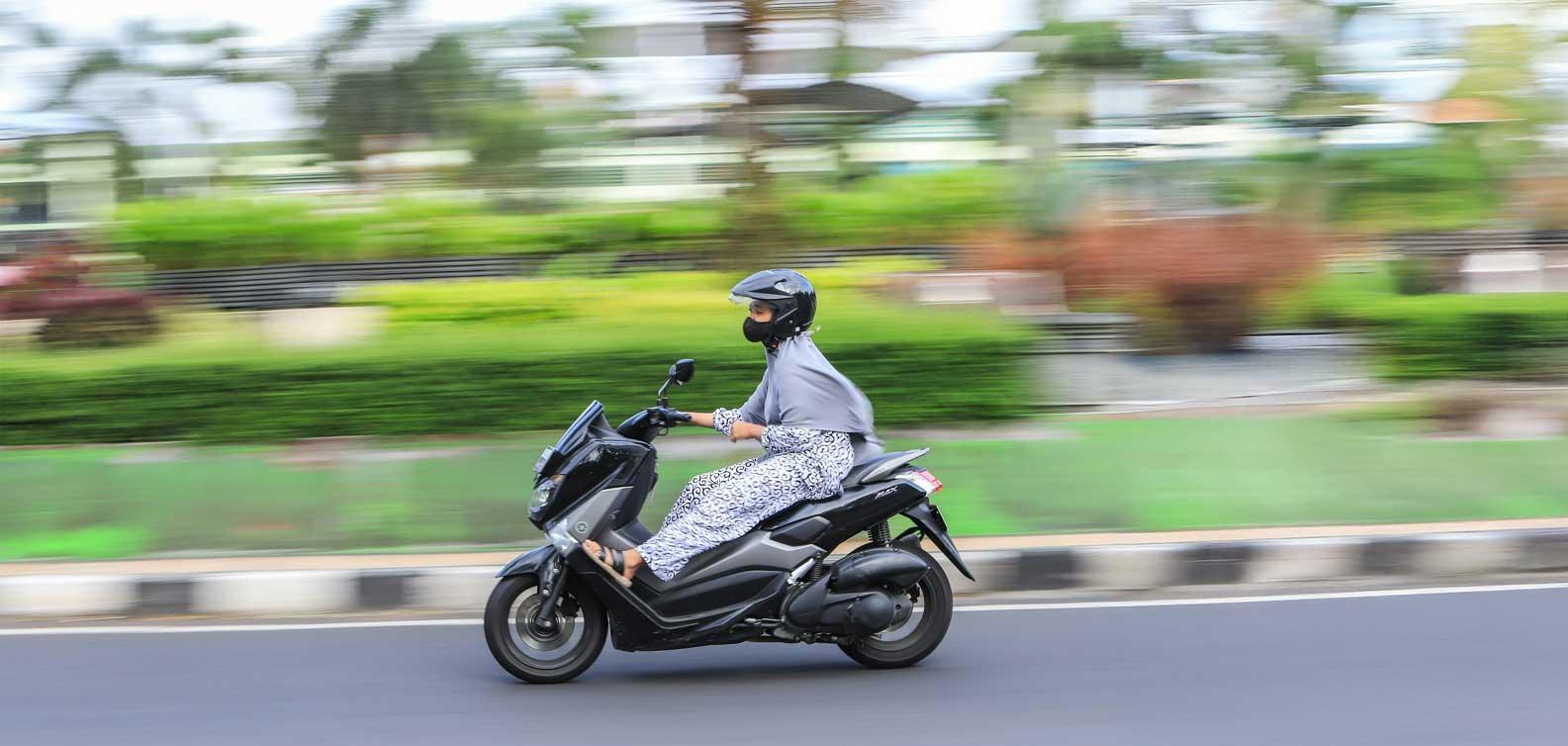
Best 110cc–125cc Family Commuter Scooters in India: Mileage, Comfort & Price Comparison
Compare the best 110cc and 125cc scooters in India by price, real-world mileage, comfort, storage, braking, running cost and the value of upgrading to 125cc.
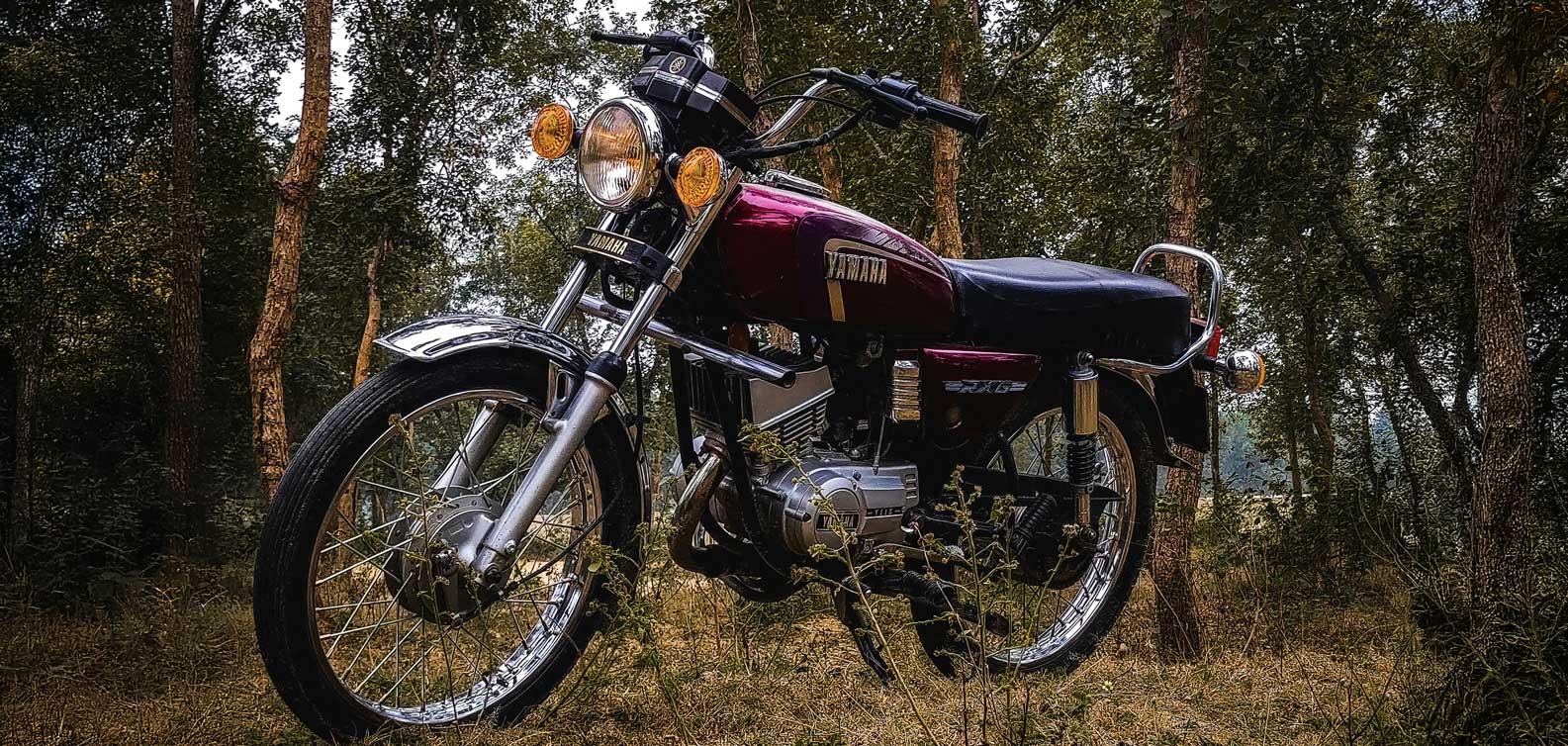
Best 150cc–160cc Bikes in India: Mileage, Price, Specs & Performance
Compare India's best 150cc–160cc bikes on mileage, price, power, braking and comfort — Pulsar N160, Apache RTR 160 4V, Xtreme 160R, FZ-S and more.
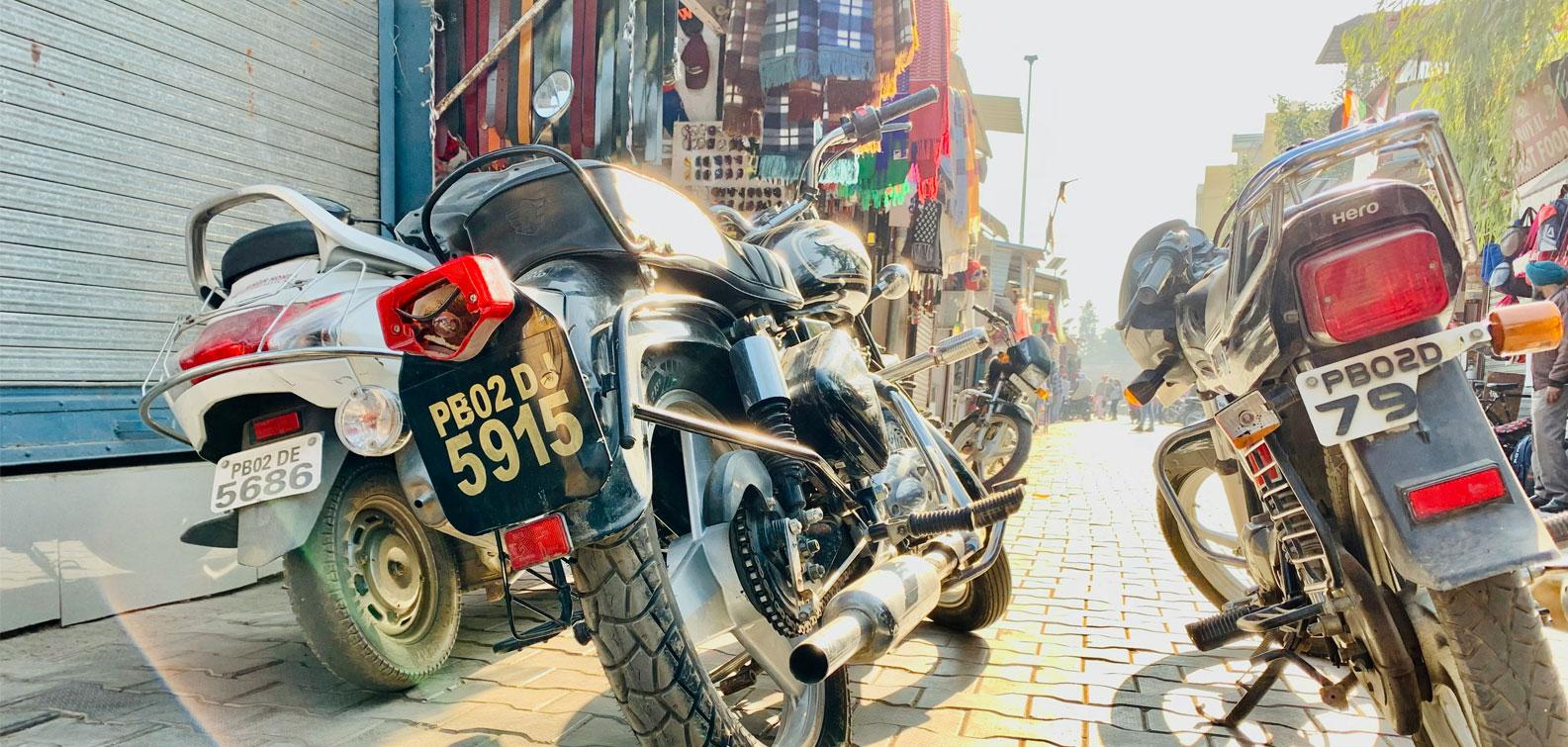
Best 200cc–250cc Performance Bikes in India: Power, Mileage & Highway Cruising
Compare India's best 200cc–250cc bikes on power-to-weight, real-world mileage, highway cruising and price, with the 200cc and 250cc classes covered together.
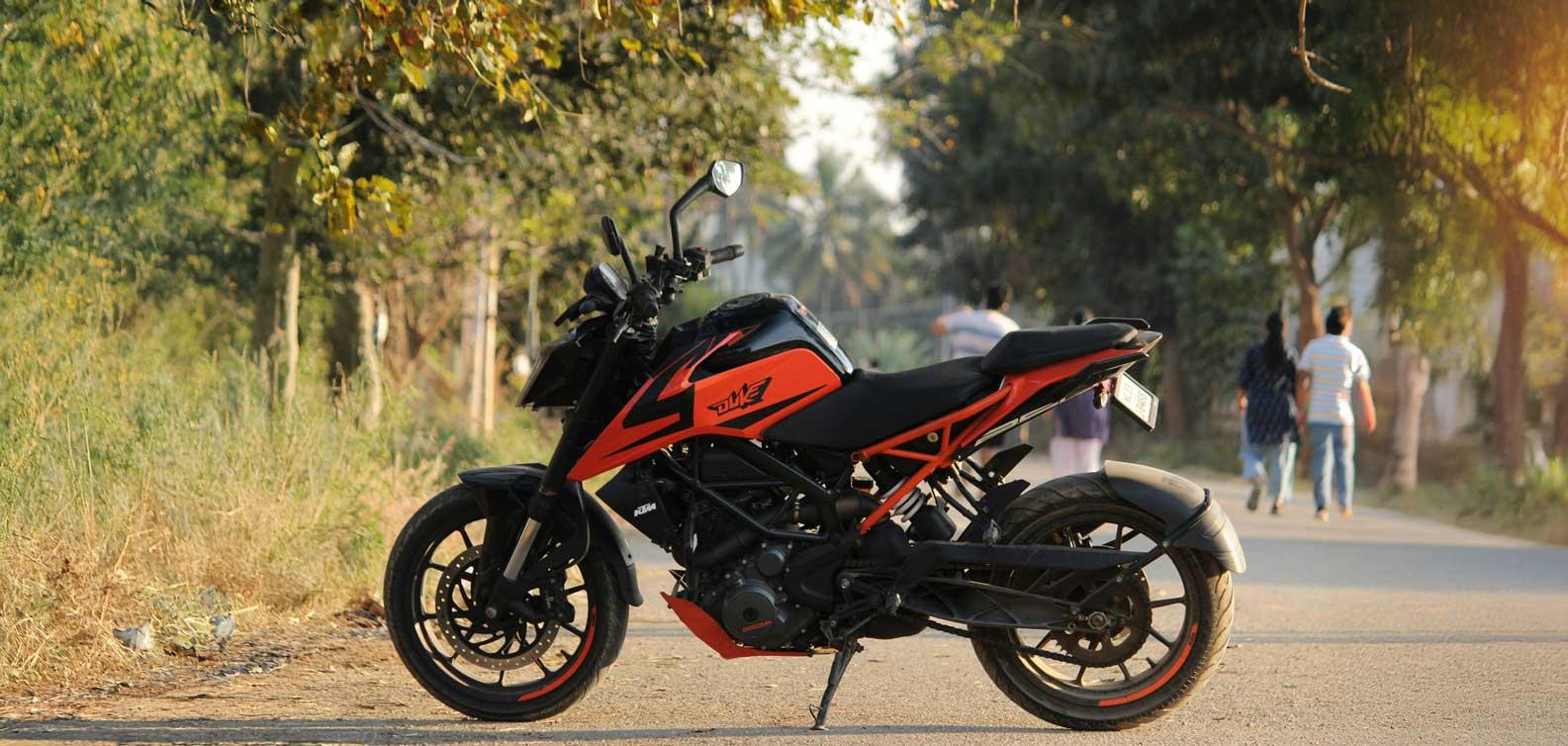
Best 350cc–500cc Bikes in India: Royal Enfield, Triumph & Mid-Capacity Classics
Compare Royal Enfield, Triumph, Harley-Davidson, KTM and Bajaj bikes from 349cc to 452cc on real price, power, mileage and highway comfort in India.