EV Charging Station Franchise in India 2026: Cost, Profit & How to Apply
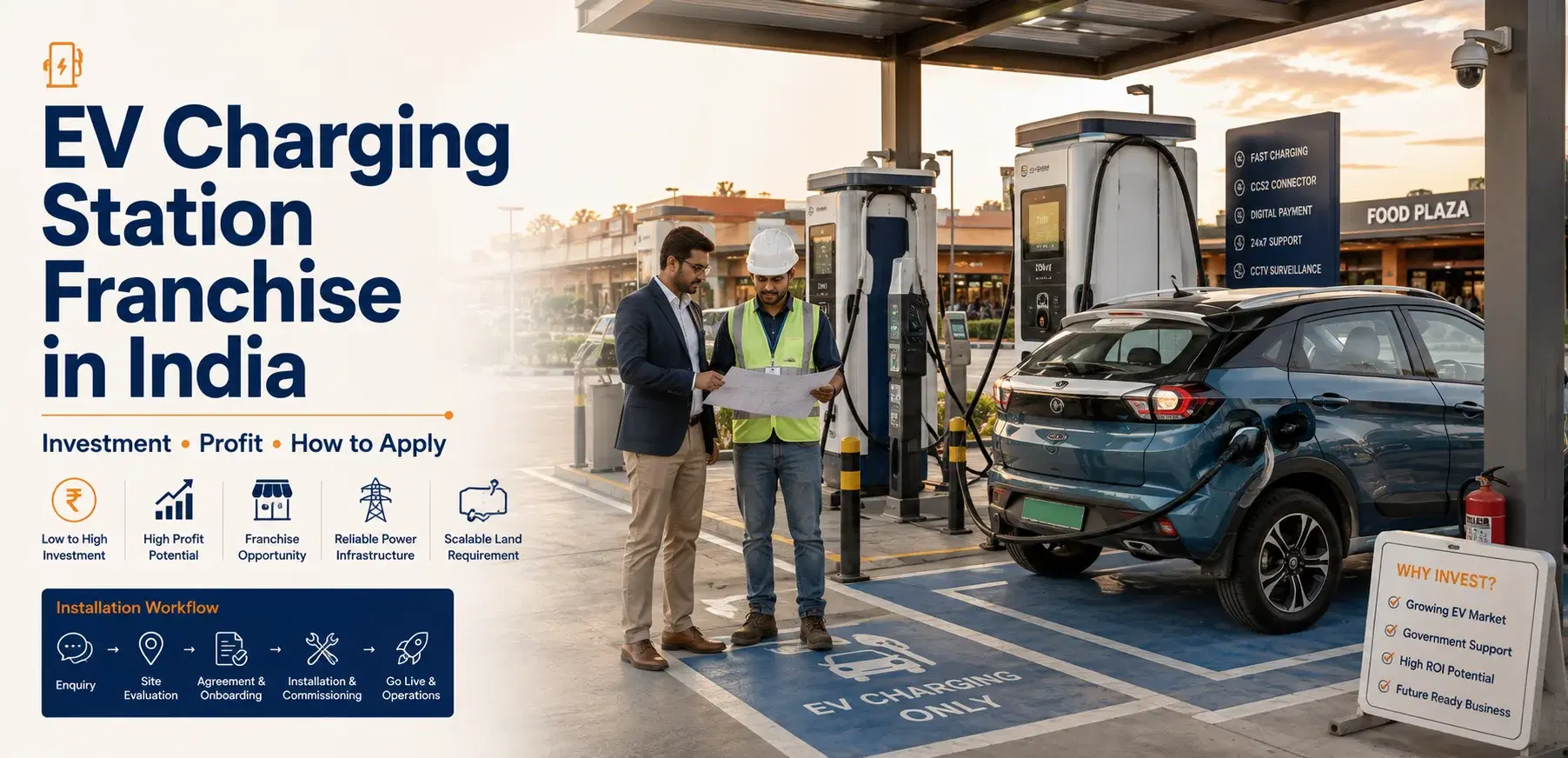
India sold 2.3 million electric vehicles in 2025 — 8% of all new vehicle registrations. Behind every EV on the road is a charging point someone owns and earns from. That someone could be you. The EV charging station franchise market is growing at a 30.3% CAGR, projected to hit $824 million by 2031 in India alone. Yet India has just 1 public charging station per 235 EVs — a supply gap that spells opportunity for first movers.
This guide cuts through the noise with a real cost comparison across Tata Power EZ CHARGE, ChargeZone, ZEON Charging, Statiq, and others, plus a step-by-step process to apply online, understand land requirements, and tap government subsidies like PM E-DRIVE.
Whether you're eyeing a franchise in Bengaluru, Delhi NCR, Hyderabad, or a Tier-2 city, here's everything you need to make an informed decision.
Is an EV Charging Station Franchise Profitable in India?
An EV charging station franchise in India can generate ₹60,000 to ₹1.5 lakh per month depending on location, charger type, and utilisation rate. Most well-placed stations break even within 18–30 months. With India's public charging network needing to grow 5x by 2030, early franchisees stand to benefit from rising demand and improving margins.
Kartikey Hariyani, Founder & CEO of ChargeZone, puts it plainly: "EV charging is an infrastructure-led business where viability improves with scale and utilisation. Network utilisation has reached around 12 percent, which is a meaningful level at this stage".
How Much Can You Earn Per Month?
Earnings depend on three variables: number of chargers, sessions per day, and per-unit electricity rate charged to customers.
AC charger (7.2 kW): 8–12 sessions/day × ₹15–20/unit = ₹3,000–5,000/day
DC fast charger (30–60 kW): 10–15 sessions/day × ₹18–25/unit = ₹7,000–15,000/day
A 2-DC + 2-AC setup in a high-traffic location can realistically earn ₹1–1.5 lakh/month
Pro tip: Stations near highways, malls, hospitals, and IT parks in cities like Bengaluru, Pune, and Hyderabad consistently outperform standalone roadside setups.
Break-Even Period: What's Realistic?
For a ₹25 lakh investment with monthly revenues of ₹80,000 and operating costs of ₹25,000, your net monthly profit is roughly ₹55,000 — putting break-even at around 22–24 months. Larger DC-heavy setups (₹60–80 lakh) may take 30–36 months but generate significantly higher absolute returns.
AC vs DC Charger Margins
Charger Type | Setup Cost | Revenue/Month | Margin |
|---|---|---|---|
AC (7.2 kW) | ₹3–5 lakh | ₹25,000–40,000 | 40–50% |
DC Fast (30 kW) | ₹12–18 lakh | ₹60,000–1 lakh | 45–55% |
DC Fast (60 kW+) | ₹20–35 lakh | ₹1–1.5 lakh | 50–60% |
EV Charging Station Franchise Cost Comparison 2026
EV charging station franchise costs in India range from ₹15 lakh to ₹3 crore+ depending on the provider, charger configuration, and whether you own or lease the land. Most entry-level franchise setups with 1–2 AC chargers start at ₹15–25 lakh, while multi-charger DC fast-charging hubs require ₹50 lakh to ₹1 crore.
Top Franchise Providers: Investment Comparison Table
Provider | Min. Investment | Space Required | Charger Type | Model |
|---|---|---|---|---|
Tata Power EZ CHARGE | ₹15–25 lakh | 200–400 sq ft | AC + DC | FOCO / Hybrid |
ChargeZone | ₹20 lakh+ | 550 sq ft | AC + DC Fast | Franchise |
ZEON Charging | ₹15–30 lakh | State-wise plans | AC + DC | Franchise |
Statiq | ₹30 lakh–3 crore | 300–1,000 sq ft | DC (60–360 kW) | FOCO |
MobiLane | ₹10–20 lakh | 150–300 sq ft | AC | Franchise |
Bharat Charge | ₹12–20 lakh | 200 sq ft | AC + DC | Franchise |
What's Included in the Franchise Fee?
Most franchise packages cover:
Charger hardware (AC/DC units)
Installation and civil work
Software/app integration and remote monitoring
Brand licensing and signage
24/7 technical support
Important: Land cost or lease is almost always excluded. Budget an additional ₹5,000–25,000/month for leasing a prime spot in metro cities.
Cost Breakdown by Component
Charger machine (7.2 kW AC): ₹80,000–1.5 lakh per unit
DC fast charger (30–60 kW): ₹8–20 lakh per unit
Civil/electrical work: ₹2–5 lakh
DISCOM power connection (dedicated meter): ₹50,000–2 lakh
Software + networking: ₹50,000–1 lakh
Franchise fee (brand + support): ₹1–5 lakh
Which EV Charging Franchise is Best in India? Top 5 Ranked
Tata Power EZ CHARGE is the most trusted EV charging franchise in India for 2026, backed by 5,500+ charging points across 630+ cities and 4 lakh app users. ChargeZone and Statiq are strong alternatives for investors seeking faster-growing networks. ZEON Charging suits those in Tier-2 cities with state-specific investment plans.
Tata Power EZ CHARGE
India's largest EV charging network with 5,500+ public points and 1.4 lakh home chargers. Dr. Praveer Sinha, CEO of Tata Power, says the company is "committed to delivering clean energy solutions and accelerating large-scale EV adoption across the country." The EV Mitra scheme offers tax exemptions and low-interest loans to franchisees.
ChargeZone
Reporting triple-digit annual growth, ChargeZone is ideal for high-traffic commercial locations. Starting investment is ₹20 lakh with 550 sq ft space. It's one of the few networks targeting 1 million+ charging points by 2030.
Statiq
Best for investors with larger capital (₹30 lakh–₹3 crore). Statiq's FOCO (Franchise Owned, Company Operated) model means the company handles operations — you just own the asset. DC fast chargers range from 60 kW to 360 kW.
ZEON Charging
Offers state-wise investment plans with an ROI calculator based on real network data. Good for investors who want data-driven projections before committing.
Jio EV Charging Franchise
Reliance Jio's entry into EV charging is still evolving. The Jio EV charging station franchise cost hasn't been officially published yet, but given Reliance's retail footprint across India, it's worth watching for announcements in late 2026.
Key point: Don't choose solely on brand name. Evaluate charger uptime guarantees, revenue-sharing terms, and local demand before signing any franchise agreement.
How to Open an EV Charging Station Business: Step-by-Step
To open an EV charging station franchise in India, you need to select a provider, secure a location of 200–550 sq ft, get a dedicated DISCOM power connection, install chargers, and go live — typically within 60–90 days of approval. EV charging is a de-licensed activity in India since 2018, so no special licence is required.
Step 1: Choose Your Franchise Model and Apply Online
Research providers: Tata Power, ChargeZone, ZEON, Statiq, MobiLane
Visit their official franchise pages and fill the inquiry form
Submit documents: PAN card, Aadhaar, property proof, bank statement
Attend a site evaluation call with the franchise team
Sign the franchise agreement after reviewing revenue-share terms
Step 2: Land Requirements and Location Selection
Minimum space requirements vary by setup:
2-wheeler charging: 100–150 sq ft
4-wheeler AC charging: 200–300 sq ft
DC fast charging hub: 500–1,000 sq ft
Ideal locations include petrol station forecourts, mall parking lots, apartment complexes, office parks, and highway dhabas. You don't need to own the land — a lease agreement works.
Step 3: Power Connection and DISCOM Approvals
Apply for a dedicated commercial power meter from your local DISCOM (e.g., BESCOM in Bengaluru, TPDDL in Delhi, MSEDCL in Maharashtra). You'll need a minimum 15–30 kW sanctioned load for a basic setup. This step typically takes 15–30 days.
Step 4: Installation, Go-Live, and First-Year Growth
The franchise partner handles charger installation and software integration. Once live, focus on:
Listing your station on Google Maps and the provider's app
Partnering with nearby businesses for footfall
Monitoring utilisation weekly and adjusting pricing
Financing, Subsidies, and Loans for Your EV Charging Franchise
The Indian government's PM E-DRIVE scheme has allocated ₹2,000 crore specifically for public EV charging infrastructure, with a total outlay of ₹10,900 crore for 2024–2026. Combined with SBI's EV Mitra low-interest loan scheme, franchisees can significantly reduce upfront capital requirements.
PM E-DRIVE Subsidy
The PM Electric Drive Revolution in Innovative Vehicle Enhancement (PM E-DRIVE) scheme, notified in September 2024, covers:
Capital subsidy on DC fast charger installation
Priority for public locations like highways, bus depots, and parking lots
25,202 EV charging stations already installed under the scheme as of December 2024
To apply, visit the Ministry of Heavy Industries portal and register as a charging point operator (CPO).
SBI EV Mitra Scheme
Tata Power's EV Mitra programme, backed by SBI financing, offers:
Low-interest loans (7–9% p.a.) for franchisees
Tax exemptions on EV charging equipment
Grants for first-time entrepreneurs in Tier-2 and Tier-3 cities
Other Financing Options
SIDBI loans: For MSMEs setting up EV infrastructure
State-level incentives: Gujarat, Tamil Nadu, and Maharashtra offer additional capital subsidies of ₹1–5 lakh per charging point
NBFC green loans: Several NBFCs now offer dedicated EV infrastructure financing at 10–12% p.a.
Important: Always verify current subsidy eligibility directly with the Ministry of Heavy Industries or your franchise provider, as scheme terms are updated periodically.
(Disclaimer: Consult a financial advisor before committing to any investment or loan product.)
State-Wise EV Charging Franchise Opportunities in India
India's EV charging franchise opportunity isn't uniform — Bengaluru, Delhi NCR, and Hyderabad are the most active markets, but Tier-2 cities like Nagpur, Coimbatore, and Jaipur offer lower competition and faster ROI for early movers.
India's public charging points need to grow from 75,000 (end 2024) to 375,000 by 2030 — a 5x expansion requiring roughly 50,000 new chargers per year.
Bengaluru (Karnataka)
BESCOM (Bangalore Electricity Supply Company) has streamlined EV charger connection approvals. ChargeZone and Pulse Energy are active here. The city's IT corridor and apartment complexes are prime franchise locations. Expect higher land lease costs (₹15,000–40,000/month) but also higher utilisation rates.
Delhi NCR
Tata Power EZ CHARGE and Statiq dominate Delhi NCR. The Delhi government's EV Policy 2.0 offers additional incentives for public charging operators. Highway corridors on NH-48 and NH-58 are high-demand zones.
Hyderabad (Telangana)
Bharat Charge and ChargeZone are expanding rapidly here. The Telangana government's EV policy supports charging infrastructure with reduced electricity tariffs for CPOs.
Tier-2 Cities: The Untapped Opportunity
Cities like Nagpur, Surat, Lucknow, and Coimbatore have growing EV adoption but far fewer charging points. Land costs are 60–70% lower than metros, and competition is minimal. First-mover advantage here can translate to dominant local market share within 2–3 years.
State subsidy add-ons to check:
Gujarat: ₹10,000 per AC charger, ₹50,000 per DC charger
Tamil Nadu: 50% capital subsidy up to ₹5 lakh for public chargers
Maharashtra: Reduced MSEDCL tariff for EV charging (₹5/unit flat rate)
Conclusion
India's EV charging infrastructure gap is one of the clearest business opportunities of this decade. With just 1 public charging station per 235 EVs today and a government-backed push to deploy 375,000 charging points by 2030, the demand side is locked in. The supply side — that's where you come in.
Whether you start with a ₹15 lakh AC charger setup in a Tier-2 city or a ₹60 lakh DC fast-charging hub in Bengaluru or Hyderabad, the fundamentals are sound. Don't wait for the market to mature — franchisees who enter now will own the best locations and build the strongest customer bases. Pick your provider, check PM E-DRIVE subsidy eligibility, and submit your franchise application online today.
Frequently Asked Questions
Based on 0 ratings

Tanushree (Author)
Tanushree is a dynamic business strategist with a knack for driving innovation in startups, especially in Fintech and Edtech. With 9 years of work-ex, an IT engineer from MIT Pune, & a MBA from IIM Bangalore (Marketing & Business Strategy), she’s got the mix of analytical and creative problem-solving.
Read more
Related Blogs
Popular articles are selected from the same backend blog feed.

MH-03 Wadala RTO (Mumbai East): Address, Timings, Phone & Services
MH-03 Wadala RTO: verified address, phone numbers, office timings, jurisdiction and online options for Mumbai (East) Regional Transport Office.
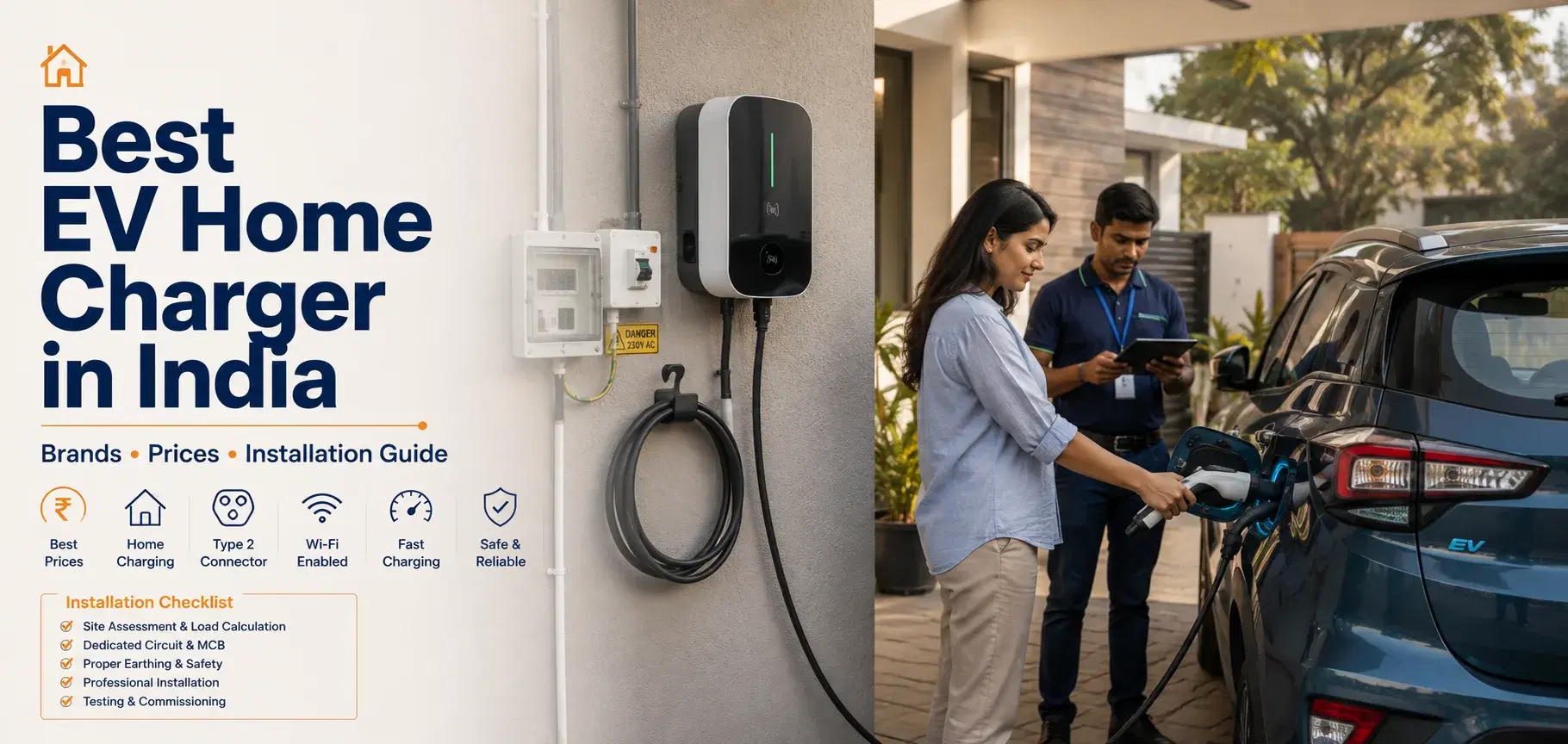
Best EV Home Charger in India: Brands, Prices & Installation Guide
Find the best EV home charger for you: top 7.4kW picks from Statiq, Exicom and Tata Power, with price ranges, installation costs and battery tips.
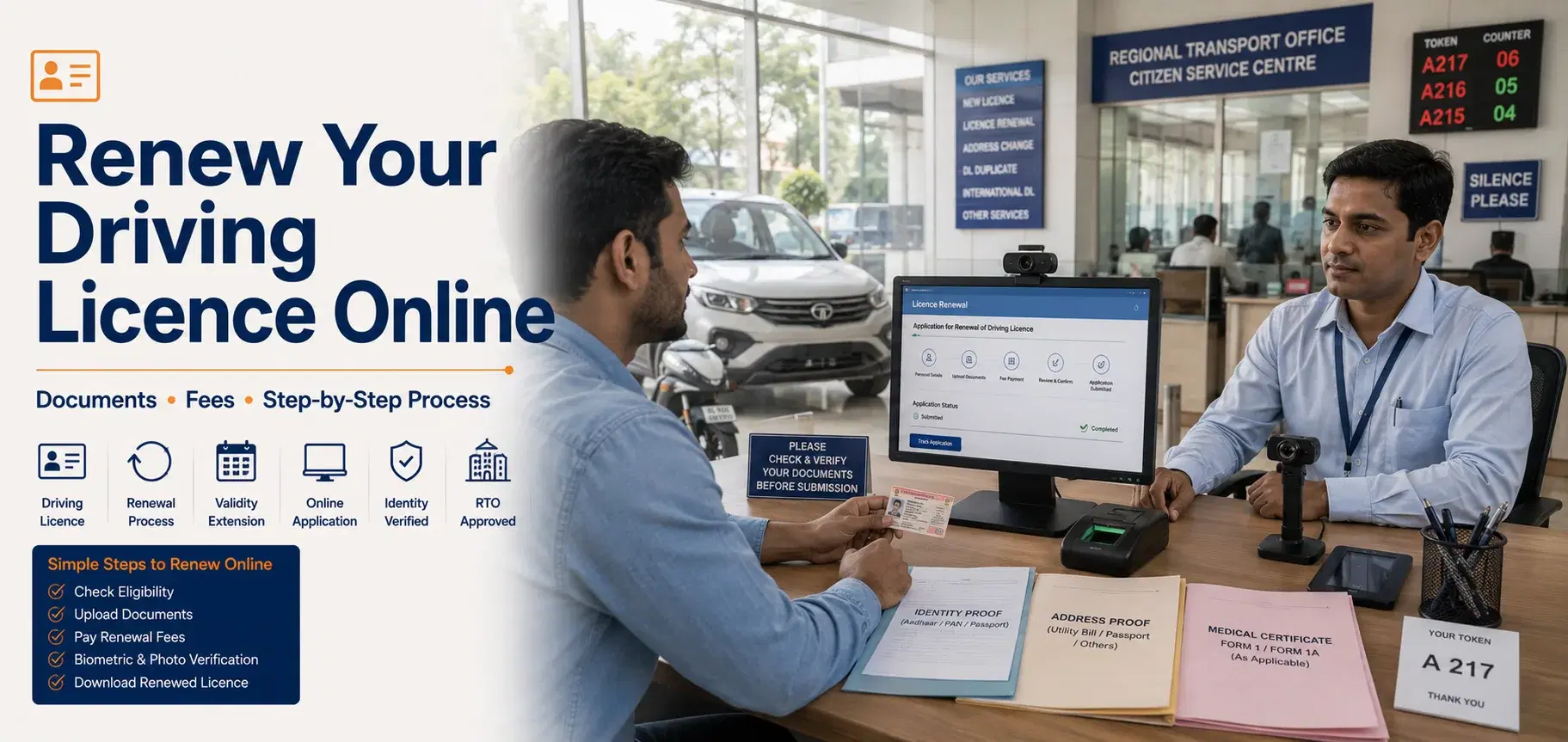
Renew Your Driving Licence Online: State-Wise Parivahan Steps
You risk a ₹5,000 fine if your licence expires. Renew your driving licence online via Parivahan to avoid late fees and re-tests before the grace period ends.
Batteries Used in Electric Vehicles in India: Costs and Lifespan
Types of batteries used in electric vehicles: LFP, NMC, NCA, NiMH, lead-acid, and solid-state. Compare energy density, costs, safety, and India EV models.
PM E-DRIVE Scheme 2026: Subsidy, Eligibility & How to Apply (India)
PM E-Drive e-2W subsidies end 31 July 2026 and the fund is limited. Check eligibility, subsidy amounts, and claim steps before the deadline.
Ex-Showroom Price in India: Meaning, GST & On-Road Cost
What is ex-showroom price? Learn what it includes, GST rules, road tax, RTO, insurance and how to calculate your vehicle's on-road price in India.
Vehicle Fitness Certificate in India: Fees, Rules & Online Apply
Vehicle Fitness Certificate (FC) in India: Learn how to apply online, download your FC, check fees, validity, renewal rules and penalties for expired certificat
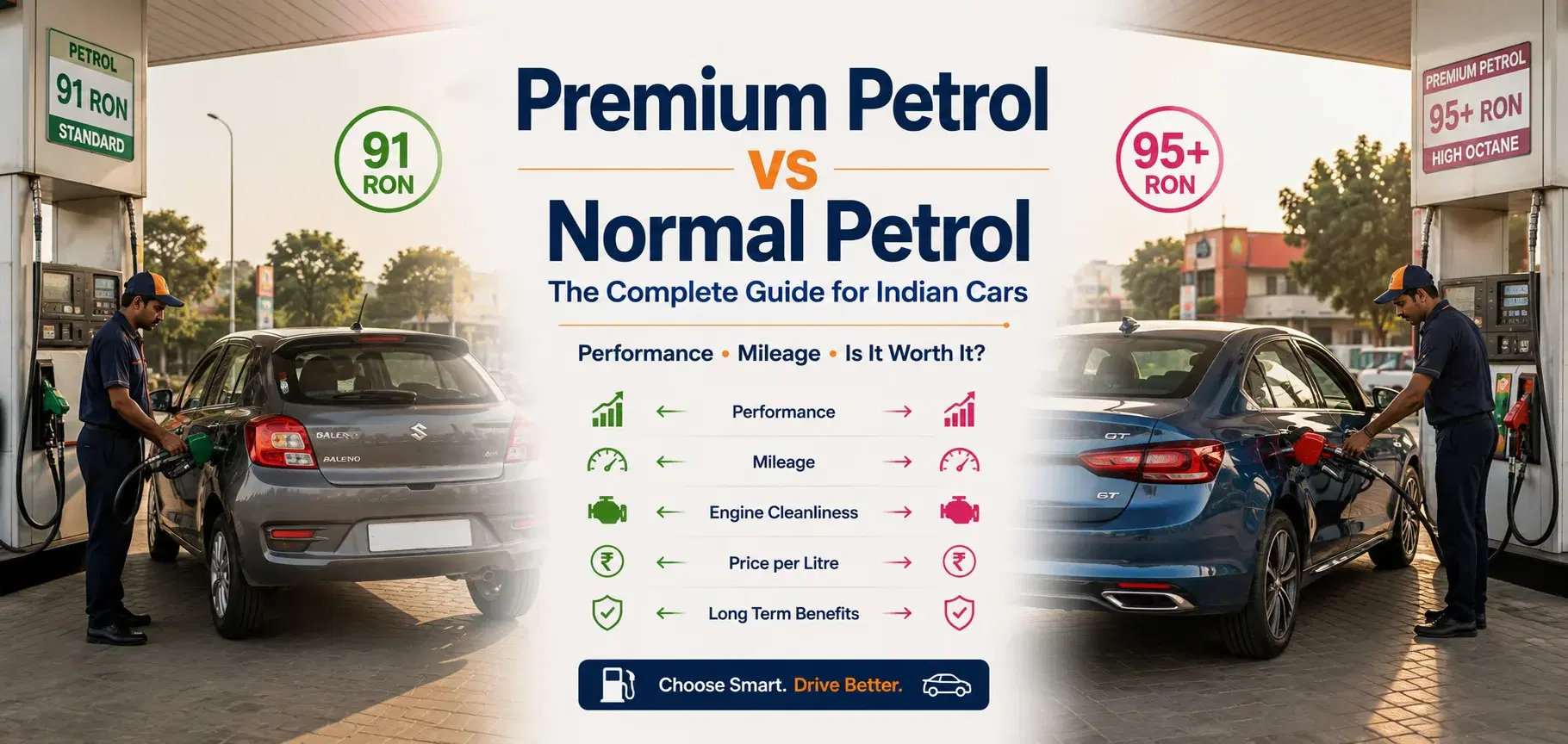
Premium Petrol vs Normal Petrol: The Complete 2026 Guide for Indian Cars
Premium petrol costs ₹15–₹17 more per litre but boosts mileage 3–5% in engines designed for high octane. XP95, Power 95, Power99, and E20 explained.