Best Engine Oils for Bikes & Scooters in India
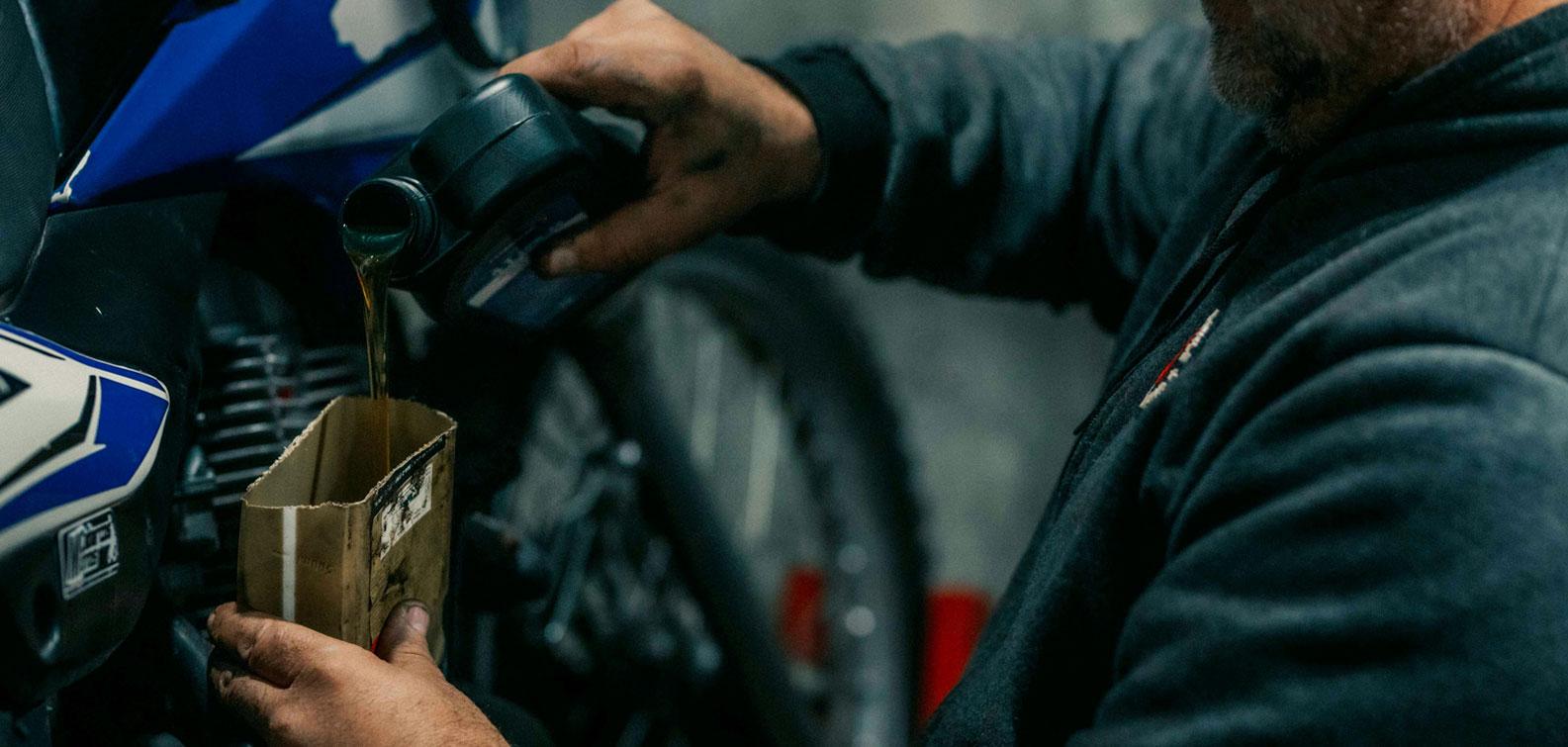
Best engine oil for bike** means choosing the right viscosity (10W-40, 20W-50), type (synthetic, semi-synthetic, mineral), and certification (API SN, JASO MA2) that matches your bike’s engine, riding style, and climate for maximum protection and performance.
Passionate riders will often tell you that engine oil is the lifeblood of any two-wheeler. It’s what offers it nourishment and determines its long-term well-being. Best engine oil for bikes will not only offer you a smoother operation but also will extend engine longevity, and maximize performance.
Which is why selecting the right engine oil is important. It isn’t just about falling for random product advertisements on TV, but to conduct informed research on both your two-wheeler(s) and the variety of engine oils available in the marketplace.
Understanding Engine Oil for Bikes
What is Engine Oil?
In a nutshell, engine oil is a lubricant designed to reduce friction between the moving parts within your bike’s engine. It wears many hats.
Engine oil cools the engine by carrying heat away, cleans engine components by trapping contaminants, and seals gaps between piston rings and cylinder walls.
The best engine oil for bikes on your radar should be engineered to maintain optimal viscosity under various temperatures so that your engine operates smoothly and efficiently.
How Engine Oil Impacts Performance
The right engine oil can significantly boost your bike’s performance.
Think about it this way, engine oil is to your engine what partnership is to humans – at work or in love. By reducing friction, the engine oil minimizes wear and tear, ensuring that the engine components have a healthier, better life. In fact, effective lubrication aids in temperature regulation, preventing overheating during long rides.
Types of Engine Oil
Let’s explore the three primary types to understand this better:
- Mineral Oil: Extracted directly from crude oil and refined. It is economical and suitable for older bikes but may require frequent changes.
- Semi-Synthetic Oil: A blend of mineral and synthetic oils that offers better performance and longevity than mineral oil, striking a balance between cost and efficiency.
- Synthetic Oil: Fully engineered lubricants that deliver superior performance, excellent thermal stability, and extended service intervals. They are often recommended as the best engine oil for bikes due to their consistent performance under extreme conditions.
Understanding Oil Grades & Standards
When choosing the best engine oil for bike in India, check for two key certifications on the label: API (American Petroleum Institute) and JASO (Japanese Automotive Standards Organization).
API ratings (like API SN, SN Plus, or SP) measure oil quality for four-stroke engines. Higher letters mean better protection. API SN or SP oils are recommended for modern bikes.
JASO ratings (MA, MA1, MA2, MB) are specific to motorcycles. MA and MA2 oils work with wet clutches (most Indian bikes use this). MB oils are for scooters with separate engine and transmission oil. Using the wrong type can cause clutch slippage.
Always match the API and JASO ratings recommended in your bike’s manual. This ensures the oil protects your engine and clutch correctly.
Factors to Consider When Choosing Engine Oil
1. Viscosity Ratings
You may have heard about viscosity ratings a lot. But are you aware of what they even measure?
Let’s find out. Viscosity, denoted by numbers like 10W-40 or 20W-50, measures the oil’s resistance to flow. The first number (with the ‘W’ for winter) indicates the oil’s performance in colder temperatures, while the second number represents its viscosity at operating temperature.
It’s important to remember, different riding conditions require different viscosity ratings.
2. Engine Specifications & Mileage
Engine capacity and mileage significantly influence the oil requirements.
For instance, the best engine oil for 150cc bikes should cater to the specific thermal and mechanical stresses of smaller engines. But if your bike is packing serious heat with higher mileage then it will likely benefit from oils designed to handle wear and tear over longer periods.
3. Riding Conditions & Climate
Yes, conditions and climate do matter. Ambient temperature, humidity, and road conditions all affect engine oil performance. In hot, sweltering climates, a higher-viscosity oil is a better fit to maintain optimal lubrication.
But if you’re in a cool, breezy place, look for lighter oils.
4. Manufacturer Recommendations & Compatibility
Warning: always follow OEM (Original Equipment Manufacturer) guidelines for oil changes!
The manufacturer’s recommendations aren’t just fancy jargon, they’re given to ensure that you choose an oil that is fully compatible with your bike’s engine design. So don’t ignore it, it may be important to meet warranty and performance standards.
Choose Oil by Climate & Season
India’s climate varies widely, and the best engine oil for bike changes by region and season.
Hot climates (South India, summer months): Use higher-viscosity oils like 20W-50 or 15W-50. They resist thinning at high temperatures and maintain oil pressure.
Cold climates (North India, winter months): Use lower-viscosity oils like 10W-30 or 10W-40. They flow better at startup and reduce engine wear in cold conditions.
All-season riding (most of India): Multi-grade oils like 10W-40 work year-round. The “10W” ensures cold-start protection, and “40” maintains viscosity in heat.
If you ride in extreme heat or cold, check your manual for manufacturer-recommended seasonal adjustments. Using the right viscosity for your climate improves engine life and fuel efficiency.
Top Engine Oil Recommendations for Bikes
Want us to cut to the chase and tell you about our picks for the best engine oil for bike in India? Let’s do it.
-
Mobil 1 Synthetic Motor Oil
- Type: Fully Synthetic
- Viscosity: 10W-40
- Highlights: Superior performance, extended oil change intervals, excellent thermal stability.
- Suitable For: High-performance bikes, including 150cc variants.
- Frequently rated as the no 1 engine oil for bike by enthusiasts.
-
Castrol Power 1
- Type: Semi-Synthetic
- Viscosity: 10W-40
- Highlights: Provides excellent engine protection, reduces friction, and enhances fuel efficiency.
-
Shell Helix HX7
- Type: Mineral
- Viscosity: 15W-40
- Highlights: Cost-effective, reliable for everyday commuting, and widely available.
-
Motul Specific 710
- Type: Fully Synthetic
- Viscosity: 10W-40
- Highlights: Known for high engine performance and protection under extreme conditions.
-
Total Quartz 7000
- Type: Fully Synthetic
- Viscosity: 10W-40
- Highlights: Excellent in high temperature, provides great wear protection, and maintains engine cleanliness.
These are some of the strongest contenders in the top 5 engine oil for bike ranges. They are consistently regarded as the best bike engine oil under varied riding conditions by experts.
In-Depth Reviews & Comparison
Check the information out in this table for easy access:
| Product | Type | Viscosity | Pack Size | Price per Liter (INR) | Performance Benefits | User Rating |
|---|---|---|---|---|---|---|
| Mobil 1 Synthetic | Fully Synthetic | 10W-40 | 1L, 4L | 900–1,125 | Superior thermal stability, extended service intervals | 4.8/5 |
| Castrol Power 1 | Semi-Synthetic | 10W-40 | 0.9L, 4L | 700–875 | Excellent engine protection, improved fuel efficiency | 4.6/5 |
| Shell Helix HX7 | Mineral | 15W-40 | 1L, 3L, 4L | 375–625 | Reliable everyday use, cost-effective | 4.3/5 |
| Motul Specific 710 | Fully Synthetic | 10W-40 | 1L, 4L | 750–1,000 | High performance under extreme conditions | 4.7/5 |
| Total Quartz 7000 | Fully Synthetic | 10W-40 | 1L, 5L | 600–800 | Excellent wear protection and engine cleanliness | 4.5/5 |
Note: Prices checked May 2026; vary by retailer and city. Buying larger packs (3L or 4L) usually lowers cost per liter.
Best Engine Oil for Scooters
Before you nonchantly type ‘best engine oil for scooter’ in your Google search; why not take some time to explore the list we have prepared for you?
Let’s explore some top choices:
- Castrol Activ 4: Designed for two-stroke scooter engines and offers excellent cleaning and lubrication.
- Shell Advance Ultra: Ideal for four-stroke scooter engines which ensures smooth operation and reduced deposits.
- Mobil Super 3000: Known for consistent performance in varying temperatures.
Differences Between Bike and Scooter Engine Oils
So what’s the big deal? Why can’t I just use the same oils? Well, while both bikes and scooters benefit from quality engine oils, the requirements do differ.
This is because of engine design and operating conditions. Scooter engines are generally smaller and may require oils with specific viscosity characteristics that cater to lower power outputs, whereas bikes, on the other hand, often demand oils that can handle higher engine loads and temperatures.
Explore Engine Care & Performance Tips
Special Considerations for 150cc Bikes
Best Engine Oil for 150cc Bikes
If you’re a rider of 150cc bikes and you’re looking for the best engine oil for bike 150cc options, Mobil 1 Synthetic and Motul Specific 710 have proven to deliver consistent performance and extended engine protection.
What Makes 150cc Engine Oil Unique?
150cc engines often operate under greater thermal and mechanical stress compared to lower cc models. Therefore, the engine oil must offer:
- Enhanced thermal stability to handle higher temperatures during prolonged rides.
- Superior wear protection for durability under increased engine loads.
- Extended service intervals that reduce the frequency of oil changes while maintaining performance.
Top Engine Oil Brands in India
The top 10 engine oil brands in India include Mobil, Castrol, Shell, Motul, and Total among others. Luckily, our market is teeming with good options. Let’s explore the top brands making the best engine oil for bike options for discerning riders.
Brand Comparison
| Brand | Key Products | Warranty/Service | Price Range (INR) |
| Mobil | Mobil 1 Synthetic | Extended intervals | 3,500 – 4,500 |
| Castrol | Castrol Power 1, Activ 4 | Standard warranty | 2,500 – 3,500 |
| Shell | Shell Helix HX7, Advance Ultra | Reliable service | 1,500 – 2,500 |
| Motul | Motul Specific 710 | Premium performance | 3,000 – 4,000 |
| Total | Total Quartz 7000 | Comprehensive support | 3,000 – 4,000 |
How to Avoid Fake Engine Oil
Counterfeit engine oil is common in India and can damage your engine. Follow these steps to buy genuine oil:
Check the packaging: Look for hologram stickers, QR codes, or tamper-proof seals. Brands like Castrol and Mobil print unique codes you can verify on their websites.
Buy from authorized dealers: Purchase from brand-authorized dealers, company websites, or verified e-commerce sellers (Amazon, Flipkart). Avoid roadside shops with unusually low prices.
Inspect the bottle: Genuine oil bottles have clear printing, smooth caps, and no spelling errors. Fake bottles often look blurry or have misaligned labels.
If the price is too low, verify before buying. A fake oil can cause engine wear, poor performance, and voided warranties.
Maintenance Tips to Maximize Engine Oil Performance
Best Practices for Oil Change Intervals
Once you’ve found the ideal oil for your bike or scooter – the next stage kicks in: following the manufacturer’s recommended oil change intervals. This typically ranges from 3,000 to 5,000 kilometers for most bikes.
Signs It’s Time for an Oil Change
| Sign | What It Means | Action Needed |
|---|---|---|
| Drop in engine performance or fuel efficiency | Oil is losing lubrication properties | Check oil level; change if due |
| Unusual engine noise (knocking, grinding) | Insufficient lubrication between parts | Change oil immediately |
| Dark, dirty oil appearance | Oil saturated with contaminants | Replace oil and filter |
| Increased engine temperature | Poor heat transfer due to degraded oil | Change oil; check coolant levels |
How to Properly Dispose of Used Engine Oil
The environment banks on us to take care of it the way it takes care of us. Proper disposal is crucial for environmental safety and that’s why many service centers in India offer oil recycling services. So you can dispose of used oil at designated collection centers.
Replace Your Oil Filter Too
Changing engine oil without replacing the oil filter reduces effectiveness. Old filters trap dirt and metal particles that new oil picks up, reducing protection.
When to replace: Change the oil filter every time you change engine oil. Some bikes allow filter changes every alternate oil change—check your manual.
How to choose: Use OEM filters or quality aftermarket brands like Bosch, TVS, or Mann-Hummel. Match the filter part number to your bike model.
A clean filter ensures the best engine oil for bike works at full efficiency. Skipping this step can cut oil life by 30–40%.
How to Change Engine Oil (5 Steps)
Changing your bike’s engine oil at home is simple if you follow these steps:
-
Warm up the engine for 2–3 minutes. Warm oil drains faster and carries out more contaminants.
-
Position your bike on the center stand on level ground. Place a drain pan under the engine.
-
Remove the drain plug with the correct wrench size. Let old oil drain completely (5–10 minutes).
-
Replace the drain plug washer (if applicable) and tighten the plug to manufacturer torque specs.
-
Fill new oil through the filler cap using a funnel. Pour slowly and check the level with the dipstick. Do not overfill.
Run the engine for 1 minute, then recheck the oil level after 2–3 minutes. Dispose of used oil at authorized collection centers or service stations.
For the best engine oil for bike 150cc or higher, follow the exact viscosity and quantity mentioned in your owner’s manual.
Where to Buy
-
Authorized dealers: Check brand websites (Castrol, Mobil, Shell) for official dealer locators
-
Verified e-commerce: Amazon India, Flipkart (look for “Fulfilled by” or “Cloudtail” sellers)
-
Trusted service centers: Authorized bike service stations stock genuine oils
Safety check: Verify hologram seals, scan QR codes on packaging, and avoid deals that seem too cheap.
Frequently Asked Questions
1. Can I use car engine oil in my bike?
No. Car oils (API SJ, SL) lack JASO certification and may damage wet clutches in bikes. Always use motorcycle-specific oil (JASO MA or MA2).
2. What happens if I use the wrong viscosity?
Too thick (e.g., 20W-50 in winter) causes hard starts and poor flow. Too thin (e.g., 10W-30 in summer) reduces oil pressure and increases wear. Stick to your manual’s recommended range.
3. Is synthetic oil worth the extra cost?
Yes, for high-performance bikes, long rides, or extreme climates. Synthetic oil lasts longer, protects better, and handles heat. For daily commuting on older bikes, semi-synthetic or mineral oil may be enough.
4. Can I mix synthetic and mineral oil?
Technically yes, but not recommended. Mixing reduces synthetic oil benefits and can affect viscosity. Use one type consistently.
5. What is the most preferred engine oil for bikes?
The best engine oil for bikes varies by engine type and usage; however, products like Mobil 1 Synthetic and Castrol Power 1 consistently rank among the top choices.
6. Which engine oil is best for my riding conditions?
Your riding conditions (city commuting, long-distance riding, etc.) and engine specifications determine which oil to use.
7. How do synthetic and mineral engine oils differ?
Synthetic oils offer superior performance, longer service intervals, and better thermal stability compared to mineral oils, though they come at a higher price.
8. Is there a difference between bike engine oil and scooty engine oil?
Yes, scooter engines often require oils with slightly different viscosity ratings due to their design and lower power output compared to bikes.
9. How often should I change my engine oil?
Oil change intervals depend on your bike’s model and usage, but typically range from 3,000 to 5,000 kilometers.
Conclusion
The best engine oil for bikes is the one that matches your engine specs, riding style, and climate. Whether you ride a 150cc commuter or a high-performance sport bike, choosing the right oil—and changing it on time—protects your investment and maximizes performance.
In the mood to talk more about this? Get in touch with us at Ecozaar. We can help you make the most efficient choice, till the time you fully transition into green mobility.
Based on 23 ratings

Tanushree (Author)
Tanushree is a dynamic business strategist with a knack for driving innovation in startups, especially in Fintech and Edtech. With 9 years of work-ex, an IT engineer from MIT Pune, & a MBA from IIM Bangalore (Marketing & Business Strategy), she’s got the mix of analytical and creative problem-solving.
Read more
Related Blogs
Popular articles are selected from the same backend blog feed.


Best Bikes Under 1 Lakh in India: Price, Mileage & Low-Maintenance Commuters
Compare the best bikes under ₹1 lakh in India by price, real-world mileage, maintenance and safety — from sub-₹60k commuters to 125cc options near ₹1 lakh.
Best Bikes Under 2 Lakh in India: Streetfighters, Cruisers & All-Rounders
Compare the best bikes under ₹2 lakh in India: verified ex-showroom prices, real-world mileage, ABS and hardware, and which model fits your budget.
Best Sports Bikes Under 5 Lakh in India: Track Bikes, Supersports & Top Speed Comparison
Compare the best sports bikes under ₹5 lakh in India by 0–100 km/h, GPS top speed, track ability, electronics, mileage and ownership costs.

Best Electric Scooters Under 1 Lakh in India: Real-World Range, Subsidy & Price List
Compare the best electric scooters under ₹1 lakh by real-world range, battery size, charging, PM E-DRIVE benefits, running cost, build quality and family practi
Best Low-Cost Electric Scooters Under ₹40,000–₹50,000: Non-RTO & Budget Commuters
Compare low-cost electric scooters under ₹40,000–50,000 by price, range, battery type, charging, non-RTO rules, running cost and practical ownership risks.
Best 110cc–125cc Family Commuter Scooters in India: Mileage, Comfort & Price Comparison
Compare the best 110cc and 125cc scooters in India by price, real-world mileage, comfort, storage, braking, running cost and the value of upgrading to 125cc.
Best 150cc–160cc Bikes in India: Mileage, Price, Specs & Performance
Compare India's best 150cc–160cc bikes on mileage, price, power, braking and comfort — Pulsar N160, Apache RTR 160 4V, Xtreme 160R, FZ-S and more.
Best 200cc–250cc Performance Bikes in India: Power, Mileage & Highway Cruising
Compare India's best 200cc–250cc bikes on power-to-weight, real-world mileage, highway cruising and price, with the 200cc and 250cc classes covered together.