What is a BS4 vehicle? Meaning, Emission Norms, and Ban Status
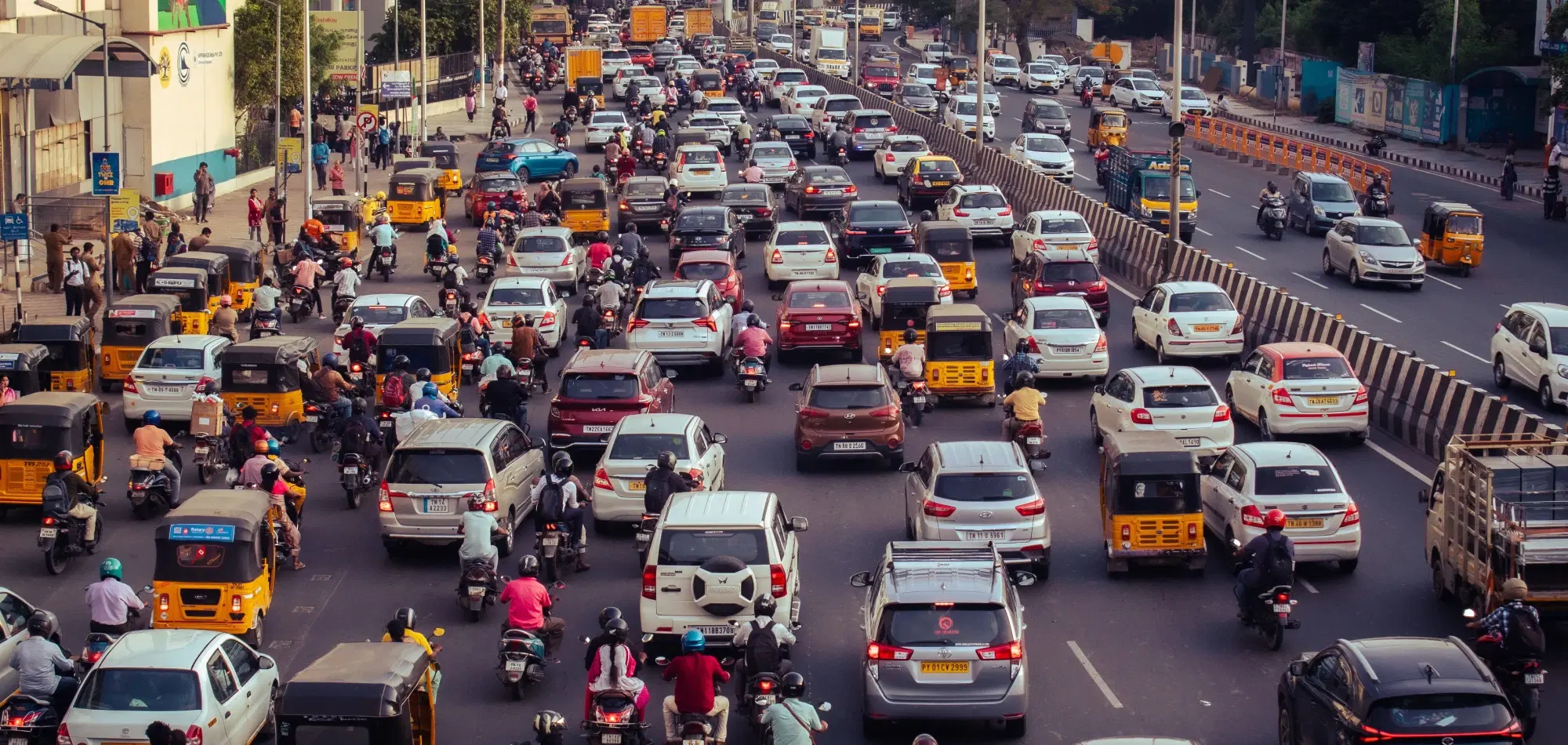
Put simply, a BS4 (Bharat Stage IV) vehicle is a motor vehicle manufactured between April 2017 and March 2020 that complies with the fourth iteration of emission standards set by the Indian government. These norms dictate the maximum permissible pollution levels a vehicle can emit from its exhaust.
If you own a car or bike from this era, you likely have a BS4 engine. But what does that mean for your daily commute, especially with the newer BS6 regulations and city-specific bans making headlines?
In this handy guide, we explain BS4 vehicles, how they differ from newer standards, and whether you can still drive one today.
Understanding BS4 Emission Norms
Bharat Stage (BS) emission standards are based on European regulations and are meant to keep air pollution in check. The Central Pollution Control Board (CPCB) regulates these standards under the Ministry of Environment, Forest and Climate Change.
The Shift from BS3 to BS4
When the government phased out BS3 and made BS4 mandatory nationwide in April 2017, it was a massive step forward for air quality.
The new BS4 rules drastically reduced permissible pollution levels. For instance, the sulphur concentration allowed in vehicle fuel was slashed to just 50 ppm (parts per million). This helped cut down the amount of harmful particulate matter and toxic gases released into the atmosphere.
Key Mechanical Changes in BS4 Vehicles
Automakers couldn’t just tune the old engines to meet BS4 norms. They had to introduce hardware changes to comply with the stricter rules.
- Automatic Headlamp On (AHO): If you bought a motorcycle or scooter during the BS4 era, you probably noticed there is no switch to turn off the headlight. The AHO feature was made mandatory for all two-wheelers to improve visibility and road safety.
- Engine Upgrades: To cut emissions, manufacturers heavily relied on Exhaust Gas Recirculation (EGR) systems in diesel engines. This technology recirculates a portion of an engine’s exhaust gas back to the engine cylinders to lower the combustion temperature, which reduces nitrogen oxide emissions.
- Diesel Oxidation Catalysts (DOC): Diesel cars received DOC units in their exhaust systems. These catalysts break down carbon monoxide and unburnt hydrocarbons into less harmful carbon dioxide and water.
BS4 vs BS6: What are the Major Differences?
The Indian government skipped BS5 entirely and jumped straight to BS6 in April 2020. This leap was necessary to catch up with global environmental standards. If you are comparing BS4 vs BS6, the differences come down to cleaner fuel and highly advanced exhaust filters.
Sulphur Content in Fuel
The most significant change was the fuel itself. BS4 fuel contained 50 ppm of sulphur. BS6 fuel dropped that number down to an incredibly low 10 ppm. Less sulphur means cleaner combustion and a massive reduction in harmful tailpipe emissions.
Nitrogen Oxide (NOx) Limits
Nitrogen oxide is a toxic gas that contributes heavily to smog and respiratory problems. The jump to BS6 forced automakers to slash NOx levels aggressively. For petrol cars, the BS4 limit was 80 mg/km, which BS6 tightened to 60 mg/km.
For diesel vehicles, the change was even bigger. BS4 diesel vehicles were allowed up to 250 mg/km of NOx, but BS6 capped this at just 80 mg/km.
Feature Comparison
| Feature | BS4 Vehicle | BS6 Vehicle |
| Mandatory Rollout | April 2017 | April 2020 |
| Fuel Sulphur Content | 50 ppm | 10 ppm |
| Petrol NOx Limit | 80 mg/km | 60 mg/km |
| Diesel NOx Limit | 250 mg/km | 80 mg/km |
| Diesel PM Limit | 25 mg/km | 4.5 mg/km |
| On-Board Diagnostics | Basic / Not standard | Mandatory |
Are BS4 Vehicles Banned in India?
What is a BS4 vehicle status in India? One of the most common questions car owners ask is whether their BS4 vehicles are illegal to drive. The short answer is no, but there are some big conditions depending on where you live.
End of Sales in 2020
The Supreme Court of India banned the sale and registration of new BS4 vehicles after March 31, 2020. Dealerships can no longer sell them. However, if you already own a BS4 vehicle, it remains completely legal to drive. You can renew your registration, sell it in the used car market, and transfer ownership without any nationwide legal hurdles.
The GRAP Stage-III Ban in Delhi NCR
While there is no blanket ban across India, Delhi NCR is a major exception during the winter months. Due to severe air pollution, the Commission for Air Quality Management (CAQM) enforces the Graded Response Action Plan (GRAP).
When the Air Quality Index (AQI) crosses the 400 mark (Severe category), GRAP Stage III is activated. Under this stage, BS4 diesel light motor vehicles (along with BS3 petrol cars) are strictly banned from entering or plying on the roads of Delhi and the surrounding NCR districts.
If you are caught driving a BS4 diesel car during a GRAP Stage III enforcement, the Delhi Traffic Police will issue a massive ₹20,000 challan under Section 194 of the Motor Vehicles Act. Authorities may also impound the vehicle. Keep a close eye on the news from November to February if you commute through the capital in a BS4 diesel car.
How to Check if Your Vehicle is BS4 or BS6
Not sure which emission standard your car or bike belongs to? What is a BS4 vehicle checking method? You can verify this in less than two minutes using any of these three methods:
- Check the Registration Certificate (RC): Open your physical RC smart card or paper document. Look for the “Emission Norms” or “Maker’s Class” section. It usually states “BS-IV” or “Bharat Stage IV” clearly.
- Look at the Manufacturing Year: Check your purchase invoice or the manufacturing date on your RC. If the vehicle was manufactured between April 2017 and March 2020, it is almost certainly a BS4 vehicle.
- Use the mParivahan App: Download the official mParivahan app or visit the official Parivahan Sewa portal. Enter your vehicle registration number. The app will pull up your digital RC details, which will clearly list the emission standard under the vehicle specifications.
Frequently Asked Questions
1. What is the meaning of BS4 in bikes?
BS4 stands for Bharat Stage IV. It refers to the emission standard enforced by the government from April 2017 to March 2020. Bikes built during this period feature mandatory Automatic Headlamp On (AHO) and emit lower levels of pollutants compared to older BS3 models.
2. Can I still drive my BS4 petrol car in Delhi?
Yes, you can drive your BS4 petrol car in Delhi year-round. The winter GRAP Stage III and Stage IV bans typically target BS3 petrol cars and BS4 diesel cars. BS4 petrol vehicles are currently exempt from these specific emergency restrictions.
3. Is BS4 diesel banned in Delhi right now?
BS4 diesel vehicles are not permanently banned in Delhi. However, they face temporary, strict bans during the winter months whenever the Air Quality Index (AQI) drops to the “Severe” category and the government activates GRAP Stage III or IV restrictions.
4. Can we convert a BS4 vehicle to BS6?
No, you cannot convert a BS4 vehicle to BS6. The shift requires major hardware changes, including complex exhaust systems like Diesel Particulate Filters (DPF) and Selective Catalytic Reduction (SCR) tech. Retrofitting an older engine with this factory-level technology is practically and legally impossible.
5. What is the difference between BS4 and BS6 fuel?
The main difference is the sulphur content. BS4 fuel contains 50 parts per million (ppm) of sulphur, while highly refined BS6 fuel contains just 10 ppm. The cleaner BS6 fuel prevents the advanced filters in modern car exhausts from clogging and reduces toxic emissions.
Based on 0 ratings

Najmus (Author)
Najmus leads content and SEO at Ecozaar, building trustworthy guides on electric two-wheelers, RTO processes, and green finance in India. With 8+ years in technical and editorial SEO, he turns complex regulations and specs into practical, citation-backed explainers. His work combines schema, CWV, and clear sourcing to help readers make confident, real-world decisions.
Read more
Related Blogs
Popular articles are selected from the same backend blog feed.

Best Bikes Under 1 Lakh in India: Price, Mileage & Low-Maintenance Commuters
Compare the best bikes under ₹1 lakh in India by price, real-world mileage, maintenance and safety — from sub-₹60k commuters to 125cc options near ₹1 lakh.
Best Bikes Under 2 Lakh in India: Streetfighters, Cruisers & All-Rounders
Compare the best bikes under ₹2 lakh in India: verified ex-showroom prices, real-world mileage, ABS and hardware, and which model fits your budget.
Best Sports Bikes Under 5 Lakh in India: Track Bikes, Supersports & Top Speed Comparison
Compare the best sports bikes under ₹5 lakh in India by 0–100 km/h, GPS top speed, track ability, electronics, mileage and ownership costs.
Best Electric Scooters Under 1 Lakh in India: Real-World Range, Subsidy & Price List
Compare the best electric scooters under ₹1 lakh by real-world range, battery size, charging, PM E-DRIVE benefits, running cost, build quality and family practi
Best Low-Cost Electric Scooters Under ₹40,000–₹50,000: Non-RTO & Budget Commuters
Compare low-cost electric scooters under ₹40,000–50,000 by price, range, battery type, charging, non-RTO rules, running cost and practical ownership risks.
Best 110cc–125cc Family Commuter Scooters in India: Mileage, Comfort & Price Comparison
Compare the best 110cc and 125cc scooters in India by price, real-world mileage, comfort, storage, braking, running cost and the value of upgrading to 125cc.
Best 150cc–160cc Bikes in India: Mileage, Price, Specs & Performance
Compare India's best 150cc–160cc bikes on mileage, price, power, braking and comfort — Pulsar N160, Apache RTR 160 4V, Xtreme 160R, FZ-S and more.
Best 200cc–250cc Performance Bikes in India: Power, Mileage & Highway Cruising
Compare India's best 200cc–250cc bikes on power-to-weight, real-world mileage, highway cruising and price, with the 200cc and 250cc classes covered together.