Best 150cc–160cc Bikes in India: Mileage, Price, Specs & Performance
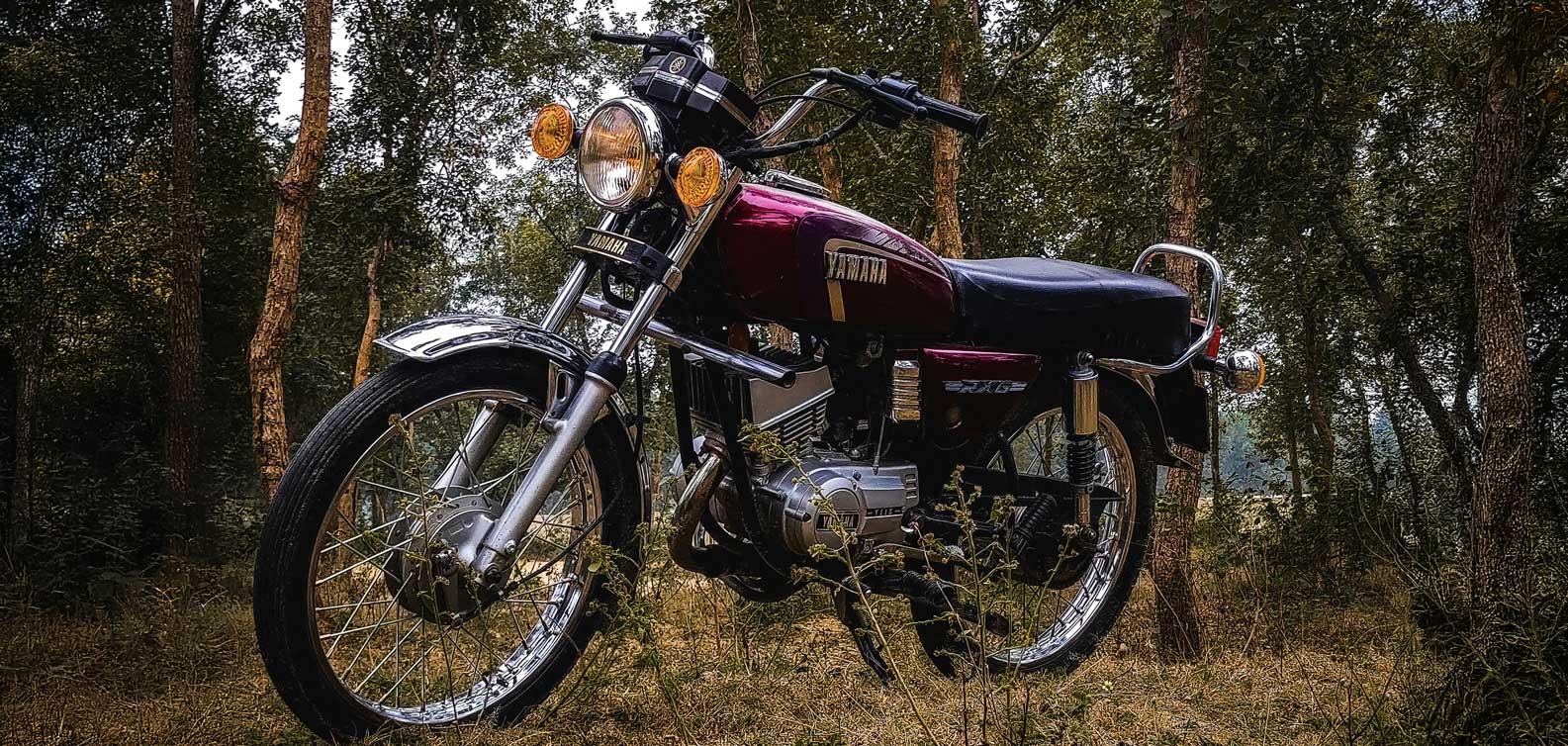
Quick Answer: Which 150cc–160cc Bike Is Best for You?
There's no single "best" 150cc–160cc bike — the right pick depends on what you ride for. If you want outright power, the TVS Apache RTR 160 4V leads at 17.55 PS. If mileage matters most, the Honda Unicorn and Honda SP160 go furthest on a tank. If you want the quickest acceleration with modern hardware, the Hero Xtreme 160R 4V and Bajaj Pulsar N160 are the ones to test-ride.
Here's how the eight core motorcycles in this segment compare on the numbers that actually decide a purchase.
Bike | Engine & Power | ABS | Kerb Weight | Ex-Showroom Price* | Best For |
|---|---|---|---|---|---|
Bajaj Pulsar N160 | 164.82cc, 16.0 PS @ 8,750 rpm | Dual-channel | 152 kg | ₹1.22 lakh | Style + daily performance balance |
TVS Apache RTR 160 4V | 159.7cc, 17.55 PS @ 9,250 rpm (Sport) | Dual-channel (select trims) | 146 kg | ₹1.24 lakh | Outright power, sporty handling |
Hero Xtreme 160R 4V | 163.2cc, 16.9 PS | Dual-channel | 145 kg | ₹1.30 lakh | Quickest acceleration, USD forks |
Bajaj Pulsar NS160 | 160.3cc, 17.2 PS | Dual-channel | 152 kg | ₹1.20 lakh | Affordable streetfighter styling |
Suzuki Gixxer 155 | 155cc, 13.6 PS | Single-channel | 141 kg | ₹1.29 lakh | Naked street looks, Suzuki reliability |
Honda SP160 | 162.71cc, 13.46 PS | Single-channel | 141 kg | ₹1.17 lakh | Honda reliability + strong mileage |
Honda Unicorn | 162.71cc, 12.91 PS | Single-channel | 140 kg | ₹1.15 lakh | Best real-world mileage, family comfort |
Yamaha FZ-S FI V4 | 149cc, 12.4 PS | Single-channel + TCS | 136 kg | ₹1.20 lakh | Lightest, easiest everyday ride |
Note: Ex-showroom, Delhi, as of September 2026. Every model in this segment has seen at least one price or variant change in 2026. Confirm the exact figure and ABS tier for your city before you book — see the price and variant guide further down.
150cc vs 160cc: How the Segment Evolved
The engines in this comparison actually range from 149cc (Yamaha FZ-S FI V4) to 164.82cc (Bajaj Pulsar N160). Buyers search "150cc" out of habit from an older generation of bikes; the current market has mostly moved to 155–165cc engines that offer more power at a similar price and running cost.
Treat 150cc and 160cc as one practical shopping segment. A bike labelled 155cc or 163cc still competes directly with one labelled 150cc, because the price, mileage and use case overlap almost completely.
Which Is the Most Powerful 150cc Bike in India?
The TVS Apache RTR 160 4V is the most powerful bike commonly searched as "150cc," making 17.55 PS at 9,250 rpm in Sport mode. That's the highest crank output in this comparison, ahead of the Bajaj Pulsar NS160 (17.2 PS) and Hero Xtreme 160R 4V (16.9 PS).
A few things matter here:
The Apache RTR 160 4V's power figure is measured in Sport mode. Its Urban and Rain modes soften throttle response for wet roads and city traffic, so the bike doesn't feel like 17.55 PS all the time by design.
The Bajaj Pulsar N160 (16.0 PS) and the older Pulsar 150 name still show up in searches, but the N160 is the current model and produces noticeably more power than the discontinued 150.
None of these bikes technically displaces exactly "150cc." The most powerful bike in the 150cc search category is a 159.7cc engine, which is why the segment boundary matters more to buyers than to engineers.
Crank Power vs Dyno Power: What the Numbers Mean
Every spec sheet number in the table above — 16.0 PS, 17.55 PS, 16.9 PS — is crank power: what the engine produces at the crankshaft, before it passes through the clutch, gearbox and chain or belt to the rear wheel.
Independent dyno tests measure power at the rear wheel instead. Drivetrain friction eats a real chunk of that output before it reaches the road, so a rear-wheel dyno number is always lower than the manufacturer's crank figure for the same bike. That gap isn't a defect — it's normal mechanical loss.
This matters because YouTube dyno charts comparing five bikes side by side are rarely directly comparable. Dyno rollers, fuel, tyre pressure, altitude and calibration all differ between garages, so a chart built from mixed sources can rank bikes in an order that doesn't match how they actually feel on the same road. Treat manufacturer crank figures as the number to compare on paper, and treat any dyno chart as one shop's snapshot, not a verified ranking.
Dual-Channel vs Single-Channel ABS: Which Is Safer?
Dual-channel ABS controls the front and rear brake independently, so both wheels resist locking under hard or wet-road braking. Single-channel ABS only manages the front wheel — the rear can still lock and skid.
In this segment:
Dual-channel: Bajaj Pulsar N160, Bajaj Pulsar NS160, Hero Xtreme 160R 4V, and the higher trims of the TVS Apache RTR 160 4V.
Single-channel: Yamaha FZ-S FI V4, Honda SP160, Honda Unicorn, Suzuki Gixxer 155.
Single-channel ABS isn't unsafe — it still prevents the front wheel from locking, which is where most stopping power and most panic-brake crashes come from. But if you ride in heavy rain, carry a pillion often, or brake hard in city traffic, dual-channel ABS gives you one more layer of control on the rear wheel specifically.
80–0 km/h Braking: What the Test Data Shows
Independent road tests give a clearer picture of real stopping distance than spec sheets do. From 80 km/h to a full stop:
Bajaj Pulsar N160: 33.91 m
TVS Apache RTR 160 4V: 38.36 m
Hero Xtreme 160R 4V: 38.83 m
Yamaha FZ-S FI V4: 41.20 m
Honda SP160: 42.10 m
The Pulsar N160's dual-channel ABS and 300mm front disc give it a clear edge here. Treat these as comparative test-day figures, not guarantees — road surface, tyre wear, rider weight and brake pad condition all change the number on any given ride.
Best Mileage-Focused 150cc–160cc Bikes
If daily running cost is your main concern, three bikes stand out in independent real-world testing:
Honda Unicorn: 52–55 kmpl city, 58–62 kmpl highway
Honda SP160: 50–54 kmpl city, 56–60 kmpl highway
Yamaha FZ-S FI V4: 48–52 kmpl city, 55–58 kmpl highway
These are real-world tested ranges, not ARAI lab figures — lab-certified mileage is always measured under controlled conditions and tends to read higher than what you'll see on a daily commute. Your own number will depend on traffic, load, tyre pressure and riding style.
Best Sporty 150cc–160cc Streetfighters
For riders who care more about acceleration and handling than fuel economy, tested 0–60 km/h times separate the field clearly:
Bike | 0–60 km/h (tested) | Real-world mileage |
|---|---|---|
Hero Xtreme 160R 4V | 4.41s | 44–47 city / 48–52 highway |
TVS Apache RTR 160 4V | 4.55s | 42–45 city / 48–50 highway |
Bajaj Pulsar N160 | 4.60s | 45–48 city / 50–53 highway |
Bajaj Pulsar NS160 | — | 40–43 city / 46–48 highway |
The Xtreme 160R 4V is the quickest off the line among tested models, but the margin between the top three is small enough that ergonomics and ABS should factor into your decision as much as the stopwatch. The trade-off is consistent across all four: faster acceleration and a sportier riding position generally cost you a few kmpl compared to the commuter-focused bikes above.
Yamaha MT-15 V2: The Premium 155cc Boundary
The Yamaha MT-15 V2 sits just outside this segment on price, but it's worth knowing about if you're stretching your budget for a more focused streetfighter. It uses a 155cc engine and Yamaha's VVA (Variable Valve Actuation) tech, and it's priced from roughly ₹1.63–1.68 lakh ex-showroom depending on variant and state as of August 2026 — a meaningful step up from the ₹1.15–1.30 lakh range of the core bikes above.
Think of the MT-15 V2 as an adjacent option, not a direct replacement for a commuter-priced 160. It makes sense if you specifically want a more premium streetfighter and can absorb the price gap — not as a default upgrade from this list. If you're already considering that price bracket, it's also worth browsing Ecozaar's best 200cc bikes in India guide, since several 200cc options land in a similar budget.
Real-World Mileage & Daily Running Cost
Mileage numbers only mean something once you convert them to rupees. Here's a worked example — swap in your own commute distance and local petrol price for an accurate number.
Assumptions: 40 km/day commute (about 1,200 km/month), petrol at ₹102.12/litre (Delhi average, mid-September 2026 — check your local pump price, since state taxes change this significantly).
Honda Unicorn (53 kmpl average): 1,200 ÷ 53 = 22.6 litres → ₹2,312/month
TVS Apache RTR 160 4V (43.5 kmpl average): 1,200 ÷ 43.5 = 27.6 litres → ₹2,818/month
That's a difference of roughly ₹500/month, or about ₹6,000/year, between the segment's most fuel-efficient bike and its most performance-focused one. Neither number accounts for traffic, AC-less summer idling, or a heavier rider — treat this as a starting estimate, not a promise.
Commuting Ergonomics & Family/Pillion Comfort
Weight and riding posture matter more than spec-sheet numbers for daily comfort. The commuter-focused bikes — Honda Unicorn (140 kg), Honda SP160 (141 kg), Yamaha FZ-S FI V4 (136 kg) — sit lighter and use a more upright seating position, which generally suits stop-start traffic and pillion riding better over long distances.
The streetfighter-styled bikes — Pulsar N160, Apache RTR 160 4V, NS160, Xtreme 160R 4V — carry more weight (145–152 kg) and lean the rider slightly forward. That posture rewards spirited solo riding but can tire a pillion faster on a long trip. If family or regular two-up riding is your main use case, prioritise the commuter-styled bikes over outright power figures.
Maintenance, Servicing & Consumables
Every bike in this comparison needs the same basic consumables over its life: engine oil, brake pads, spark plug, air filter and chain or belt maintenance. What differs is frequency and the type of components involved:
Oil-cooled engines (Bajaj Pulsar N160, TVS Apache RTR 160 4V) run slightly more complex cooling systems than pure air-cooled engines, which can mean marginally higher service costs at an authorised centre.
Simpler air-cooled engines (Honda Unicorn, Honda SP160, Suzuki Gixxer 155, Yamaha FZ-S FI V4) are generally cheaper and quicker to service.
We're not publishing exact service intervals or cost totals here, because these change by model year and by dealer, and an outdated number does you more harm than no number. Check the current owner's manual or official service schedule for your exact model, and get a written service-cost estimate from your local authorised dealer before you buy. If you're also weighing which oil to use once you own the bike, Ecozaar's guide to engine oils for bikes and scooters breaks down the options by engine type.
Best Bike by Rider Profile
Best for daily office commuting and mileage: Honda Unicorn or Honda SP160
Best for weekend performance riding: TVS Apache RTR 160 4V
Best for family and pillion comfort: Honda Unicorn
Best braking confidence in wet conditions: Bajaj Pulsar N160 (shortest tested stopping distance, dual-channel ABS)
Best value streetfighter styling: Bajaj Pulsar NS160
Best if you can stretch the budget further: Yamaha MT-15 V2
None of these is a universal "best" — each answers a different question about how you actually plan to ride.
150cc–160cc Bike Price & Variant Chart
Bike | Ex-Showroom Price (approx.)* |
|---|---|
Honda Unicorn | ₹1.15 lakh |
Honda SP160 | ₹1.17 lakh |
Bajaj Pulsar NS160 | ₹1.20 lakh |
Yamaha FZ-S FI V4 | ₹1.20 lakh |
Bajaj Pulsar N160 | ₹1.22 lakh |
TVS Apache RTR 160 4V | ₹1.24 lakh |
Suzuki Gixxer 155 | ₹1.29 lakh |
Hero Xtreme 160R 4V | ₹1.30 lakh |
Yamaha MT-15 V2 (premium boundary) | ₹1.63–1.68 lakh |
Note: Delhi ex-showroom, September 2026. On-road price typically runs ₹12,000–₹25,000 higher than ex-showroom, depending on your state's RTO tax slab and insurance choice — this gap varies a lot by city, so always get the on-road figure from your local dealer before comparing bikes on price.
Every price in this table needs a final check against the manufacturer's live price page before publication — this segment saw multiple relaunches and GST-linked repricing through 2026.
Sources
Frequently Asked Questions
Based on 9 ratings

Tanushree (Author)
Tanushree is a dynamic business strategist with a knack for driving innovation in startups, especially in Fintech and Edtech. With 9 years of work-ex, an IT engineer from MIT Pune, & a MBA from IIM Bangalore (Marketing & Business Strategy), she’s got the mix of analytical and creative problem-solving.
Read more
Related Blogs
Popular articles are selected from the same backend blog feed.

Best Bikes Under 1 Lakh in India: Price, Mileage & Low-Maintenance Commuters
Compare the best bikes under ₹1 lakh in India by price, real-world mileage, maintenance and safety — from sub-₹60k commuters to 125cc options near ₹1 lakh.
Best Bikes Under 2 Lakh in India: Streetfighters, Cruisers & All-Rounders
Compare the best bikes under ₹2 lakh in India: verified ex-showroom prices, real-world mileage, ABS and hardware, and which model fits your budget.
Best Sports Bikes Under 5 Lakh in India: Track Bikes, Supersports & Top Speed Comparison
Compare the best sports bikes under ₹5 lakh in India by 0–100 km/h, GPS top speed, track ability, electronics, mileage and ownership costs.
Best Electric Scooters Under 1 Lakh in India: Real-World Range, Subsidy & Price List
Compare the best electric scooters under ₹1 lakh by real-world range, battery size, charging, PM E-DRIVE benefits, running cost, build quality and family practi
Best Low-Cost Electric Scooters Under ₹40,000–₹50,000: Non-RTO & Budget Commuters
Compare low-cost electric scooters under ₹40,000–50,000 by price, range, battery type, charging, non-RTO rules, running cost and practical ownership risks.
Best 110cc–125cc Family Commuter Scooters in India: Mileage, Comfort & Price Comparison
Compare the best 110cc and 125cc scooters in India by price, real-world mileage, comfort, storage, braking, running cost and the value of upgrading to 125cc.
Best 200cc–250cc Performance Bikes in India: Power, Mileage & Highway Cruising
Compare India's best 200cc–250cc bikes on power-to-weight, real-world mileage, highway cruising and price, with the 200cc and 250cc classes covered together.
Best 350cc–500cc Bikes in India: Royal Enfield, Triumph & Mid-Capacity Classics
Compare Royal Enfield, Triumph, Harley-Davidson, KTM and Bajaj bikes from 349cc to 452cc on real price, power, mileage and highway comfort in India.