What is a BS3 Vehicle? Meaning, Rules, and Current Status
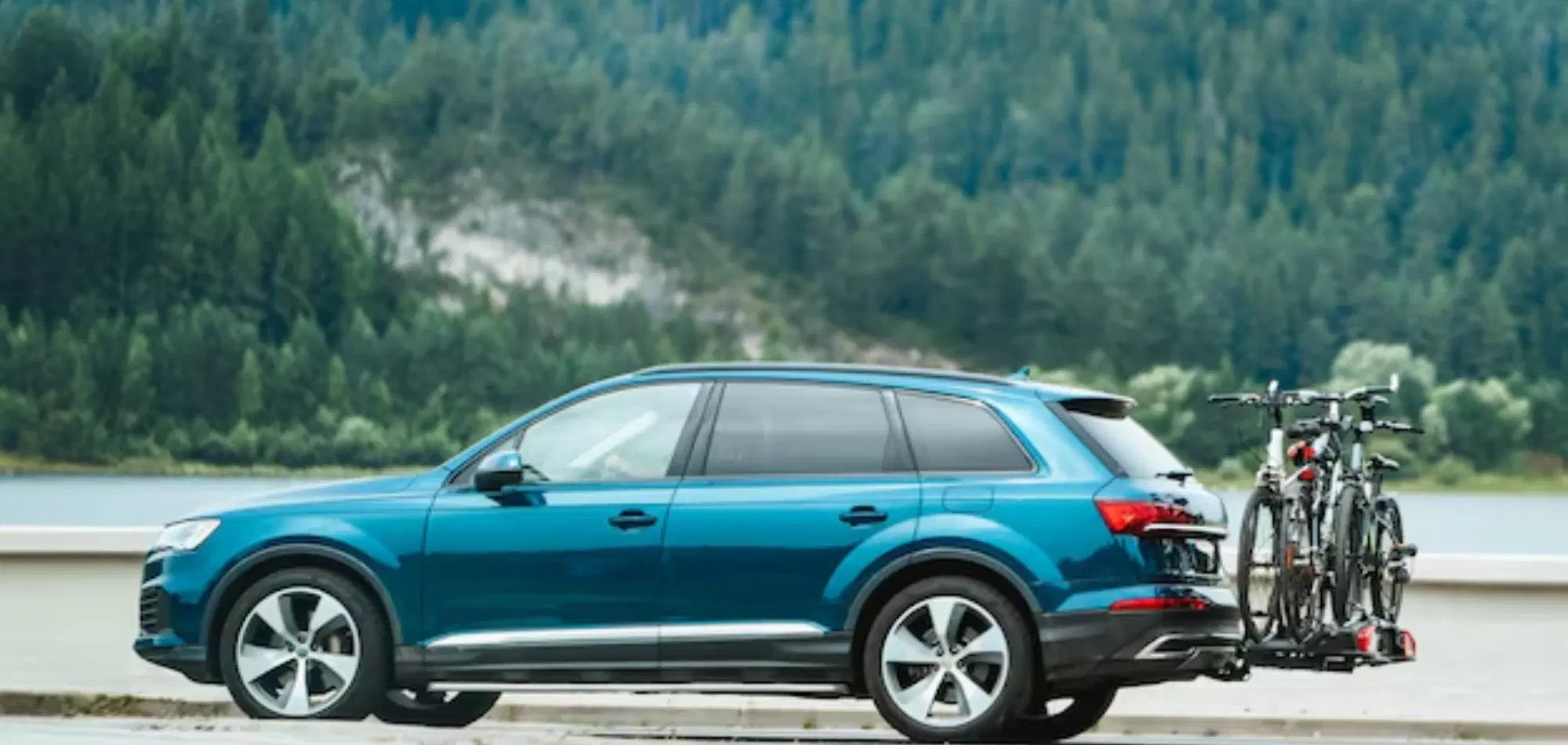
If you own an old car or bike, you need to know exactly what is bs 3 vehicles regulation. BS3 (Bharat Stage III) vehicles are older-generation vehicles manufactured before April 2017 that adhere to the 2005/2010 government emission standards for regulating air pollutants.
Transport departments across India are launching strict enforcement drives against older petrol and diesel engines this summer. As a result, driving an old vehicle without checking the latest local rules can land you a massive fine. Even worse, you can get your vehicle towed straight to a scrap yard.
To help you out, here is a quick breakdown of where your vehicle stands today.
Understanding Bharat Stage (BS) Emission Norms
Before looking at what is BS 3 vehicles, you need the broader picture. The Bharat Stage standards are strict government rules. They dictate exactly how much pollution a vehicle’s engine can release from its tailpipe.
Who Sets These Standards?
The Central Pollution Control Board (CPCB) sets these emission norms. They operate under the Ministry of Environment, Forest, and Climate Change. Their main goal is to control pollution from internal combustion engines. They cap the carbon monoxide, hydrocarbons, and particulate matter that vehicles release. This helps keep urban air quality safe for public health.
The Timeline of BS3 Vehicles
The rollout of what is BS 3 vehicles on Indian roads happened in stages. The government introduced BS3 standards in April 2005 for 13 major cities. This list included Delhi, Mumbai, Kolkata, Chennai, Bengaluru, and Hyderabad. Oil refineries needed this time to upgrade their facilities to produce lower-sulphur fuel.
By April 2010, the fuel infrastructure caught up. The mandate then expanded nationwide. Every new passenger car, commercial vehicle, two-wheeler, and three-wheeler sold in India had to meet these limits.
This era ended on March 31, 2017. The government banned the manufacturing and sale of any new BS3 vehicles. This forced the auto industry to adopt the cleaner Bharat Stage IV (BS4) standard.
What Makes a BS3 Engine Different?
What is BS 3 vehicles’ uniqueness? The main differences lie in how the engine burns fuel and the hardware attached to the exhaust.
Emission Limits (Sulphur & Carbon Monoxide)
When people ask, “what is BS 3 vehicles actually emitting?”, the answer is in the fuel and exhaust. BS3 norms allowed a sulphur content of 100 parts per million (ppm). This was much higher than modern fuels. Sulphur forms particulate matter and causes acid rain.
These older engines also permitted higher Nitrogen Oxides (NOx) and Carbon Monoxide (CO). They lacked modern exhaust filters, like Diesel Particulate Filters (DPF). As a result, BS3 engines released far more particulate matter than modern cars.
BS3 vs BS4 vs BS6: What’s the Difference?
Emission standards changed rapidly over the last decade to fight severe urban air pollution. The jump from BS3 to BS6 forced automakers to completely redesign engines for ultra-low sulphur fuel.
Here is how the regulations evolved to reduce pollution:
| Standard | Year Implemented | Sulphur Content Allowed | Key Changes |
| BS3 | 2005 (13 cities), 2010 (Nationwide) | 100 ppm | Set baseline limits for Carbon Monoxide and NOx across India. |
| BS4 | 2010 (13 cities), 2017 (Nationwide) | 50 ppm | Added stricter limits on hydrocarbons and required vapor recovery systems. |
| BS6 | 2020 (Nationwide) | 10 ppm | Mandated On-Board Diagnostics (OBD) and Diesel Particulate Filters (DPF). |
The Supreme Court Ban on BS3 Vehicles
What is BS 3 vehicles ban saga? As air quality in major Indian cities hit dangerous levels, the courts and the government stepped in to remove high-polluting vehicles from the roads.
The 2017 Sales Ban
The Supreme Court of India outright banned the sale and registration of all new BS3 vehicles after March 31, 2017. This sudden enforcement caught automakers off guard.
Dealerships had to clear their remaining stock with massive discounts before the April 1 deadline. This strict action forced an immediate transition to the BS4 standard. It stopped thousands of high-emission vehicles from hitting the roads.
Current 2026 Driving Restrictions (Delhi & NCR)
If you are wondering about what is bs 3 vehicles legal status today, it depends on your location. Delhi and the National Capital Region (NCR) have strict rules due to the Graded Response Action Plan (GRAP) and National Green Tribunal (NGT) orders.
In 2026, there is a strict ban on end-of-life vehicles in the capital. Petrol cars older than 15 years and diesel cars older than 10 years cannot ply on roads. Since BS3 production ended in 2017, nearly all BS3 diesel vehicles have crossed the 10-year limit. They are illegal to drive in the NCR. Owners must scrap them at registered facilities.
During winter, air quality drops, and GRAP Stage 3 is activated. Under this stage, authorities restrict the movement of all remaining BS3 petrol vehicles. Driving a banned vehicle during high-pollution periods leads to immediate vehicle impoundment and fines of up to ₹20,000.
Frequently Asked Questions
1. What is the full form of BS3?
The full form of BS3 is Bharat Stage III. It is an emission standard instituted by the Government of India to regulate the emission of air pollutants from internal combustion engines.
2. Can I still drive a BS3 vehicle in India?
Yes, you can legally drive a BS3 vehicle in most parts of India if it passes regular pollution (PUC) and fitness tests. However, age-based bans apply heavily in Delhi NCR.
3. Is it legal to buy or sell a used BS3 car?
You can legally buy or sell a used BS3 vehicle in states without age-based bans. You cannot transfer ownership or re-register a BS3 vehicle within Delhi NCR due to strict end-of-life scrapping rules.
4. How do I check if my vehicle is BS3 or BS4?
To find out exactly what is bs 3 vehicles or BS4, check your vehicle’s Registration Certificate (RC) smart card. It lists the emission norm. You can also check the manufacturer’s emission label under the hood.
5. Why were BS3 vehicles banned?
BS3 vehicles were banned from production to reduce severe urban air pollution. These older engines burn fuel with higher sulphur content and emit significantly more toxic gases than newer models.
Based on 1 rating

Najmus (Author)
Najmus leads content and SEO at Ecozaar, building trustworthy guides on electric two-wheelers, RTO processes, and green finance in India. With 8+ years in technical and editorial SEO, he turns complex regulations and specs into practical, citation-backed explainers. His work combines schema, CWV, and clear sourcing to help readers make confident, real-world decisions.
Read more
Related Blogs
Popular articles are selected from the same backend blog feed.

Best Bikes Under 1 Lakh in India: Price, Mileage & Low-Maintenance Commuters
Compare the best bikes under ₹1 lakh in India by price, real-world mileage, maintenance and safety — from sub-₹60k commuters to 125cc options near ₹1 lakh.
Best Bikes Under 2 Lakh in India: Streetfighters, Cruisers & All-Rounders
Compare the best bikes under ₹2 lakh in India: verified ex-showroom prices, real-world mileage, ABS and hardware, and which model fits your budget.
Best Sports Bikes Under 5 Lakh in India: Track Bikes, Supersports & Top Speed Comparison
Compare the best sports bikes under ₹5 lakh in India by 0–100 km/h, GPS top speed, track ability, electronics, mileage and ownership costs.
Best Electric Scooters Under 1 Lakh in India: Real-World Range, Subsidy & Price List
Compare the best electric scooters under ₹1 lakh by real-world range, battery size, charging, PM E-DRIVE benefits, running cost, build quality and family practi
Best Low-Cost Electric Scooters Under ₹40,000–₹50,000: Non-RTO & Budget Commuters
Compare low-cost electric scooters under ₹40,000–50,000 by price, range, battery type, charging, non-RTO rules, running cost and practical ownership risks.
Best 110cc–125cc Family Commuter Scooters in India: Mileage, Comfort & Price Comparison
Compare the best 110cc and 125cc scooters in India by price, real-world mileage, comfort, storage, braking, running cost and the value of upgrading to 125cc.
Best 150cc–160cc Bikes in India: Mileage, Price, Specs & Performance
Compare India's best 150cc–160cc bikes on mileage, price, power, braking and comfort — Pulsar N160, Apache RTR 160 4V, Xtreme 160R, FZ-S and more.
Best 200cc–250cc Performance Bikes in India: Power, Mileage & Highway Cruising
Compare India's best 200cc–250cc bikes on power-to-weight, real-world mileage, highway cruising and price, with the 200cc and 250cc classes covered together.