Self Balancing Scooter Price in India: Top Picks & Full Guide
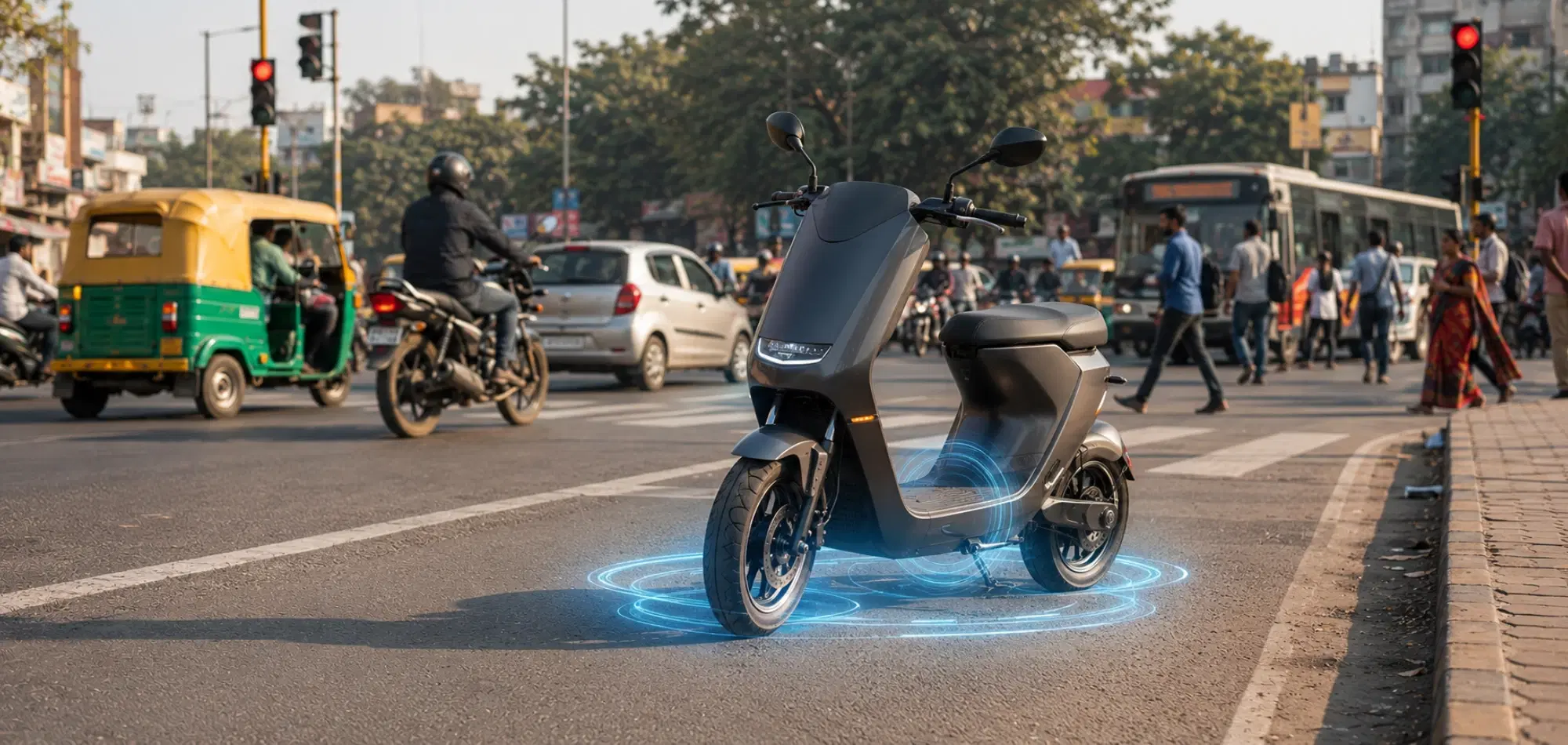
A self balancing scooter is no longer science fiction — it's rolling down Indian streets right now. From Mumbai-based Liger Mobility unveiling India's first auto-balancing electric scooter at Auto Expo 2023 to budget hoverboards available on Flipkart for under ₹10,000, the market has exploded.
The global self balancing scooter market is projected to reach USD 14.2 billion by 2036, growing at a CAGR of 17.1%. India is a key driver of that growth. Whether you're a daily commuter, a parent buying for your child, or an off-road adventure seeker, this guide covers everything — technology, top models, self balancing scooter price in India, legality, and maintenance tips built for Indian roads.
What Is a Self Balancing Scooter and How Does It Work?
A self balancing scooter is an electric personal transporter that uses gyroscopic sensors, AI algorithms, and hub motors to stay upright automatically — even at low speeds or when stationary. Unlike a traditional two-wheeler that relies on the rider's balance, a balance scooter continuously adjusts its own centre of gravity in real time.
The Technology Behind Auto-Balancing
Here's how it actually works:
Gyroscopic sensors detect the scooter's tilt angle dozens of times per second.
An onboard AI algorithm processes this data and calculates the required correction.
Hub motors in the wheels apply micro-adjustments to keep the scooter stable.
Lithium-ion batteries power the entire system, typically ranging from 2.5 Ah to 30 Ah depending on the model.
Vikas Poddar, Co-founder of Liger Mobility, explains it clearly: "Liger uses AI algorithms to dynamically shift the Centre of Gravity of the vehicle in order to ensure that the vehicle stays balanced."
The Liger X, for instance, processes approximately 9,000 data points per second to maintain stability. That's the kind of precision that makes a self balancing two wheeler genuinely safer for beginners.
Pro tip: Look for models with a dedicated Learner Mode — it limits top speed to 5–8 km/h while the rider builds confidence.
Top Self Balancing Scooters Available in India
The Indian market now offers self balancing electric scooters across a wide price range — from ₹8,000 budget hoverboards to ₹1,50,000+ premium commuter scooters. Here's a head-to-head comparison of the best options available right now.
Best Self Balancing Scooters in India
Model | Price (Approx.) | Best For | Top Speed | Range | Weight Capacity | IP Rating |
|---|---|---|---|---|---|---|
Liger X | ₹1,10,000 | Urban commuting | 65 km/h | 75 km | 100 kg | IPX5 |
Liger X+ | ₹1,40,000 | Premium commuting | 65 km/h | 100 km | 100 kg | IPX5 |
Gyroor F1 Pro | ₹25,000–₹35,000 | City riding & kids | 15 km/h | 12 km | 120 kg | IPX4 |
Radboards Rover Off-Roader XL | ₹85,000–₹95,000 | Off-road adventure | 25 km/h | 30 km | 190 kg | IPX4 |
Ultima Hoverboard 6.5" | ₹8,000–₹12,000 | Kids & beginners | 10 km/h | 8 km | 80 kg | None |
Zipomo Smart Hoverboard | ₹9,000–₹14,000 | Kids with Bluetooth | 10 km/h | 10 km | 80 kg | None |
Ola Solo (upcoming) | TBA | Smart urban mobility | TBA | TBA | TBA | TBA |
Quick Model Highlights
Liger X / Liger X+ — Mumbai-based Liger Mobility's flagship. India's first true self balancing electric scooter with a 12-inch hub motor, seat height of 765 mm, and patented auto-balancing tech. Unveiled at Auto Expo 2023.
Gyroor F1 Pro — A solid urban balance scooter for daily short commutes and older kids. Available via online retailers.
Radboards Rover Off-Roader XL — Weighs 53 kg and handles grass, gravel, mud, and slopes. Built for adventure riders.
Ultima Hoverboard — Budget-friendly electric balance scooter available on Flipkart. Great entry point for kids.
Ola Solo — Ola Electric's teased self balancing scooter concept. No confirmed launch date yet, but it's generating significant buzz.
Self Balancing Scooter Price in India: What's Your Budget?
Self balancing scooter prices in India range from ₹8,000 for basic hoverboards to over ₹1,40,000 for premium commuter models with full auto-balancing technology. Here's how to think about each price tier.
Budget Tier: ₹8,000 – ₹20,000
These are primarily hoverboards — the classic two-wheeled balance scooter you stand on. Brands like Ultima and Zipomo dominate this space on Amazon.in and Flipkart. They're ideal for kids aged 8–14 and casual indoor/outdoor use. Don't expect road-legal commuting capability.
Mid-Range Tier: ₹20,000 – ₹60,000
This is where you'll find models like the Gyroor F1 Pro, offering better build quality, longer range, and improved safety certifications. Suitable for short urban commutes on smooth roads.
Premium Tier: ₹80,000 – ₹1,50,000+
The Liger X and Liger X+ sit here. These are genuine self balancing two wheelers — road-capable electric scooters with full auto-balancing, not just hoverboards. The Radboards Rover Off-Roader XL also falls in this range for off-road use.
Key point: The global electric scooter market is estimated at $29.83 billion in 2026 and projected to reach $56.30 billion by 2033. Prices in India are expected to become more competitive as local manufacturing scales up.
How to Choose the Right Balance Scooter for Indian Conditions
Choosing the right self balancing scooter for India means matching the model to your road conditions, budget, rider age, and intended use — not just picking the most expensive option.
5 Key Factors to Check Before Buying
IP Rating — India's monsoon season is brutal. Look for at least IPX4 (splash-resistant) for outdoor use. The Liger X carries an IPX5 rating, making it genuinely rain-resistant.
Tire Type — Solid rubber tires suit smooth city roads. Air-filled (pneumatic) tires handle potholes and uneven surfaces better — critical for most Indian cities.
Motor Power — A minimum of 250W hub motor is recommended for Indian roads. The Liger X uses a 12-inch hub motor for reliable hill-climbing.
Battery Range — Real-world range is typically 60–70% of the claimed figure. If a model claims 40 km, expect 25–28 km in actual use.
Weight Capacity — Check the maximum load. Most budget hoverboards cap at 80 kg. The Rover Off-Roader XL handles up to 190 kg.
Who Should Buy What?
Kids (8–14 years): Ultima Hoverboard or Zipomo Smart Hoverboard — affordable, safe, fun.
Urban commuters: Liger X or Gyroor F1 Pro — range and road capability matter here.
Adventure riders: Radboards Rover Off-Roader XL — built for rough terrain.
First-time riders: Any model with a Learner Mode — limits speed while you build confidence.
Important: Always check warranty terms. Liger Mobility offers after-sales support in Mumbai. For other brands, confirm service centres exist in your city before purchasing.
Common Myths About Self Balancing Scooters
Myth 1: Self balancing scooters are just toys for kids. Actually, the Liger X is a road-capable electric scooter with a top speed of 65 km/h and a range of up to 100 km — comparable to mainstream electric scooters like the Ola S1 Pro. Ashutosh Upadhyay, Co-founder of Liger Mobility, states: "The self-balancing technology enables the scooters to balance automatically, enhancing rider safety, comfort and convenience compared to any other scooter available globally."
Myth 2: You don't need any skill to ride a self balancing scooter. The auto-balancing system handles low-speed stability, but you still need to steer, brake, and navigate traffic. Beginners should always start in Learner Mode on private property before hitting public roads.
Myth 3: All self balancing scooters are the same. There's a massive difference between a ₹10,000 hoverboard and a ₹1,10,000 Liger X. The former is a standing platform toy; the latter is a full electric scooter with a seat, suspension, and road-legal specifications. Don't confuse the two categories when comparing balance scooter prices.
Legal Status: Can You Ride a Self Balancing Scooter on Indian Roads?
In India, the legal status of self balancing scooters on public roads depends on the vehicle type — registered electric scooters like the Liger X can be ridden legally, while hoverboards and unregistered balance scooters are restricted to private property.
Here's the practical breakdown:
Registered electric scooters (e.g., Liger X with proper registration, insurance, and a valid driving licence) can be ridden on public roads under the Motor Vehicles Act.
Hoverboards and unregistered balance scooters (e.g., Ultima, Zipomo) are not road-legal in India. They're meant for private compounds, parks, and gated communities.
Helmet and safety gear are mandatory for road-legal models. Knee pads and wrist guards are strongly recommended for all riders.
Pro tip: Before purchasing, check with your local RTO (Regional Transport Office) for state-specific rules. Some states have stricter enforcement than others.
Disclaimer: This is general information only. Consult a legal professional or your local RTO for advice specific to your state and vehicle.
Maintenance Tips for Indian Weather and Road Conditions
Self balancing scooters need specific care in India's climate — especially during monsoon season and on pothole-heavy roads. Here's what you can't skip.
Battery Care
Charge the lithium-ion battery to 80–90% for daily use; avoid full 100% charges for long-term health.
Never leave the battery fully discharged for more than 48 hours.
Store indoors during extreme heat (above 45°C) — common in North India summers.
Monsoon Readiness
Only ride models with IPX4 or higher ratings during rain.
Dry the scooter thoroughly after wet rides before charging.
Check for water ingress around the charging port monthly.
Tire and Sensor Maintenance
Inspect pneumatic tires for pressure weekly — Indian roads are hard on tires.
If the scooter starts drifting or feels unstable, recalibrate the gyroscopic sensors using the manufacturer's app or manual procedure.
Clean wheel hubs monthly to remove dust and debris common on Indian roads.
Key point: Most manufacturers recommend a full service check every 6 months or 1,000 km, whichever comes first. For Liger Mobility owners in Mumbai, authorised service is available directly through the brand.
Self Balancing Scooter FAQs
Are Self Balancing Scooters Legal to Ride on Indian Roads?
Registered self balancing electric scooters like the Liger X are legal on Indian public roads with proper registration, insurance, and a valid driving licence. Unregistered hoverboards and balance scooters are restricted to private property only. Always check with your local RTO for state-specific rules before riding on public roads. (Disclaimer: Consult a legal professional for advice specific to your situation.)
What is the price of a self balancing scooter in India?
Self balancing scooter prices in India range from ₹8,000 for basic hoverboards to over ₹1,40,000 for premium models like the Liger X+. Budget hoverboards (₹8,000–₹20,000) suit kids and casual use. Mid-range models (₹20,000–₹60,000) like the Gyroor F1 Pro work for urban commuting. Premium self balancing electric scooters (₹80,000–₹1,50,000) offer full road capability and longer range.
How long does the battery last on a self balancing scooter?
Most self balancing scooters offer a real-world range of 8–70 km per charge, depending on the model and battery size. Budget hoverboards typically last 8–12 km. The Liger X claims up to 75 km, though real-world range is usually 60–70% of the claimed figure. Lithium-ion batteries generally retain good capacity for 500–800 charge cycles before noticeable degradation.
Can a self balancing scooter handle Indian roads and potholes?
It depends on the model — premium self balancing scooters with pneumatic tires and suspension handle Indian roads well, but budget hoverboards with solid tires struggle on potholes. Look for models with air-filled tires, at least IPX4 water resistance for monsoon riding, and a minimum 250W hub motor for hill climbing. The Radboards Rover Off-Roader XL is specifically built for rough terrain with 19-inch ATV-style wheels.
Do I need a driving licence to ride a self balancing scooter in India?
For road-legal self balancing electric scooters like the Liger X, a valid driving licence is required under the Motor Vehicles Act. For hoverboards used on private property, no licence is needed. Electric scooters with a top speed above 25 km/h and motor power above 250W require registration and a licence. Always verify with your local RTO. (Disclaimer: Rules vary by state — consult your RTO for confirmation.)
Which is the best self balancing scooter for beginners in India?
The best self balancing scooter for beginners in India is any model with a dedicated Learner Mode that caps speed at 5–8 km/h. The Liger X includes a Learner Mode for new riders. For kids and first-timers on a budget, the Zipomo Smart Hoverboard (₹9,000–₹14,000) or Ultima Hoverboard (₹8,000–₹12,000) are safe starting points. Always wear a helmet and knee pads regardless of experience level.
Conclusion
The self balancing scooter market in India is at a genuine inflection point. You've got everything from ₹8,000 hoverboards for kids to the Liger X — a road-capable, AI-powered electric scooter that processes 9,000 data points per second to keep you upright. The right choice depends on your budget, your roads, and how you plan to use it. For urban commuting, the Liger X is the standout. For off-road adventure, the Radboards Rover Off-Roader XL is hard to beat.
For kids and beginners, budget hoverboards on Amazon.in and Flipkart do the job well. Whatever you choose, prioritise IP rating for Indian weather, check the legal status for your state, and always ride with proper safety gear. The self balancing electric scooter isn't just a gadget — it's a genuinely smarter way to move.
Based on 1 rating

Najmus (Author)
Najmus leads content and SEO at Ecozaar, building trustworthy guides on electric two-wheelers, RTO processes, and green finance in India. With 8+ years in technical and editorial SEO, he turns complex regulations and specs into practical, citation-backed explainers. His work combines schema, CWV, and clear sourcing to help readers make confident, real-world decisions.
Read more
Related Blogs
Popular articles are selected from the same backend blog feed.


Best Bikes Under 1 Lakh in India: Price, Mileage & Low-Maintenance Commuters
Compare the best bikes under ₹1 lakh in India by price, real-world mileage, maintenance and safety — from sub-₹60k commuters to 125cc options near ₹1 lakh.
Best Bikes Under 2 Lakh in India: Streetfighters, Cruisers & All-Rounders
Compare the best bikes under ₹2 lakh in India: verified ex-showroom prices, real-world mileage, ABS and hardware, and which model fits your budget.
Best Electric Scooters Under 1 Lakh in India: Real-World Range, Subsidy & Price List
Compare the best electric scooters under ₹1 lakh by real-world range, battery size, charging, PM E-DRIVE benefits, running cost, build quality and family practi
Best Low-Cost Electric Scooters Under ₹40,000–₹50,000: Non-RTO & Budget Commuters
Compare low-cost electric scooters under ₹40,000–50,000 by price, range, battery type, charging, non-RTO rules, running cost and practical ownership risks.
Best 110cc–125cc Family Commuter Scooters in India: Mileage, Comfort & Price Comparison
Compare the best 110cc and 125cc scooters in India by price, real-world mileage, comfort, storage, braking, running cost and the value of upgrading to 125cc.
Best 150cc–160cc Bikes in India: Mileage, Price, Specs & Performance
Compare India's best 150cc–160cc bikes on mileage, price, power, braking and comfort — Pulsar N160, Apache RTR 160 4V, Xtreme 160R, FZ-S and more.
Best 200cc–250cc Performance Bikes in India: Power, Mileage & Highway Cruising
Compare India's best 200cc–250cc bikes on power-to-weight, real-world mileage, highway cruising and price, with the 200cc and 250cc classes covered together.
Best 350cc–500cc Bikes in India: Royal Enfield, Triumph & Mid-Capacity Classics
Compare Royal Enfield, Triumph, Harley-Davidson, KTM and Bajaj bikes from 349cc to 452cc on real price, power, mileage and highway comfort in India.