Best MTB Tyres 2026: Guide to Size, Width, and More
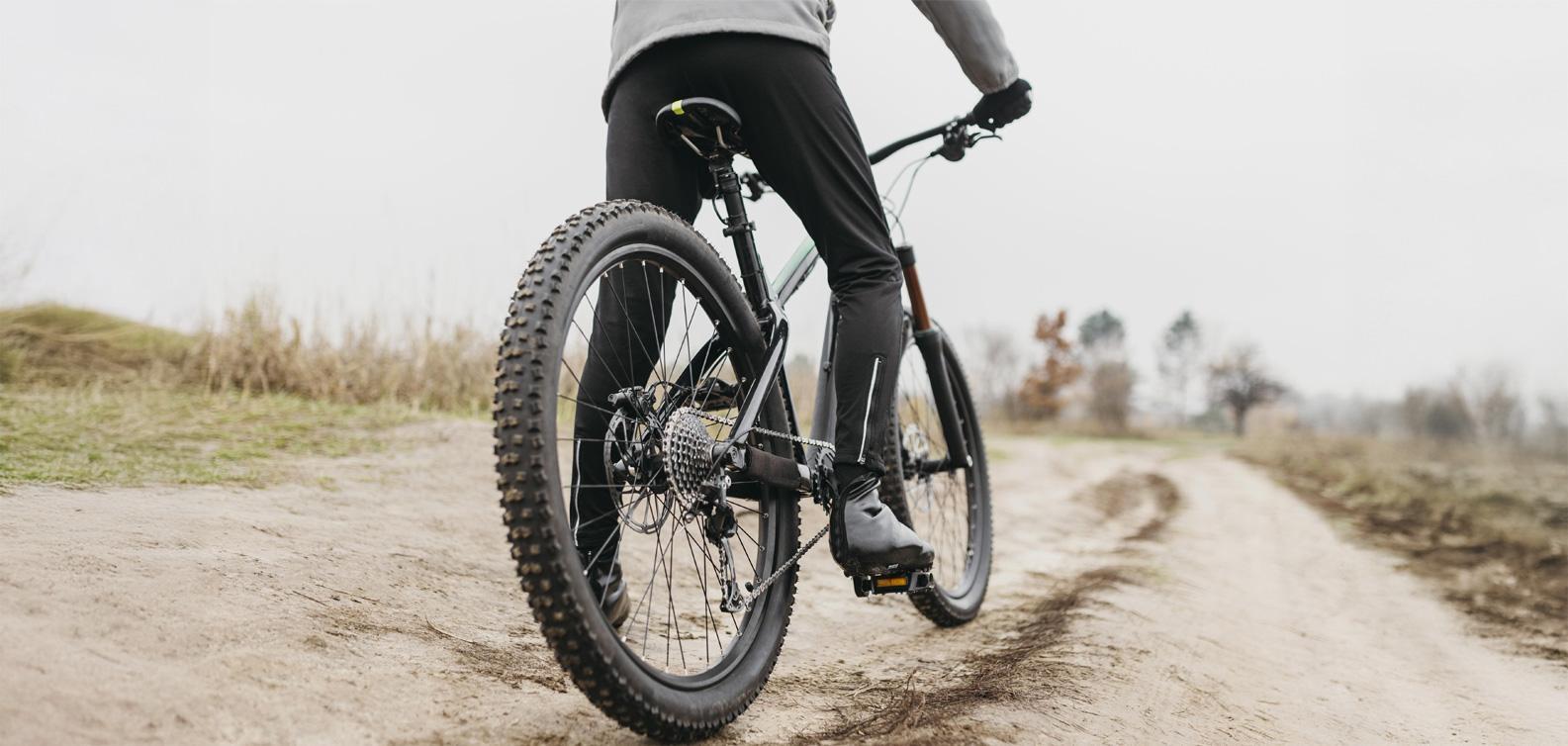
‘MTB’ (aka Mountainbiking) tyres are just as critical to their direct vehicle segment (and customer base) as any type of car, bus, or truck tyre is to theirs, respectively.
Which means adventure and mountain biking enthusiasts cannot afford to make the wrong choice. Since their precarious hobby often involves risking their safety and well-being for the sake of their passion for sheer adrenaline, choosing the type of tyre is pretty much a ‘choose to live by your own sword’ sort of decision.
Pick the wrong set, and you’ll be slipping, sliding, and possibly inventing new forms of unintentional, contorted mountain yoga. Choose wisely, and you’ll have grip, control, and the confidence to tackle anything from smooth singletrack to rock-strewn descents. It’s just as simple.
So, what do the right MTB tyres influence? Everything.Grip, rolling speed, comfort, and even your fatigue levels over a long ride. A tyre that’s perfect for dry, hard-packed trails could be disastrous in slick mud, and vice versa. That’s why matching your tyres to your riding style and terrain is crucial.
In this guide, we’ll break down MTB tyre sizes, widths, tread patterns, compounds, and the eternal tubeless vs. tubed debate. We’ll also share the Top 10 MTB tyres for 2025, plus clear answers to the most common tyre questions.
So yea, let’s roll (quite literally, we mean).
Understanding MTB Tyre Size & Width
Wheel Diameter (26″, 27.5″, 29″)
Mountain bike tyres come in three main diameters: 26″, 27.5″, and 29″.
- 26″: The original MTB size — nimble, quick to accelerate, and great for technical trails. Still loved by dirt jumpers and certain downhill riders.
- 27.5″: The middle ground. Offers a good balance of agility and rollover ability, making it the go-to for many trail and all-mountain riders.
- 29″: Big wheels that roll over obstacles more easily, carry speed better, and offer stability. Favoured for cross-country racing and aggressive trail riding.
The choice comes down to riding style, terrain, and frame compatibility. A 29er might be faster on open terrain, but a 26″ can snake through tight switchbacks like nobody’s business.
Tyre MTB Tyre Width by Riding Discipline
| Discipline | Typical Width | Notes |
| Cross-Country (XC) | 1.9″ – 2.25″ | Light, fast-rolling, less traction but more speed. |
| Trail / All-Mountain | 2.25″ – 2.4″ | Balance of grip and rolling efficiency. |
| Enduro / Downhill | Up to 2.5″ | Maximum traction and durability for aggressive terrain. |
| Plus / Fat | 2.8″ – 5″ | Extreme floatation for sand, snow, and mud. |
Wider MTB tyres (mountain bike tires in US-speak) give more grip and comfort at the cost of extra weight and rolling resistance. Narrower tyres roll faster but may lack bite in loose conditions.
Tyre Types & Riding Styles
Cross-Country (XC) Tyres
Lightweight, low-profile knobs, and closely spaced tread patterns define XC tyres. They’re optimised for speed and efficiency over smoother, firmer trails. Great for racing or covering long distances without wasting energy.
Trail & All-Mountain Tyres
The Swiss army knife of MTB tyres — moderate tread depth for a mix of grip and rolling speed. Designed for varied terrain and changing conditions, they offer durability and control without feeling sluggish.
Enduro & Downhill Tyres
Aggressive lugs, reinforced casings, and sticky rubber compounds. These MTB tyres are built for high-speed descents, rock gardens, and steep technical lines. They prioritise traction and impact resistance over weight.
Plus & Fat Bike Tyres
These are your “go anywhere” monsters. Plus-size tyres (2.8″+) and fat bike tyres (up to 5″) float over snow, sand, and mud. Run at low pressures for comfort and grip, but remember: they need compatible frames and rims.
Tread Patterns & Rubber Compounds
Knob Size & Spacing
- Large, widely spaced knobs: Bite into loose or soft ground, shed mud easily, but roll slower.
- Small, tightly packed knobs: Faster on hardpack but may clog in mud.
Choosing knob size and spacing is all about matching to your terrain.
Centre vs. Side Lugs & Special Features
- Centre knobs: Affect rolling speed and straight-line traction.
- Side lugs: Control cornering grip.
- Transition knobs: Bridge the gap between centre and side for smoother handling.
- Siping: Small cuts in lugs improve grip on wet surfaces.
Rubber Compounds & Puncture Protection
- Soft rubber = more grip but faster wear. Hard rubber = longer life but less traction.
- Dual compounds combine both: a hard centre for speed and durability, soft sides for cornering grip.
- Puncture protection tech includes reinforced sidewalls, Kevlar belts, and 2-ply casings — essential for rocky trails.
Tubeless vs. Tubed Tyres
Advantages of Tubeless
Tubeless MTB tyres can run at lower pressures for more grip and comfort. Liquid sealant inside seals small punctures automatically. They also eliminate pinch flats.
When Tubes Make Sense
Tubes are easier to install and repair trail-side. They’re practical for casual riders or when tubeless supplies aren’t available — think remote bikepacking trips.
How to Choose Your MTB Tyres
Consider Terrain & Riding Style
- Hardpack → XC or fast-rolling trail tyres
- Loose over hard → Aggressive trail or enduro tyres
- Mud → Widely spaced lugs (enduro/DH or mud-specific)
Match Tyre Width to Frame & Rim
Check your frame’s clearance specs and ensure your rims can safely hold the width you want.
Mixing Tyres Front & Rear
Many riders run a grippier front tyre for control and a faster-rolling rear tyre for efficiency. Experiment to see what works for you.
Top 10 MTB Tyres for 2025
- Schwalbe Racing Ralph Snake Skin – XC race tyre; 26″/27.5″/29″; widths 2.1″/2.25″; tubeless ready; lightweight and lightning-fast.
- Michelin WildROCK’R2 Advanced – Enduro/DH beast with big knobs; 27.5″/29″; 2.35″; great in loose rock.
- Maxxis Minion DHF EXO TR – Legendary all-round enduro tyre; 26″/27.5″/29″; widths 2.3″, 2.5″, 2.6″; excels in wet or dry.
- Continental Der Baron Projekt 2.4 – Mud expert; open tread; 26″/27.5″; width 2.4″; Black Chili compound for grip + durability.
- Schwalbe Jumbo Jim Evolution – Fat bike favourite; 26″; widths 4.0″/4.8″; surprisingly fast for its size.
- Schwalbe Nobby Nic – Trail legend; multiple sizes/casings; tubeless ready; versatile for mixed terrain.
- WTB Warden 2.3 TCS Tough/High Grip – Enduro tyre with dual compound for grip and stability.
- Michelin Wild Mud Advanced Magi-X – Deep lugs for maximum mud control; 27.5″/29″.
- Maxxis Chronicle – 29+ adventure tyre; width 3.0″; ideal for bikepacking on varied surfaces.
- Schwalbe Rock Razor Snake Skin – Semi-slick speed demon for dry trails; grippy sides keep cornering sharp.
FAQs About Mountain Bike Tyres
1. Can I put bigger tyres on my MTB?
Yes — if your frame and fork have enough clearance and your rims can support the width. Going too big can rub the frame or affect handling.
2. Can I use gravel or road tyres on an MTB?
Not ideal. MTB rims are wider, and road tyres may not seat safely. Plus, tread patterns differ.
3. What tyre pressure should I run?
- XC: 25–35 psi
- Trail: 20–30 psi
- Plus/Fat: under 15 psi
Adjust for rider weight, terrain, and personal feel.
4. How often should I replace MTB tyres?
When knobs are worn, cracks appear, or punctures become frequent. Even unused tyres degrade over time — aim for replacement every 3–5 years, depending on use and storage.
Conclusion
The best MTB tyres for you depend on your terrain, riding style, and bike setup. Understanding size, width, tread, and compound will help you make the right choice, and our Top 10 list gives you a solid starting point for 2025.
Whether you’re chasing XC race wins or carving through muddy enduro lines, the right tyres will keep you rolling with confidence.
For more on MTB and biking tyres (and equipment), keep on following Ecozaar.
Based on 2 ratings

Tanushree (Author)
Tanushree is a dynamic business strategist with a knack for driving innovation in startups, especially in Fintech and Edtech. With 9 years of work-ex, an IT engineer from MIT Pune, & a MBA from IIM Bangalore (Marketing & Business Strategy), she’s got the mix of analytical and creative problem-solving.
Read more
Related Blogs
Popular articles are selected from the same backend blog feed.

Best Bikes Under 1 Lakh in India: Price, Mileage & Low-Maintenance Commuters
Compare the best bikes under ₹1 lakh in India by price, real-world mileage, maintenance and safety — from sub-₹60k commuters to 125cc options near ₹1 lakh.
Best Bikes Under 2 Lakh in India: Streetfighters, Cruisers & All-Rounders
Compare the best bikes under ₹2 lakh in India: verified ex-showroom prices, real-world mileage, ABS and hardware, and which model fits your budget.
Best Sports Bikes Under 5 Lakh in India: Track Bikes, Supersports & Top Speed Comparison
Compare the best sports bikes under ₹5 lakh in India by 0–100 km/h, GPS top speed, track ability, electronics, mileage and ownership costs.
Best Electric Scooters Under 1 Lakh in India: Real-World Range, Subsidy & Price List
Compare the best electric scooters under ₹1 lakh by real-world range, battery size, charging, PM E-DRIVE benefits, running cost, build quality and family practi
Best Low-Cost Electric Scooters Under ₹40,000–₹50,000: Non-RTO & Budget Commuters
Compare low-cost electric scooters under ₹40,000–50,000 by price, range, battery type, charging, non-RTO rules, running cost and practical ownership risks.
Best 110cc–125cc Family Commuter Scooters in India: Mileage, Comfort & Price Comparison
Compare the best 110cc and 125cc scooters in India by price, real-world mileage, comfort, storage, braking, running cost and the value of upgrading to 125cc.
Best 150cc–160cc Bikes in India: Mileage, Price, Specs & Performance
Compare India's best 150cc–160cc bikes on mileage, price, power, braking and comfort — Pulsar N160, Apache RTR 160 4V, Xtreme 160R, FZ-S and more.
Best 200cc–250cc Performance Bikes in India: Power, Mileage & Highway Cruising
Compare India's best 200cc–250cc bikes on power-to-weight, real-world mileage, highway cruising and price, with the 200cc and 250cc classes covered together.