Liquid-Cooled Engine Bikes & Oil-Cooled Models in India (2026)
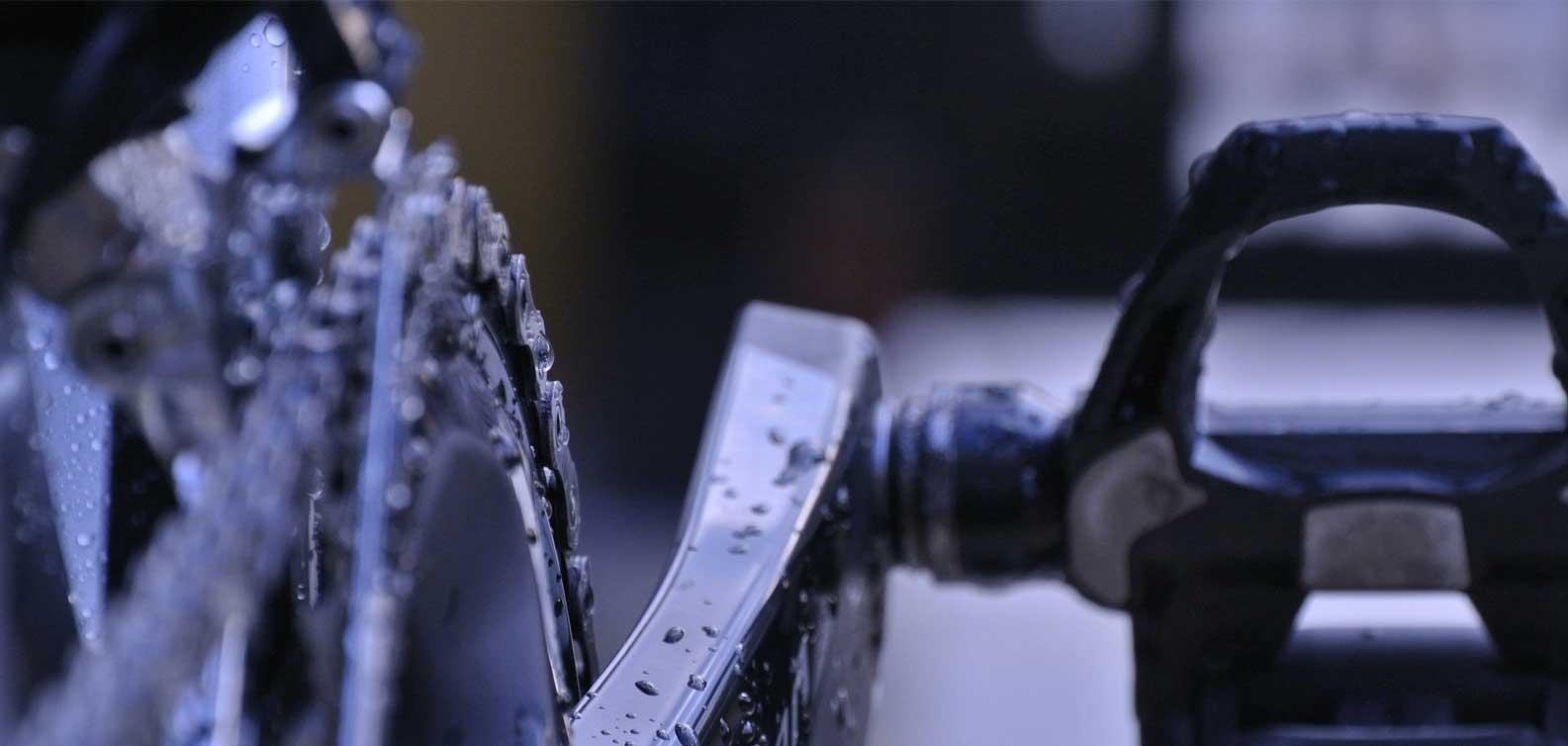
If there’s one adage that holds true more than ever, India is getting hotter by the day, and the roads are getting busier. So yeah, there is no doubt that how your motorcycle handles heat is more important than ever. Daily commuters who navigate urban chaos or weekend riders who push limits on highways need to adapt to it via adequate engine cooling systems.
These play a strong, critical role in performance, longevity, and rider comfort. And if you’re a biking/two-wheeler enthusiast in the country, you need to be aware of them. If you’ve been googling ‘liquid cooled bikes in India’ or have been wondering about ‘air cooled vs liquid cooled bike engine’ a lot, give that a rest. Our blog will take you through all the topics.
So let’s start exploring.
What Is a Liquid-Cooled Engine?
Let’s break the science down: liquid-cooled engines use a closed-loop radiator system with coolant (usually a water-glycol mix) that circulates around the engine. This coolant absorbs heat and dissipates it through a radiator with the help of a fan. What are some of the benefits?
- Consistent engine temperatures
- Higher rev limits
- Better performance under stress
They’re the default choice in high-performance motorcycles for this reason.
What Is an Air-Cooled Engine?
Air-cooled engines rely on metal fins and airflow to radiate heat away from the engine block. Why they are simpler and lighter, they struggle in prolonged traffic or high-load scenarios. They can often overheat if airflow is obstructed.
- Air-cooled engines have lower cost and weight
- Air-cooled engines also require minimal maintenance
What Is an Oil-Cooled Engine?
Oil-cooled engines are a hybrid system, using engine oil both as a lubricant and as a heat transfer medium. Oil is routed through an external oil radiator, offering better cooling than air alone.
- Oil-cooled engines sit between air-cooled and liquid-cooled in terms of complexity.
- Oil-cooled engines improve sustained performance over time. It’s a popular middle ground for bikes in the 150-250 cc segment.
Air-Cooled vs. Liquid-Cooled: Key Performance Comparisons
i. Power & RPM
Liquid-cooled bikes tend to rev higher and output more horsepower. Air-cooled models, while torquey at low RPMs, can’t sustain high-rev performance for long.
ii. Heat Management
Liquid cooling keeps the engine temperature stable even in peak summer or stop-and-go traffic. Air-cooled engines can run hot and suffer in Indian metro conditions.
iii. Maintenance
Air-cooled engines are simpler: no coolant to check or hoses to replace. But liquid-cooled bikes need coolant changes, fan checks, and more care.
iv. Weight & Complexity
- Air-cooled: Lightest, most compact
- Liquid-cooled: Heaviest, with radiator and coolant system
- Oil-cooled: Balanced in weight and complexity (Source: SlashGear)
Top Liquid-Cooled Bikes in India
1. Under ₹1 Lakh: The Budget Challenge
i. Yamaha R15 V4
- 155 cc | 18.4 PS | 142 kg
- Ex-showroom: ₹1.85 L
- Sharp styling and race-ready ergonomics
Even though it’s slightly above ₹1L, it’s the closest liquid-cooled engine bike under ₹1 lakh in India.
ii. Bajaj Pulsar NS200
- 199.5 cc | 24.5 PS | 156 kg
- Liquid-cooled with streetfighter design
Ideal for riders looking to upgrade to sportier machines.
2. ₹1L – ₹2 Lakh: Mid-Range Picks
i. KTM 200 Duke
- 199.5 cc | 25 PS
- Known for its aggressive ride and premium build
ii. (For Contrast) Honda CB350RS
- 348.36 cc | 20.8 PS
- Air-cooled but often cross-shopped; useful for comparison
3. Above ₹2 Lakh – Premium Liquid-Cooled Models
i. Bajaj Dominar 400
- 373.3 cc | 40 PS | Touring-focused
- Liquid-cooled with dual-channel ABS
ii. KTM 390 Duke
- 373.2 cc | 43 PS | Lightweight, aggressive naked bike
iii. Triumph Trident 660
- 660 cc | 81 PS | For performance purists
4. 149 cc Liquid-Cooled Bikes List
Although many in this segment are air-cooled or oil-cooled, the standout is:
i. Yamaha R15 V4
- Technically 155 cc but functionally dominates the 149–159 cc liquid-cooled category in India.
Globally, smaller capacity liquid-cooled bikes exist (e.g., KTM 125 Duke), but they’re not widely available domestically.
Oil-Cooled Engine Bikes in India
Looking for middle-ground performance and cooling? These oil-cooled options offer a solid value:
i. Bajaj Pulsar 150
- 149 cc | 14 PS | Oil-cooled head
- One of India’s best-selling bikes for a reason. (Wikipedia)
ii. Bajaj Avenger Street 160
- 160 cc | 15 PS | Cruiser comfort with oil-cooled efficiency
iii. TVS Ronin 225
- 225 cc | 19.4 PS | Note: Liquid-cooled, included here for comparison
Liquid-Cooled vs Oil-Cooled vs Air-Cooled: What Should You Choose?
1. Choose Liquid-Cooled If…
- You ride in hot traffic often
- You plan highway or track use
- Performance is a top priority
2. Choose Oil-Cooled If…
- You want better heat handling than air-cooled without full complexity
- You ride longer distances regularly but don’t need race-spec power
3. Choose Air-Cooled If…
- Your riding is mostly city-based
- You prefer low maintenance
- Budget and simplicity are key
The Reality Check Behind “Liquid-Cooled Bikes Under ₹1 Lakh”
To be honest, these bikes are pretty much part of a premium segment. The phrase liquid-cooled engine bikes under ₹1 lakh are rare to non-existent in India. The Yamaha R15 V4, at ~₹1.85 lakh, is the closest affordable option offering full liquid-cooling.
Now that we’ve dealt with that. Let’s take on some frequently asked questions.
Frequently Asked Questions
Q1. Are there 149 cc liquid-cooled bikes in India?
Only the Yamaha R15 V4 (155 cc) qualifies. No sub-150 cc liquid-cooled bikes are currently offered in the Indian market.
Q2. What’s the benefit of oil-cooled engines?
They improve heat rejection over air-cooled systems without needing a full coolant circuit, making them ideal for mid-range riders.
Q3. How does liquid cooling affect fuel efficiency?
Liquid cooling improves thermal efficiency and engine longevity under load. However, it adds weight, and mileage gains vary by model.
Conclusion
Cooling technology can be a make-or-break feature in a bike, more so in India’s intense climate. If you prioritise performance and heat stability, liquid-cooled bikes are the way to proceed. If you want something more balanced, oil-cooled engines offer a smart compromise. Air-cooled bikes are better for simple, no-frills riding.
Whoever you are, make sure to make the correct choice based on your riding style, climate, and budget. The right engine cooling system will keep your ride and confidence cool all year round.
Want to gain an in-depth insight? Contact Ecozaar to know more.
Based on 6 ratings

Tanushree (Author)
Tanushree is a dynamic business strategist with a knack for driving innovation in startups, especially in Fintech and Edtech. With 9 years of work-ex, an IT engineer from MIT Pune, & a MBA from IIM Bangalore (Marketing & Business Strategy), she’s got the mix of analytical and creative problem-solving.
Read more
Related Blogs
Popular articles are selected from the same backend blog feed.

Best Bikes Under 1 Lakh in India: Price, Mileage & Low-Maintenance Commuters
Compare the best bikes under ₹1 lakh in India by price, real-world mileage, maintenance and safety — from sub-₹60k commuters to 125cc options near ₹1 lakh.
Best Bikes Under 2 Lakh in India: Streetfighters, Cruisers & All-Rounders
Compare the best bikes under ₹2 lakh in India: verified ex-showroom prices, real-world mileage, ABS and hardware, and which model fits your budget.
Best Sports Bikes Under 5 Lakh in India: Track Bikes, Supersports & Top Speed Comparison
Compare the best sports bikes under ₹5 lakh in India by 0–100 km/h, GPS top speed, track ability, electronics, mileage and ownership costs.
Best Electric Scooters Under 1 Lakh in India: Real-World Range, Subsidy & Price List
Compare the best electric scooters under ₹1 lakh by real-world range, battery size, charging, PM E-DRIVE benefits, running cost, build quality and family practi
Best Low-Cost Electric Scooters Under ₹40,000–₹50,000: Non-RTO & Budget Commuters
Compare low-cost electric scooters under ₹40,000–50,000 by price, range, battery type, charging, non-RTO rules, running cost and practical ownership risks.
Best 110cc–125cc Family Commuter Scooters in India: Mileage, Comfort & Price Comparison
Compare the best 110cc and 125cc scooters in India by price, real-world mileage, comfort, storage, braking, running cost and the value of upgrading to 125cc.
Best 150cc–160cc Bikes in India: Mileage, Price, Specs & Performance
Compare India's best 150cc–160cc bikes on mileage, price, power, braking and comfort — Pulsar N160, Apache RTR 160 4V, Xtreme 160R, FZ-S and more.
Best 200cc–250cc Performance Bikes in India: Power, Mileage & Highway Cruising
Compare India's best 200cc–250cc bikes on power-to-weight, real-world mileage, highway cruising and price, with the 200cc and 250cc classes covered together.