What is a Flex Fuel Vehicle? Pros, Cons, and Car List in India
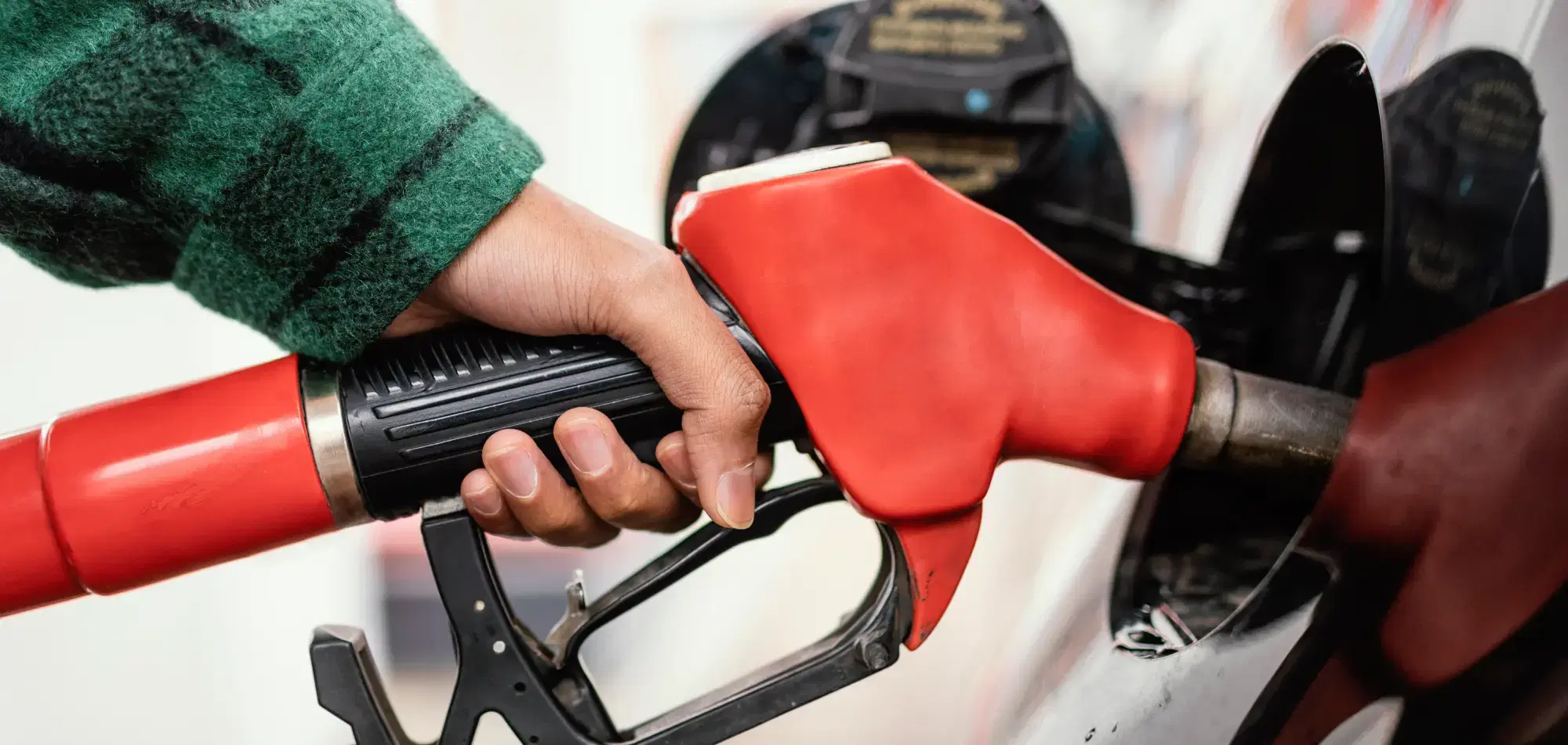
As India continues to accelerate towards green mobility and reduces its dependency on petrol and diesel, flex fuel vehicles continue to come at the fore to become a major talking point in the automotive industry. As the government continues to push ethanol blending targets, manufacturers continue to prepare E85- compatible models in the market. It’s at this point in time that flex fuel vehicles in India are expected to play a critical role in the country’s green transition.
But before taking a deep dive. Let’s understand what exactly they are first. So, as the question goes: What is a flex fuel vehicle?
To put it simply, a Flex Fuel Vehicle FFV) is an automobile equipped with an internal combustion engine that can run on more than one type of fuel. Typically, it is a blend of petrol and ethanol, such as E20 and E85.
Flex fuel vehicles, unlike traditional ICE vehicles, can automatically detect fuel blends and optimize their engine performance accordingly. It’s this quality that makes them special.
Let’s explore them in more detail.
What is a Flex Fuel Engine and How Does it Work?
Let’s continue to move forward. We spoke about flex fuel vehicles’ automatic detection capabilities. But how does that happen? Through flex fuel engines.
Here’s the gist: A flex fuel engine is specially engineered and designed to operate on various ethanol and petrol blends, without affecting performance or reliability. That’s what it is.
So, how do flex fuel vehicles differ from ICE vehicles in that regard? Due to their capacity to seamlessly adapt to different fuel compositions ranging from pure petrol to high ethanol blends like E85.
A flex fuel engine is designed to continuously monitor the fuel ratio and, likewise, modify combustion settings in real time to ensure optimal efficiency. It’s that simple.
What is Flex Fuel Made Of?
Now we come to the topic of flex fuel itself. And the question becomes: What is flex fuel made of?
The answer (as described at the top) is that flex fuel is generally a blend of petrol and bio-ethanol.
What is ‘bio-ethanol’? It is an alcohol-based renewable fuel that is produced from agricultural feedstock and by-products like sugarcane, corn, bamboo biomass, etc.
India’s ethanol program, as reported by Fortune India, is largely supported by sugarcane and grain-based production. This plays a part in reducing its overall dependence on imported crude oil.
The ethanol is mixed with standard petrol in different concentrations, such as:
- E10 → 10% ethanol
- E20 → 20% ethanol
- E85 → 85% ethanol
The higher the ethanol percentage, the lower the reliance on conventional fossil fuels.
What is the Technology Behind Flex-Fuel Engines?
According to Maruti Suzuki’s official prototype documentation, FFVs use upgraded fuel systems like heated fuel rails, ethanol sensors, upgraded fuel injectors, and modified engine management systems.
These typically include:
- Specialized fuel lines and seals resistant to ethanol corrosion
- Modified fuel injectors
- Ethanol-compatible fuel tanks and pipes
- Additional sensors and ECU calibration
The sensor measures the ethanol-to-petrol ratio in the fuel tank. Based on this reading, the ECU dynamically adjusts:
- Fuel injection timing
- Air-fuel mixture
- Ignition timing
- Combustion parameters
Flex fuel vehicles are able to maintain reliability and performance due to this automatic tuning.
Why are Flex Fuel Vehicles Being Pushed in India?
The growing adoption of flex fuel vehicles in India is driven by both environmental and economic priorities, as reported y Fortune India.
Why is that important? Because it can reduce India’s foreign exchange outflow while simultaneously supporting India’s agriculture and renewable fuel systems. It can go a long way towards reducing the need to import our crude oil demands per year.
Ethanol-blended fuels also emit fewer greenhouse gases compared to conventional petrol, so that’s an added advantage. All in all, it’s a major net positive.
What are the Government E20 and E85 Mandates Regarding Flex Fuels?
Let’s keep this simple. In 2026, India officially accelerated the rollout of E20 fuel nationwide as part of its ethanol blending roadmap.
Why? Here’s what the government is up to: It is preparing future policies around E85 and even E100 fuels to expand flex fuel vehicles in India across the automotive ecosystem.
So what are the broader goals of these policies? These include:
- Reduce overall crude oil imports
- Lower total foreign currency expenditure
- Support domestic ethanol production
- Cut greenhouse gas emissions
- Strengthen energy security
As a result, several automakers have already begun developing vehicles compatible with E20 to E85 blends in anticipation of future regulations. To keep in line with the overall government activity.
What are the Pros and Cons of Flex Fuel Vehicles?
Rule of life: It’s always better to be an informed buyer, rather than one who makes purchasing decisions based on whims. It’s absolutely essential to understand what benefits/limitations there are to FFVs. Looking to understand all the important flex fuel vehicle pros and cons? Let’s get started.
What are the Advantages of Flex Fuel Vehicles?
1. They are Eco-Friendly
Controlling vehicle emissions is one of the biggest priorities in India, so of course, that’s important. Flex fuel vehicles, put simply, have a significantly lower environmental impact. Why? Because Ethanol burns cleaner than petrol and can reduce greenhouse gas emissions and carbon monoxide output. Also, when we talk about ‘Bio-Ethanol’, it is also mostly produced from renewable agricultural sources.
2. They are Cheaper at the Pump
Ethanol-blended fuels are generally cheaper than pure petrol because ethanol is domestically produced and less dependent on global crude oil prices. Since price is more often than not, the most important consideration among Indian vehicle buyers, this kind of detail matters a lot.
3. Better Performance Potential
Ethanol has a higher octane rating than petrol, which can improve combustion characteristics and deliver slightly improved throttle response and torque in optimized engines, as noted by Maruti Suzuki
What are the Disadvantages?
Are there any disadvantages to using flex fuel vehicles? For full transparency’s sake: Of course there are.
Here are the most relevant flex fuel vehicle disadvantages both existing (and aspiring) vehicle owners should be aware of:
1. Lower Fuel Economy
Facts: Ethanol contains less energy than petrol. What does this mean? Flex fuel vehicles running on high ethanol blends usually deliver lower mileage. As Reuters reported, industry professionals suggest that E20 can reduce fuel efficiency by around 2-6%, while higher blends like E85 may result in more noticeable drops.
2. Hygroscopic Nature of Ethanol
Ethanol also has a hygroscopic nature. Which means it naturally absorbs moisture from the atmosphere. This can lead to conventional fuel systems being corroded, more so if the vehicle is not specifically designed for ethanol blends. Therefore, FFVs often use ethanol-resistant materials and specialized fuel components.
Flex Fuel Vehicles Pros and Cons
Here’s a table that lists the pros and cons side-by-side.
| Pros | Cons |
| Lower greenhouse gas emissions | Lower mileage compared to petrol |
| Reduced crude oil dependency | Ethanol absorbs moisture |
| Potentially cheaper fuel | Requires specialized fuel system parts |
| Supports the agricultural economy | Fuel infrastructure is still developing |
| Higher octane rating | Long-term savings may vary |
Flex Fuel Vehicles List in India (2026 Updates)
Here is a list of the upcoming flex fuel vehicles in India. It includes several manufacturers preparing their E20 and E85-compatible products.
Maruti Suzuki
Maruti Suzuki showcased India’s first mass-market flex fuel prototype based on the Wagon R. It is capable of operating on blends that range from E20 to E85. During FY26, it is also planning to launch more mass-market vehicle models that can accommodate flex fuels.
Flex Fuel Vehicles Honda Updates
Honda has been proactive in introducing flex fuel technology in select global motorcycle markets and continues to actively evaluate higher ethanol compatibilities for the Indian market. Honda vehicles manufactured after 2009 are also officially compatible with E20 fuel, according to official reports.
Toyota and Mahindra
Toyota has showcased E85-compatible prototypes and continues to explore hybrid-flex fuel combinations for India. The most prominent examples include: Mahindra & Mahindra showcasing the XUV 3XO Flex Fuel at the Bharat Mobility Global Expo 2025.
Frequently Asked Questions
Q. Can a normal car run on flex fuel?
Some can, but not all. Most standard petrol cars can accommodate E10, and most modern vehicles are also compatible with E20. However, E85 requires vehicles to have specialized fuel lines, seals, and injectors. They can cause corrosion, seal degradation, and other long-term issues.
Q. What is the difference between E20 and flex fuel?
E20 is a flex fuel. There’s no difference. It is a subset. In fact, E20 is a fixed fuel blend containing 20% ethanol and 80% petrol. Flex fuel vehicles are designed to automatically operate on multiple blends.
Q. Does flex fuel damage your engine?
No, flex fuel does not damage engines specifically engineered for ethanol compatibility. FFVs use corrosion-resistant materials and modified fuel systems to safely handle high ethanol blends. If a vehicle is properly designed for flex fuels, then there should be no issue.
Q. Is flex fuel cheaper than petrol in India?
Per litre? Yes. Ethanol-blended fuels are generally cheaper because ethanol is produced domestically. It also delivers lower fuel economy and has an overall running cost advantage that can vary according to conditions.
Q. Are Honda cars E20 compatible?
Yes. Honda vehicles manufactured after 2009 are considered E20 compatible for the Indian market. The company is also looking to explore broader categories of flex fuel technologies that are future-ready for the Indian vehicle market.
Conclusion
India’s transition towards green mobility continues to march on. And higher adoption of ethanol-based fuel provides the ideal bridge between existing ICE vehicle owners and future EV adoption—in one of the world’s biggest automobile markets. Ultimately, for both businesses and individuals, it’s about building a smarter, more sustainable mobility ecosystem that reduces emissions and lowers dependence on imported crude oil.
At Ecozaar India, the focus remains on enabling this transition through future-ready mobility solutions designed around sustainability, innovation, and operational efficiency.
Based on 1 rating

Najmus (Author)
Najmus leads content and SEO at Ecozaar, building trustworthy guides on electric two-wheelers, RTO processes, and green finance in India. With 8+ years in technical and editorial SEO, he turns complex regulations and specs into practical, citation-backed explainers. His work combines schema, CWV, and clear sourcing to help readers make confident, real-world decisions.
Read more
Related Blogs
Popular articles are selected from the same backend blog feed.


Best Bikes Under 1 Lakh in India: Price, Mileage & Low-Maintenance Commuters
Compare the best bikes under ₹1 lakh in India by price, real-world mileage, maintenance and safety — from sub-₹60k commuters to 125cc options near ₹1 lakh.
Best Bikes Under 2 Lakh in India: Streetfighters, Cruisers & All-Rounders
Compare the best bikes under ₹2 lakh in India: verified ex-showroom prices, real-world mileage, ABS and hardware, and which model fits your budget.
Best Sports Bikes Under 5 Lakh in India: Track Bikes, Supersports & Top Speed Comparison
Compare the best sports bikes under ₹5 lakh in India by 0–100 km/h, GPS top speed, track ability, electronics, mileage and ownership costs.

Best Electric Scooters Under 1 Lakh in India: Real-World Range, Subsidy & Price List
Compare the best electric scooters under ₹1 lakh by real-world range, battery size, charging, PM E-DRIVE benefits, running cost, build quality and family practi
Best Low-Cost Electric Scooters Under ₹40,000–₹50,000: Non-RTO & Budget Commuters
Compare low-cost electric scooters under ₹40,000–50,000 by price, range, battery type, charging, non-RTO rules, running cost and practical ownership risks.

Best 110cc–125cc Family Commuter Scooters in India: Mileage, Comfort & Price Comparison
Compare the best 110cc and 125cc scooters in India by price, real-world mileage, comfort, storage, braking, running cost and the value of upgrading to 125cc.

Best 150cc–160cc Bikes in India: Mileage, Price, Specs & Performance
Compare India's best 150cc–160cc bikes on mileage, price, power, braking and comfort — Pulsar N160, Apache RTR 160 4V, Xtreme 160R, FZ-S and more.

Best 200cc–250cc Performance Bikes in India: Power, Mileage & Highway Cruising
Compare India's best 200cc–250cc bikes on power-to-weight, real-world mileage, highway cruising and price, with the 200cc and 250cc classes covered together.