EVs vs. Petrol: Who’s Really Winning Your Wallet?
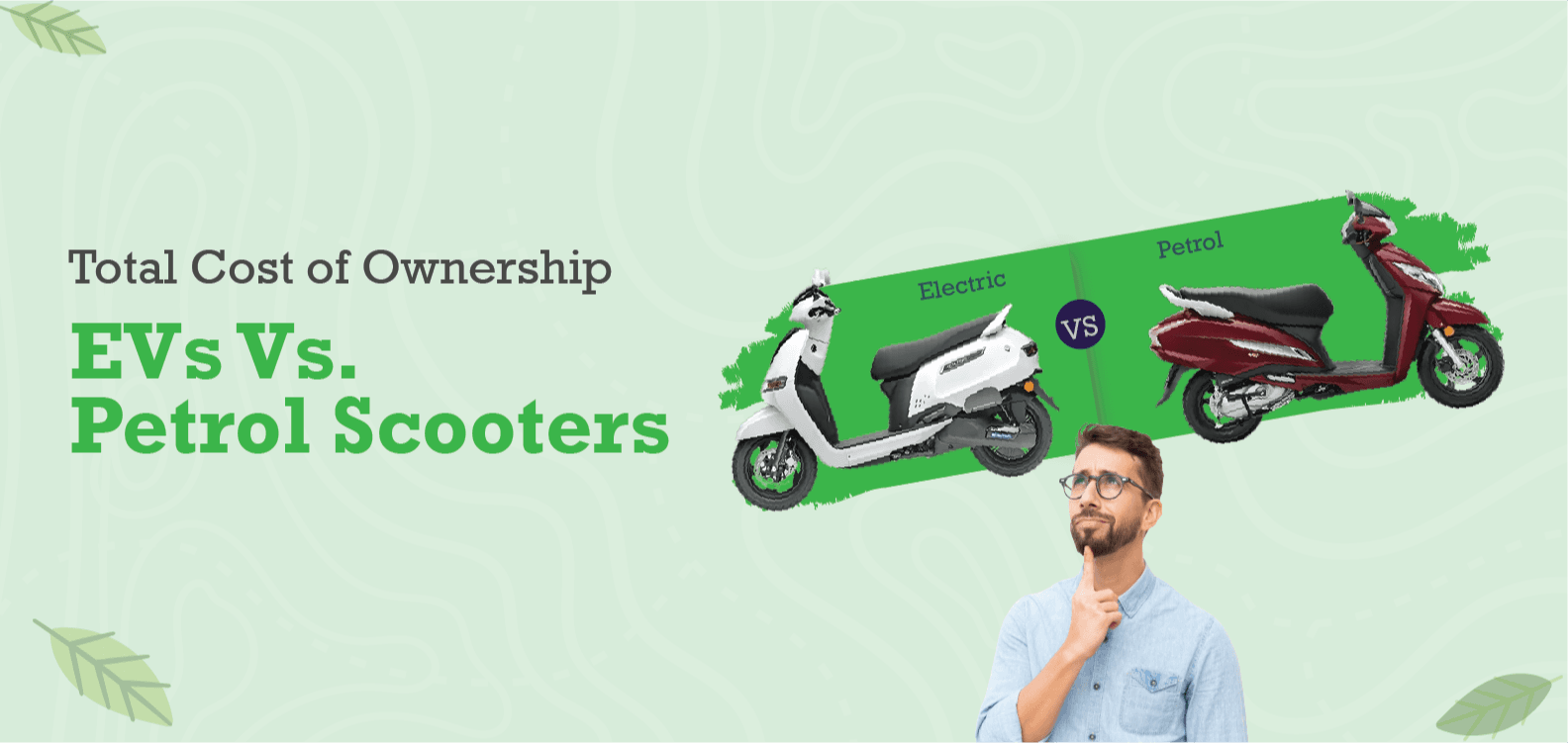
By 2030, the Indian government aims for 30% of vehicles to be electric, boosting demand and affordability. As India continues its transition towards sustainable transportation, one of the most pressing questions for commuters is: “What’s the real cost of owning an electric two-wheeler compared to a petrol scooter?” This article explores the total cost of ownership (TCO) of two-wheeler electric vehicles (EVs) compared to conventional petrol scooters.
With rising fuel prices and growing environmental awareness, the shift from petrol-powered vehicles to EV two wheelers in India is gaining momentum. However, potential buyers often face the challenge of understanding the long-term financial implications. Let’s break down the various factors influencing the total cost of ownership for both options.
This is a test praragraph
This is a test praragraph – click here to go to the other blog
Read More
The Total Cost of Ownership Explained
The total cost of ownership (TCO) refers to the complete cost of owning and operating a vehicle over its entire lifespan, including initial purchase price, maintenance, fuel, insurance, and depreciation. For two-wheeler EVs, TCO is a crucial factor in their adoption, as many still perceive electric vehicles as expensive compared to their petrol counterparts.
The 5 Key Cost Elements
1. Initial Purchase Price
The upfront cost of an EV two-wheeler is generally higher than that of a petrol scooter. On average, an electric scooter in India can cost anywhere from ₹80,000 to ₹1.8 lakh, while a petrol scooter can be priced between ₹60,000 and ₹1 lakh.
However, government incentives such as the FAME II scheme and state subsidies have significantly reduced the price gap in recent years. This makes the initial cost of EV two-wheelers more affordable than ever.
2. Fuel Costs: EV vs Petrol
One of the most significant advantages of electric two-wheelers over petrol scooters is the fuel cost. The running cost of an electric scooter is incredibly low in comparison to petrol.
According to the Ministry of Heavy Industries & Public Enterprises, the average running cost for an electric two-wheeler is about ₹0.20 per kilometer, whereas a petrol scooter typically costs around ₹0.60 to ₹0.70 per kilometer.
This means that the average commuter could save up to 70% on fuel costs by choosing an EV two-wheeler over a petrol scooter. Considering a daily commute of 30 km, this translates to a monthly fuel saving of up to ₹600 for electric vehicle owners.
3. Maintenance Costs
Electric vehicles require less maintenance than petrol scooters because they have fewer moving parts. EVs don’t need oil changes, and the braking system tends to last longer due to regenerative braking. According to various sources, the annual maintenance cost for an electric two-wheeler can be around ₹1,500 to ₹2,000, while for a petrol scooter, it may range from ₹3,000 to ₹4,000.
In the long run, the reduced maintenance cost of EVs can contribute to significant savings, making them a more economical choice for everyday use.
4. Battery Replacement
While the running and maintenance costs of EVs are lower, battery replacement remains one of the higher costs over the vehicle’s lifespan. The average cost for a battery replacement in an electric scooter can range from ₹15,000 to ₹25,000 after 3-5 years, depending on the model.
However, many manufacturers offer warranties on batteries for up to 3-5 years, and newer technology is making batteries more affordable and longer-lasting.
5. Depreciation and Resale Value
EVs generally experience slower depreciation than petrol scooters. While both types of vehicles lose value over time, the resale value of an electric scooter is typically higher due to the growing demand for EV two wheelers in India. This is particularly true as more consumers are becoming aware of the long-term savings and environmental benefits of electric mobility.
Why TCO Should Matter to You?
Understanding EV vs petrol in terms of total cost of ownership helps make an informed decision. While the upfront cost of EVs may be slightly higher, the savings over the vehicle’s lifetime through lower fuel and maintenance costs make them an attractive choice.
Moreover, with government initiatives promoting the adoption of electric vehicles, the shift towards EVs is likely to accelerate.
Based on 0 ratings


Related Blogs
Popular articles are selected from the same backend blog feed.

Best Bikes Under 1 Lakh in India: Price, Mileage & Low-Maintenance Commuters
Compare the best bikes under ₹1 lakh in India by price, real-world mileage, maintenance and safety — from sub-₹60k commuters to 125cc options near ₹1 lakh.
Best Bikes Under 2 Lakh in India: Streetfighters, Cruisers & All-Rounders
Compare the best bikes under ₹2 lakh in India: verified ex-showroom prices, real-world mileage, ABS and hardware, and which model fits your budget.
Best Electric Scooters Under 1 Lakh in India: Real-World Range, Subsidy & Price List
Compare the best electric scooters under ₹1 lakh by real-world range, battery size, charging, PM E-DRIVE benefits, running cost, build quality and family practi
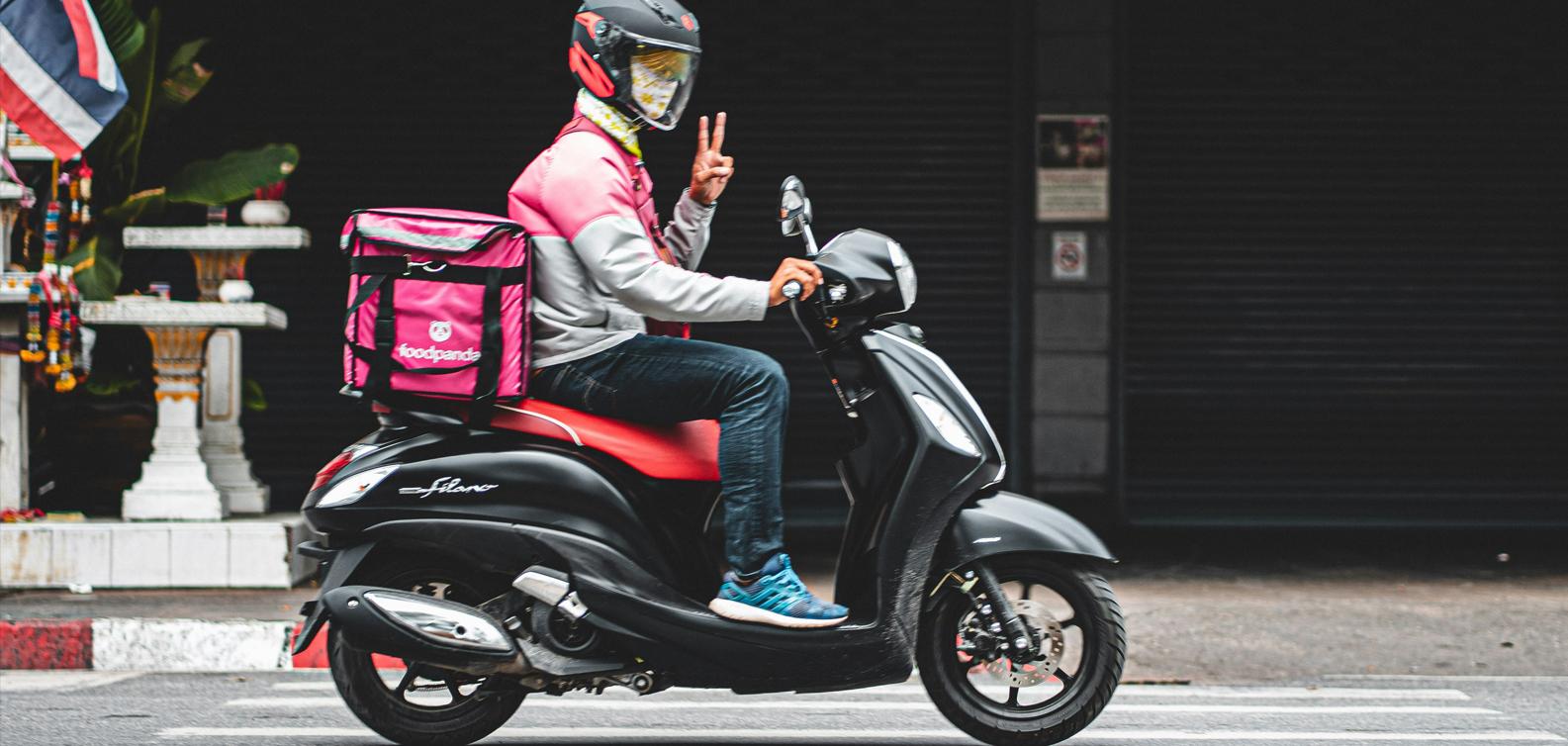
Best Low-Cost Electric Scooters Under ₹40,000–₹50,000: Non-RTO & Budget Commuters
Compare low-cost electric scooters under ₹40,000–50,000 by price, range, battery type, charging, non-RTO rules, running cost and practical ownership risks.
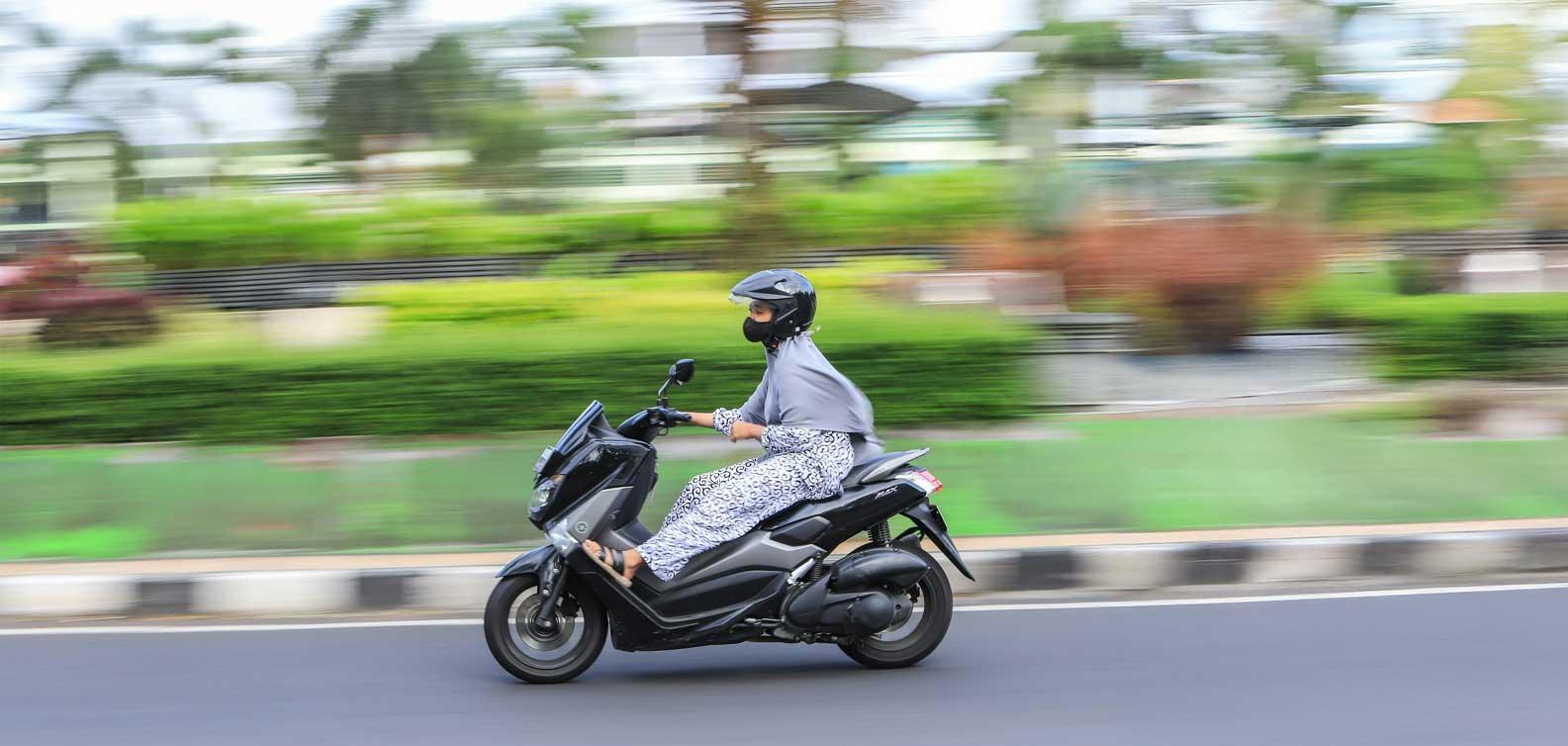
Best 110cc–125cc Family Commuter Scooters in India: Mileage, Comfort & Price Comparison
Compare the best 110cc and 125cc scooters in India by price, real-world mileage, comfort, storage, braking, running cost and the value of upgrading to 125cc.
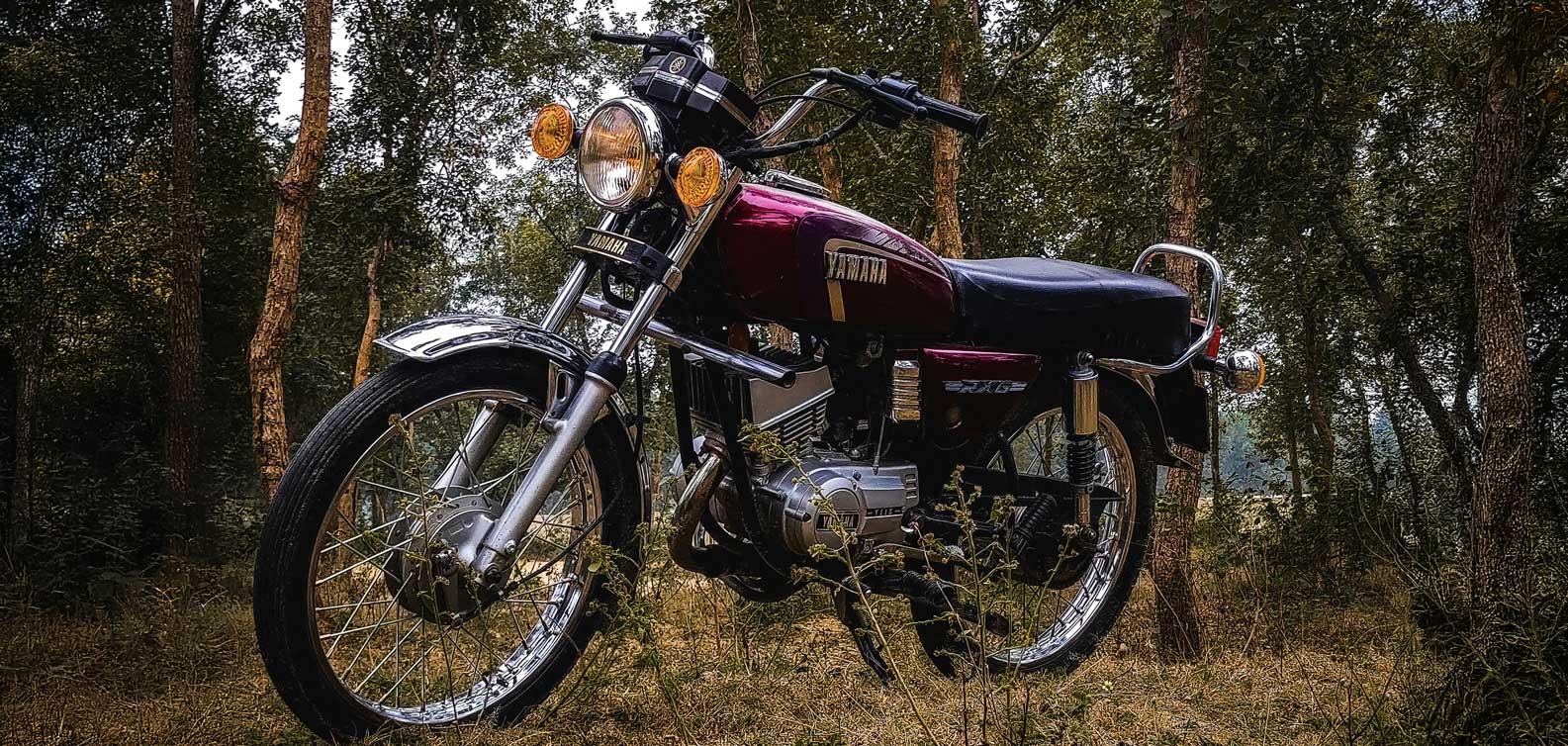
Best 150cc–160cc Bikes in India: Mileage, Price, Specs & Performance
Compare India's best 150cc–160cc bikes on mileage, price, power, braking and comfort — Pulsar N160, Apache RTR 160 4V, Xtreme 160R, FZ-S and more.
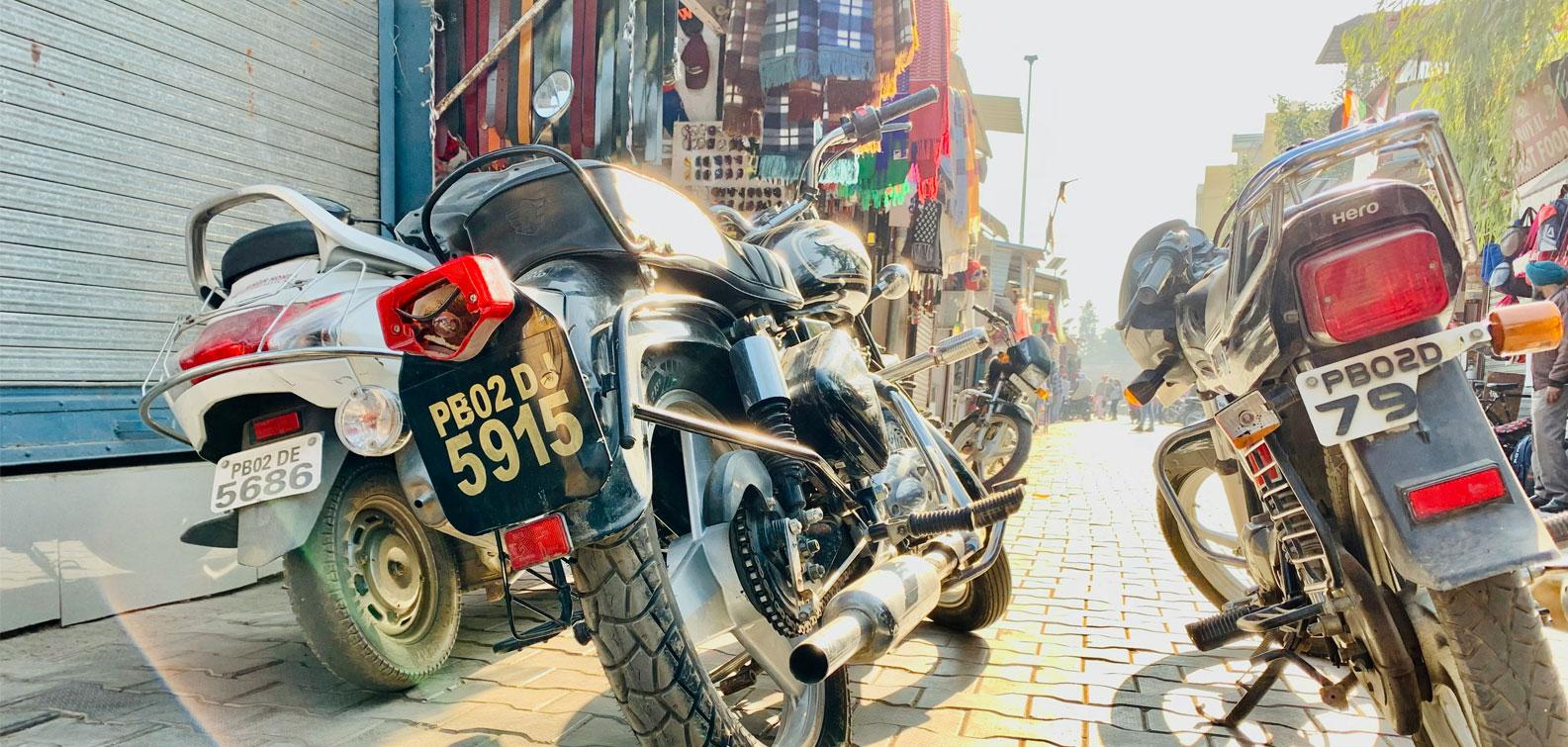
Best 200cc–250cc Performance Bikes in India: Power, Mileage & Highway Cruising
Compare India's best 200cc–250cc bikes on power-to-weight, real-world mileage, highway cruising and price, with the 200cc and 250cc classes covered together.
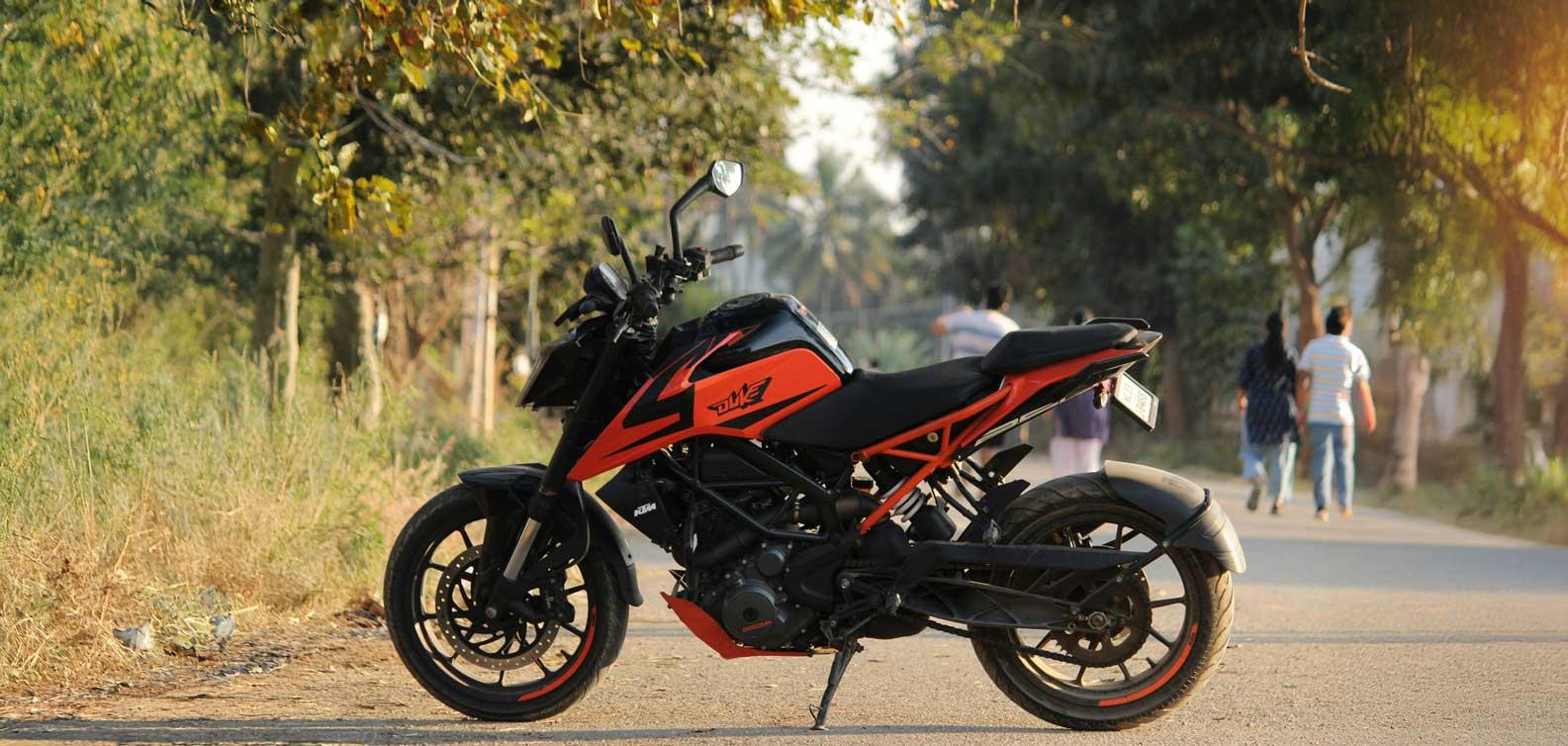
Best 350cc–500cc Bikes in India: Royal Enfield, Triumph & Mid-Capacity Classics
Compare Royal Enfield, Triumph, Harley-Davidson, KTM and Bajaj bikes from 349cc to 452cc on real price, power, mileage and highway comfort in India.