Two-Wheeler EVs: Safe Ride or Risky Business?
As electric vehicles (EVs) gain traction in India, two-wheeler EVs are leading the surge, given their affordability and suitability for city commutes. However, safety remains a critical concern. While the government has introduced various safety standards, incidents related to battery fires and component failures continue to make headlines, raising questions about how rigorous these safety standards are.
With electric two-wheelers comprising over 60% of the total electric vehicle (EV) market in India as of March 2023, understanding the extent of safety measures is essential for consumers and the industry alike. This article delves into India’s evolving electric vehicle safety standards, focusing specifically on the protocols used to test electric scooters and ensure their reliability.
1. Current Safety Standards for Electric Two-Wheelers
India has established several guidelines under the Automotive Industry Standards (AIS) and Bureau of Indian Standards (BIS) to address electric vehicle safety. However, these standards are still evolving, with updates frequently implemented to meet the growing demands and challenges of the EV market.
Battery Testing and Thermal Management
One core focus of EV testing revolves around the battery, given that it powers the vehicle and poses potential safety risks if not adequately secured. AIS 156, for instance, mandates specific tests to evaluate battery performance, thermal stability, and resistance to extreme temperatures. These tests help manufacturers identify weaknesses that could lead to battery overheating—a key cause of EV fires.
Braking and Impact Resistance
To test electric scooters, the standards also require assessments of braking efficiency, impact resistance, and structural durability. Since two-wheelers lack the protective shell of a car, safety relies heavily on components like brakes, suspension, and frame integrity. The Indian government enforces compliance with safety parameters specific to electric vehicles, such as battery testing, thermal management, and electrical system integrity, to prevent accidents caused by issues like battery overheating or electrical failures.
2. Road Testing Protocols: Do They Ensure Reliability?
Road testing is another crucial aspect of electric vehicle safety in India. A vehicle’s on-road behavior under different conditions, such as heavy traffic and varying terrains, is tested to ensure safety and durability.
This is a test praragraph
This is a test praragraph – click here to go to the other blog
Read More
Simulating Real-World Conditions
Road tests for electric two-wheelers simulate real-world scenarios, evaluating how the vehicle performs under pressure. These tests include checks on acceleration, braking, and energy consumption over extended periods. For instance, testing a scooter’s battery performance under frequent starts and stops mimics city traffic patterns, ensuring that the EV can withstand urban commuting demands.
Battery Endurance and Range Testing
Range testing is conducted to provide accurate estimates of how long the vehicle can operate on a single charge. Consumers rely heavily on range expectations, especially given the limited charging infrastructure in some areas. By rigorously testing battery endurance, manufacturers aim to prevent situations where users are stranded due to premature battery drainage.
3. Addressing Key Safety Concerns in Indian EVs
While safety standards for electric two-wheelers are increasingly stringent, a few key concerns continue to challenge the industry.
Battery Quality and Manufacturing Oversight
Despite regulations, there is variability in battery quality among manufacturers. Premium EV brands may implement additional testing measures, but low-cost manufacturers sometimes skip or minimize essential testing due to high production costs. This disparity can lead to a lack of consistency in safety across brands, which is concerning for consumers.
Regulatory Gaps and Enforcement
Although standards exist, their enforcement can be inconsistent. There is also a lack of public awareness around these standards. According to the Ministry of Road Transport and Highways, initiatives are underway to increase compliance monitoring and improve testing facilities. However, these changes are gradual, and the onus often falls on manufacturers to maintain stringent internal standards.
4. What’s Next for Two-Wheeler EV Safety?
The government is taking significant steps to improve electric vehicle safety. New guidelines are in the pipeline to mandate more robust testing for all EV manufacturers, regardless of their size. Experts also suggest that India might adopt international testing standards to match global benchmarks and better prepare EVs for extreme Indian weather conditions.
Increased consumer awareness can also drive safety improvements. As consumers become more knowledgeable about how manufacturers test electric scooters, they can make more informed purchase decisions, encouraging manufacturers to prioritize safety features to stay competitive.
Based on 0 ratings


Related Blogs
Popular articles are selected from the same backend blog feed.


Best Bikes Under 1 Lakh in India: Price, Mileage & Low-Maintenance Commuters
Compare the best bikes under ₹1 lakh in India by price, real-world mileage, maintenance and safety — from sub-₹60k commuters to 125cc options near ₹1 lakh.
Best Bikes Under 2 Lakh in India: Streetfighters, Cruisers & All-Rounders
Compare the best bikes under ₹2 lakh in India: verified ex-showroom prices, real-world mileage, ABS and hardware, and which model fits your budget.
Best Electric Scooters Under 1 Lakh in India: Real-World Range, Subsidy & Price List
Compare the best electric scooters under ₹1 lakh by real-world range, battery size, charging, PM E-DRIVE benefits, running cost, build quality and family practi
Best Low-Cost Electric Scooters Under ₹40,000–₹50,000: Non-RTO & Budget Commuters
Compare low-cost electric scooters under ₹40,000–50,000 by price, range, battery type, charging, non-RTO rules, running cost and practical ownership risks.
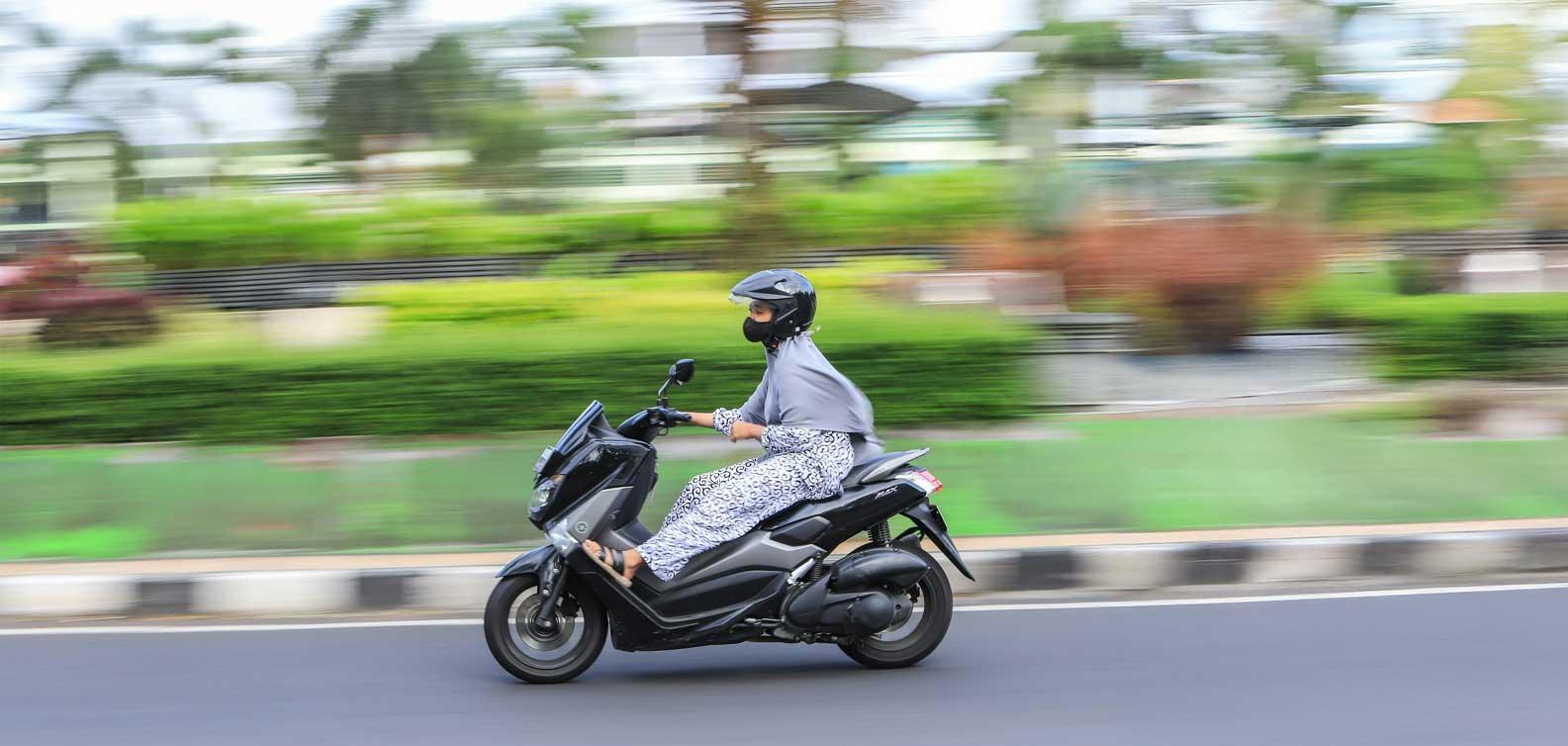
Best 110cc–125cc Family Commuter Scooters in India: Mileage, Comfort & Price Comparison
Compare the best 110cc and 125cc scooters in India by price, real-world mileage, comfort, storage, braking, running cost and the value of upgrading to 125cc.
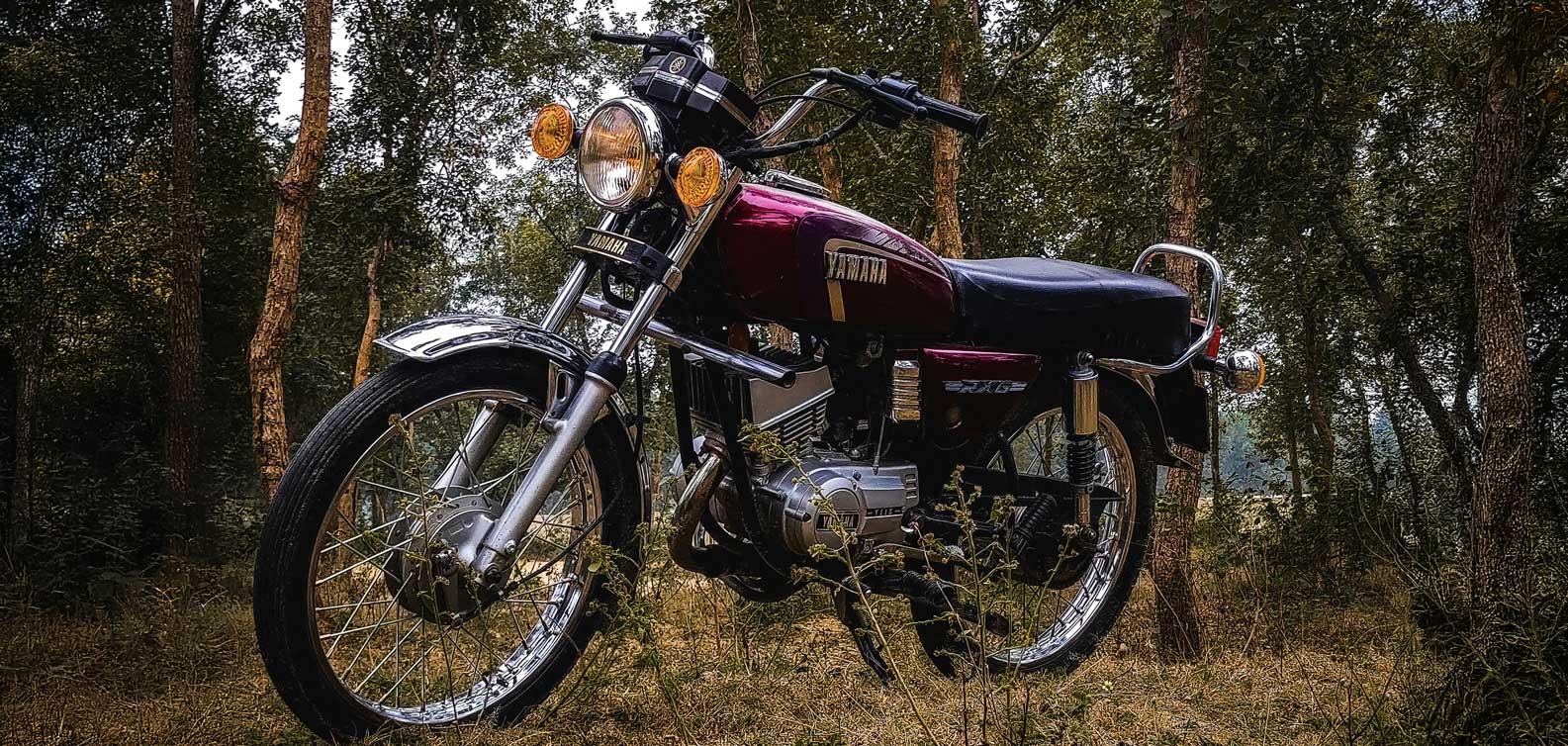
Best 150cc–160cc Bikes in India: Mileage, Price, Specs & Performance
Compare India's best 150cc–160cc bikes on mileage, price, power, braking and comfort — Pulsar N160, Apache RTR 160 4V, Xtreme 160R, FZ-S and more.
Best 200cc–250cc Performance Bikes in India: Power, Mileage & Highway Cruising
Compare India's best 200cc–250cc bikes on power-to-weight, real-world mileage, highway cruising and price, with the 200cc and 250cc classes covered together.
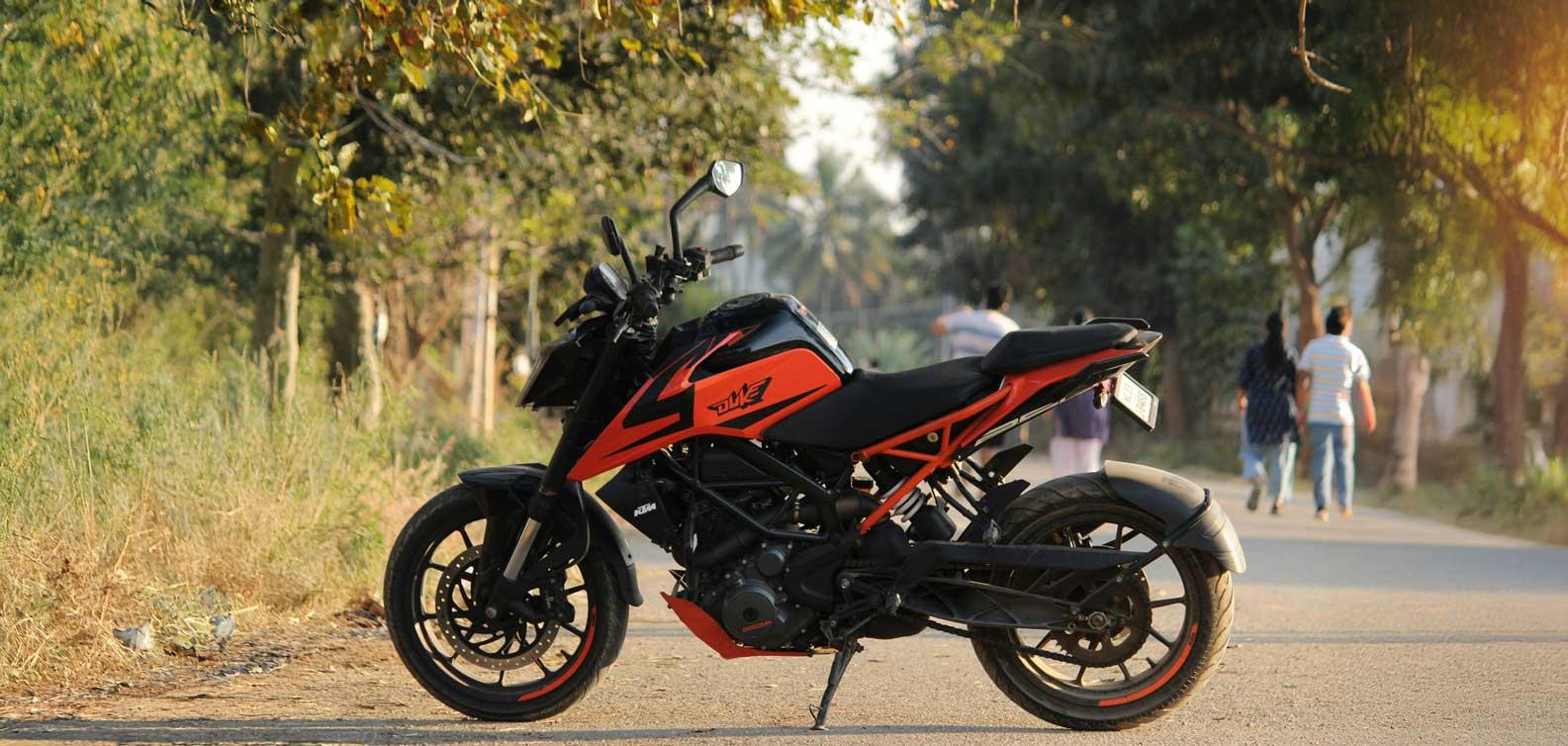
Best 350cc–500cc Bikes in India: Royal Enfield, Triumph & Mid-Capacity Classics
Compare Royal Enfield, Triumph, Harley-Davidson, KTM and Bajaj bikes from 349cc to 452cc on real price, power, mileage and highway comfort in India.