Electric vs Petrol Scooter 2026: Cost & Mileage Compared
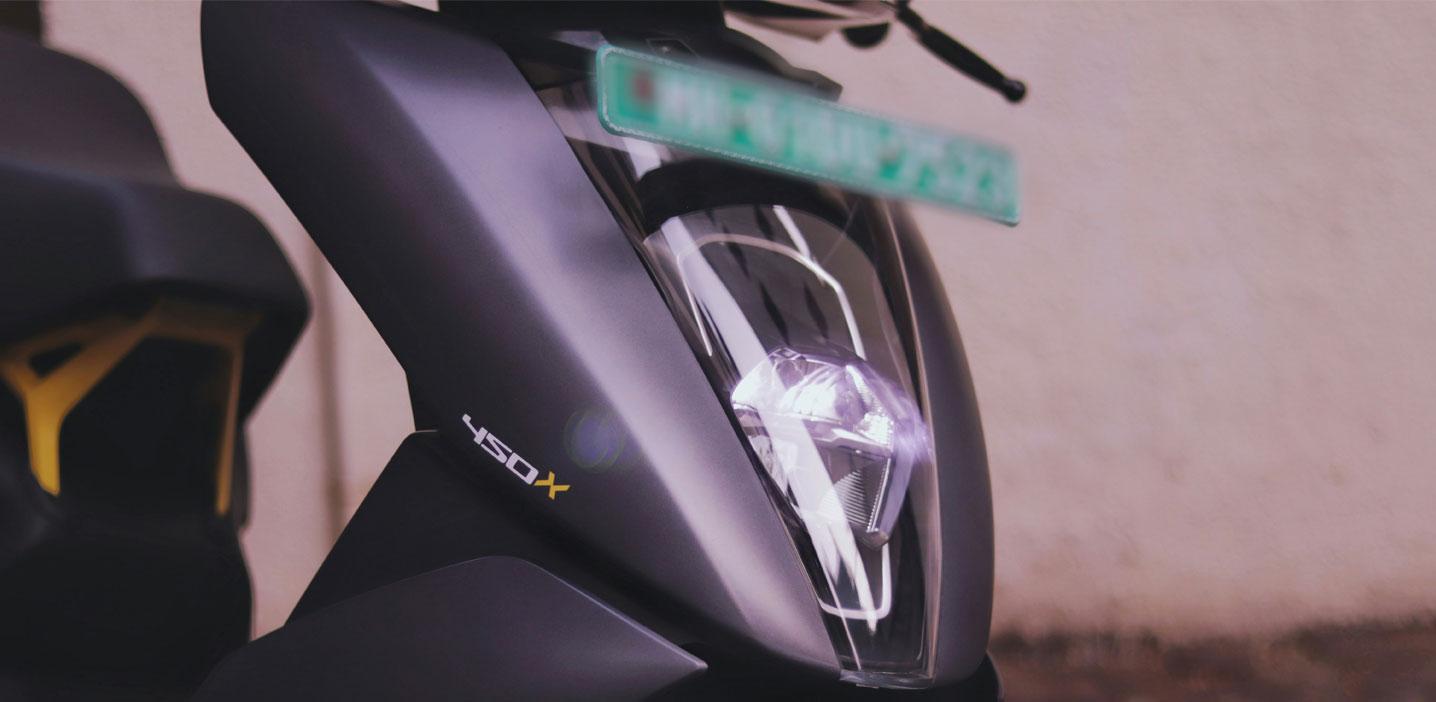
So, you’re trying to pick between an electric and a petrol scooter in 2025? Honestly, it isn’t as easy to choose directly as it used to be. The biking customer base is diverse and has diverse needs and preferences.
While price remains the most critical factor (as always); it’s not the only factor. These days, petrol prices are going through the roof and India’s EV charging infrastructure is rapidly scaling up. Hence, for two-wheeler enthusiasts (and aspiring customers), there is a lot to think about.
Two-wheelers, as has been observed already, are the most popular vehicle segment in India. And carry a huge demand in both Tier-1 cities and Tier-2 cities. Hence, both zippy electric scooters like the Ather 450X and the trusty old petrol models like the Honda Active find their place in the market.
So, as always, it’s not really about which one is better. It’s about what your perfect choice is.
Your perfect ride depends on your daily grind, your budget, and how you ride.
Let’s get into a real, no-nonsense comparison to figure out which scooter truly fits your requirements. Ready to explore? Let’s start reading.
Cost Comparison: What is the Initial Price & Long-Term Savings?
To start with, let’s look at the most important thing: price.
Electric scooters usually have a higher upfront cost, which can scare off some people. But don’t let that scare you off. The savings start rolling in faster than you’d think. If you have the correct information at your disposal.
A Quick Look at the Initial Price
| Type | Example Model | Price Range (₹) |
|---|---|---|
| Petrol Scooters | Honda Activa | ₹75,000 – ₹1,20,000 |
| Electric Scooters | Ather 450X | ₹90,000 – ₹1,50,000 |
The Kicker: Don’t forget about the FAME II subsidies from the government for electric scooters. That can knock off a good ₹15,000 or more from the price tag.
Running Cost per Kilometer
This is where it gets interesting:
| Type | Cost per Kilometer (₹) | Remarks |
|---|---|---|
| Petrol Scooters | ₹2 – ₹3 | Higher running cost due to fuel expenses |
| Electric Scooters | ₹0.25 – ₹0.50 | Significantly cheaper, powered by electricity |
What that means for you: For an average daily commute of 30 km, you could be saving ₹15,000 to ₹20,000 a year. That’s not chump change!
Total Cost of Ownership (TCO) over 5 Years:
Think about someone like Rohan, who commutes across Delhi every day. For him, the math looks something like this:
| Type | Initial Cost (₹) | Fuel/Electricity Cost (₹) | Maintenance Cost (₹) | Total Estimated Ownership Cost (₹) | Remarks |
|---|---|---|---|---|---|
| Petrol Scooter | ₹75,000 – ₹1,20,000 | ~₹1,80,000 | ~₹30,000 | ~₹2,85,000 – ₹3,30,000 | High recurring fuel and upkeep cost |
| Electric Scooter | ₹90,000 – ₹1,50,000 | ~₹30,000 | ~₹15,000 | ~₹1,35,000 – ₹1,95,000 | Much lower running and maintenance cost |
Honestly, if you’re riding more than 25 km a day, an electric scooter pretty much pays for its higher initial cost in just two or three years. It’s a long-term win.
How is the Performance & Ride Experience? Learn About Speed, Acceleration, and Comfort
Performance isn’t just about hitting top speed on an open road. It’s about how the scooter feels during your daily commute—that stop-and-go city traffic, the quick overtakes. How does it handle the chaos?
Speed and That Get-Up-and-Go:
| Aspect | Electric Scooters | Petrol Scooters |
|---|---|---|
| Power Delivery | Instant torque — delivers immediate acceleration the moment you twist the throttle. Great for quick starts at traffic lights. | Gradual and linear power delivery — smooth, predictable acceleration. |
| Riding Experience | Zippy and responsive, ideal for city traffic and short bursts of speed. | Familiar and steady, offers a traditional riding feel. |
| Top Speed | Around 80–90 km/h, suitable for city and short highway rides. | Around 80–90 km/h, comfortably handles daily commuting. |
Handling and Just… the Vibe:
- Electric Scooters: The ride is incredibly smooth since there are no gears. Plus, they have a lower center of gravity, which makes them feel stable. The best part? They’re almost completely silent. It’s a much more relaxed experience in a noisy city.
- Petrol Scooters: You get that classic engine rumble and a ride feel that we’re all used to. Some riders find they feel a bit more stable at very high speeds.
Tech and Gadgets:
| Aspect | Electric Scooters | Petrol Scooters |
|---|---|---|
| Technology & Features | Advanced tech with smartphone apps, ride modes (Eco, Sport), and over-the-air software updates. | Simple, proven mechanical tech with no dependency on apps or updates. |
| User Experience | Offers smart connectivity, real-time charge status, and performance customization. | Straightforward and reliable — turn the key and go experience. |
| Advantage Summary | Modern, connected, and evolving with time. | Time-tested, durable, and easy to maintain. |
For city life, that refined, quiet, and peppy experience of an electric scooter is tough to beat. It just makes the daily grind feel a little less like a grind.
What About Maintenance and Reliability? What are the Service Costs?
How much do service appointments cost your waller?
| Aspect | Electric Scooters | Petrol Scooters |
|---|---|---|
| Service Interval | Every 5,000–6,000 km | Every 3,000 km |
| Typical Service Cost | ₹500 – ₹1,000 | ₹1,000 – ₹2,000 |
| Maintenance Complexity | Very low — no engine oil, fewer moving parts, minimal wear and tear. | Higher — requires oil changes, engine tuning, and inspection of multiple parts. |
| Overall Advantage | Cheaper and less frequent servicing, making ownership hassle-free. | More maintenance-intensive but with a well-understood service network. |
What are some common Headaches and how can they be avoided?
| Aspect | Electric Scooters | Petrol Scooters |
|---|---|---|
| Primary Maintenance Focus | Battery health and software updates are key to performance and longevity. | Engine care, oil changes, and carburetor cleaning are regular needs. |
| Service Network | Still developing, with limited but expanding availability of trained EV technicians. | Extensive and established — almost every local garage can service a petrol scooter. |
| Ease of Servicing | May require visiting authorized EV centers for diagnostics and updates. | Easily serviced anywhere, even in smaller towns and rural areas. |
| Overall Advantage | Modern maintenance but limited accessibility (for now). | Widespread support and convenience from a mature service ecosystem. |
Battery Life vs. Engine Life:
| Aspect | Electric Scooters | Petrol Scooters |
|---|---|---|
| Core Component | Battery — the heart of the scooter. | Engine — the powerhouse of the scooter. |
| Lifespan | Typically 5–7 years or 70,000+ km. | Usually 8–10 years or 1,00,000+ km with good maintenance. |
| Replacement Cost | Around ₹20,000–₹30,000 for a new battery pack. | Major engine rebuilds are rare; regular servicing keeps it healthy. |
| Performance Over Time | Gradual capacity loss — range and performance slowly decrease, not sudden failure. | Consistent performance when maintained; occasional wear-and-tear components replaced. |
| Overall Advantage | Low-maintenance but eventual battery cost to consider. | Longer lifespan with regular care and easily serviceable parts. |
Environmental Impact: Emissions and Sustainability
Let’s be real, the air quality in many Indian cities is a serious concern. So, how do these scooters stack up when it comes to being green?
Your Carbon Footprint:
| Aspect | Petrol Scooters | Electric Scooters |
|---|---|---|
| Emissions | These release about 60–70g of CO₂ for every kilometer you ride — exhaust coming directly out of the tailpipe. | Zero tailpipe emissions. Zip. Nada. |
| Environmental Impact | Contributes to smog and air pollution in cities. | Makes a huge difference to air quality where you live and ride. |
| Overall Advantage | Higher carbon footprint due to combustion. | Cleaner and eco-friendly, improving urban air conditions. |
But what about the electricity source?
That’s a fair question. While an EV is only as clean as the grid that powers it, India’s energy mix is rapidly shifting towards renewables like solar and wind. Plus, you have options like installing solar panels at home to charge your scooter, making it truly green.
A Little Push from the Government: India is seriously pushing for electric vehicles, and you can feel it. There are a bunch of perks:
- FAME II subsidies that lower the purchase price.
- State-level incentives in places like Delhi and Maharashtra.
- Lower GST on electric vehicles.
- Some cities even offer free parking for EVs. It all adds up!
Daily Commute Suitability: Range, Charging, and Practicality
This is where the rubber meets the road. How does each scooter fit into your actual, day-to-day life?
Range and Refueling:
| Aspect | Electric Scooters | Petrol Scooters |
|---|---|---|
| Range (Full Tank/Charge) | 80–120 km on a full charge — perfect for daily city commutes. | 200–250 km on a full tank — ideal for longer rides and intercity travel. |
| Refueling/Charging Time | Takes about 4–5 hours to charge fully. | Takes just 5 minutes to refuel at any petrol station. |
| Convenience | Plug in at home overnight — like charging your phone. Public charging network is growing rapidly. | Extremely convenient due to the wide network of petrol pumps nationwide. |
| Overall Advantage | Easy home charging and lower running cost. | Longer range and instant refueling convenience. |
The Right Tool for the Job:
- City Commuting: Electric scooters are the undisputed champs here. Home charging is super convenient, and the low running costs are a massive bonus. Think of a user like Priya in Pune; she plugs in her scooter at night and wakes up with a full ‘tank’ every morning, never having to visit a petrol station.
- Rural or Highway Trips: For longer journeys or in areas where charging points are few and far between, petrol scooters are still the more practical choice. Their longer range and the massive fuel station network provide peace of mind.
What About the Weather? Both types are built to handle the Indian monsoon and scorching summers. Just know that extreme temperatures can affect an EV battery’s efficiency a little, so your range might drop slightly on a very hot day.
Want to Make the Right Choice? Consider Your User Profiles and Checklist of Options
So, how do you decide? It’s all about matching the scooter to your lifestyle.
An electric scooter is probably your new best friend if:
- Your daily ride is somewhere between 20-50 km.
- You have a spot to charge it at home or at work.
- You’re tired of high petrol bills and want to save money.
- You stick mostly to city roads.
- You want to do your bit for the environment.
You should probably stick with a petrol scooter if:
- You often need to travel more than 100 km in a day.
- You do a lot of inter-city or highway travel.
- You live somewhere with unreliable electricity or few charging stations.
- You prefer the familiarity of a traditional engine and mechanic.
Your Final Checklist:
- Track your daily KMs: Get a real number for how much you ride each day.
- Scope out charging: Do you have a reliable plug point?
- Do the math: Compare the total 5-year cost, not just the sticker price.
- Find your mechanic: Check where the nearest service centers are for the models you like.
- Think about resale: Are you planning to sell it in a few years?
One last tip: Don’t just read about them. Go out and test ride both types! Feeling how they handle can make the decision crystal clear.
Frequently Asked Questions
1. How much can I save with an electric scooter in India?
A lot, actually. If you ride about 30 km a day, you can easily save between ₹15,000 and ₹20,000 a year. That’s because you’re swapping expensive petrol for cheap electricity and also saving a bundle on maintenance.
2. What’s the typical battery life of an electric scooter?
You can expect the battery to last a good 5 to 7 years, or around 70,000 kilometers. A replacement will cost you about ₹20,000-30,000, but honestly, those prices are dropping as the tech gets better.
3. Do I need a license for an electric scooter in India?
Yep, you sure do. For any electric scooter that can go faster than 25 kmph—which includes popular models like the Ather 450X—you’ll need your standard two-wheeler license, just like for a petrol scooter.
4. Which has better resale value – electric or petrol scooters?
Right now, petrol scooters still hold their value a bit better because the market is so established. But that’s changing fast. As more people go electric and battery tech improves, the resale value for EVs is definitely on the rise.
Conclusion
As we mentioned before, it’s all about what you choose.
With the right mechanical, economic, usage-focused framework in mind, you can make the right two-wheeler choice, be it petrol or diesel. And you can keep long-term economic and maintenance considerations in mind to make sure your purchase lasts longer. And that your vehicle choice fulfills all your requirements for many years to come.
Happy riding!
Want to know more on scooters? Keep updated with Ecozaar.
Based on 4 ratings

Najmus (Author)
Najmus leads content and SEO at Ecozaar, building trustworthy guides on electric two-wheelers, RTO processes, and green finance in India. With 8+ years in technical and editorial SEO, he turns complex regulations and specs into practical, citation-backed explainers. His work combines schema, CWV, and clear sourcing to help readers make confident, real-world decisions.
Read more
Related Blogs
Popular articles are selected from the same backend blog feed.


Best Bikes Under 1 Lakh in India: Price, Mileage & Low-Maintenance Commuters
Compare the best bikes under ₹1 lakh in India by price, real-world mileage, maintenance and safety — from sub-₹60k commuters to 125cc options near ₹1 lakh.
Best Bikes Under 2 Lakh in India: Streetfighters, Cruisers & All-Rounders
Compare the best bikes under ₹2 lakh in India: verified ex-showroom prices, real-world mileage, ABS and hardware, and which model fits your budget.
Best Electric Scooters Under 1 Lakh in India: Real-World Range, Subsidy & Price List
Compare the best electric scooters under ₹1 lakh by real-world range, battery size, charging, PM E-DRIVE benefits, running cost, build quality and family practi
Best Low-Cost Electric Scooters Under ₹40,000–₹50,000: Non-RTO & Budget Commuters
Compare low-cost electric scooters under ₹40,000–50,000 by price, range, battery type, charging, non-RTO rules, running cost and practical ownership risks.
Best 110cc–125cc Family Commuter Scooters in India: Mileage, Comfort & Price Comparison
Compare the best 110cc and 125cc scooters in India by price, real-world mileage, comfort, storage, braking, running cost and the value of upgrading to 125cc.
Best 150cc–160cc Bikes in India: Mileage, Price, Specs & Performance
Compare India's best 150cc–160cc bikes on mileage, price, power, braking and comfort — Pulsar N160, Apache RTR 160 4V, Xtreme 160R, FZ-S and more.
Best 200cc–250cc Performance Bikes in India: Power, Mileage & Highway Cruising
Compare India's best 200cc–250cc bikes on power-to-weight, real-world mileage, highway cruising and price, with the 200cc and 250cc classes covered together.
Best 350cc–500cc Bikes in India: Royal Enfield, Triumph & Mid-Capacity Classics
Compare Royal Enfield, Triumph, Harley-Davidson, KTM and Bajaj bikes from 349cc to 452cc on real price, power, mileage and highway comfort in India.