Best Three‑Wheeler Tyres: Sizes, Prices & Picks
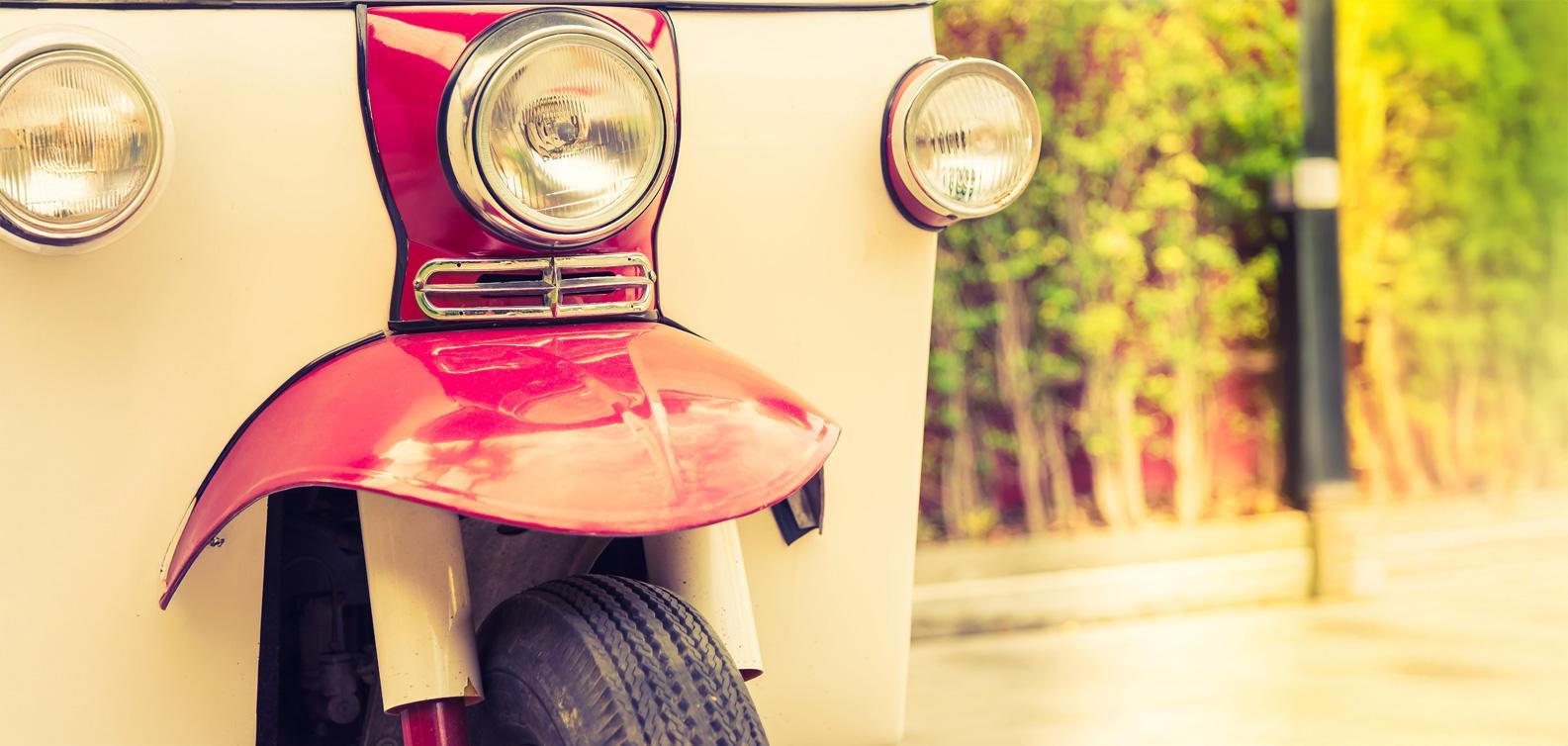
Three-wheelers or auto rickshaws, as they are often referred to, constitute the bedrock of Indian semi-urban and urban transport. From carrying commuters across busy city streets to transporting light commercial loads, the three-wheeler is an indispensable aspect of daily commuting and commercial logistics.
While engines and fuel tend to steal the headlines, tyres play an equal role. Ride stability, fuel economy, mileage, and overall safety depend on the right tyre size and type. When it comes to commercial applications, the choice of tyre is even more important since it determines the load capacity, lifespan, as well as the ability to run on diverse road conditions.
Modern auto rickshaws come in the choice of petrol, CNG, or electric. Each type demands varying performances and hence different tyres. Electric rickshaws will typically demand tyres constructed to take greater torque and everyday usage, etc., whereas the petrol or CNG rickshaws may be about cost-effectiveness and capacity.
This guide takes you through everything there is to know about three-wheeler tyres – their sizes and types to costs and top models – so that you may come to an informed decision when it comes to purchasing a rickshaw.
Common Sizes & Notation of Auto Rickshaw Tyre
Tyre sizes are often printed on the sidewall of the tyre in a standard format. For example:
- 4.00-8 means the tyre has a 4-inch section width and fits an 8-inch rim diameter.
- 4.50-10 indicates a slightly wider tyre (4.5 inches) that fits on a 10-inch rim.
This notation is crucial because fitting the wrong size can compromise handling, stability, and fuel efficiency.
Typical three-wheeler tyre sizes in India include:
- 4.00-8
- 4.00-10
- 4.50-10
- 3.75-12 (metrotyres.com)
Some niche or model-specific tyres also exist, such as 90/90-12.
Common Auto Rickshaw Tyre Sizes Include
| Tyre Size | Rim Diameter | Typical Ply Rating | Common Use Case |
| 4.00-8 | 8 inch | 6PR | Standard city passenger rickshaws |
| 4.00-10 | 10 inch | 6PR / 8PR | Passenger and mixed use |
| 4.50-10 | 10 inch | 8PR | Goods carriers, higher load capacity |
| 3.75-12 | 12 inch | 6PR | TVS King and select passenger autos |
| 90/90-12 | 12 inch | 6PR | Niche models (e.g., Kabali) |
Tube Type vs Tubeless Auto Rickshaw Tyre
Tyres come in two main types:
Tube-Type Tyres
These include an inner tube filled with air. They are affordable and widely available but prone to sudden punctures and flats.
Tubeless Tyres
These don’t use a separate inner tube. Instead, the tyre itself holds the air, offering slower air loss and better puncture resistance. They are easier to repair and often last longer, but they typically cost more.
Currently, most three-wheelers still use tube-type tyres due to their compatibility with spoke wheels and lower cost. However, tubeless options are gradually emerging. For example, MRF Automiler 84 N6 TL comes in a tubeless variant.
Ply Rating (6PR & 8PR)
The ply rating (PR) represents the tyre’s load-bearing strength.
- 6PR (6-ply rating): Standard passenger use, softer ride, adequate for city commuting.
- 8PR (8-ply rating): Stronger construction, better suited for heavy loads, goods rickshaws, or rough terrain.
While 8PR tyres last longer and support heavier loads, they may feel slightly stiffer compared to 6PR tyres. For operators carrying goods or running inter-city services, 8PR is the recommended choice.
Price Range & Best Tyre Models
Three-wheeler tyres in India span from budget options at around ₹1,200 to premium heavy-duty tyres costing over ₹6,000. The right choice depends on your budget, usage pattern, and vehicle type.
Budget & Mid‑Range Tyres (₹1,200–₹3,000)
These tyres are ideal for city commuters and operators looking for affordability without sacrificing too much on performance.
| Brand & Model | Size | Type | Price* | Features |
| MRF TriplePlus N4 | 4.00-8 | Tube | ₹1,180 | Entry-level tyre with basic tread |
| Ceat Fleet Master | 4.00-8 | Tube | ₹1,400 | High load capacity; 1-yr warranty (cmv360.com) |
| Metro Conti TUFF | 4.00-8 | Tube | ₹1,440 | Strong nylon casing; 1-yr warranty (cmv360.com) |
| Ceat Buland | 4.00-8 | Tube | ₹1,579 | Popular all-position tyre |
| TVS Eurogrip Street King | 4.00-8 | Tube | ₹2,314 | Deep tread for mileage & stability (cmv360.com) |
| JK Jumbo Miles | 4.00-8 | Tube | ₹2,279 | Durable construction; reliable warranty |
*Prices are approximate and may vary by retailer and region.
- Street King stands out for its ribbed tread design that enhances manoeuvrability.
- Metro Conti TUFF uses a strong nylon casing, ensuring durability for frequent city runs.
- Ceat Fleet Master offers excellent load-bearing capacity at a reasonable price point.
Most models in this category come with a 1-year warranty, which is standard in the industry.
Premium & Heavy‑Duty Tyres (₹3,000–₹6,500+)
For operators who run long-distance routes, heavy-duty cargo, or rugged terrain, premium tyres deliver better durability and mileage.
- MRF Savari Plus – approx. ₹2,200
- MRF Savari Trek N8 – approx. ₹6,320
These tyres come with deep tread designs, higher ply ratings, and superior rubber compounds. They are designed for extended mileage, high load capacity, and improved grip on hilly or uneven roads.
Some premium options also come in tubeless versions (like the MRF Automiler 84 N6 TL). While they cost more, the longer lifespan and reduced maintenance often justify the investment.
Brand Comparison & Top Picks
-
MRF
- Wide range: ₹1,180 – ₹6,320
- Known for durability and heavy-duty designs.
- Best pick: MRF Savari Trek N8 for high-load or rugged usage.
-
TVS Eurogrip
- Focused on urban manoeuvrability and mileage.
- Popular models: Street King and Badshah.
- Best pick: Street King for smooth city rides.
-
Ceat
- Strong presence with Fleet Master and Buland.
- Known for balanced pricing and longer warranties.
- Best pick: Fleet Master for budget users.
-
Metro
- Offers variety, including 4.50-10 and 3.75-12 sizes.
- Stresses importance of correct sizing for safety and mileage.
- Best pick: Metro Conti TUFF for nylon strength and value.
-
JK Tyre
- Provides reliable all-position tyres like Jumbo Miles.
- Good for mixed passenger and goods usage.
- Best pick: Jumbo Miles for off-road and hilly terrains.
Best Tyres by Use Case
- Budget urban rickshaw: Ceat Fleet Master
- Mid-range commuter: TVS Street King
- Heavy-load cargo: MRF Savari Plus / Trek N8
- Hilly/off-road regions: JK Jumbo Miles
How to Choose the Right Auto Tyre
Match Size & Vehicle Model
The first step in choosing the right tyre is ensuring it matches your auto rickshaw’s recommended specifications. Tyre size is usually listed in the owner’s manual or printed on the sidewall of your existing tyre. Using an incorrect size can reduce fuel efficiency, affect stability, and even pose safety risks.
Some common pairings include:
- Bajaj RE: 4.00-8
- Piaggio Ape: 4.50-10
- TVS King: 3.75-12
Consider Terrain & Load
Your operating environment plays a major role in tyre choice. For city commuting with light passenger loads, a 6PR (6-ply rating) tyre is sufficient, offering a comfortable ride at a reasonable cost. However, for hilly terrain, longer routes, or goods rickshaws, an 8PR tyre is strongly recommended. These tyres handle heavier loads and provide greater durability, though they ride slightly stiffer.
Tube vs Tubeless Decision
Another important choice is whether to use tube-type or tubeless tyres. Tubeless tyres are newer technology, providing slower air leakage, less chance of punctures, and simpler repair on the roadside. Tubeless tyres come at a greater cost and need matching rims. Tube-type tyres continue to be used due to their cheap cost and their use on older-spoke wheels, thus becoming the best choice for cheap-minded operators.
Warranty & After‑Sales Support
Finally, assess the warranty facility and service network of the brand. Typically, the top tyre manufacturers provide a 1-year warranty covering defects due to manufacture. Convenience of service centre location and easy replacement may largely reduce downtime and provide smooth running for commercial users.
Maintenance & Replacement Tips
- Keep recommended air pressure; check every week.
- Change tyres every 5,000 km to ensure even wear.
- Check tread depth and sidewalls; replace if worn, cracked, or uneven.
- Balance and align wheels regularly.
- Store spare tyres inflated and away from the sun.
Poor road conditions like potholes and debris accelerate tyre wear. Using the correct pressure helps mitigate premature damage.
Frequently Asked Questions
1. What is the standard auto rickshaw tyre size?
Common sizes include 4.00-8, 4.00-10, 4.50-10, and 3.75-12
2. How much do auto rickshaw tyres cost?
Prices range from ₹1,180 to ₹6,320, depending on brand and features
3. Are tubeless tyres available for autos?
Yes. For example, MRF Automiler 84 N6 TL is a tubeless variant
4. What ply rating should I choose?
6PR is suitable for passenger use. 8PR is better for goods or heavy-load rickshaws.
5. When should I replace my auto tyre?
Replace when tread depth is too low, sidewalls are cracked, or after around 40,000 km – whichever comes first.
6. How do I improve tyre life?
Maintain proper air pressure, avoid overloading, rotate tyres, and drive cautiously.
Conclusion
Picking tyres for a three-wheeler isn’t just about the price. You’ve got to match the size, ply rating, and type—tube or tubeless—with what your vehicle actually needs.
The common sizes you’ll see are 4.00-8, 4.00-10, 4.50-10, and 3.75-12. Prices usually fall between ₹1,180 and ₹6,320.
It doesn’t matter if you run a small city rickshaw, a daily commuter, a heavy load carrier, or even an off-road machine—there’s a tyre built for each one.
To make the right choice, always:
- Check your vehicle’s manual.
- Match the size and ply rating properly.
- Put safety and quality above saving a few bucks.
The right tyres will give you better mileage, longer life, and safer rides—all in the long run. For more on vehicle tyres and auto-maintenance, keep following Ecozaar.
Based on 1 rating

Tanushree (Author)
Tanushree is a dynamic business strategist with a knack for driving innovation in startups, especially in Fintech and Edtech. With 9 years of work-ex, an IT engineer from MIT Pune, & a MBA from IIM Bangalore (Marketing & Business Strategy), she’s got the mix of analytical and creative problem-solving.
Read more
Related Blogs
Popular articles are selected from the same backend blog feed.

Best Bikes Under 1 Lakh in India: Price, Mileage & Low-Maintenance Commuters
Compare the best bikes under ₹1 lakh in India by price, real-world mileage, maintenance and safety — from sub-₹60k commuters to 125cc options near ₹1 lakh.
Best Bikes Under 2 Lakh in India: Streetfighters, Cruisers & All-Rounders
Compare the best bikes under ₹2 lakh in India: verified ex-showroom prices, real-world mileage, ABS and hardware, and which model fits your budget.
Best Sports Bikes Under 5 Lakh in India: Track Bikes, Supersports & Top Speed Comparison
Compare the best sports bikes under ₹5 lakh in India by 0–100 km/h, GPS top speed, track ability, electronics, mileage and ownership costs.
Best Electric Scooters Under 1 Lakh in India: Real-World Range, Subsidy & Price List
Compare the best electric scooters under ₹1 lakh by real-world range, battery size, charging, PM E-DRIVE benefits, running cost, build quality and family practi
Best Low-Cost Electric Scooters Under ₹40,000–₹50,000: Non-RTO & Budget Commuters
Compare low-cost electric scooters under ₹40,000–50,000 by price, range, battery type, charging, non-RTO rules, running cost and practical ownership risks.
Best 110cc–125cc Family Commuter Scooters in India: Mileage, Comfort & Price Comparison
Compare the best 110cc and 125cc scooters in India by price, real-world mileage, comfort, storage, braking, running cost and the value of upgrading to 125cc.
Best 150cc–160cc Bikes in India: Mileage, Price, Specs & Performance
Compare India's best 150cc–160cc bikes on mileage, price, power, braking and comfort — Pulsar N160, Apache RTR 160 4V, Xtreme 160R, FZ-S and more.
Best 200cc–250cc Performance Bikes in India: Power, Mileage & Highway Cruising
Compare India's best 200cc–250cc bikes on power-to-weight, real-world mileage, highway cruising and price, with the 200cc and 250cc classes covered together.