ABS in Scooters & Bikes: Single vs. Dual Channel Explained
Oftentimes it’s hard to predict what may happen on the road. While we can always do our best to be as safe as possible; we cannot control every aspect. Safety, as they say, is not really guaranteed.
Automobile manufacturers know this and always seek to add more safety features to their vehicles. They know that it is an important selling point and something that customers place the utmost importance on.
To that end, the anti-lock brake system (ABS) has become an essential safety feature in modern two-wheelers. It drastically reduces the chances of accidents by preventing wheel lockup during sudden braking. Making it essential for seasoned riders and new bike buyers.
In this article, we dive deep into how ABS works, as well as understand the critical differences between single and dual-channel ABS.
Let’s dive in.
Understanding ABS: Full Form and Basic Concept
What Does ‘ABS’ Stand For?
Simply put, ABS stands for “Anti-lock Braking System.”
To simplify things, it is the system that prevents the wheels from locking during heavy braking. ABS helps in vehicles maintaining traction and steering control.
Historically, ABS was developed to improve braking performance in high-speed vehicles but owing to its prowess in bolstering safety, it has since been adapted for bikes and scooties as well.
What is ABS in a Bike?
So, how does ABS work when it comes to bikes? Exactly the same way.
It basically refers to the system designed to automatically modulate brake pressure. Through this process, the mechanical makeup of your bike ensures that the wheels do not lock up during braking.
In fact, it is through this mechanism, that you can maintain directional stability. ABS also reduces stopping distances on slippery surfaces.
How Does ABS Work in Bikes?
Working Principle of ABS
By continuously monitoring the rotational speed of each wheel using sensors, ABS keeps you balanced and safe. When the system detects that a wheel is decelerating too rapidly – indicating that it might lock up – the ABS control unit intervenes by momentarily reducing brake pressure.
Pretty savvy right? This modulation is performed in rapid pulses, allowing the wheel to continue rotating and maintain traction so that it doesn’t interfere with your riding experience.
Want to know how it works in a snapshot? Here you go:
- It senses wheel speed
- Compares sensor data to predetermined thresholds
- Modulates hydraulic pressure through rapid valve adjustments.
The ABS system in bike technology ensures that even in emergency braking situations the rider retains control.
Key Components
Now that you know the ABS full form in bikes as well as how it works, let’s dive into its key components:
- Sensors: Detect wheel speed and rotational data.
- Control Unit: Processes sensor information and decides when to modulate braking pressure.
- Hydraulic Valves: Adjust brake pressure accordingly.
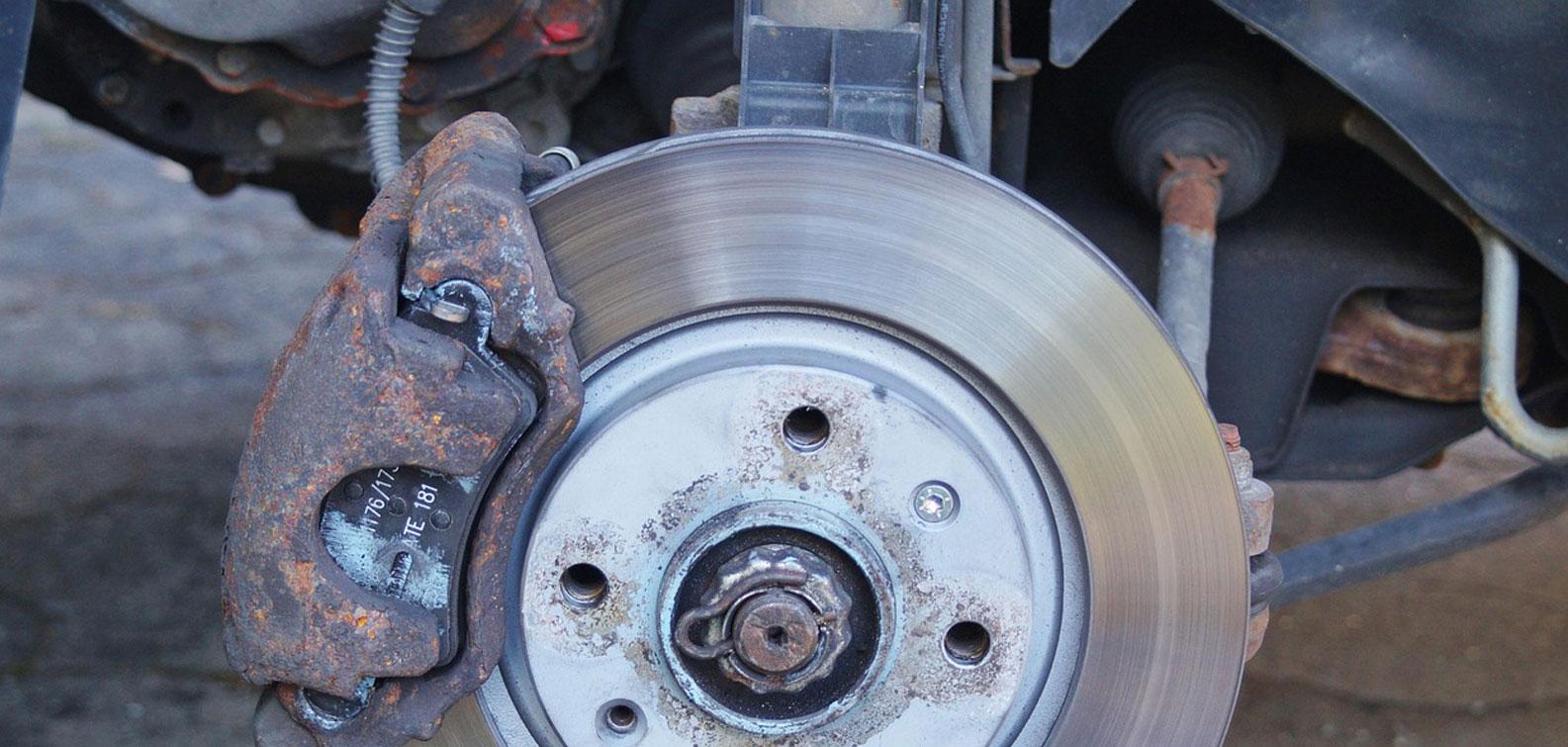
- Brake Calipers and Pads: Execute the final braking force.
Through this synergetic system, your bike is able to self-regulate safety and offer you a far more improved adventure on-bike. Understanding how these various factors come together in process and application is empowering, as you get to find out exactly what’s going on with your bike–both on the surface and on the inside.
You can learn some interesting information about ABS from this article by Car and Bike.
How ABS Works in Different Conditions
Wondering how does abs work in varying road conditions? Let’s find out.
Through comprehensive testing, we know that on dry roads, ABS provides smooth deceleration without any noticeable pulsation. On the other hand, when dealing with wet or slippery surfaces, the system becomes even more necessary.
It can help in preventing skidding, allowing the rider to steer away from potential hazards. This adaptability makes ABS a hero in both urban settings as well as rural heartlands where the roads may be different.
Types of ABS in Bikes
Single Channel ABS
When people talk about ‘types’ they’re usually referring to two main types of ABS. Single and dual channel ABS.
Single channel abs is a simpler system that controls the braking of one wheel—usually the front wheel. It is often found in entry-level bikes and certain ABS in scooty models.
The advantages of single-channel ABS include lower cost and reduced complexity. But be wary that its coverage is limited compared to dual channel systems.
Dual Channel ABS
On the other hand, dual-channel ABS bikes come equipped with independent control systems for both the front and rear wheels. This design offers enhanced safety benefits by ensuring that both wheels remain in traction during braking.
In short, if you’re still wondering what is dual-channel abs in bikes, look at it this way: It is a more comprehensive system that provides superior performance and stability compared to single-channel variants.
Single Channel vs. Dual Channel ABS – A Comparison
Want to dive into the single and dual-channel worlds in a quick table? See below for a comprehensive comparison between the two:
| Feature | Single Channel ABS | Dual Channel ABS |
| Coverage | Typically front wheel only | Both front and rear wheels |
| Performance | Adequate for basic safety | Enhanced braking performance |
| Cost & Complexity | Lower cost, simpler design | Higher cost, advanced system |
| Safety Benefit | Basic anti-lock function | Superior control in emergencies |
It is clear that the difference between single and dual-channel ABS systems goes beyond mere theory and can have very practical implications on-road. The table also underscores why many riders prefer dual-channel ABS for improved safety.
Ultimately, lives are at stake.
ABS in Scooties and Other Two-Wheelers
So how does ABS work in scooters? As you would expect, exactly the same way.
Basically, both follow the same principle but in scooters, the mechanism is often tailored to the lighter build and different braking dynamics of scooters. This integration ensures that even compact, urban-focused vehicles benefit from the advanced ABS braking system in bike technology.
Why ABS Matters Across Two-Wheelers
Ultimately, whether you ride a bike or a scooty, ABS plays a crucial role in preventing accidents. How ABS works in bikes and scooters is largely alike – by ensuring that wheels maintain traction during hard braking.
This universal benefit emphasizes why the Anti-lock Braking System is a standard safety requirement for all modern two-wheelers. So before you make your next purchase, keep your eyes peeled on all things ABS.
Frequently Asked Questions About ABS
What is ABS in Bike?
ABS stands for Anti-lock Braking System, a technology that prevents wheel lockup during emergency braking to maintain traction and stability.
How Does ABS Work in Bikes?
The system uses sensors to monitor wheel speed and modulates brake pressure to prevent skidding, ensuring safer stops on various road surfaces.
What is Dual Channel ABS and How is It Different?
Dual-channel ABS controls braking on both wheels independently, offering better performance and stability compared to single-channel systems.
Single Channel ABS vs. Dual Channel ABS: Which one is best?
Single-channel ABS typically controls only one wheel (usually the front), while dual-channel ABS manages both wheels, providing superior safety. This distinction is key when evaluating ABS in bikes as you consider which bike to select for yourself.
Conclusion
Understanding what is ABS in bikes is crucial – it could be the difference between a great buy and one that may not have your back.
Want to know more about ABS and how it can make your ride better, smoother, and safer? Get in touch with Ecozaar and let’s have a conversation.
Based on 0 ratings

Tanushree (Author)
Tanushree is a dynamic business strategist with a knack for driving innovation in startups, especially in Fintech and Edtech. With 9 years of work-ex, an IT engineer from MIT Pune, & a MBA from IIM Bangalore (Marketing & Business Strategy), she’s got the mix of analytical and creative problem-solving.
Read more
Related Blogs
Popular articles are selected from the same backend blog feed.


Best Bikes Under 1 Lakh in India: Price, Mileage & Low-Maintenance Commuters
Compare the best bikes under ₹1 lakh in India by price, real-world mileage, maintenance and safety — from sub-₹60k commuters to 125cc options near ₹1 lakh.
Best Bikes Under 2 Lakh in India: Streetfighters, Cruisers & All-Rounders
Compare the best bikes under ₹2 lakh in India: verified ex-showroom prices, real-world mileage, ABS and hardware, and which model fits your budget.
Best Sports Bikes Under 5 Lakh in India: Track Bikes, Supersports & Top Speed Comparison
Compare the best sports bikes under ₹5 lakh in India by 0–100 km/h, GPS top speed, track ability, electronics, mileage and ownership costs.
Best Electric Scooters Under 1 Lakh in India: Real-World Range, Subsidy & Price List
Compare the best electric scooters under ₹1 lakh by real-world range, battery size, charging, PM E-DRIVE benefits, running cost, build quality and family practi
Best Low-Cost Electric Scooters Under ₹40,000–₹50,000: Non-RTO & Budget Commuters
Compare low-cost electric scooters under ₹40,000–50,000 by price, range, battery type, charging, non-RTO rules, running cost and practical ownership risks.
Best 110cc–125cc Family Commuter Scooters in India: Mileage, Comfort & Price Comparison
Compare the best 110cc and 125cc scooters in India by price, real-world mileage, comfort, storage, braking, running cost and the value of upgrading to 125cc.
Best 150cc–160cc Bikes in India: Mileage, Price, Specs & Performance
Compare India's best 150cc–160cc bikes on mileage, price, power, braking and comfort — Pulsar N160, Apache RTR 160 4V, Xtreme 160R, FZ-S and more.
Best 200cc–250cc Performance Bikes in India: Power, Mileage & Highway Cruising
Compare India's best 200cc–250cc bikes on power-to-weight, real-world mileage, highway cruising and price, with the 200cc and 250cc classes covered together.