Petrol vs Diesel 2026: Which Car Saves More Money?
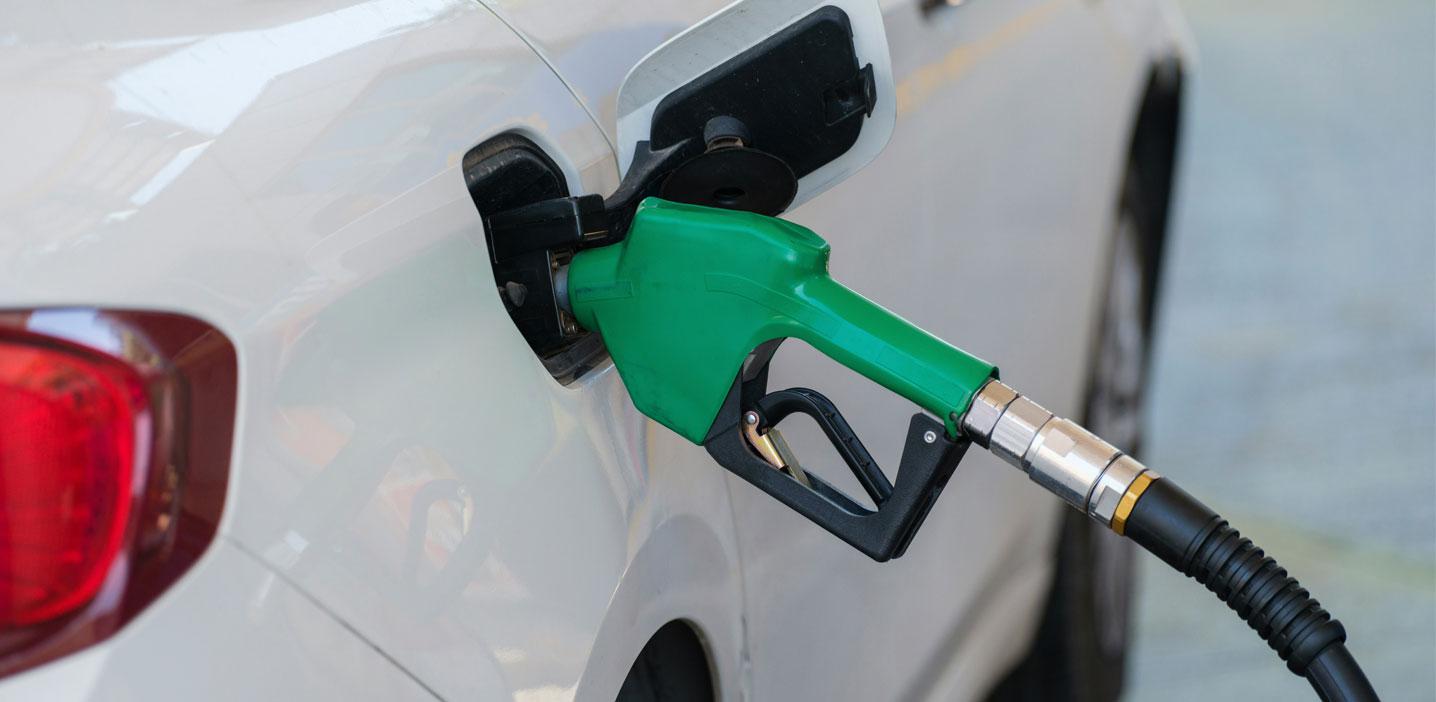
If you’re car shopping in India right now, you’re probably stuck on the big question: petrol or diesel? Honestly, it’s not as simple as one being better than the other. In fact, just like most things in life, the choice is absolutely subjective. It comes down to what you want.
That’s right. You’re the arbiter of your life’s choices on most things. And when it comes to choosing a car, the right choice depends completely on your driving habits, budget, and where you live.
Having said that, the choice between whether to choose a petrol or a diesel car also depends on one crucial factor as well: the overall fuel economy.
What does that mean? Let us put it for you simply: petrol cars have gotten way more efficient, while diesel cars face stricter emission rules. But that’s just one thing that can weigh in on your decision to make a choice. After all, fuel prices are constantly changing. And making the wrong choice can cost you thousands (if not lakhs) over the years.
Diesel vs petrol car decision depends on monthly driving (2000+ km = diesel, <1500 km = petrol), location (NCR = avoid diesel due to bans), and ownership timeline (7+ years = diesel, 3-5 years = petrol).
What are the Key Differences Between Petrol vs Diesel Engine Technology?
Let’s start with the basics. Let’s explore how these engines actually work.
Understanding the technology helps you appreciate why they perform so differently.
How do Petrol Engines Work?
To put it simply: Spark Ignition System Petrol engines use spark plugs to ignite the fuel-air mixture.
When you press the accelerator, fuel mixes with air in the combustion chamber, and a spark plug creates a small electrical spark that sets it all off. This happens thousands of times per minute! The result is smoother operation and quicker acceleration from standstill.
How do Diesel Engines Work?:
Here’s how: Compression Ignition Diesel engines are completely different – they don’t use spark plugs at all.
Instead, they compress air so much that it gets super hot (we’re talking 500-700°C), then inject diesel fuel directly into this hot compressed air. The heat alone ignites the fuel, which is why it’s called compression ignition. This method creates way more torque, making diesel perfect for heavy loads.
How do Petrol and Diesel Engines Compare in Terms of Technical Specifications?
Here’s where you see the real differences:
- Compression Ratio: Diesel engines compress air 14-25 times, while petrol engines only do 8-12 times
- Fuel Efficiency: Diesel engines typically give 20-30% better mileage due to higher compression
- Power Delivery: Petrol engines rev higher (6000-7000 RPM) vs diesel (4000-5000 RPM)
- Thermal Efficiency: Diesel engines convert 45% of fuel energy to power vs 30% for petrol
Key point: Diesel’s higher compression means more power from less fuel, but it also makes the engine heavier and noisier.
Cost Analysis: Purchase Price vs Running Costs
As we’ve mentioned before, Economics are the #1 factor of consideration when it comes to purchasing vehicles for the Indian customers.
This is where most buyers get confused. The sticker price doesn’t tell the whole story – you need to look at total ownership costs over 5+ years.
Let’s look at the initial purchase price comparison in a nutshell
Diesel cars typically cost ₹1-3 lakhs more than their petrol counterparts. For example, a Hyundai Creta diesel costs about ₹2.5 lakhs more than the petrol version. The extra cost comes from stronger engine components and emission control systems needed for diesel.
1. Fuel Cost Calculation
As of May 2026, fuel prices increased by ₹3 per liter across India due to rising global energy costs. Here are the current rates:
- Delhi: Petrol ₹97.77/L, Diesel ₹90.67/L (gap: ₹7.10)
- Mumbai: Petrol ₹106.68/L, Diesel ₹93.03/L (gap: ₹13.65)
- Chennai: Petrol ₹103.80/L, Diesel ₹95.39/L (gap: ₹8.41)
- Kolkata: Petrol ₹108.41/L, Diesel ₹95.02/L (gap: ₹13.39)
- Bengaluru: Petrol ₹102.96/L, Diesel ₹92.50/L (gap: ₹10.46)
The diesel price advantage narrowed to ₹7-14 per liter depending on city. This means diesel’s fuel cost savings are now 15-20% lower than in 2025, directly impacting break-even calculations.
2. Ownership Cost Timeline: Petrol vs Diesel
| Timeline | Petrol Car | Diesel Car | Key Insight |
|---|---|---|---|
| Year 1 | Low EMI (₹24,900/mo), simple servicing | Higher EMI (₹26,600/mo), DPF still clean | Diesel feels expensive; no fuel savings yet |
| Year 3 | Fuel costs add up (₹2.5L total) | Starts recovering fuel savings (₹1.8L total) | Diesel begins closing the gap |
| Year 5 | Total: ₹21L (₹15L + ₹4.2L fuel + ₹1.8L service) | Total: ₹23.1L (₹17.5L + ₹3.1L fuel + ₹2.5L service) | Diesel still ₹2L costlier unless you drive 2000+ km/month |
| Year 10 | Engine aging, may need major service | Engine mechanically strong but hits 10-year Delhi ban | Diesel resale crashes to near-zero in NCR; petrol retains 15-20% value |
Assumptions: Mid-size SUV, 1500 km/month average, May 2026 fuel prices, NCR registration.
3. Maintenance and Service Costs
Diesel cars cost 15-25% more to maintain. Here’s why:
- Oil changes every 10,000 km vs 15,000 km for petrol
- Diesel particulate filter cleaning every 40,000 km (₹8,000-12,000)
- Fuel injector replacement costs ₹15,000-25,000 vs ₹8,000-12,000 for petrol
Important: Diesel makes financial sense only if you drive 1500+ km monthly.
4. Insurance & Road Tax: Hidden Costs
Diesel cars cost more to insure and tax:
Insurance Premiums:
-
Diesel cars: 10-15% higher annual premium due to higher IDV (Insured Declared Value).
-
Example: ₹18,000/year for diesel vs ₹15,500/year for petrol (same model).
-
Over 5 years: Extra ₹12,500-15,000 for diesel.
Road Tax:
-
Varies by state; diesel often taxed 2-4% higher.
-
Delhi: 10% for diesel, 8% for petrol (on ex-showroom price).
-
Maharashtra: 13-18% for diesel, 10-13% for petrol.
Total Hidden Cost Over 5 Years:
Insurance + Road Tax = ₹25,000-40,000 extra for diesel.
Add this to your break-even calculation—it extends diesel’s payback period by 8-12 months.
What About the Performance and the Overall Driving Experience?
How does the overall driving experience stack up when it comes to petrol and diesel vehicles?
Let’s break down the real-world driving differences.
Acceleration and Power Delivery
Petrol cars feel quicker off the line – they accelerate smoothly from low speeds. Diesel cars take a moment to build power but then pull strongly once moving. In city traffic, petrol feels more responsive, while diesel shines on open roads.
Torque and Highway Performance
This is where diesel dominates. Torque is what you feel when overtaking or climbing hills. A typical diesel SUV produces 300-400 Nm of torque, while petrol versions manage 200-250 Nm. That extra torque means easier overtaking and better hill climbing without downshifting.
City Driving vs Highway Cruising
For stop-and-go city traffic, petrol cars are generally better:
- Smother acceleration from traffic lights
- Quieter operation in bumper-to-bumper traffic
- Less vibration at idle
For highway driving, diesel is superior:
- Better fuel economy at constant speeds
- Strong mid-range power for overtaking
- Less frequent fuel stops on long trips
Noise, Vibration and Harshness (NVH)
Modern diesel cars are much quieter than before, but petrol still wins for refinement. Diesel engines produce more vibration, especially at idle. However, cabin insulation in premium cars has improved dramatically – you might not notice much difference in luxury models.
Pro tip: Test drive both versions in your typical driving conditions to feel the difference yourself.
What About the Fuel Prices and Availability in Terms of the Indian Market?
As the truth always is like, understanding the Indian fuel market is crucial for making the right choice.
Current Petrol vs Diesel Prices in Major Cities
As of May 2026, fuel prices increased by ₹3 per liter. Here’s the current price gap:
Maximum Gap: Mumbai has ₹13.65 difference (Petrol ₹106.68 vs Diesel ₹93.03)
Minimum Gap: Delhi has ₹7.10 difference (Petrol ₹97.77 vs Diesel ₹90.67)
Average Gap: Most cities show ₹8-13 difference per liter
The diesel advantage narrowed in 2026, reducing fuel savings by 15-20% compared to 2025.
Fuel Station Availability Across India
Diesel availability is excellent nationwide, but there are regional variations:
- Metro Cities: Equal availability of both fuels
- Tier 2 Cities: Slightly fewer diesel pumps in some areas
- Highways: Diesel prioritized at most highway fuel stations
- Rural Areas: Diesel more commonly available than petrol
Future Price Trends and Predictions
Experts predict diesel prices will remain ₹8-15 cheaper than petrol through 2026-27. However, government policies could change this:
- Possible increase in diesel taxes to bridge the price gap
- Electric vehicle incentives might affect traditional fuel pricing
- Global crude oil fluctuations impact both fuels similarly
Key point: The diesel price advantage isn’t going away soon, but it might narrow slightly over time.
**Prices and availability vary significantly across the country.
What is the Overall Environmental Impact? What are the Regulations?
With climate concerns growing, environmental factors matter more than ever. Let’s look at emissions and regulations.
Emission Standards: BS6 Compliance
All new cars sold in India must meet BS6 standards. Here’s what that means:
- Petrol Cars: Emit 25% less NOx than BS4 models
- Diesel Cars: Require expensive DPF and SCR systems
- Particulate Matter: Diesel cars must have 80% lower PM emissions
BS6 Phase 2 & Real-World Mileage (2026 Update)
From April 2025, all new cars must meet BS6 Phase 2 standards, which include Real Driving Emissions (RDE) testing—measuring emissions during actual driving, not just lab tests.
What Changed:
-
Cars now have onboard diagnostics tracking emissions in real-time.
-
Diesel cars need additional emission control tech (DPF, SCR), adding ₹15,000-50,000 to purchase price.
-
From April 2026, India adopts WLTP (Worldwide Harmonized Light Vehicle Test Procedure), making advertised mileage figures more realistic but 5-10% lower than old lab-tested numbers.
Impact on Buyers:
-
Your diesel car’s real-world mileage may be 15-16 km/L instead of advertised 18 km/L.
-
Petrol mileage may drop from 14 km/L to 12-13 km/L.
-
This narrows diesel’s fuel efficiency advantage by 10-15%, extending break-even time by 6-9 months.
Carbon Footprint Comparison
While diesel produces more local pollutants, its carbon footprint is complex:
- Diesel emits 15-20% less CO2 per kilometer driven
- However, it produces more nitrogen oxides and particulate matter
- Modern diesel filters capture 99% of soot particles
Future Regulatory Changes
The government is pushing toward cleaner alternatives:
- BS7 standards expected by 2027-28
- Possible additional taxes on diesel vehicles in polluted cities
- Incentives for hybrid and electric vehicles increasing
2026 Diesel Restrictions: What You Need to Know
If you are buying a diesel car in 2026, be aware of these active restrictions in Delhi-NCR:
Delhi-NCR Entry Bans (Effective 2026):
-
From January 1, 2026: No new petrol or diesel vehicles allowed for cab aggregators, delivery fleets, or e-commerce companies.
-
From July 1, 2026: All non-BS6 diesel transport vehicles banned from entering Delhi.
-
From November 1, 2026: Extended to Gurgaon, Faridabad, Ghaziabad, Gautam Budh Nagar, and Sonipat.
Age-Based Bans Still Active:
-
Diesel vehicles over 10 years old cannot operate in Delhi-NCR.
-
Petrol vehicles over 15 years old face similar bans.
GRAP Stage III (Seasonal):
-
During high pollution periods, BS4 diesel vehicles face temporary operation bans (BS3 petrol and BS6 vehicles exempt).
Impact on Resale:
Diesel cars registered in 2026 will hit the 10-year ban limit by 2036. This reduces long-term resale value in NCR by 20-30% compared to petrol.
Eco-Friendly Alternatives
If you’re environmentally conscious, consider these options:
- CNG: 50% cheaper than petrol, much cleaner emissions
- Hybrid: Combines petrol efficiency with electric assistance
- Electric: Zero tailpipe emissions, but higher upfront cost
Important: BS6 diesel cars are much cleaner than older models, but petrol still has an edge in urban air quality.
Choose Petrol If:
✅ Choose Petrol If:
-
You drive less than 1500 km per month consistently
-
Most driving is city traffic with frequent stops
-
You live in Delhi-NCR (diesel ban risk)
-
You plan to sell within 3-5 years (better resale)
-
You want quieter, smoother operation
-
Your budget is tight for upfront payment
✅ Choose Diesel If:
-
You drive 2000+ km per month consistently (highways/long commutes)
-
You live outside NCR (no diesel ban risk)
-
You plan to keep the car 7-10 years
-
You carry heavy loads or tow trailers regularly
-
You prefer high torque for hill driving
-
You don’t mind higher service costs
⚠️ Avoid Diesel If:
-
You drive mostly in NCR cities (resale will tank by 2030)
-
You plan to upgrade to EV in 3-5 years (diesel loses value faster)
-
Your monthly running is below 1200 km (you’ll never recover the extra cost)
Petrol Car: Ideal for City Commuters
Let’s make it simple for everyone. Choose a petrol vehicle if Choose petrol if:
- You drive less than 1,000 km per month
- Most driving is in city traffic with frequent stops
- You prefer quieter, smoother operation
- Budget is tight for initial purchase
- You plan to sell within 3-4 years
Diesel Car: Best for Highway Warriors
Want to go for diesel cars? Make sure to do so if:
- You drive 1,500+ km monthly
- Regular highway trips or long commutes
- You frequently carry heavy loads or passengers
- Planning to keep the car 5+ years
- Live in areas with significant diesel price advantage
Resale Value Considerations
Diesel cars traditionally held value better, but this is changing:
- 3-year-old diesel: 60-65% resale value
- 3-year-old petrol: 55-60% resale value
- However, diesel resale values are dropping due to emission concerns
Pro tip: Calculate your exact monthly running before deciding – it’s the most important factor.
Frequently Asked Questions
1. Which is better for long drives: petrol or diesel?
A.Diesel is generally better for long drives and highway cruising. The higher torque means easier overtaking, and you get better fuel economy at constant speeds. A diesel car can cover 700-800 km on a full tank versus 500-600 km for petrol on similar routes.
2. What’s the main technical difference between petrol and diesel engines?
A.The fundamental difference is ignition method. Petrol engines use spark plugs to ignite the fuel-air mixture, while diesel engines compress air until it gets hot enough to ignite diesel fuel automatically. This compression ignition gives diesel engines higher efficiency and more torque.
3. Is diesel car good for city driving in India?
A.Modern diesel cars work fine in city traffic, but petrol is generally better suited. Diesel engines produce more vibration at idle and take longer to warm up. However, if you do mixed city-highway driving with decent monthly running, diesel can still make sense financially.
4. How much more expensive is diesel car maintenance?
Diesel maintenance costs 15-25% more than petrol. Service intervals are shorter (10,000 km vs 15,000 km), and components like fuel injectors and particulate filters are more expensive to replace. Expect to pay ₹2,000-4,000 more per service on average.
5. Which has better resale value: petrol or diesel?
Diesel cars traditionally had better resale, but the gap is narrowing. A 3-year-old diesel retains 60-65% value versus 55-60% for petrol. However, with increasing emission regulations, diesel resale values are becoming less predictable.
6. Should I buy diesel car in 2026 considering future regulations?
If you drive enough to justify the higher cost (2,000+ km monthly) and live outside NCR, diesel still makes sense in 2026. However, be aware that: – NCR diesel cars lose 20-30% resale value due to 10-year ban – Break-even now requires 4-6 years instead of 3-4 years – EVs may be cheaper by 2028-2029 For lower mileage drivers (<1500 km/month) or NCR residents, petrol or EV options are safer long-term choices.
Should You Consider an EV Instead?
If you are buying a car in 2026, electric vehicles (EVs) are now a serious alternative:
When EVs Make Sense:
-
You drive 1500+ km per month (lowest per-km cost)
-
You have home charging or reliable workplace charging
-
You mostly drive within city limits (80-120 km daily range)
-
You qualify for state subsidies (₹50,000-1.5 lakh in many states)
EV vs Petrol vs Diesel (5-Year Ownership):
| Factor | Petrol | Diesel | EV |
|---|---|---|---|
| Purchase Price | ₹15L | ₹17.5L | ₹18L (after subsidy) |
| Fuel/Charging (5 years, 1500 km/mo) | ₹4.2L | ₹3.1L | ₹1L |
| Maintenance | ₹1.8L | ₹2.5L | ₹0.8L |
| Total | ₹21L | ₹23.1L | ₹19.8L |
EV Wins If:
-
You drive 1500+ km/month (saves ₹1.2-3.3L over 5 years)
-
You have access to cheap/free charging
-
You don’t take frequent 500+ km highway trips
Stick to Petrol/Diesel If:
-
Charging infrastructure is poor in your area
-
You frequently drive 300+ km without charge stops
-
You need towing capacity or rugged off-road performance
Conclusion
So what’s the bottom line?
Here it is: There’s no universal ‘best’ choice between petrol and diesel. It completely depends on your driving patterns and budget. If you’re a city commuter driving under 1,000 km monthly, petrol is probably your best bet – it’s cheaper to buy, smoother to drive, and less complicated to maintain.
But if you’re racking up serious highway miles or carrying heavy loads regularly, diesel’s fuel efficiency and torque advantage will save you money in the long run. Whatever you decide is the best option for you. So make sure to make the right choice!
Based on 7 ratings

Karan (Author)
With an experience of over 7.5 + years in media and communications, Karan is seeking to leverage his skillset to pursue his interest in working for renewables and clean energy. He has experience across advertising, news media, commercial real estate, and the technology industries. He continues to use that drive to contribute to Ecozaar daily to achieve higher goals and learn more. He doesn’t get (or want) much free time. But when he has it, you will see him indulging his excessive audiophilia, cinephilia, and unhealthy obsession with daily news cycles, or playing old RPGs on the PC.
Read more
Related Blogs
Popular articles are selected from the same backend blog feed.


Best Bikes Under 1 Lakh in India: Price, Mileage & Low-Maintenance Commuters
Compare the best bikes under ₹1 lakh in India by price, real-world mileage, maintenance and safety — from sub-₹60k commuters to 125cc options near ₹1 lakh.

Best Bikes Under 2 Lakh in India: Streetfighters, Cruisers & All-Rounders
Compare the best bikes under ₹2 lakh in India: verified ex-showroom prices, real-world mileage, ABS and hardware, and which model fits your budget.
Best Sports Bikes Under 5 Lakh in India: Track Bikes, Supersports & Top Speed Comparison
Compare the best sports bikes under ₹5 lakh in India by 0–100 km/h, GPS top speed, track ability, electronics, mileage and ownership costs.

Best Electric Scooters Under 1 Lakh in India: Real-World Range, Subsidy & Price List
Compare the best electric scooters under ₹1 lakh by real-world range, battery size, charging, PM E-DRIVE benefits, running cost, build quality and family practi
Best Low-Cost Electric Scooters Under ₹40,000–₹50,000: Non-RTO & Budget Commuters
Compare low-cost electric scooters under ₹40,000–50,000 by price, range, battery type, charging, non-RTO rules, running cost and practical ownership risks.
Best 110cc–125cc Family Commuter Scooters in India: Mileage, Comfort & Price Comparison
Compare the best 110cc and 125cc scooters in India by price, real-world mileage, comfort, storage, braking, running cost and the value of upgrading to 125cc.

Best 150cc–160cc Bikes in India: Mileage, Price, Specs & Performance
Compare India's best 150cc–160cc bikes on mileage, price, power, braking and comfort — Pulsar N160, Apache RTR 160 4V, Xtreme 160R, FZ-S and more.

Best 200cc–250cc Performance Bikes in India: Power, Mileage & Highway Cruising
Compare India's best 200cc–250cc bikes on power-to-weight, real-world mileage, highway cruising and price, with the 200cc and 250cc classes covered together.