Karnataka Electric Vehicle Policy 2026: Benefits & Key Highlights
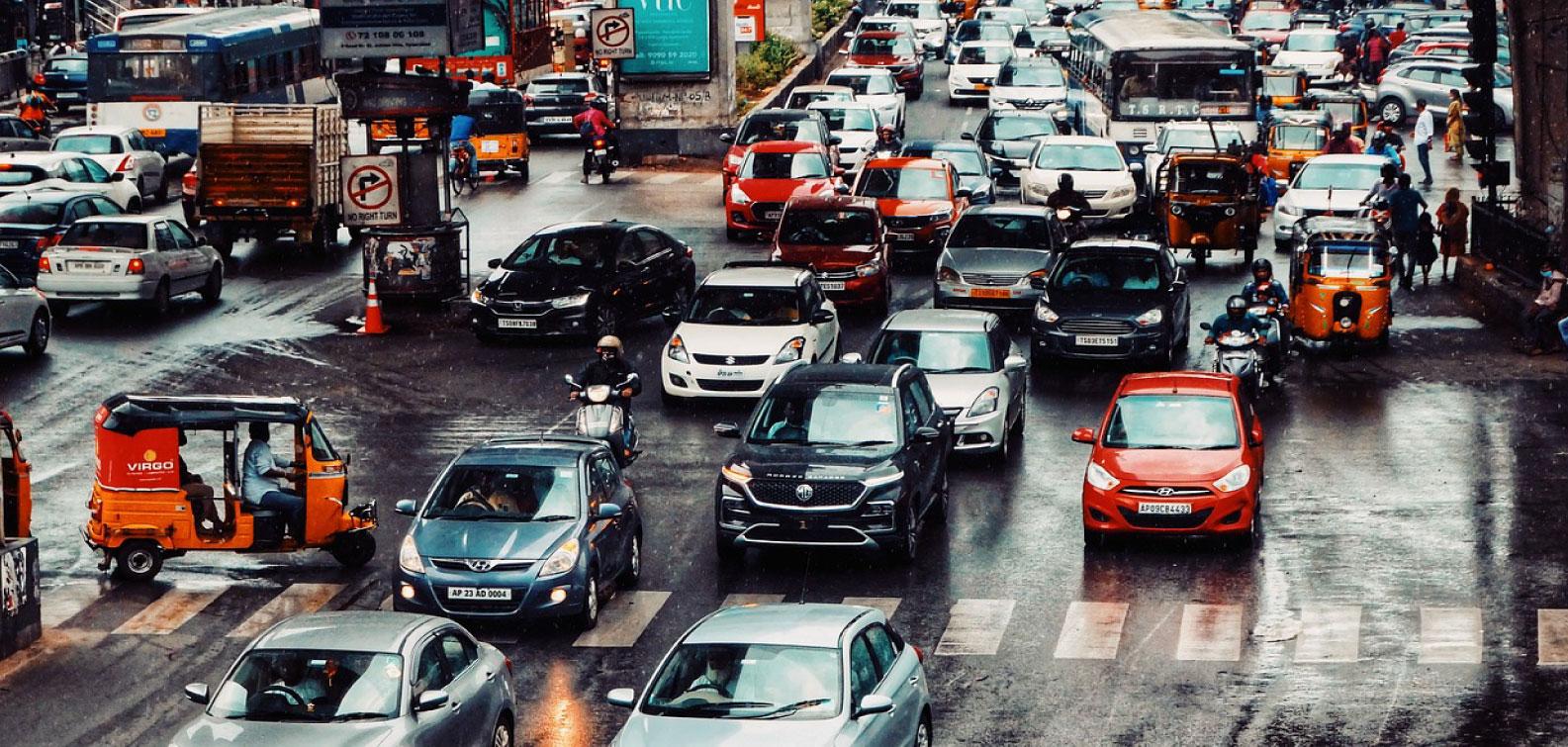
The Karnataka Electric Vehicle Policy (2025–2030) offers subsidies, tax exemptions, and infrastructure support to boost EV adoption, reduce emissions, and attract ₹50,000 crore in investments.
In India’s overall clean energy story, Karnataka has emerged as a key protagonist. The state, which is known to foster innovation has embraced the green mobility revolution with an ambitious Clean Mobility Policy that will be operational from 2025 to 2030.
The central initiative—at the heart of the Karnataka Electric Vehicle Policy— is all set to reduce carbon emissions with targets of attracting investments worth ₹50,000 crore and generating 1,00,000 new jobs.
The policy not only covers electric vehicles (EVs) but also integrates green hydrogen, ammonia, and other clean energy technologies. To demystify this powerful policy, let’s break down its key components, understand various stakeholder benefits, and understand how the available incentives can be accessed.
What Is the Karnataka Electric Vehicle Policy?
The current policy, plugged under a nationwide campaign to encourage EV adoption, builds on its predecessor: Karnataka’s earlier 2017 Electric Vehicle and Energy Storage Policy. Which overall attracted investments worth approximately ₹25,000 crore—and had been helpful in the direction of the new policy’s focal areas.
That’s perhaps why Karnataka’s policy includes not only EVs but also hydrogen-powered and other clean energy vehicles.
The key objectives of the policy are to:
- Lower vehicular emissions by encouraging a shift from fossil fuels to cleaner energy alternatives.
- Cut down on imported fuel dependence through locally sourced electricity and renewable energy solutions.
- Create a vibrant ecosystem for EV production by inviting capital investment incentives and generating support for MSMEs.
- Expand the charging network and establish hydrogen fueling stations through public-private partnerships.
- Build a skilled workforce for the clean mobility sector by collaborating with academic institutions and industry experts.
Incentives at a Glance
Here is a simplified snapshot of key incentives:
-
Two-wheelers: Subsidy up to ~₹25,000 based on battery size
-
Three-wheelers: Tiered incentives for commercial use
-
Electric cars: 10–15% subsidy (up to ~₹1.5 lakh cap)
-
Buses: Government procurement incentives
-
Road tax: Major exemptions for EVs
-
Registration fees: Waived or reduced
-
Charging stations: PPP support for expansion
-
Manufacturers: 15–25% capital subsidy
Subsidies & Incentives Under the Policy
From consumers to commercial buyers – Karnataka is set to experience EV growth across all categories. But are there any aspects relevant to you? Let’s find out.
1. Purchase Subsidies:
For electric cars, the state offers subsidies amounting to 10–15% of the ex-factory price—subject to a maximum cap (typically around Rs. 1.5 lakh).
Example: EV Savings Breakdown:
Here’s a simple example to understand how much you can save under the Karnataka EV policy.
Suppose you purchase an electric car priced at ₹15 lakh (ex-factory). With a subsidy of up to 10–15%, you could receive a benefit of around ₹1–1.5 lakh, depending on eligibility.
In addition:
-
Road tax exemption can save ₹1–2 lakh
-
Registration fee waiver adds further savings
-
Lower running costs (₹1–1.5 per km vs ₹6–8 for petrol)
Overall, the total savings over time can exceed ₹3–5 lakh when combining upfront incentives and long-term fuel savings.
This makes EVs significantly more cost-effective compared to petrol or diesel vehicles.
2. Tax and Fee Exemptions:
The policy provides road tax and registration fee exemptions for qualifying EVs and strong hybrids, particularly for vehicles priced below a specified threshold (e.g., under ₹25 lakh). This initiative is aimed at making EVs more competitive compared to traditional vehicles.
3. Capital Investment Incentives:
Manufacturers and infrastructure developers can go for capital subsidies ranging from 15% to 25% on fixed asset investments—covering land, machinery, and related expenditures. This measure is designed to attract both domestic and foreign investments into Karnataka’s clean mobility value chain, targeting an overall investment of ₹50,000 crore by 2030.
4. Support for MSMEs and Infrastructure:
The policy also includes specific benefits for MSMEs, such as exemptions from stamp duty and registration charges, along with support for land conversion fees.
Eligibility Criteria
To benefit from the Karnataka Electric Vehicle Policy, vehicles and applicants must meet specific eligibility conditions. These vary depending on the vehicle category and usage.
For individual buyers, eligibility typically depends on factors such as battery capacity, vehicle price limits, and registration within Karnataka. For example, incentives are often restricted to vehicles below a certain cost threshold and must comply with performance standards set by the government.
For businesses and manufacturers, eligibility includes investment size, project location within Karnataka, and alignment with clean mobility goals such as EV production, battery manufacturing, or charging infrastructure development.
Key checklist:
-
Vehicle must be registered in Karnataka
-
Must meet battery and performance criteria
-
Price cap may apply (e.g., under ₹25 lakh for certain benefits)
-
Commercial applicants must submit project proposals
Refer to the official policy document for exact criteria, as conditions may vary by category.
Karnataka’s Charging Infrastructure & Expansion Plans
EV expansion without a robust charging network to follow cannot successfully thrive. With a keen understanding of that, the Karnataka government has undertaken the following measures in relation to charging infrastructure:
- Expansion:
Karnataka plans to augment its existing network of over 5,400 EV charging stations by adding approximately 2,600 new stations through public–private partnerships. - Clean Mobility Clusters:
The policy envisions the creation of three dedicated mobility clusters located in Gauribidanur, Dharwad, and Harohalli. These clusters will serve as integrated hubs bringing together OEMs, suppliers, R&D centers, and testing facilities to drive innovation and streamline the clean mobility value chain. - Hydrogen Fueling and Multi-Modal Infrastructure:
Beyond conventional EV charging, the policy also promotes the development of hydrogen fueling stations and supports retrofitting projects for existing vehicles. This multi-modal approach aims to future-proof Karnataka’s transportation sector and facilitate the adoption of diverse clean energy technologies.
These initiatives are some of the most comprehensive in India. To dive into these expansions, explore the following article: Economic Times report on Karnataka’s clean mobility policy.
Who Can Benefit from the Policy?
The benefits of the Karnataka electric vehicle policy are designed to be far-reaching, positively affecting various aspects of the economy:
- Individual Consumers:
Want to access reduced upfront costs through purchase subsidies and tax exemptions? This policy makes it possible for all Karnataka residents. - Commercial Fleet Operators:
Companies operating fleets—for taxis, ride-hailing services, delivery vehicles, etc.—will benefit from lower fuel and maintenance costs. - Manufacturers and Investors:
Capital investment incentives (15–25% on fixed assets) and other concessions make Karnataka an attractive destination for setting up or expanding EV manufacturing plants. - Infrastructure Providers:
Businesses developing charging stations, battery-swapping facilities, and hydrogen fueling infrastructure stand to gain from the improved regulatory framework and the public-private partnership model. - MSMEs and Startups:
MSMEs can also expect exemptions from stamp duty and registration charges.
From consumers to large-scale manufacturers, there’s something for everyone under Karnataka’s EV policy. The objective is to check eligibility and explore benefits for what’s most relevant to your objects.
How to Apply for EV Subsidies in Karnataka
So, you’re keen to explore the subsidies but don’t know where to start? Don’t worry, we’ve got your back.
- First, verify eligibility: Make sure your project meets the performance, battery capacity, and price criteria outlined in the official policy document. For detailed criteria, refer to the Karnataka Clean Mobility Policy PDF.
- Online Registration:
Visit the official Karnataka EV portal on the Karnataka Government website and complete the registration process. Make sure you gather all documentation such as purchase receipts, technical specifications, and project proposals for the same. - Submit Supporting Documents:
Upload all necessary documents as specified in the application guidelines. - Application Verification:
Your application will be reviewed by the Karnataka Transport Department and other relevant agencies. Upon successful verification, you will receive approval for the subsidy. - Subsidy Disbursement:
Once approved, the subsidy amount will either be deducted directly from the purchase price at the time of sale or reimbursed to the applicant, as applicable.
Important tip: Always confirm with the dealer whether the subsidy is instant or reimbursement-based.
Karnataka vs Other EV Policies
Karnataka’s EV policy stands out when compared to other major states like Delhi and Maharashtra.
Key differences:
-
Karnataka focuses heavily on manufacturing and investments (₹50,000 crore target)
-
Delhi offers stronger direct consumer subsidies, especially for two-wheelers
-
Maharashtra emphasizes early adoption incentives and urban EV penetration
What makes Karnataka unique is its ecosystem approach. Instead of focusing only on buyers, it supports:
-
EV manufacturing clusters
-
R&D and innovation hubs
-
Hydrogen and future mobility solutions
This positions Karnataka as a long-term clean mobility hub rather than just a high-subsidy market.
For buyers, this means better infrastructure and availability in the future, even if upfront subsidies may not always be the highest.
Impact on the Market & Future Prospects
The Karnataka electric vehicle policy is poised to create significant market and economic benefits:
- Increased EV Adoption: Analysts expect that this policy will contribute to Karnataka’s rising EV market share.
- Strengthening the Local Ecosystem: The policy will certainly spur local manufacturing, encourage R&D, and build a robust supply chain—all of which are essential for long-term industry growth.
- Job Creation and Economic Growth: With a target of creating one lakh new jobs and attracting investments worth ₹50,000 crore, the policy is expected to have a multiplier effect on related sectors.
- Enhanced Infrastructure: The planned expansion of charging stations and the development of hydrogen fueling infrastructure will address key challenges such as range anxiety and accessibility.
- Environmental Benefits: A large-scale transition to clean mobility will contribute to improved air quality and reduced carbon emissions.
FAQs
Is there a subsidy for electric scooters in Karnataka?
Yes, electric two-wheelers are eligible for subsidies based on battery capacity and performance criteria, subject to policy limits.
Is road tax fully waived for EVs?
In most cases, EVs enjoy significant or full road tax exemption, especially within defined price brackets.
Are hybrid cars included in the policy?
Some strong hybrids may receive tax benefits, but full incentives are primarily focused on electric vehicles.
How long will the policy remain active?
The current Clean Mobility Policy is expected to run from 2025 to 2030.
Can I get both central and state subsidies?
Yes, eligible buyers may combine central (FAME) and state incentives, depending on compliance.
Who is eligible for subsidies under the Karnataka EV Policy?
Both consumer and commercial vehicles are covered under this policy. To know more in detail, you can explore the official Karnataka Clean Mobility Policy PDF for details.
What vehicle segments and infrastructure projects are covered?
The policy covers electric two-wheelers, three-wheelers, passenger cars, and public transport buses. In addition, it supports the expansion of public charging stations, battery-swapping facilities, and hydrogen fueling stations as part of a broader clean mobility ecosystem.
How can manufacturers benefit from this policy?
Manufacturers can avail capital subsidies ( ), tax exemptions, and support for establishing dedicated clean mobility clusters. These measures help reduce production costs and boost local manufacturing. Read more about capital subsidies in this article.
How does one apply for subsidies?
Applicants must register online on the official Karnataka EV portal via the Karnataka Government website, submit the required documents, and follow the verification process administered by the Karnataka Transport Department. Detailed guidelines are available on the department’s website.
Conclusion
Karnataka, as always, has proven itself to be ahead of the curve when it comes to innovation.
By offering well-targeted subsidies, tax exemptions, and comprehensive support for infrastructure and local manufacturing, the policy is set to boost EV adoption.
However the question remains, will Karnataka emerge as a global leader in clean mobility due to bolstered government incentives? As the world moves towards cleaner energy, it will have enough incentive to position itself as a leading name in it.
Based on 19 ratings

Tanushree (Author)
Tanushree is a dynamic business strategist with a knack for driving innovation in startups, especially in Fintech and Edtech. With 9 years of work-ex, an IT engineer from MIT Pune, & a MBA from IIM Bangalore (Marketing & Business Strategy), she’s got the mix of analytical and creative problem-solving.
Read more
Related Blogs
Popular articles are selected from the same backend blog feed.

Renew Your Driving Licence Online: State-Wise Parivahan Steps
You risk a ₹5,000 fine if your licence expires. Renew your driving licence online via Parivahan to avoid late fees and re-tests before the grace period ends.
EV Charging Station Franchise in India 2026: Cost, Profit & How to Apply
Compare Tata Power, ChargeZone, Statiq and ZEON EV charging station franchise costs from ₹15 lakh, plus realistic earnings and PM E-DRIVE subsidies.
Batteries Used in Electric Vehicles in India: Costs and Lifespan
Types of batteries used in electric vehicles: LFP, NMC, NCA, NiMH, lead-acid, and solid-state. Compare energy density, costs, safety, and India EV models.
PM E-DRIVE Scheme 2026: Subsidy, Eligibility & How to Apply (India)
PM E-Drive e-2W subsidies end 31 July 2026 and the fund is limited. Check eligibility, subsidy amounts, and claim steps before the deadline.

Honda Adventure & Touring Bikes in India 2026: The Complete Rider’s Guide
Which Honda adventure bike suits your riding style and budget? Compare CB200X, NX500 and Africa Twin with 2026 India prices, specs and mileage figures.
Ex-Showroom Price in India: Meaning, GST & On-Road Cost
What is ex-showroom price? Learn what it includes, GST rules, road tax, RTO, insurance and how to calculate your vehicle's on-road price in India.
Vehicle Fitness Certificate in India: Fees, Rules & Online Apply
Vehicle Fitness Certificate (FC) in India: Learn how to apply online, download your FC, check fees, validity, renewal rules and penalties for expired certificat
Premium Petrol vs Normal Petrol: The Complete 2026 Guide for Indian Cars
Premium petrol costs ₹15–₹17 more per litre but boosts mileage 3–5% in engines designed for high octane. XP95, Power 95, Power99, and E20 explained.