Toll Plaza Rules: Exempted FASTag, Locals, Receipts, Tariff
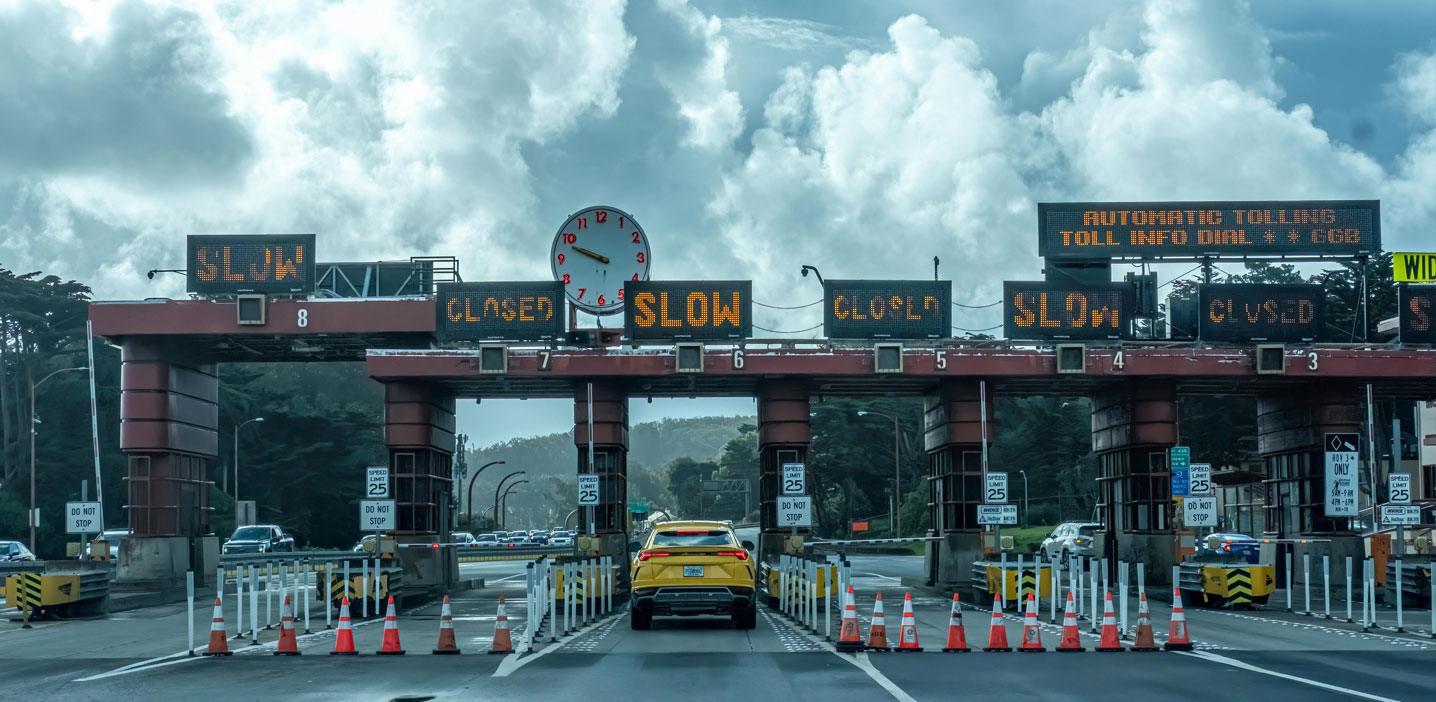
As a result of FASTags now being mandatory on all of India’s national highways, toll collection is now faster and more efficient. There are, however, certain rules related to this system regulating toll exemption, local resident pass, and the issuing of receipts.
Whether a government representative, emergency service personnel, local citizens surrounding a toll plaza site, or an everyday commuter on the road, it is critical to be well-versed in these regulations to ensure no delays, controversies, or fines are incurred.
Vehicles and individuals are exempt from paying tolls in certain cases, but even these will need to possess an exempted FASTag issued only by NHAI—not by banks. The locals may be eligible for discounted or free passes, issued by way of the toll plaza office, on a case-by-case basis.
Another critical guideline is this: NHAI also specifies that no toll queues must be over 100 metres long; longer queues might be allowed to continue without payment until normal flow is re-established.
Looking to gain a detailed overview on all toll plaza rules? This guide has all the information you need. It answers critical questions like: Which tolls will be exempted? How to apply for an exempted FASTag? When are tolls exempted?, etc.
Ready to stay up-to-date with all this critical information? Let’s get cracking.
Important FASTag Facts
Let’s Review Some Quick Answers at a Glance
Let’s start with a few important facts you should know:
- Exempted FASTag: If your vehicle is exempt from paying tolls, then you must possess an exempted FASTag by NHAI (not banks). These are provided to one absolutely free of charge and are used in case of official duty where it is relevant.
- Queue regulations: According to NHAI norms, queues at toll plazas will be limited to 100 metres. If queues are longer than this threshold, toll operators are allowed to let vehicles through toll-free on an emergency basis to ease up traffic.
- Resident passes: Resident discounts and passes are administered by the plaza’s concessionaire according to the individual concession agreement. Qualified residents must apply at the toll plaza office utilizing genuine proof of residence and vehicle ownership.
- Receipts and clarity: Every payment through FASTag or cash is accompanied by a receipt stating the plaza name, vehicle category, amount paid, and date and time. The online subscribers of digitalFASTag are even able to check statements.
Essential NHAI Toll Tax Rules you must Know
India’s National Highways Authority of India (NHAI) enforces a clear toll collection framework. By 2026, here are the standard rules in place:
-
Processing time: NHAI guidelines call for toll plazas to process each vehicle in not more than 10 seconds.
-
100-metre rule: If queues exceed 100 metres, vehicles may be allowed to pass without toll collection until the queue returns within limit.
-
Annual pass: The FASTag Annual Pass was launched on August 15, 2025 for private non-commercial vehicles.
-
UPI rule: Since November 15, 2025, non-FASTag vehicles paying via UPI are charged 1.25 times the applicable toll, while cash payments are charged 2 times.
-
No FASTag: Vehicles without a valid FASTag may be charged 2 times the applicable toll if paying in cash.
The validity of the exemption varies:
- Government department vehicles: typically 5 years.
- Private individuals under eligible categories: usually 1 year.
- Elected officials (e.g., MPs, MLAs): Validity corresponds to their term in office.
Legal Basis for Toll Rules
India’s toll collection system operates under the National Highways Fee (Determination of Rates and Collection) Rules, 2008, issued by the Ministry of Road Transport and Highways (MoRTH). These rules define who must pay tolls, exemption categories, and how toll plazas should operate.
Rule 11 of these regulations clearly lists exempted vehicles, including constitutional authorities, emergency vehicles, and certain official-use government vehicles. Updates to FASTag, penalties, and queue management are issued through circulars by NHAI and IHMCL.
For users, this means toll rules are not arbitrary—they are legally defined and enforceable across national highways. Checking official notifications helps avoid misinformation, especially regarding exemptions and penalties.
One Vehicle = One FASTag & KYC Rules
In 2025 the “One Vehicle, One FASTag” policy is strictly enforced: a single registration number must have only one active tag. Using multiple tags or tags linked only via chassis number can lead to invalidation.
Also, KYC (Know Your Customer) compliance for FASTag accounts is mandatory. If KYC is incomplete, the tag may be blacklisted, which will cause transaction failure and potential penalties.
Vehicle owners should check their FASTag issuer portal and ensure linked vehicle number, account details, and physical affix of tag are correct.
Toll Exemption List (Who is Exempt): With Validity and Proof
Toll exemptions are not arbitrary. Only specific categories of vehicles and individuals qualify, and the exemption is only applicable when traveling on official duty.
Exemption Categories
| Category | When Toll-Free | Required Proof | Tag Type & Validity |
| Dignitaries and Judiciary (President, PM, Governors, Judges, MPs, MLAs, Ministers) | Only during official travel | Govt ID, letter from department | Exempted FASTag; validity based on tenure |
| Armed Forces & CAPFs (Army, Navy, Air Force, CRPF, BSF, etc.) | Official vehicles or travel on duty | Department authorization, official vehicle | Exempted FASTag; per category guidelines |
| Emergency Services (Ambulance, Fire, Hearse) | While in emergency duty | Vehicle registration, service ID | Exempted FASTag; usually long-term |
| Public Transport Vehicles (State-run buses) | Where notified | Departmental proof | Exempted FASTag; plaza/project specific |
Note: Personal vehicles of defence or paramilitary personnel are not automatically exempt unless used for official purposes.
How to Apply for Exempted FASTag (Online)
Eligible individuals and organizations must apply for an Exempted FASTag through the official NHAI process:
- Visit the IHMCL portal (https://exemptedfastag.ihmcl.com).
- Register or log in with valid credentials.
- Select your exemption category and fill in all required details.
- Upload documents like:
- Vehicle Registration Certificate (RC)
- Valid photo ID
- Proof of exemption (e.g., government letter, official ID)
- Submit the application online.
Once verified, your tag will be issued. You’ll be notified to collect the exempted FASTag from the designated NHAI Regional Office.
What is the validity? We’re so glad you asked. Explore them below:
- Government departments: Up to 5 years
- Private individuals under eligible categories: 1 year
- Elected representatives: Duration of their term
Remember: Exempted FASTags are completely free under the National Highway Fee Rules.
Annual FASTag Pass (₹3,000)
From August 15, 2025 the FASTag Annual Pass has been introduced for private non-commercial vehicles (cars, jeeps, vans). It allows either one year of travel or up to 200 toll trips (whichever comes first) on specified national highway/expressway toll plazas.
The pass costs ₹3,000 and is activated on your existing FASTag (you don’t need to buy a new tag if your existing one is VRN-linked and active).
However, it is not valid on all state-or concessionaire-controlled toll plazas (only those under National Highways Authority of India (NHAI)/Ministry of Road Transport & Highways-managed national highways.
Toll Rules for Local Residents: The ‘Resident Pass’
Discounts or free-passes for local residents depend entirely on the concession agreement of the particular highway project. Some toll plazas may offer monthly passes, others only annual; some may give 50 % discount, others full exemption for eligible locals.
Key Points
- Local passes are not universal — their availability, discount rate, and duration depend on the terms of the concession agreement signed during the construction of the highway project.
- To apply, visit the toll plaza’s office (usually located at or near the toll booth).
- Carry the following documents:
- Proof of residence (utility bill, Aadhaar card, etc.)
- Vehicle’s RC (Registration Certificate)
- Your ID (PAN, DL, etc.)
- Passport-sized photographs
Fees and validity periods vary widely, so it’s best to check at your specific toll plaza for exact terms.
Note: Many online queries about “free passes” for locals are misleading; they often refer to this resident/frequent-user pass, not a complete toll exemption.
Queue and Waiting-time Rules: The ‘100 Meter Line’ and Other Processing Targets
NHAI has established operational standards for toll plaza efficiency to avoid long queues and delays.
What You Need to Know:
- Queue lengths should not exceed 100 metres. This is often marked by a yellow line on the road before the toll booth.
- If the queue crosses this 100m line, toll operators are required to let vehicles pass without collecting the toll until the queue reduces.
- Each vehicle must be processed in around 10 seconds, allowing for smoother traffic flow.
Contrary to old beliefs, the “3-minute free wait rule” is no longer a pan-India policy. It has been replaced by the 100-metre queue rule for consistency and clarity.
FASTag Penalties Explained
Here’s a quick breakdown of penalties:
| Situation | What Happens |
|---|---|
| No FASTag | Pay up to 2× toll |
| Invalid/blacklisted FASTag | Treated as no FASTag |
| UPI payment (select plazas) | Around 1.25× toll |
| Insufficient balance | Transaction failure + possible penalty |
These rules apply mainly on national highways under NHAI. State highways may follow different systems.
Always maintain balance and valid KYC to avoid extra charges and delays.
Common Real-Life Scenarios
Here are some common situations drivers face at toll plazas:
-
FASTag has low balance: Barrier may not open; you may need to pay double toll or recharge quickly via app.
-
FASTag blacklisted: Treated as invalid; penalty charges apply.
-
Wrong vehicle linked: Transaction may fail, causing delays and possible fines.
-
Cash lane use with valid FASTag: You may still be charged extra depending on lane rules.
In most cases, keeping sufficient balance and updated KYC avoids issues. Checking your FASTag status before long trips is strongly recommended.
Toll Plaza Operations and Receipts
India’s toll plazas operate 24×7, and every transaction is recorded — whether done via FASTag or cash.
Receipts and Records:
- Digital users receive toll details through their FASTag statements or app notifications.
- Those using cash lanes get physical receipts mentioning:
- Toll plaza name
- Vehicle class
- Date and time
- Toll amount
- These receipts are essential for audits, reimbursements, or any disputes.
The toll plaza office also handles:
- Local resident pass applications
- Grievance redressals
- Assistance with exempted FASTag (coordination only; tag collection is via NHAI RO)
How to Raise Toll Complaints?
If you are wrongly charged at a toll plaza, you can file a complaint through:
-
NHAI helpline: 1033 (24×7)
-
FASTag issuer app or bank portal
-
NHAI website grievance section
Keep these details ready:
-
Vehicle number
-
Date and time of transaction
-
Toll plaza name
-
Transaction ID (from SMS or receipt)
Most issues like double deduction or incorrect vehicle classification can be resolved within a few days after verification.
How to Check Toll Charges Online
Toll charges in India vary depending on your vehicle type, highway project, and location. To avoid unexpected costs, always check toll rates in advance.
Use official platforms like the NHAI or IHMCL websites to find accurate toll information for your route.
Many FASTag issuers and third-party apps also offer real-time toll calculators. This is especially important for long or interstate journeys, as toll fees can differ significantly even between nearby toll plazas.
Verifying charges beforehand ensures smoother travel and helps you budget accurately for your trip.
How to Calculate Toll Cost?
To estimate your toll cost before a trip:
-
Visit the official NHAI toll calculator or FASTag partner apps.
-
Enter your source and destination.
-
Select your vehicle type (car, LCV, truck, etc.).
-
View toll plazas on your route and total charges.
Example: A Bengaluru–Chennai trip may include multiple toll plazas, each charging separately based on distance and vehicle class.
This helps you budget fuel + toll costs together and avoid surprises during long journeys.
Frequently Asked Questions
1. Are state government employees toll-free?
No. Exemption applies only to specific categories like elected officials or departmental vehicles on duty. General employees are not automatically exempt.
2. Do exempt vehicles still need FASTag?
Yes. Exempted vehicles must have a valid Exempted FASTag to pass through toll plazas without manual interruption.
3. Can I use a bank to get an exempted FASTag?
No. Exempted FASTags are only issued by NHAI’s authorized agency, not by member banks.
4. Is the 3-minute free rule valid nationwide?
No. The current focus is on the 100-metre queue threshold and 10-second processing target. The “3-minute rule” is outdated and not uniformly enforced.
Final Thoughts
The toll system in India is undergoing a critical transformation on the basis of a focus on automated systems, increased clarity, and simplified trip flows. As FASTag is being rolled out across the whole country, payment at tolls is now automated and quicker—yet motorists are now expected to be current on evolving rules and requirements.
Whether it is an exemption from payment of toll or an application to get a local resident pass, know the specific conditions, required papers, and application location. The majority of exemptions, such as government representatives, emergency services, or defence personnel, are given while on official duty and require an exempted FASTag issued by NHAI. The local discounts are managed at the plaza level and are specific to the highway projects.
Want to always keep updated on the latest regarding FASTags and toll tag safety? Keep on following Ecozaar.
Based on 6 ratings

Tanushree (Author)
Tanushree is a dynamic business strategist with a knack for driving innovation in startups, especially in Fintech and Edtech. With 9 years of work-ex, an IT engineer from MIT Pune, & a MBA from IIM Bangalore (Marketing & Business Strategy), she’s got the mix of analytical and creative problem-solving.
Read more
Related Blogs
Popular articles are selected from the same backend blog feed.


Best Bikes Under 1 Lakh in India: Price, Mileage & Low-Maintenance Commuters
Compare the best bikes under ₹1 lakh in India by price, real-world mileage, maintenance and safety — from sub-₹60k commuters to 125cc options near ₹1 lakh.
Best Bikes Under 2 Lakh in India: Streetfighters, Cruisers & All-Rounders
Compare the best bikes under ₹2 lakh in India: verified ex-showroom prices, real-world mileage, ABS and hardware, and which model fits your budget.
Best Electric Scooters Under 1 Lakh in India: Real-World Range, Subsidy & Price List
Compare the best electric scooters under ₹1 lakh by real-world range, battery size, charging, PM E-DRIVE benefits, running cost, build quality and family practi
Best Low-Cost Electric Scooters Under ₹40,000–₹50,000: Non-RTO & Budget Commuters
Compare low-cost electric scooters under ₹40,000–50,000 by price, range, battery type, charging, non-RTO rules, running cost and practical ownership risks.
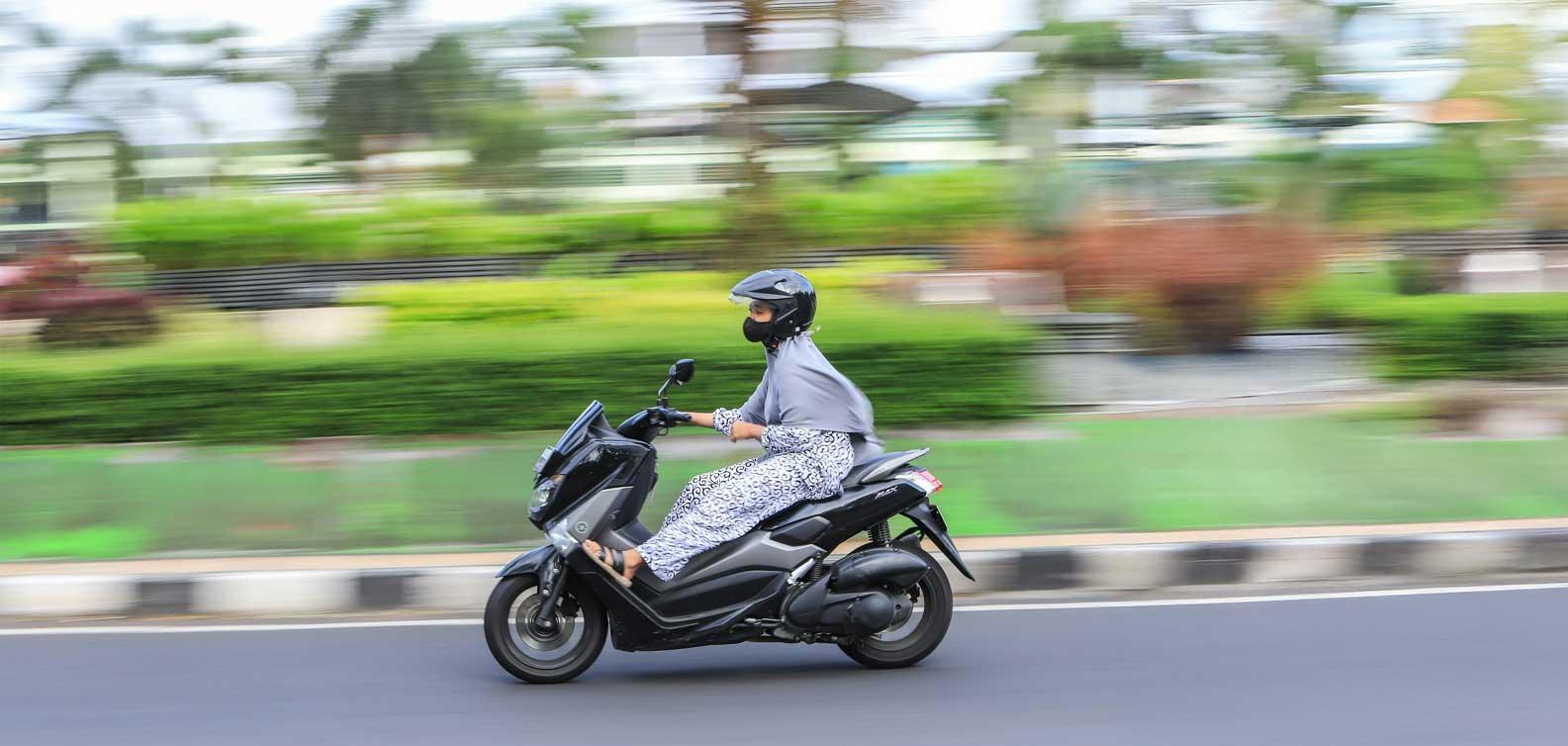
Best 110cc–125cc Family Commuter Scooters in India: Mileage, Comfort & Price Comparison
Compare the best 110cc and 125cc scooters in India by price, real-world mileage, comfort, storage, braking, running cost and the value of upgrading to 125cc.

Best 150cc–160cc Bikes in India: Mileage, Price, Specs & Performance
Compare India's best 150cc–160cc bikes on mileage, price, power, braking and comfort — Pulsar N160, Apache RTR 160 4V, Xtreme 160R, FZ-S and more.
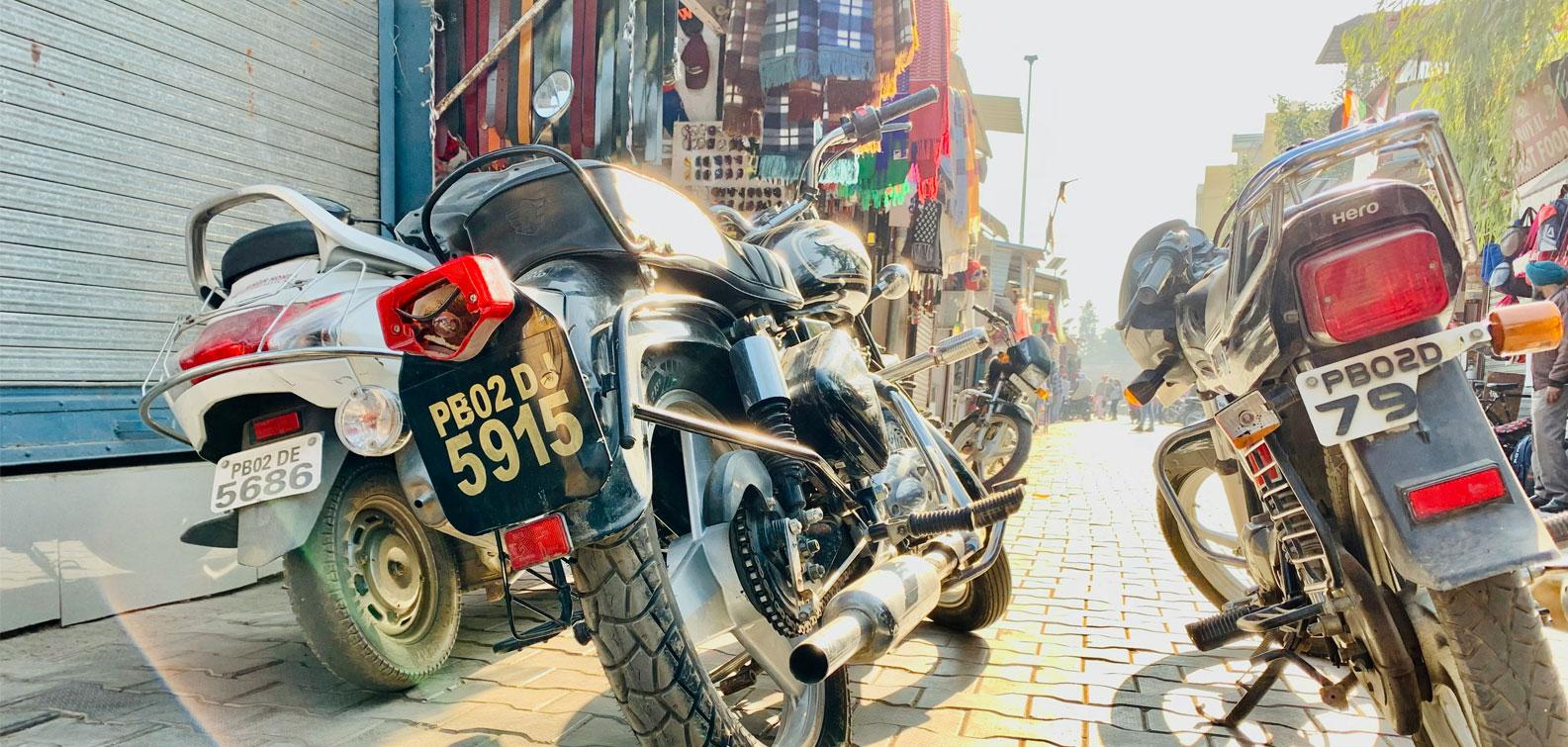
Best 200cc–250cc Performance Bikes in India: Power, Mileage & Highway Cruising
Compare India's best 200cc–250cc bikes on power-to-weight, real-world mileage, highway cruising and price, with the 200cc and 250cc classes covered together.
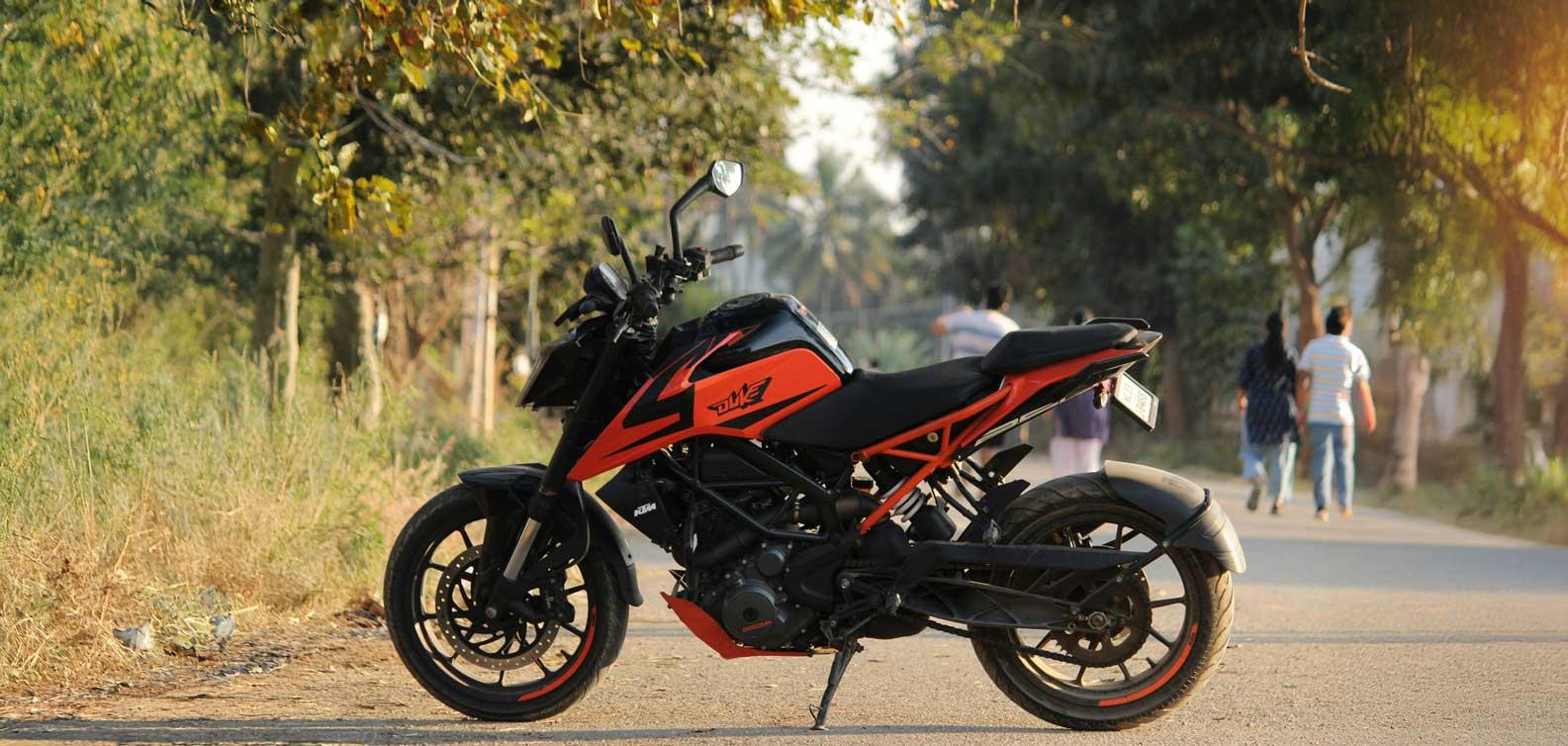
Best 350cc–500cc Bikes in India: Royal Enfield, Triumph & Mid-Capacity Classics
Compare Royal Enfield, Triumph, Harley-Davidson, KTM and Bajaj bikes from 349cc to 452cc on real price, power, mileage and highway comfort in India.