RTO Rules for Electric Bikes in India: How to License & Register?
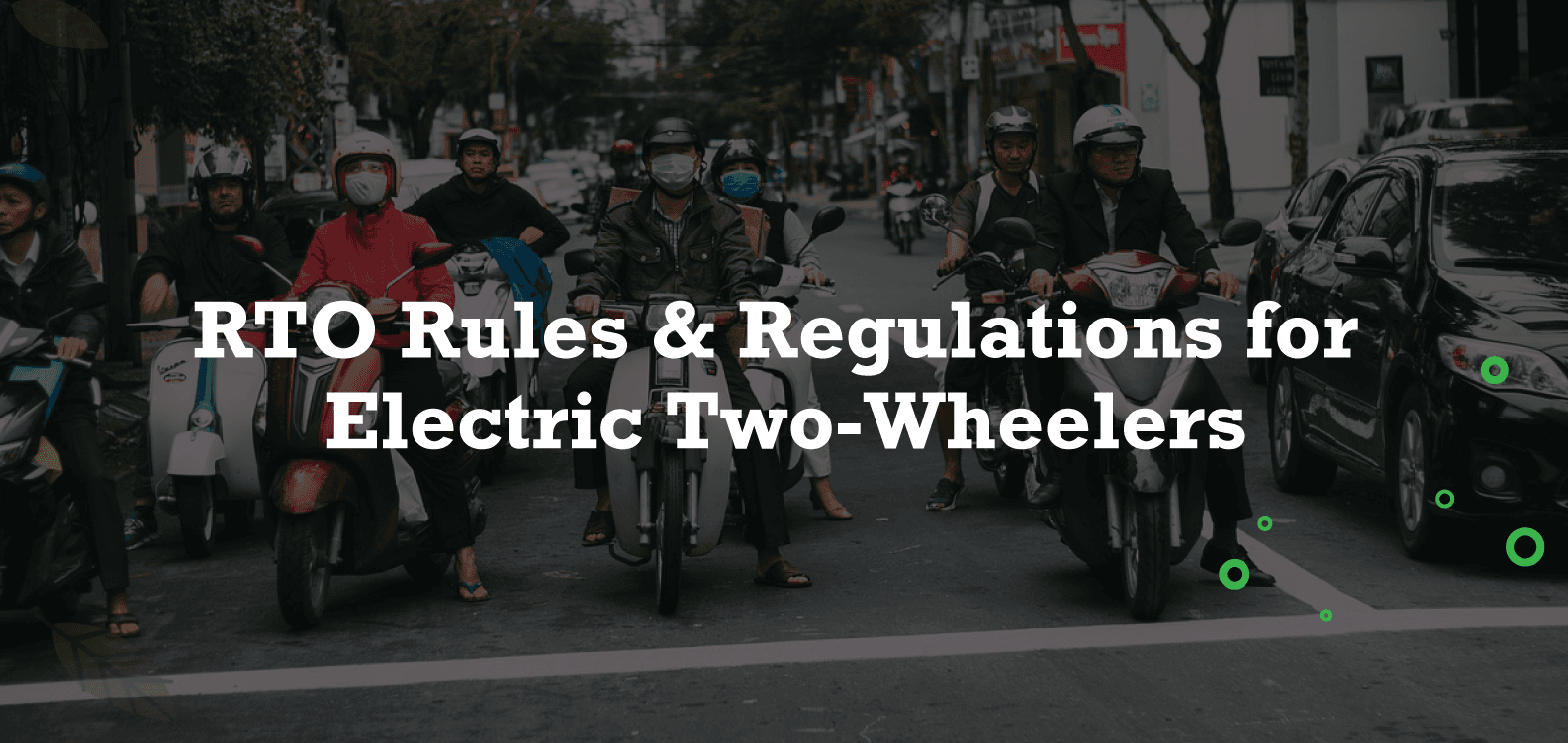
Although EV bikes are gaining traction across India, there’s still much confusion among daily commuters regarding the specific RTO rules and guidelines for electric bike in India. You can easily spot more electric bikes on the streets each day, and yet it’s hard to track down proper knowledge of licensing, registration, and safety requirements.
To ensure that you’re equipped with all you need to know, let’s delve into the RTO rules for electric bike in India. In this blog, we’ll address any concerns you might have around aspects like: when is a license needed; what are the registration guidelines, age limits, helmet requirements? What are the rules applicable to e-rickshaws; among other things.
Want to discover all the registration nuances of taking an e-bike on the Indian streets? Keep on reading.
Do Electric Bikes Need a License in India?
Most assume that this question has a yes or no answer. The truth, on the other hand, is that it depends. More so on the overall specifications of the vehicle itself. Here is a quick guide to RTO rules for electric bike in India:
Low-Speed vs High-Speed Electric Bikes: At a Glance
| Category | Top Speed | Motor Output | Licence Required | Registration Required |
|---|---|---|---|---|
| Low-Speed EV Bike | ≤ 25 km/h | ≤ 250 W | No | No |
| High-Speed EV Bike | > 25 km/h | > 250 W | Yes | Yes |
When it comes to e-bikes, many low-powered electric bikes fall under the category of electric bikes without proper registration.
On the other hand, high-performance models require full licensing. Of course, it’s important to remember that these rules are in place so that every rider can have a safe journey.
You can dive into the finer details of EV bikes and registration here
RTO Rules for Electric Bikes & Scooters in India
Now that we’ve gone over the two main registration routes, let’s get down to the finer details. Age, speed, and number plates are all crucial considerations as well.
Registration & Number Plate Rules
The RTO rules for electric bike in India specify that:
If your electric bike qualifies as a high-speed EV (speed > 25 km/h or motor >250 W), you must follow the standard two-wheeler registration process. Start by submitting the sales invoice, insurance policy, address proof and identity proof to your Regional Transport Office (RTO). The dealer often submits the application for you.
You’ll be issued a registration certificate (RC) and a green-background number plate for private EVs (white letters) which distinguishes it from combustion engine vehicles. Pay the applicable registration fee and road tax (some states waive or reduce it for EVs). Once done, you can legally ride on Indian roads.
State-Wise Rule Differences
While the Motor Vehicles Act, 1988 sets the main rules for electric bikes across India, each state has its own way of applying them. Some states give full road-tax exemptions, some offer partial discounts, and a few charge normal rates. Registration fees can also change from one state to another.
Before buying an electric bike, always check your state’s official transport website. Look for details like registration charges, road-tax benefits, green number-plate rules, and any state EV incentives. This will help you avoid surprise costs when you register your bike.
| State | EV Rules for Electric Two-Wheelers | Notes |
|---|---|---|
| Maharashtra | 100% road-tax exemption; registration fees waived. | As per Maharashtra EV Policy 2025. |
| Karnataka | EVs now follow a one-time lifetime tax system. Earlier incentives revised. | Applies to all EV types. |
| Gujarat | 50% cut on road tax and registration fees for EVs. | Check local RTO for exact rate. |
| Telangana | 100% road-tax and registration-fee exemption for EVs (till policy end date). | Valid up to December 31 2026. |
| Tamil Nadu | 100% road-tax and registration-fee exemption for all EVs. | Applies statewide. |
Age Limit for Riding Electric Scooters & Bikes
If you’re looking up the RTO rules for electric bikes, it’s important to consider all the necessary age limits.
-
For high-speed electric bikes and scooters, the minimum riding age is usually 18 years.
-
Some low-speed models might have less strict requirements. Either way, most authorities enforce an electric scooter license age and electric scooter age limit, for safety reasons.
Get more information about age limits for EVs in this comprehensive guide here
Helmet Requirement for Electric Two-Wheelers
Is the helmet mandatory too for e-bikes? Or can you skip this one? Well, let’s see:
-
For high-speed electric bikes and scooters, wearing a helmet is absolutely mandatory.
-
Helmets are enforced strictly for vehicles that require licensing.
-
Some exceptions may exist for low-speed, registration-exempt models; however, don’t forget – your safety comes first.
Electric Bikes Without Registration: Are They Legal?
So you bought a new bike or are ready to make the leap, but you’re still wondering if riding an electric bike without registration is legal? Well, the answer, once again, is that it depends.
As discussed above, electric bikes with a top speed below 25 km/h and a power output under 250W are categorized as low-speed vehicles. Under the RTO rules for electric bike in India, these vehicles do not require registration or an electric bike license.
So if you’re looking to skip the registration go for a speed on the lower spectrum: you technically can. However, remember that these bikes can be tricky for long rides.
Limitations of Low-Speed Electric Bikes
While low-speed electric bikes don’t need a licence or registration, they still come with a few important limitations that many riders aren’t aware of.
Low-speed EVs cannot be taken on highways or major expressways. These lanes are reserved for vehicles that meet minimum speed and power standards, and a 25 km/h EV simply doesn’t qualify. Most cities also restrict them from fast-moving corridors for safety reasons.
Even though some states don’t strictly enforce it, helmets are still strongly advised. A 25 km/h crash can still cause serious injury, so skipping a helmet isn’t worth the risk.
And lastly, since these bikes don’t require registration or PUC, they often don’t perform well on longer rides. Their limited speed, range and lower torque make them suitable only for short-distance city commutes.
Insurance and Penalties
If your electric bike falls into the “requires registration” category (i.e., speed > 25 km/h or power >250 W), then you must obtain at least third-party insurance under the Motor Vehicles Act. Riding without valid insurance invalidates your cover and may attract fines or even seizure of the bike.
Non-compliance (for example riding a high-speed e-bike without registration or license) can result in penalties including fines (often ~₹5,000 or more) and impoundment.
Electric Bike Compliance Checklist
Here’s everything you need to ride legally and safely in one glance:
-
Licence: Needed only if your EV crosses 25 km/h or 250W.
-
Registration: Mandatory for all high-speed EVs; exempt for low-speed ones.
-
Number Plate: Green plate with white letters for private high-speed EVs.
-
Insurance: Third-party cover required for high-speed models.
-
Helmet: Mandatory for high-speed; strongly recommended for all EVs.
-
Age Limit: 18+ for high-speed; 16+ for many low-speed models.
Use this checklist as your quick reference before you hit the road, so you never miss out on any legal requirement.
RTO Rules for E-Rickshaws in India
If a 3-wheeler is where your heart is, it’s important to remember that RTO rules also apply to e-rickshaws. Let’s get down to the specific details:
- Registration and Licensing:
E-rickshaws must be registered and adhere to the standard RTO rules for electric bikes in India. This means that they require a valid license, similar to high-speed electric bikes.
- Insurance:
E-rickshaws must be insured to ensure safety on the road.
- Operation Guidelines:
If you’re looking for a vehicle for commercial use, there are additional guidelines regarding operation zones and maximum permissible loads.
These e-rickshaw RTO rules make sure that in the new era of the EV wave, safety stays on the road with you, wherever you go.
Want to keep digging for more information? Get a holistic view of all things e-rickshaws here
FAQs
Does an electric bike need insurance in India?
Yes, high-speed electric bikes that require an electric bike license must also be insured.
What are the penalties for riding an unregistered EV?
Riding an EV that requires registration without all the paperwork in place can result in fines, legal penalties, and impoundment of the vehicle under the RTO rules for electric bikes in India.
Can minors ride electric scooters in India?
High-speed models require a minimum age of 18 years as per electric scooter license age guidelines. If a minor is looking to ride an electric scooter, you can look for a low-speed model that may be exempt and be available to ride to 16-year olds.
What is the electric scooter license age in India?
The electric scooter license age is generally 18 years for high-speed models but for low-speed variants, it can be 16 years of age depending on the make and model of the bike.
Conclusion
The RTO rules for electric bikes can get complicated so it’s always important to be aware of their many intricacies.
For those who prefer their electric bike without registration, verify that your vehicle meets the low-speed criteria. Beyond that, in this article, we explored other essential secondary queries like helmet use and electric scooter license age have been addressed.
In case the process gets frustrating, it helps to remember that the RTO rules for electric bikes are designed to create a safer, more efficient for you. In this new Indian era of mobility, safety must keep pace with innovation after all.
Based on 1 rating

Tanushree (Author)
Tanushree is a dynamic business strategist with a knack for driving innovation in startups, especially in Fintech and Edtech. With 9 years of work-ex, an IT engineer from MIT Pune, & a MBA from IIM Bangalore (Marketing & Business Strategy), she’s got the mix of analytical and creative problem-solving.
Read more
Related Blogs
Popular articles are selected from the same backend blog feed.

Jaipur Traffic Fines: Penalty List, Zebra Crossing Challan, E-Challan Payment & Rules
Jaipur traffic fines 2026 explained: zebra crossing, wrong-side driving, helmet and red light challan amounts under MV Act, plus how to pay or dispute an e-chal
Coimbatore Traffic Fines 2026: Penalty List, E-Challan Payment and Virtual Court Guide
Coimbatore traffic fines under Tamil Nadu's 2022 schedule: helmet, phone, signal and licence penalties, plus how to check, pay or contest an e-challan online.
Punjab Traffic Fines (2026): Complete Challan List, Camera Rules and Payment Guide
Punjab traffic fines explained: red light jump challan, helmet and two-wheeler penalties, community service rule, SSF patrols and online challan payment.
Bhubaneswar Traffic Fines and E-Challan Guide: Penalties, Court Rules and Online Payment
Bhubaneswar traffic fines explained: helmet, triple-riding, drunk driving and PUC penalties, plus how to check and pay your e-challan online.
Chandigarh Traffic Fines 2026: Updated Rules, E-Challan & Penalty List
Chandigarh traffic fine guide: helmet, red light, wrong-side and speeding penalties, court vs online challans, towing charges, and where to pay in Sector 29-B.
Visakhapatnam Traffic Fines: Challan Rates, Rules and How to Pay
Visakhapatnam traffic fine rates for triple riding, no helmet, PUC, speeding and drink driving, plus how to check and pay your e-challan online.
West Bengal Traffic Fines 2026: Penalties, Rules and How to Pay
Complete West Bengal traffic fine guide for 2026: helmet, PUC, drunk driving and speeding penalties, plus where to check and pay Kolkata Police and WBP e-challa

Tamil Nadu Drink and Drive Fine: Section 185 Penalty, BAC Limit and Court Process
Drink and drive fine in Tamil Nadu: ₹10,000 fine, 6 months jail under Section 185, non-compoundable court process and licence suspension rules explained.