Maharashtra EV Policy 2026: Subsidies & Benefits Explained
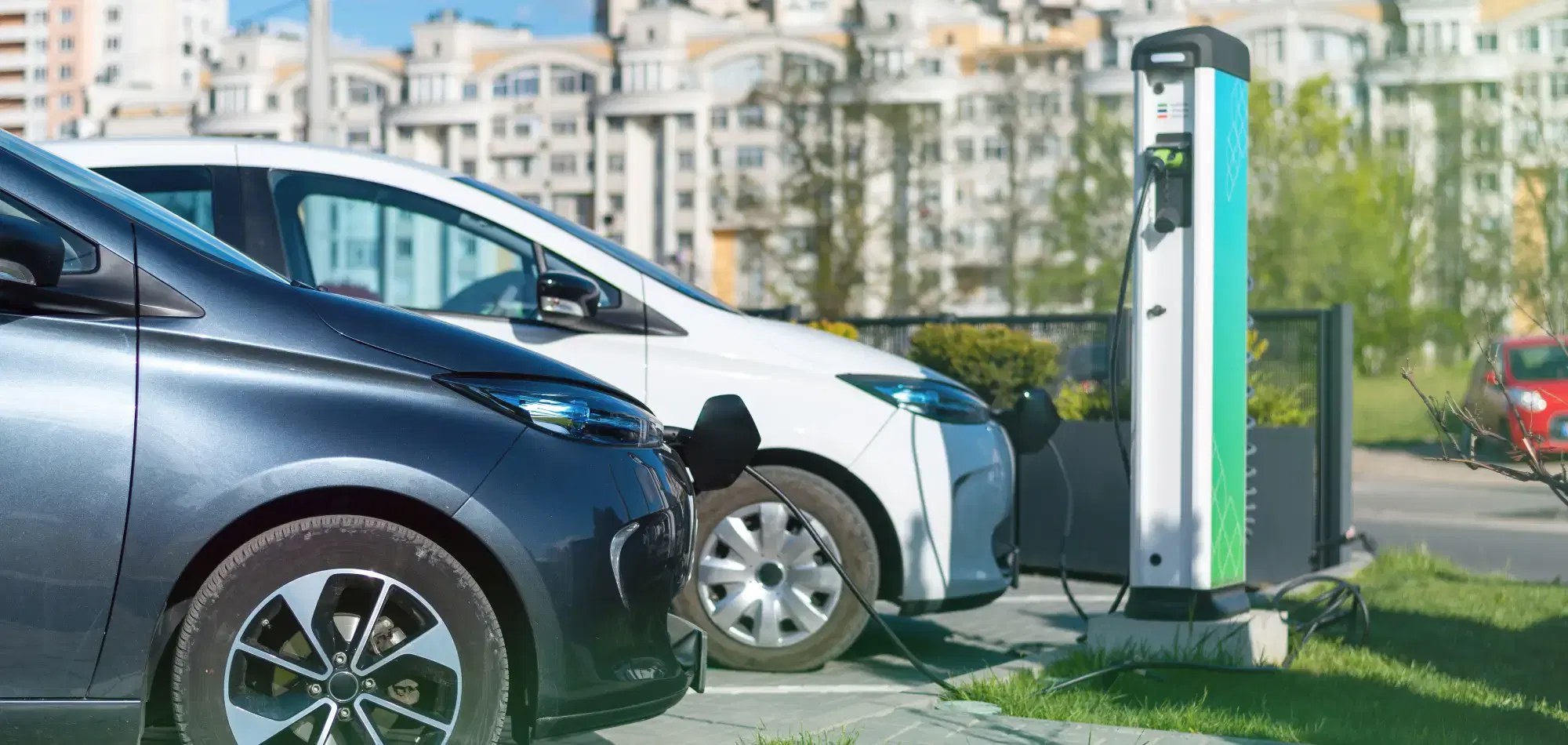
The Maharashtra EV Policy 2025–2030 is the most ambitious electric vehicle push by any Indian state. With a massive ₹11,373 crore allocated, the state offers ₹10,000 for electric two-wheelers, ₹30,000 for e-autos, up to ₹2 lakh for EV taxis, and a complete exemption from road tax and registration fees.
If you plan to buy an EV, understanding the updated Maharashtra Electric Vehicle Policy is your first step to maximizing your savings. Here is everything you need to know to easily claim your Maharashtra EV Subsidy.
| ⚠️ Important Change from 2021 Policy: Under the 2025 framework, private electric car buyers are NO LONGER eligible for purchase subsidies. The ₹1.5–2 lakh incentive is now exclusive to commercial and transport-use electric cars, like taxis and fleet vehicles. Private EV car buyers still get 100% road tax exemption, a registration fee waiver, and toll waivers, but not the direct purchase subsidy. |
Maharashtra EV Policy 2026 — Key Highlights at a Glance
Here is a quick snapshot of the active policy timeframe and targets.
| Feature | Detail |
| Policy Period | April 1, 2025 – March 31, 2030 (5 years) |
| Total Budget | ₹11,373 crore |
| Demand Incentive Budget | ₹1,993 crore (114% more than the 2021 policy’s ₹930 crore) |
| Target EV Adoption | 30% by 2030 |
| Road Tax Exemption | 100% for all EVs |
| Registration Fee | 100% waiver |
| Toll Waiver | All passenger EVs — Mumbai–Pune Expressway, Samruddhi Mahamarg, Atal Setu |
| Incentive Basis | ₹5,000 per kWh of battery capacity |
| Max Subsidy (2W) | ₹10,000 per vehicle |
| Max Subsidy (3W) | ₹30,000 per vehicle |
| Max Subsidy (4W Transport) | ₹2,00,000 per vehicle |
| Max Subsidy (E-Bus) | ₹20,00,000 per bus |
Complete Subsidy Table by Vehicle Category
| Vehicle Category | Subsidy Rate | Max Vehicles | Max Subsidy/Vehicle |
| Electric 2-Wheeler L1 & L2 (e-scooter/e-bike) | 10% of the ex-factory price | 1,00,000 | ₹10,000 |
| Electric 3-Wheeler Passenger (L5M/e-auto) | 10% of the ex-factory price | 15,000 | ₹30,000 |
| Electric 3-Wheeler Goods Carrier (L5N) | 15% of the ex-factory price | 10,000 | ₹30,000 |
| Electric 4-Wheeler Private (M1 – Non-Transport) | 10% of the ex-factory price | 10,000 | ₹1,50,000 |
| Electric 4-Wheeler Commercial/Fleet (M1 – Transport) | 15% of the ex-factory price | 25,000 | ₹2,00,000 |
| Electric Light Commercial Vehicle (<3.5T) | 15% of the ex-factory price | 10,000 | ₹1,00,000 |
| Electric Bus | 10% of the ex-factory price | 1,500 | ₹20,00,000 |
| Electric Tractor/Harvester | 15% of the ex-factory price | 1,000 | ₹1,50,000 |
How the ₹5,000/kWh Formula Works (Real Examples)
The subsidy calculation is based on ₹5,000 per kWh of battery capacity. For instance, a 2 kWh electric scooter qualifies for a ₹5,000 × 2 = ₹10,000 subsidy, which hits the ₹10,000 cap. This formula helps buyers calculate their exact benefit.
| Example Vehicle | Battery Capacity | Calculation | Subsidy Received |
| Ola S1 X (2 kWh) | 2 kWh | ₹5,000 × 2 = ₹10,000 | ₹10,000 (max for 2W) |
| Bajaj Chetak (3.5 kWh) | 3.5 kWh | ₹5,000 × 3.5 = ₹17,500 | ₹10,000 (capped) |
| E-auto (6 kWh) | 6 kWh | ₹5,000 × 6 = ₹30,000 | ₹30,000 (max for 3W) |
Electric Two-Wheeler (E-2W) Subsidy in Maharashtra — What Buyers Need to Know
Electric scooter buyers make up the majority of all EV purchases in Maharashtra. Here are the facts for two-wheeler buyers:
- Maximum subsidy: ₹10,000 per electric two-wheeler in the L1 and L2 categories.
- Subsidy rate: 10% of the ex-factory price.
- Total vehicles covered: 1,00,000 vehicles on a first-come, first-served basis.
- Road tax: 100% exempt.
- Registration fee: 100% waiver.
- Toll exemption: Applicable for EV two-wheelers on major state highways.
Combined Savings for E-2W Buyers
| Benefit | Amount |
| State purchase subsidy | Up to ₹10,000 |
| PM E-Drive central subsidy (if applicable) | Up to ₹5,000–₹10,000 (check eligibility) |
| Road tax exemption | ₹3,000–₹8,000 (varies by ex-showroom price) |
| Registration fee waiver | ₹1,500–₹3,000 |
| Total potential savings | ₹15,000–₹30,000+ |
The PM E-Drive central scheme runs concurrently with the state policy. This means benefits from both programs can be stacked, giving buyers a major financial advantage that often goes unnoticed.
Who Is Eligible for the State Subsidy?
General Eligibility Conditions
- Your vehicle must be registered in Maharashtra during the policy period spanning April 1, 2025, to March 31, 2030.
- The vehicle must be from a pre-approved model list. Buyers should confirm their specific model is on the Maharashtra government’s approved list before making a purchase.
- The subsidy is disbursed on a first-come, first-served basis within the cap for each category.
- You must purchase the vehicle from an authorised dealer and register it with the RTO.
Who Is NOT Eligible
- Private electric car (non-commercial) buyers are NOT eligible for the ₹2 lakh purchase subsidy. Only transport and taxi operators qualify for this specific commercial grant.
- Vehicles registered outside Maharashtra do not qualify.
- Vehicles missing from the approved model list are ineligible.
Maharashtra Electric Vehicle Policy 2025 vs 2021 — What Changed?
The following table tracks the evolution of the policy over the last four years.
| Feature | 2021 Policy (Expired Mar 2025) | 2025 Policy (Active) |
| Policy Duration | 2021–2025 (4 years) | 2025–2030 (5 years) |
| Total Budget | ₹930 crore | ₹11,373 crore (+1,123%) |
| Demand Incentive Budget | ₹930 crore | ₹1,993 crore |
| E-2W Subsidy | ₹5,000 (first 1 lakh) | ₹10,000 (first 1 lakh) |
| Private Car Subsidy | Yes (up to ₹1.75 lakh) | Removed |
| Fleet/Taxi Car Subsidy | ₹1.75 lakh (max) | ₹2.00 lakh (max) |
| E-Bus Subsidy | ₹20 lakh | ₹20 lakh (unchanged) |
| Fast Charger Subsidy | Not prominently featured | ₹5 lakh/DC charger (1,000 units) |
| High-Power Charger | — | ₹10 lakh/unit (500 units) |
| Charging Mandates | — | Charger every 25 km on highways |
| Single-Window Portal | No | Yes — digital portal for approvals |
| EV Adoption Target | — | 30% of all new registrations by 2030 |
Road Tax, Registration & Toll Waivers — Free Benefits for ALL EV Buyers
These benefits apply to ALL EV buyers regardless of commercial or private use. Think of these as guaranteed benefits, no matter what eligibility tier you fall under.
Road Tax Exemption
There is a 100% exemption from motor vehicle tax for all EVs registered in Maharashtra during the policy period. This tax break covers all vehicle categories, including 2W, 3W, 4W, and buses.
Registration Fee Waiver
Buyers get a complete waiver of registration and renewal fees, right in line with the MoRTH 2019 notification. This applies to both new registrations and re-registrations.
Toll Exemption on Expressways
Passenger EVs pay zero toll on the Mumbai–Pune Expressway, Samruddhi Mahamarg (Hindu Hrudaysamrat Balasaheb Thackeray Maharashtra Samruddhi Mahamarg), and Atal Setu (Mumbai Trans Harbour Link).
This represents a massive annual saving for regular commuters using these routes. A typical Mumbai–Pune commuter making two round trips a month saves roughly ₹9,600 every year (calculated at ₹400 per round trip × 24 trips).
Charging Infrastructure Incentives Under the Policy
| Charger Type | Subsidy per Unit | Units Covered |
| DC Fast Charger (50–250 kW) | ₹5 lakh | 1,000 units |
| High-Power DC Charger (>250 kW) | ₹10 lakh | 500 units |
- The government mandates charger deployment every 25 km on highways across Maharashtra.
- All charging stations must adopt Unified Energy Interface (UEI) protocols to maintain interoperability.
- A concessional electricity tariff applies for all EV charging stations under MERC Order No. 217 of 2024.
- Operators have access to a single-window digital portal for approvals and monitoring.
How to Claim Your Subsidy — Step-by-Step Guide
Claiming your Maharashtra EV Subsidy is mostly a seamless process if you follow the right sequence. Here is exactly how you can get your financial benefits without running into bureaucratic roadblocks.
- Check the approved list: Before handing over any money, verify that your chosen EV model is actually eligible. Visit mahaevweb.mahaitgov.in or the official transport department portal to confirm your vehicle is on the pre-approved list.
- Buy locally: Your purchase must happen within the state at an authorized dealership.
- Register at the RTO: Your dealer will usually handle the RTO registration for you. Just remind them to apply the 100% road tax and registration fee waivers right at this stage, so you do not overpay upfront.
- Understand the source deduction: If you are buying an electric two-wheeler or three-wheeler, you generally do not have to fill out complex claim forms. The dealer deducts the grant directly from your final invoice. Always check your bill to confirm this discount was applied.
- Use the portal for commercial fleets: Buying an electric taxi or an e-bus? You will need to claim your incentive manually through the single-window EV portal.
- Organize your paperwork: Keep a clean file with your RTO registration certificate, original purchase invoice, battery warranty card, and insurance papers.
- Stack your benefits: Do not forget the central government’s PM E-Drive scheme. If your EV qualifies, you can claim that benefit on top of your state incentives to stretch your savings even further.
Maharashtra EV Policy — How It Compares to Other States
| State | Max E-2W Grant | Max E-Car Grant | Road Tax | Toll Waiver |
| Maharashtra | ₹10,000 | ₹2,00,000 (commercial) | 100% exempt | Yes (major expressways) |
| Delhi | ₹5,000 + 1st-come scrapping bonus | ₹1,50,000 | 100% exempt | Partial |
| Gujarat | ₹20,000 | ₹1,50,000 | 100% exempt | Partial |
| Karnataka | No direct cash grant | None | 5% to 10% for 4W (100% waiver rolled back Apr 2026) | None |
| Tamil Nadu | ₹5,000 to ₹10,000 | None | 100% exempt (Extended till Dec 2027) | None |
(Updated as of May 2026)
Frequently Asked Questions
Q1: What is the Maharashtra EV Policy?
The Maharashtra EV Policy 2025–2030 is a 5-year state government policy offering purchase subsidies (₹10,000 for e-2W, ₹30,000 for e-3W, up to ₹2 lakh for e-taxis), 100% road tax exemption, a registration fee waiver, and toll-free travel on major expressways for electric vehicles registered in the state.
Q2: What is the Maharashtra EV Subsidy for electric two-wheelers?
Maharashtra offers up to a ₹10,000 Maharashtra EV Subsidy for electric two-wheelers. This is calculated at ₹5,000 per kWh, capped at ₹10,000, and is available for the first 1 lakh vehicles on a first-come, first-served basis.
Q3: Do private car buyers get the Maharashtra EV Subsidy?
Under the 2025 framework, private electric car buyers are NOT eligible for the ₹1.5–2 lakh Maharashtra EV Subsidy. Only commercial and transport EVs (taxis, fleet operators) qualify. However, ALL EV buyers still get 100% road tax exemption, registration fee waivers, and toll waivers.
Q4: What are the toll exemptions under the Maharashtra EV Policy?
A: All passenger EVs receive toll-free travel on the Mumbai–Pune Expressway, Samruddhi Mahamarg, and Atal Setu under the Maharashtra EV Policy 2025–2030.
Q5: How long is the Maharashtra EV Policy 2025 valid?
The policy is valid from April 1, 2025 to March 31, 2030. It operates as a 5-year policy framework backed by a total budget of ₹11,373 crore.
Q6: What is the Maharashtra Electric Vehicle Policy for electric buses?
Under the Maharashtra Electric Vehicle Policy, electric buses receive a purchase subsidy of up to ₹20 lakh per bus. The program provides coverage for up to 1,500 buses.
Q7: Can I stack the Maharashtra EV Subsidy with PM E-Drive?
Yes. The Maharashtra EV Subsidy and the PM E-Drive central subsidies are completely separate schemes and can potentially be stacked, increasing your total savings. Confirm with your dealer that both schemes are properly applied to your purchase.
Q8: Where do I check if my EV model is eligible for the Maharashtra subsidy?
You can check the official Maharashtra EV portal at mahaevweb.mahaitgov.in or review the transport department’s approved vehicle list. Program eligibility is restricted entirely to pre-approved models.
Based on 1 rating

Najmus (Author)
Najmus leads content and SEO at Ecozaar, building trustworthy guides on electric two-wheelers, RTO processes, and green finance in India. With 8+ years in technical and editorial SEO, he turns complex regulations and specs into practical, citation-backed explainers. His work combines schema, CWV, and clear sourcing to help readers make confident, real-world decisions.
Read more
Related Blogs
Popular articles are selected from the same backend blog feed.

Best Bikes Under 1 Lakh in India: Price, Mileage & Low-Maintenance Commuters
Compare the best bikes under ₹1 lakh in India by price, real-world mileage, maintenance and safety — from sub-₹60k commuters to 125cc options near ₹1 lakh.
Best Bikes Under 2 Lakh in India: Streetfighters, Cruisers & All-Rounders
Compare the best bikes under ₹2 lakh in India: verified ex-showroom prices, real-world mileage, ABS and hardware, and which model fits your budget.
Best Electric Scooters Under 1 Lakh in India: Real-World Range, Subsidy & Price List
Compare the best electric scooters under ₹1 lakh by real-world range, battery size, charging, PM E-DRIVE benefits, running cost, build quality and family practi
Best Low-Cost Electric Scooters Under ₹40,000–₹50,000: Non-RTO & Budget Commuters
Compare low-cost electric scooters under ₹40,000–50,000 by price, range, battery type, charging, non-RTO rules, running cost and practical ownership risks.
Best 110cc–125cc Family Commuter Scooters in India: Mileage, Comfort & Price Comparison
Compare the best 110cc and 125cc scooters in India by price, real-world mileage, comfort, storage, braking, running cost and the value of upgrading to 125cc.
Best 150cc–160cc Bikes in India: Mileage, Price, Specs & Performance
Compare India's best 150cc–160cc bikes on mileage, price, power, braking and comfort — Pulsar N160, Apache RTR 160 4V, Xtreme 160R, FZ-S and more.
Best 200cc–250cc Performance Bikes in India: Power, Mileage & Highway Cruising
Compare India's best 200cc–250cc bikes on power-to-weight, real-world mileage, highway cruising and price, with the 200cc and 250cc classes covered together.
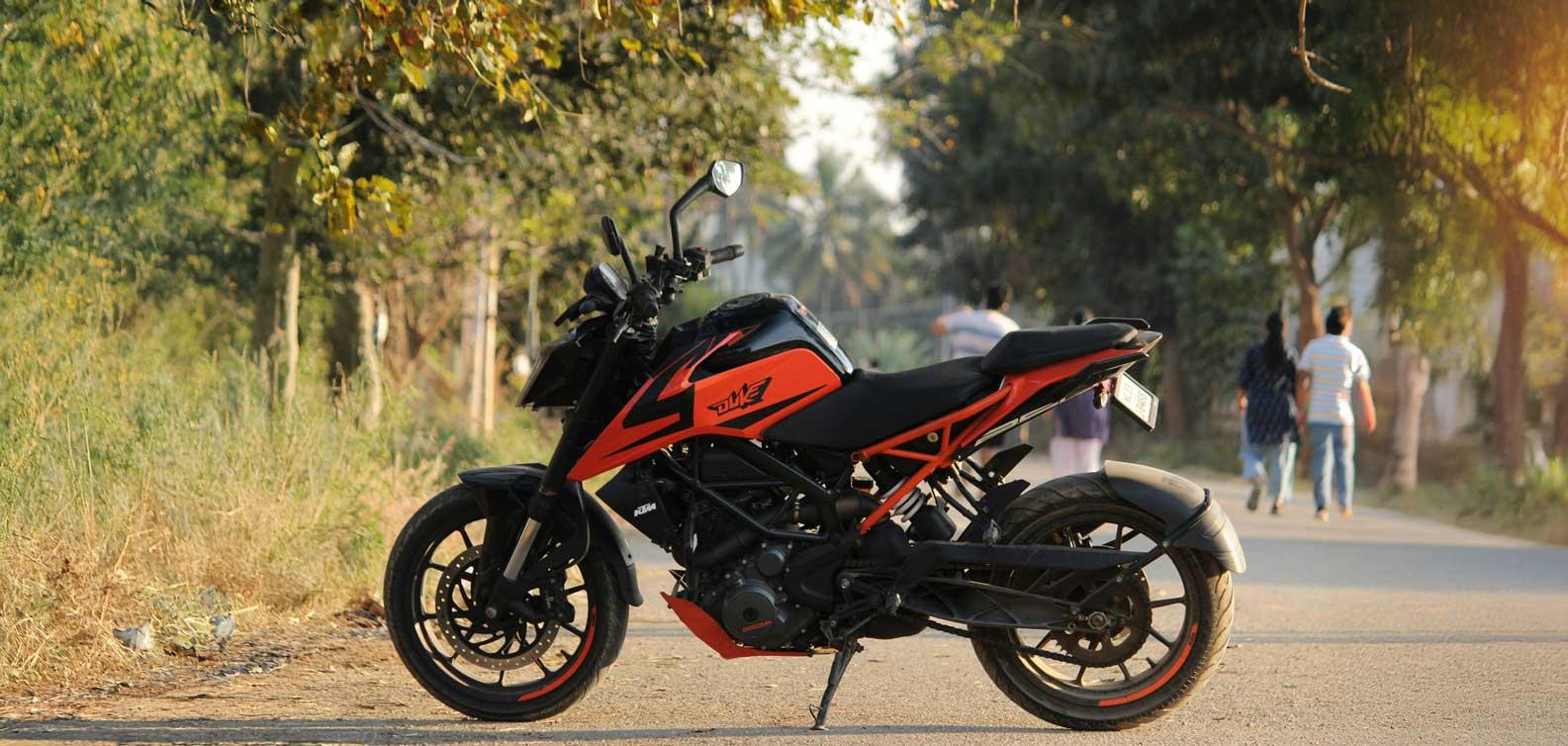
Best 350cc–500cc Bikes in India: Royal Enfield, Triumph & Mid-Capacity Classics
Compare Royal Enfield, Triumph, Harley-Davidson, KTM and Bajaj bikes from 349cc to 452cc on real price, power, mileage and highway comfort in India.