Gujarat EV Policy 2026-27: Subsidy, Tax & Benefits
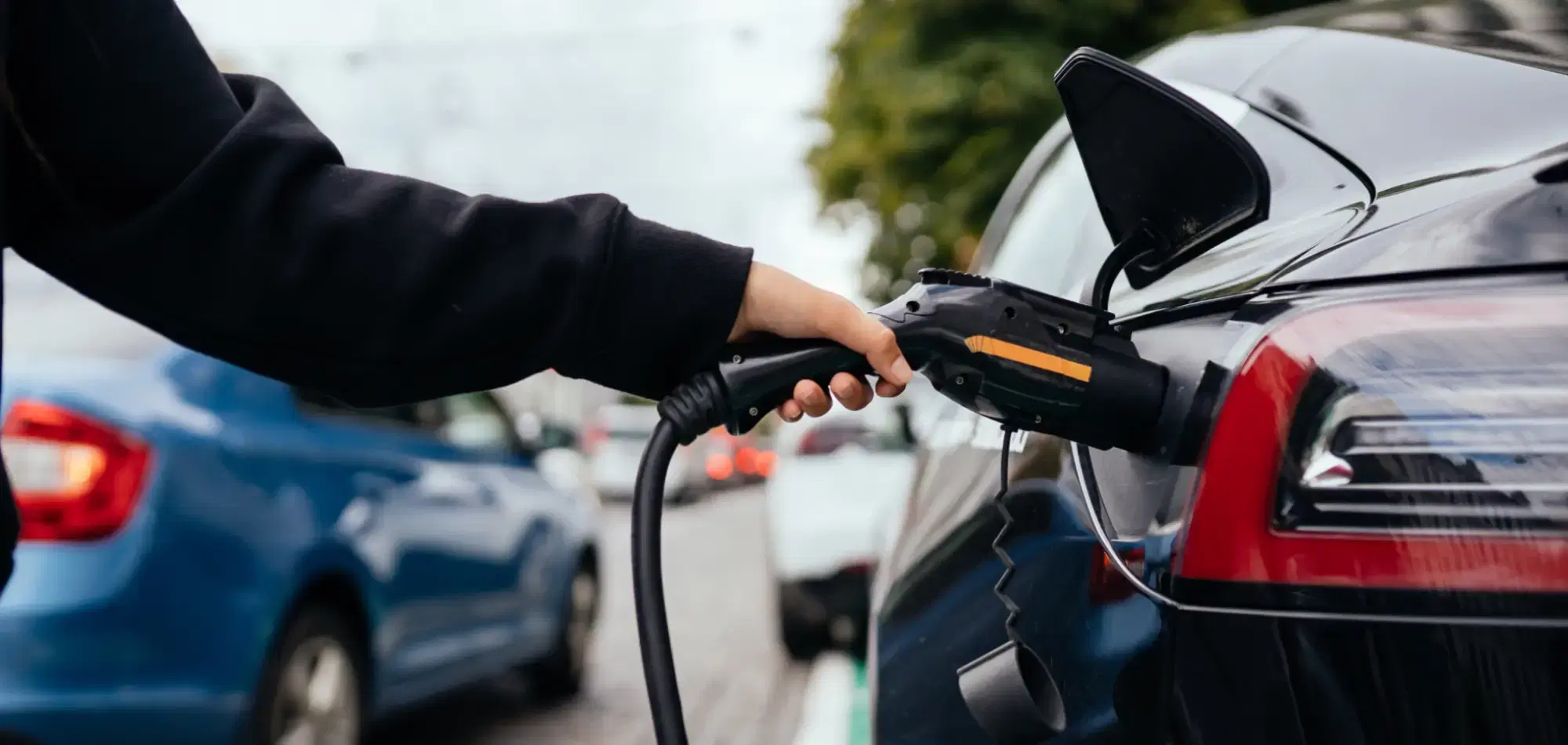
Gujarat was one of India’s most aggressive EV subsidy states. But a lot has changed since 2021.
Many buyers looking for details on the Gujarat Electric Vehicle Policy or the general Gujarat EV Policy are finding outdated information online. Dealerships are quoting new prices, and the massive direct Gujarat EV Subsidy from a few years ago is no longer available.
This guide explains exactly which benefits are currently active and what buyers can expect going forward.
| ⚠️ Important Update for 2026–2027 Buyers: Gujarat’s direct purchase subsidies (₹20,000 for e-2W; ₹50,000 for e-3W; ₹1,50,000 for e-4W) under the 2021 policy were discontinued in 2024. The current active benefit is a reduced Motor Vehicle Tax of 1% (down from 6%) until March 31, 2026. Buyers should not expect the original subsidy amounts at dealerships. |
Gujarat EV Policy — Timeline at a Glance
To clear up the confusion, here is a complete timeline of Gujarat’s EV policy changes and what is currently active for buyers.
| Period | Policy Status | Key Benefits Available |
| June 2021 – 2024 | Gujarat State EV Policy 2021 — ACTIVE | ₹10,000/kWh subsidies, registration waiver, FAME II stacking |
| 2024 | Subsidies DISCONTINUED | Direct purchase subsidies removed; decline in EV sales reported |
| April 2025 – March 2026 | Motor Vehicle Tax relief — ACTIVE | MVT slashed from 6% to 1%; buyers save up to ₹1 lakh |
| Post March 2026 | Policy status TBD | Extension or revision for the Gujarat EV policy 2026 framework — not yet announced as of April 2026 |
Gujarat State EV Policy 2021 — The Original Framework
The original Gujarat electric vehicle policy established the baseline from which all recent changes have been made. Here is what it originally covered:
Policy Objectives
When former Chief Minister Vijay Rupani announced the policy in June 2021, the state government had a clear four-year vision running from 2021 to 2025. Backed by a massive ₹870 crore subsidy budget, the primary goal was to put 2,00,000 electric vehicles on Gujarat’s roads. This aggressive deployment target was broken down into 1,10,000 two-wheelers, 70,000 three-wheelers, and 20,000 four-wheelers.
Beyond just boosting retail EV sales, the government outlined key secondary objectives. By accelerating electric mobility, Gujarat aimed to reduce carbon emissions by approximately 6 lakh tonnes and generate state-wide fuel cost savings of around ₹5 crore. Ultimately, the policy was strategically designed to position Gujarat as a central manufacturing hub for electric vehicles and their components.
Original Subsidy Structure (2021–2024)
For reference, here is the original Gujarat EV subsidy structure that was available to buyers until it was discontinued in 2024:
| Vehicle Segment | Subsidy Rate | Max Battery Capacity | Max Subsidy | Max Ex-Factory Price |
| Electric 2-Wheeler | ₹10,000/kWh | 2 kWh | ₹20,000 | ₹1.5 lakh |
| Electric 3-Wheeler | ₹10,000/kWh | 5 kWh | ₹50,000 | ₹5 lakh |
| Electric 4-Wheeler (Personal & Commercial) | ₹10,000/kWh | 15 kWh | ₹1,50,000 | ₹15 lakh |
The 40% Cap — The Condition Most Sites Miss
Gujarat capped subsidies at 40% of the retail vehicle price. This means for a very low-cost electric two-wheeler priced at ₹40,000 (ex-factory), the subsidy was capped at 40%, totaling ₹16,000 (not the full ₹20,000).
The ₹20,000 maximum only applied to vehicles priced above ₹50,000 ex-factory. Subsidies were also stackable with FAME II at the time, offering a significant compounding benefit.
Additional Benefits Under 2021 Policy
- Registration fee exemption for all Gujarat RTO-approved EVs.
- Domestic charging permitted on existing home electricity connections at prevailing household tariffs.
- Petrol pump integration allowed fuel stations to set up EV charging points as per safety norms.
- Charging station subsidy provided a 25% capital subsidy on equipment/machinery, up to ₹10 lakh per public charging station.
What Happened in 2024 — Why Gujarat Subsidies Were Discontinued
Gujarat’s direct purchase subsidies (₹20,000 for e-2W; ₹1.5 lakh for e-4W) were withdrawn during 2024. The discontinuation followed the rapid exhaustion of the original 2021–2025 policy target vehicles and the overall budget ceiling.
A sharp decline in EV sales in Gujarat was reported by dealers following the subsidy withdrawal, as dealerships cited the incentive removal as the primary reason for the sales drop. This mirrors what happened nationally when FAME II subsidies ended—state-level subsidy discontinuations consistently trigger immediate sales corrections.
Current Gujarat EV Benefit — Motor Vehicle Tax Relief (April 2025 – March 2026)
If you are buying a vehicle right now under the current Gujarat EV policy 2026 framework, the motor vehicle tax cut is the only active financial benefit.
What Was Announced
The Gujarat government slashed the Motor Vehicle Tax (MVT) on EVs from 6% to 1%. The effective date was April 2025, and it is valid until March 31, 2026. This was announced as part of the state budget to revive declining EV sales after the 2024 subsidy withdrawal.
How Much Can You Save?
Here is a quick breakdown of how much money the current tax relief can save you across different vehicle segments:
| Vehicle Type | Ex-Showroom Price | Old MVT (6%) | New MVT (1%) | Your Saving |
| Electric Scooter | ₹1,20,000 | ₹7,200 | ₹1,200 | ₹6,000 |
| Electric Scooter | ₹1,50,000 | ₹9,000 | ₹1,500 | ₹7,500 |
| Electric Car (₹12 lakh) | ₹12,00,000 | ₹72,000 | ₹12,000 | ₹60,000 |
| Electric Car (₹15 lakh) | ₹15,00,000 | ₹90,000 | ₹15,000 | ₹75,000 |
| Premium EV (₹20 lakh) | ₹20,00,000 | ₹1,20,000 | ₹20,000 | ₹1,00,000 |
(Note: The ₹1 lakh saving for a ₹20 lakh vehicle cited in media reports is calculated based on the 5% difference: 6%–1% = 5% of ₹20 lakh = ₹1,00,000).
Does the Tax Relief Apply at the Point of Purchase?
Yes. MVT is collected at RTO registration; the 1% rate automatically applies at the time of vehicle registration in Gujarat. Dealers should reflect this directly in the on-road price quote. Always ask for an itemised on-road price breakup.
What Happens After March 2026?
There is no official announcement on an extension as of April 2026. Buyers who have been considering an EV purchase should note that purchasing before the March 2026 deadline locks in the 1% MVT rate.
Gujarat EV Policy — Charging Infrastructure Incentives
- Public Charging Station Capital Subsidy: The 2021 policy offered 25% on equipment/machinery, up to ₹10 lakh per station for public EV charging stations (2W, 3W, 4W). (Note: Verify with local authorities if this specific infrastructure grant remains active in 2026).
- Home Charging: Existing domestic electricity connections can be used for home EV charging at household electricity tariffs—no separate metering required.
- Petrol Pump Integration: Petroleum fuel stations are permitted to set up EV charging points as per applicable safety norms.
- GEDA Renewable Energy Integration: Gujarat Energy Development Agency (GEDA) promotes solar-powered charging infrastructure under the policy framework.
Gujarat EV Policy — Target vs Actual Achievement
Here is a look at how Gujarat’s original 2021 deployment targets stack up against actual EV adoption based on VAHAN data.
| EV Category | 2021 Policy Target | Likely Outcome (2025/2026) |
| Electric 2-Wheelers | 1,10,000 | Over 2,15,000 (Rapidly exceeded targets) |
| Electric 3-Wheelers | 70,000 | Over 85,000 (Steady growth) |
| Electric 4-Wheelers | 20,000 | Over 30,000 (High demand) |
| Total | 2,00,000 | Over 3,30,000 registered EVs |
Gujarat has highly succeeded in its adoption phase, comfortably crossing its original 2 lakh vehicle target well before the policy period ended.
Gujarat EV Policy vs Maharashtra EV Policy — Which State Is Better for EV Buyers?
If you are weighing your options across state lines, here is how Gujarat’s current benefits compare to Maharashtra’s active EV policy.
| Feature | Gujarat (2026) | Maharashtra (2025–2030) |
| Direct Purchase Subsidy (e-2W) | Discontinued 2024 | ₹10,000 active |
| Direct Purchase Subsidy (e-4W) | Discontinued 2024 | ₹2 lakh (commercial only) |
| Motor Vehicle Tax | 1% (until Mar 2026) | 100% exempt |
| Registration Fee Waiver | Yes (from 2021 policy) | 100% waiver |
| Toll Waiver | Not announced | Yes (major expressways) |
| Charging Station Subsidy | 25% capex up to ₹10 lakh | ₹5–10 lakh/charger |
| Active Policy Status | Partial (tax relief only) | Full (2025–2030) |
For an EV buyer in 2026, Maharashtra currently offers better direct benefits. Gujarat’s 1% MVT is valuable for reducing the on-road price of premium cars but lacks the direct cash incentives for two-wheelers that Maharashtra provides.
How to Claim Gujarat EV Benefits in 2026 — Practical Guide
Step-by-Step for Current (MVT Only) Benefits
- Purchase your EV from an authorised Gujarat dealer.
- Ensure the vehicle is Gujarat RTO-registered—MVT is applied at registration.
- Ask the dealer for an itemised on-road price explicitly showing the 1% MVT (not 6%).
- Verify that the Gujarat RTO registration fee exemption still applies from the 2021 policy. Confirm this with the dealer.
- Stack with PM E-Drive (central scheme) if your vehicle is eligible—apply separately.
- If purchasing before March 31, 2026, confirm the 1% MVT deadline is still active at the time of purchase.
Documents Typically Required at Gujarat RTO Registration
- Invoice from the dealer.
- Completed Form 20 (application for registration).
- ID proof and address proof.
- Insurance certificate.
- Pollution Under Control (not required for EVs, but some RTOs ask).
- EV-specific: battery warranty certificate.
What to Expect Next — Gujarat EV Policy 2026 and Beyond
The 1% MVT window expires on March 31, 2026, and as of April 2026, no extension has been confirmed. Gujarat is expected to announce a fresh EV policy framework to succeed the 2021 policy.
This is highly anticipated given the EV sales decline after the subsidy removal, the national push under PM E-Drive, and Gujarat’s strategic EV manufacturing ambition (with major brands like Tata Motors, Ola Electric, and component makers based there).
The industry is actively lobbying for the reinstatement of demand subsidies in upcoming state budget announcements.
Frequently Asked Questions
Q1: What is the Gujarat EV policy?
Gujarat’s EV policy was originally launched in 2021 with subsidies of ₹20,000 for e-2W and ₹1.5 lakh for e-4W under ₹15 lakh. These subsidies were discontinued in 2024. The current benefit (until March 2026) is a reduced Motor Vehicle Tax of 1% instead of 6%, saving buyers up to ₹1 lakh.
Q2: Is the Gujarat EV subsidy still available in 2026?
Direct purchase subsidies (₹20,000 for e-2W; ₹1.5 lakh for e-4W) were discontinued in 2024. As of April 2026, the only active state benefit is a 1% Motor Vehicle Tax rate (reduced from 6%) valid until March 31, 2026.
Q3: How much is the Gujarat EV subsidy for an electric scooter?
Under the original 2021 policy, Gujarat offered ₹10,000/kWh up to ₹20,000 for electric two-wheelers priced up to ₹1.5 lakh. This was discontinued in 2024. The current benefit is only the 1% Motor Vehicle Tax rate—no direct per-vehicle subsidy is active as of April 2026.
Q4: What is the Gujarat electric vehicle policy 2021?
Gujarat’s EV Policy 2021 offered ₹10,000/kWh subsidies—up to ₹20,000 for e-2W, ₹50,000 for e-3W, and ₹1.5 lakh for e-4W below ₹15 lakh ex-factory. The total budget was ₹870 crore for 2 lakh vehicles. The policy ran from 2021 to 2025, but subsidies were discontinued in 2024.
Q5: Is Gujarat better or Maharashtra for EV subsidies in 2026?
Maharashtra currently offers better active benefits—₹10,000 for e-2W, ₹30,000 for e-3W, 100% road tax exemption, and toll waivers under its 2025–2030 policy. Gujarat’s direct subsidies are discontinued; only the 1% MVT (until March 2026) applies.
Q6: How much tax do I pay on an EV in Gujarat in 2026?
Under the April 2025 relief measure, EV Motor Vehicle Tax in Gujarat is only 1% (down from 6%) until March 31, 2026. On a ₹15 lakh EV, this saves ₹75,000 in tax compared to the earlier 6% rate.
Q7: What subsidy is available for EV charging stations in Gujarat?
Under the 2021 Gujarat EV policy, public EV charging stations qualified for a 25% capital subsidy on equipment, up to ₹10 lakh per station. Buyers should verify with local authorities if this remains active in 2026 or if it expired alongside the vehicle subsidy discontinuation.
Based on 0 ratings

Najmus (Author)
Najmus leads content and SEO at Ecozaar, building trustworthy guides on electric two-wheelers, RTO processes, and green finance in India. With 8+ years in technical and editorial SEO, he turns complex regulations and specs into practical, citation-backed explainers. His work combines schema, CWV, and clear sourcing to help readers make confident, real-world decisions.
Read more
Related Blogs
Popular articles are selected from the same backend blog feed.


Best Bikes Under 1 Lakh in India: Price, Mileage & Low-Maintenance Commuters
Compare the best bikes under ₹1 lakh in India by price, real-world mileage, maintenance and safety — from sub-₹60k commuters to 125cc options near ₹1 lakh.
Best Bikes Under 2 Lakh in India: Streetfighters, Cruisers & All-Rounders
Compare the best bikes under ₹2 lakh in India: verified ex-showroom prices, real-world mileage, ABS and hardware, and which model fits your budget.
Best Electric Scooters Under 1 Lakh in India: Real-World Range, Subsidy & Price List
Compare the best electric scooters under ₹1 lakh by real-world range, battery size, charging, PM E-DRIVE benefits, running cost, build quality and family practi
Best Low-Cost Electric Scooters Under ₹40,000–₹50,000: Non-RTO & Budget Commuters
Compare low-cost electric scooters under ₹40,000–50,000 by price, range, battery type, charging, non-RTO rules, running cost and practical ownership risks.
Best 110cc–125cc Family Commuter Scooters in India: Mileage, Comfort & Price Comparison
Compare the best 110cc and 125cc scooters in India by price, real-world mileage, comfort, storage, braking, running cost and the value of upgrading to 125cc.
Best 150cc–160cc Bikes in India: Mileage, Price, Specs & Performance
Compare India's best 150cc–160cc bikes on mileage, price, power, braking and comfort — Pulsar N160, Apache RTR 160 4V, Xtreme 160R, FZ-S and more.
Best 200cc–250cc Performance Bikes in India: Power, Mileage & Highway Cruising
Compare India's best 200cc–250cc bikes on power-to-weight, real-world mileage, highway cruising and price, with the 200cc and 250cc classes covered together.
Best 350cc–500cc Bikes in India: Royal Enfield, Triumph & Mid-Capacity Classics
Compare Royal Enfield, Triumph, Harley-Davidson, KTM and Bajaj bikes from 349cc to 452cc on real price, power, mileage and highway comfort in India.