Types of Motorbikes Explained: How to Choose
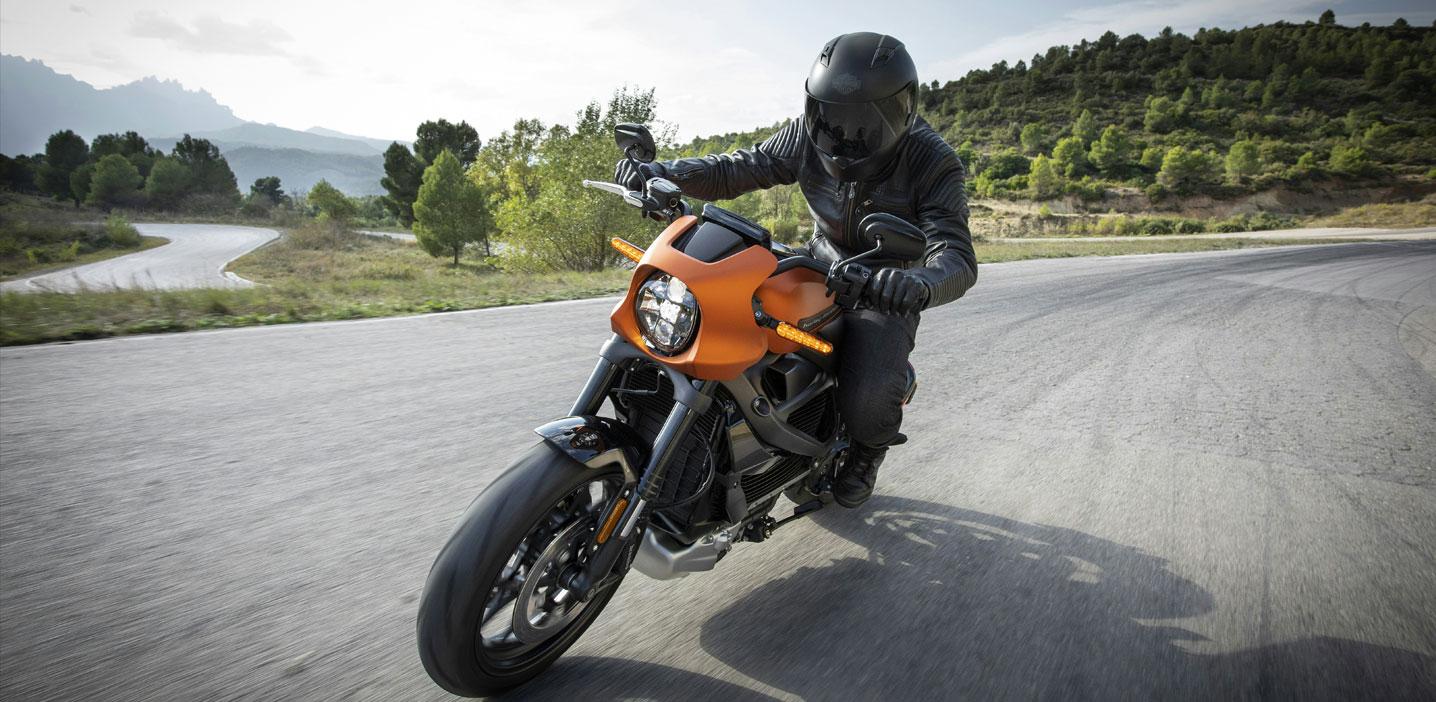
There is no shortage of hardcore motorcycle enthusiasts in India (as we’ve catalogued here previously), however, there are just as many new converts who are looking to get into biking. Or if not, at least to own their very own motorcycle.
For them, there’s an eternal question that revolves around their conscience: “What are all the bike types in India that I can choose from?”
Luckily for them, the thriving two-wheeler market in India means that there are many styles or classes that they can choose from. These are distinguished by critical factors like design, intended use, performance, ergonomics, legal classification, etc.
Are you one of these new converts? Have no fear
This guide gives you images, quick‑picks, and detailed info so you can spot which bike type suits you best (or just appreciate how different bikes are built for different jobs).
Before you make your purchase decision, just take a couple of minutes to explore.
What are the Main Bike Categories?
Here’s a snapshot table of major motorcycle types with a one‑line use case for each:
| Type | Quick use‑case / typical rider need |
| Standard / Naked | Everyday riding, commuting, beginner‑friendly use |
| Sport / Supersport | High performance, track days, curve carving |
| Cruiser / Chopper / Bobber | Relaxed riding, style & low seat, expression & torque |
| Touring | Long‑distance travel with comfort & luggage |
| Sport‑Touring | Blend of performance + long ride comfort & versatility |
| Adventure / Dual‑Sport / Enduro | Off‑road capable + good road comfort |
| Scooter / Underbone / Moped | Urban commuting, easy handling, low power & cost |
| Electric Motorbikes & Emerging Types | Zero emissions, battery tradeoffs, future tech and niche styles |
| Specialty types (Café Racer, Retro, Tracker etc.) | Style focussed, aesthetic appeal & niche performance |
Bike Types: Standard / “Naked” Bike Types
What is it? Here are the Core Features
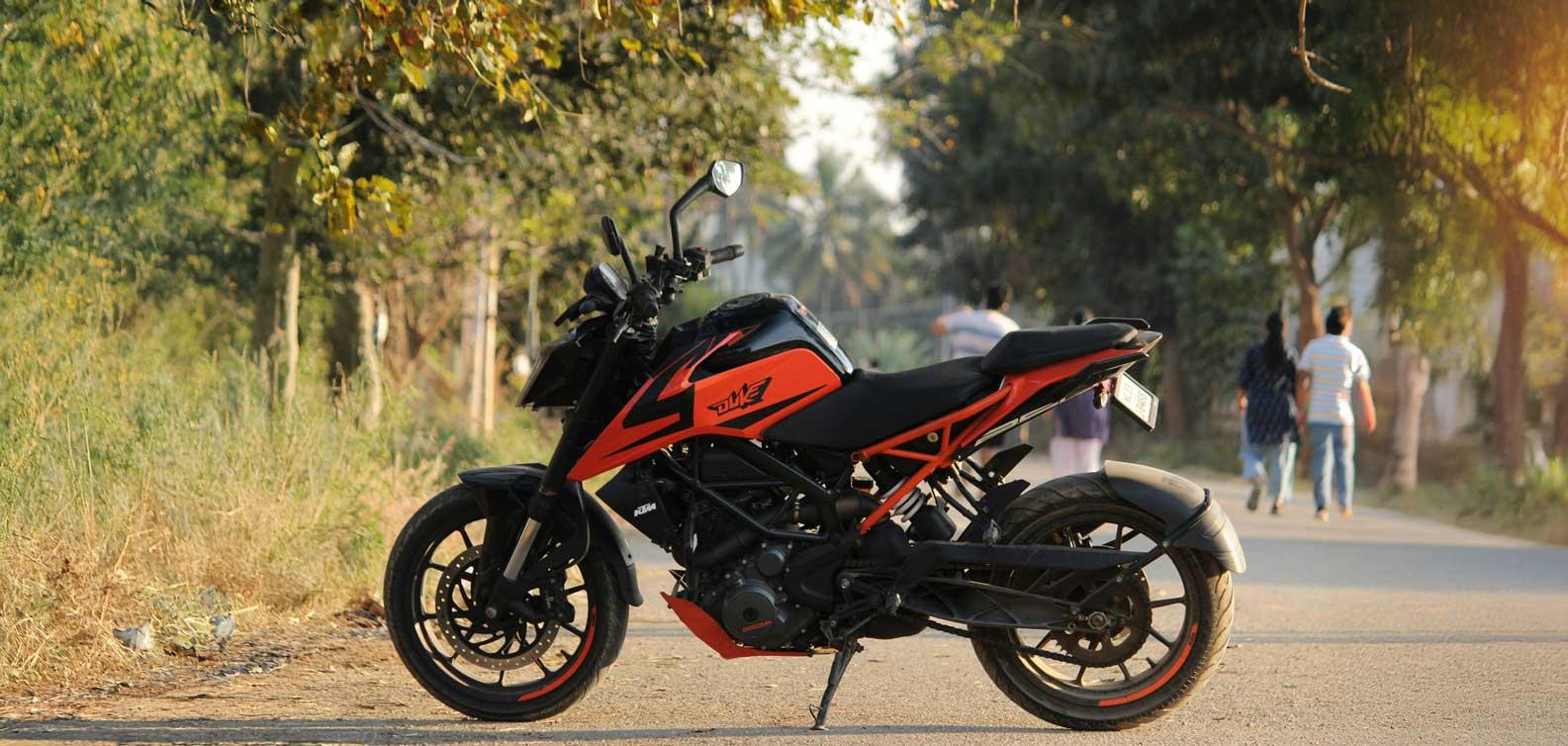
Standard (often called “naked”) bikes are built around upright ergonomics: the rider sits more or less straight, with handlebars that allow easy, comfortable steering and balanced posture. They are general‑purpose machines, neither overly aggressive nor overly relaxed—ideal for daily use, commuting, and casual weekend rides.
What are the Pros and Cons?
| Aspect | Pros | Cons |
|---|---|---|
| Riding Comfort | Upright, natural seating position reduces fatigue on short and mid-length rides | Less wind protection at highway speeds; more fatigue on long rides |
| Maintenance | Minimal bodywork and fairings → easier and cheaper to maintain | Exposed parts can get dirty or weathered faster |
| Versatility | Great all-rounders—usable for city commuting, light touring, or weekend rides | Not optimized for specific purposes like racing or long-distance touring |
| Performance | Balanced power and handling make them friendly for beginners and mid-level riders | May lack the power or aerodynamics of sport/touring models |
| Design & Style | Clean, mechanical look appeals to purists; easy to customize | May look plain compared to sporty or adventure designs |
Typical engine sizes & examples:
- Honda CB500X, Triumph Street Twin
- Yamaha MT‑07, Kawasaki Z650
- BMW G310R, KTM 390 Duke
Bike Types: Sport/ Super-sport Bikes
Learn About the Definition & Ergonomics
Sport and supersport bikes are performance‑oriented machines with aggressive posture: forward lean, high foot‑pegs, low handlebars or clip‑ons. They are designed for speed, sharp handling, aerodynamic bodywork, strong brakes and suspension, often at the cost of long‑ride comfort.
What are the Use Cases, and Who’s It For?
- Track days & racing
- Twisty roads, canyon carving
- Riders who prioritize speed, agility, and performance over long‑distance comfort
Bike Types: Cruiser / Chopper / Bobber Bikes
What are the Key Defining traits?
Cruisers, choppers, and bobbers emphasize style, torque, relaxed riding, and visual presence. Typically, they have low seat heights, feet positioned forward, relaxed handlebars, large torque‑oriented engines, lots of chrome or style detailing.
Choppers & bobbers go further in customizing style—minimalist fenders, stripped‑down look, long forks (in choppers), or custom aesthetic touches.
What are the Popular brands/models?
- Harley‑Davidson (various Softail, Street Glide, Fat Boy)
- Royal Enfield (Classic, Meteor etc.)
- Indian Motorcycles
Bike Types: Touring and Sport-Touring Bikes
What are the Key Long-distance features?
Touring bikes are built for covering many hundreds of kilometers in a day. Features include large fairings/windscreens for wind protection, big fuel tanks, very comfortable seats, pillion comfort, integrated luggage boxes, advanced infotainment or rider aids. Examples include the Honda Gold Wing and BMW R1250RT.
What are the Differences Between Pure Touring and Sport-Touring?
Here’s a brief comparison table:
| Feature | Pure Touring | Sport‑Touring |
| Riding posture | Very upright; comfort over aggressive lean | Slightly more forward lean; compromise between comfort & sportiness |
| Weight / bulk | Heavy; large dimensions | Lighter (relatively), more agile |
| Performance demand | Smooth torque; less emphasis on top speed | Higher engine revs, sharper handling |
| Luggage & accessories | Max luggage, amenities, passenger comfort | Good luggage options but lighter setups |
| Ideal use | Long cross‑country trips, high miles | Road trips + spirited riding + weekend blasts |
Bike Types: Adventure/ Dual-Sport/ Enduro Bikes
What about the Off-road Capability and Road Comfort?
Adventure / dual‑sport / enduro bikes try to bridge the gap between off‑road and on‑road riding.
They have longer suspension travel, higher ground clearance, rugged tires (or options for off‑road tires), protective hardware, but are still street‑legal (lights, mirrors etc.). They compromise: more rugged than road bikes, more comfortable than pure dirt/competition bikes.
Bike Types: Scooter/ Underbone/ Moped
What Makes them Great for City Commuting?
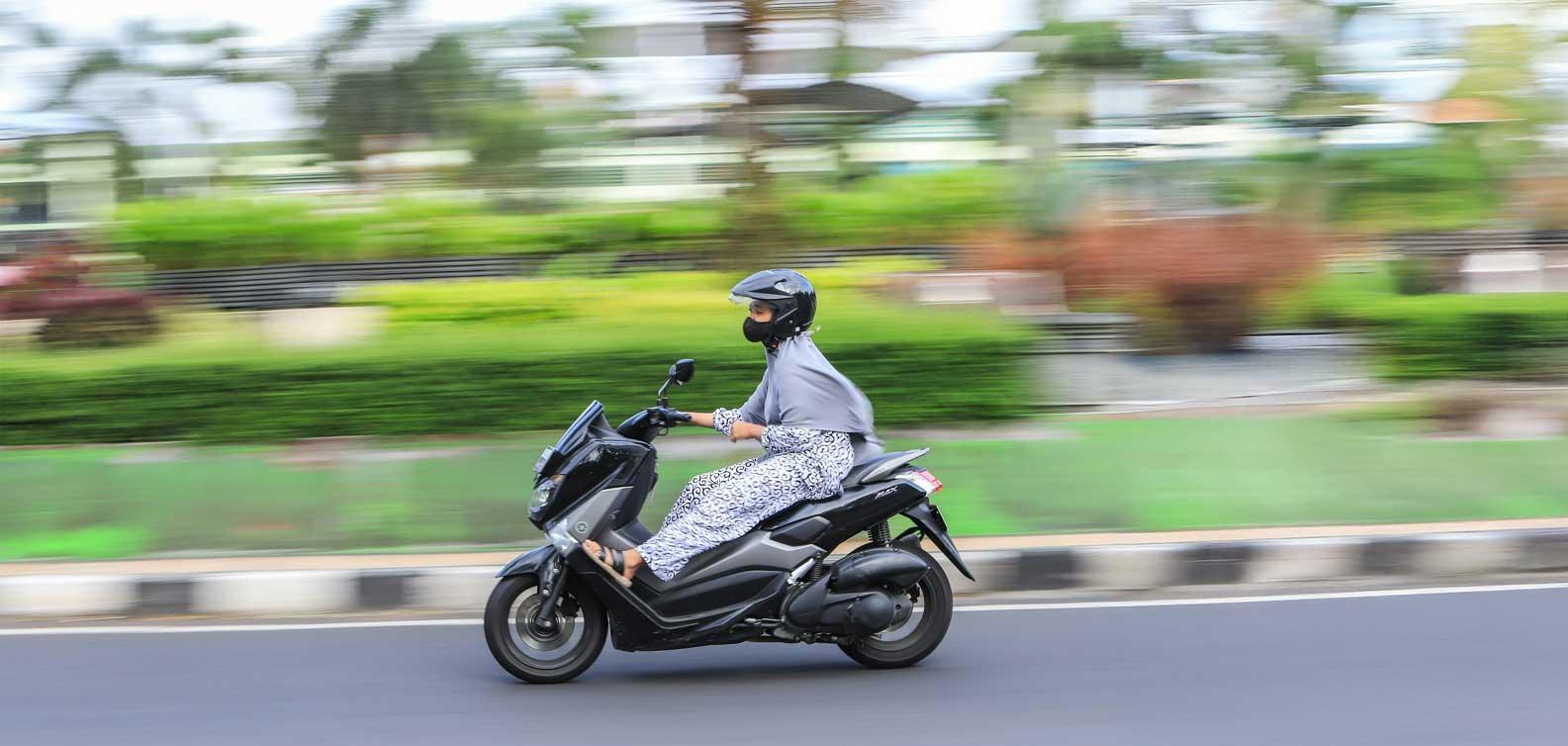
Most scooters feature automatic or semi-automatic transmissions, typically using a CVT for smooth, gear-free riding.
Their step-through or low-frame designs make them easy to mount and maneuver, while compact wheels allow tight cornering in city traffic. Lightweight construction, high fuel efficiency, and low maintenance needs make them a practical and economical choice for everyday commuting.
Bike Types: Electric Motorbikes and Emerging Types
How do E-scooters and Electric Adventure Bikes Stack Up?
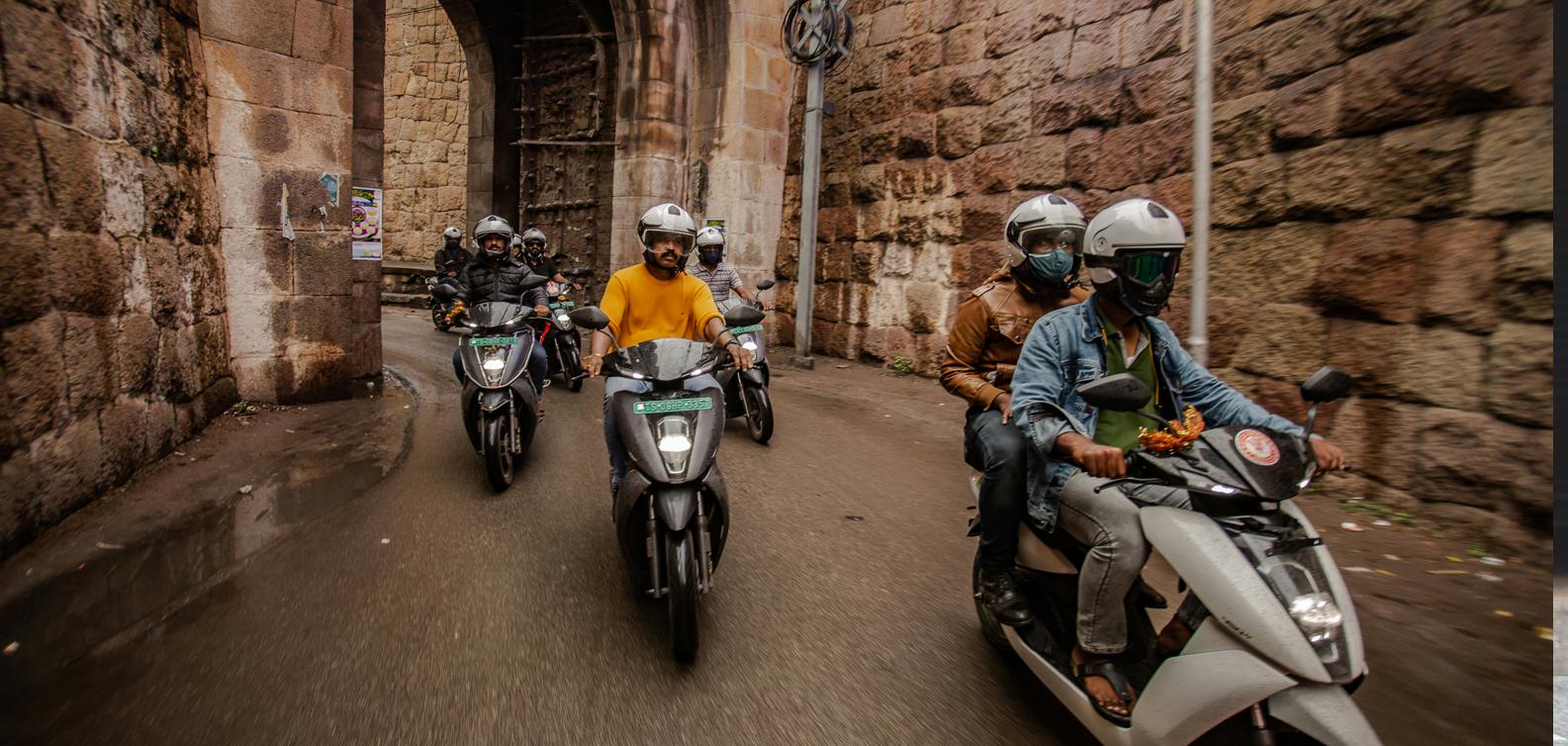
Electric motorbikes are growing quickly. They offer advantages in instant torque, low maintenance, quietness, and no fuel. But trade‑offs include battery range, cost, weight, and charging infrastructure.
Watch brands doing interesting work here (Zero, Energica, Harley‑Davidson’s electric lines, etc.). Emerging types blend classic/naked/adv styling with electric powertrains and sometimes off‑road capability.
Bike Types: Café Racer, Retro/Modern Classics, Trackers, Etc.
A mini gallery of specialty styles:
- Café Racer: stripped down, minimalist, low handlebars, aesthetic of 1960s race bikes
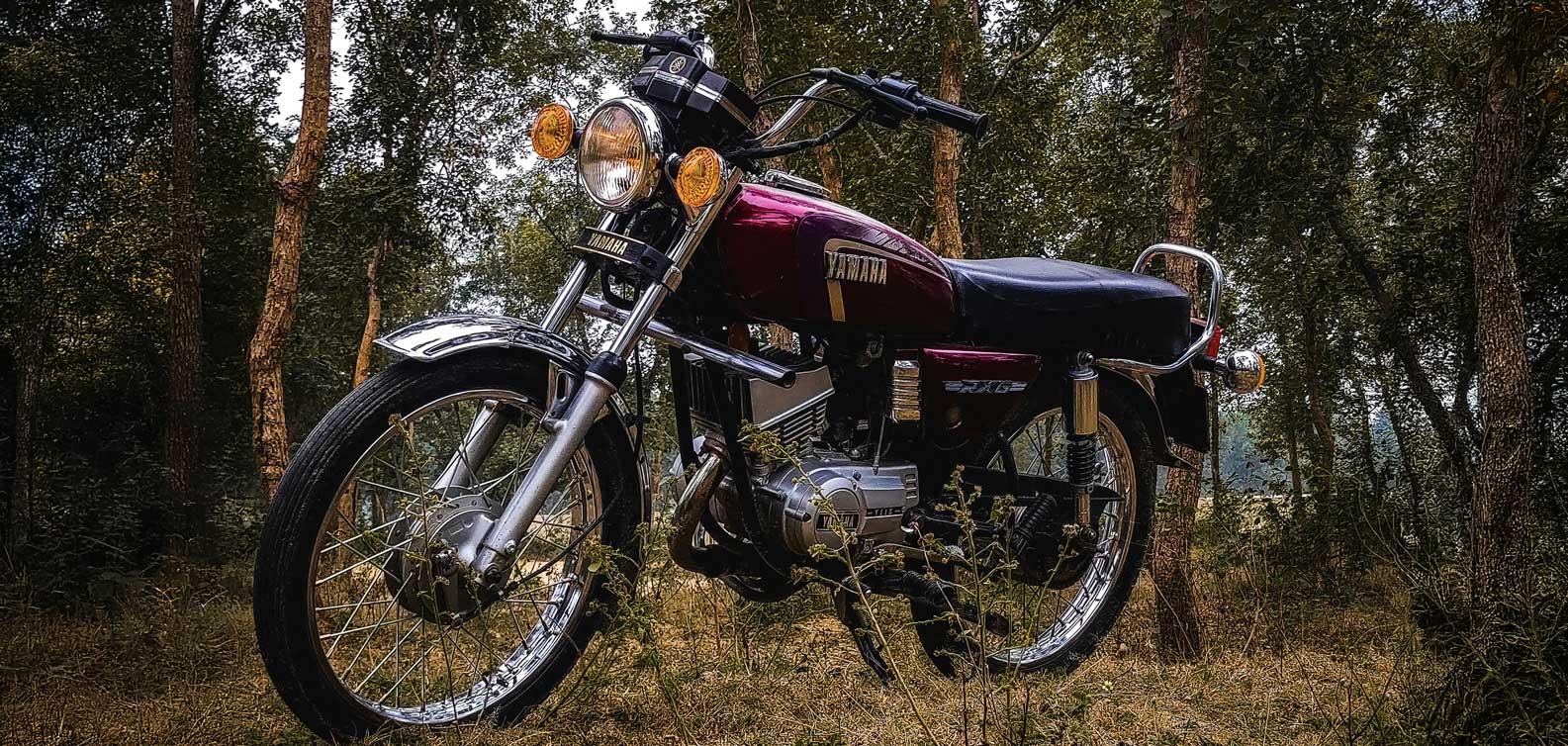
- Retro / Modern Classic: modern bikes built or styled with vintage looks: round lights, spoked wheels, classic paint
- Tracker: styled for flat track racing: minimal fenders, upright bars, performance tweaks
What are Other Ways to Best Classify Bike Types?
There’s no single universal system for classifying all motorcycle types. According to Wikipedia’s “Types of motorcycles” article, there are generally six categories recognized by most manufacturers/organizations (standard, cruiser, touring, sport, off‑road, dual‑purpose), with sport‑touring as a sometimes‑separate or hybrid category.
Here’s a comparison of two common classification schemes:
| Scheme | Basis or criteria | Categories included |
| Manufacturer / market use | Design intent, styling, performance, use | Standard, cruiser, sport, touring, dual‑sport / adventure, scooter / moped etc. |
| Legal / sport classification | Licensing, engine size, racing class, emissions | Might group by displacement, street‑legal vs off‑road, sport vs utility etc. |
What are the Various Types of Bike Engines?
Here’s a table of common engine configurations and where you tend to see them used:
What Bike Type is Best for…You? Here’s How to Choose
Here’s a decision‑tree checklist to help. All you have to do is give serious thought and consideration to these questions:
1. Where will you ride most?
Mostly city → need lightweight, good maneuverability (e.g. scooter, naked, small standard)
Mixed highway & long distance → sport‑touring, touring, or adventure
2. What is your riding skill level?
Beginner → lower displacement, easier handling, forgiving ergonomics (e.g. standard, small naked)
Experienced → you can consider higher performance, more complex bikes
3. Do you carry passengers or luggage often?
Yes → touring or adventure or sport‑touring with luggage options
No → lighter bikes, minimal gear
4. Terrain conditions?
Off‑road / gravel / trails → dual‑sport / enduro / adventure
Smooth roads/highways → sport, cruiser, standard
5. Budget and maintenance / running cost
Higher power/lots of electronics = more cost in maintenance & insurance
Simpler bikes = cheaper parts, sometimes better fuel economy
6. What kind of feel do you want?
Comfort, relaxed cruising
Sporty feel, speed, handling
Style / looks & aesthetic
Frequently Asked Questions
Q. How many types of bikes are there?
A. There’s no absolute number. Mostly there are six major categories (standard, cruiser, sport, touring, off‑road/dual‑purpose) with hybrids and specialty styles making more.
Q. What is a dual‑sport?
A. A dual‑sport is a bike built for both off‑road and on‑road use. It has features like street‑legal lights, suspension and tires that can handle trails, plus enough comfort and stability for paved roads.
Q. Which motorbike is best for city?
A. Typically a lightweight standard/naked, scooter, or small displacement underbone/moped works best in the city—easy to maneuver, low power (which is fine in traffic), good fuel economy, minimal upkeep.
Q. Types of motorcycles with names/pictures
A. See above gallery plus the taxonomy table (“standard, sport, cruiser, touring, dual‑sport, scooter/moped, specialty types etc.”) gives names; pictures illustrate typical form factors.
Q. Types of two‑wheelers
A. “Two‑wheelers” is broader: includes motorcycles, scooters, mopeds, underbones, and sometimes electric bikes. The classification depends on motor size, legal registration, intended use.
Conclusion
Motorcycles come in many shapes and styles, each optimised for specific uses—from daily commuting to high‑speed racing, long‑distance touring, off‑road adventures or style statements. Knowing the types helps you pick what matches you.
For more on the latest bike types, keep on following Ecozaar.
Based on 3 ratings

Tanushree (Author)
Tanushree is a dynamic business strategist with a knack for driving innovation in startups, especially in Fintech and Edtech. With 9 years of work-ex, an IT engineer from MIT Pune, & a MBA from IIM Bangalore (Marketing & Business Strategy), she’s got the mix of analytical and creative problem-solving.
Read more
Related Blogs
Popular articles are selected from the same backend blog feed.

Best Bikes Under 1 Lakh in India: Price, Mileage & Low-Maintenance Commuters
Compare the best bikes under ₹1 lakh in India by price, real-world mileage, maintenance and safety — from sub-₹60k commuters to 125cc options near ₹1 lakh.
Best Bikes Under 2 Lakh in India: Streetfighters, Cruisers & All-Rounders
Compare the best bikes under ₹2 lakh in India: verified ex-showroom prices, real-world mileage, ABS and hardware, and which model fits your budget.
Best Sports Bikes Under 5 Lakh in India: Track Bikes, Supersports & Top Speed Comparison
Compare the best sports bikes under ₹5 lakh in India by 0–100 km/h, GPS top speed, track ability, electronics, mileage and ownership costs.
Best 110cc–125cc Family Commuter Scooters in India: Mileage, Comfort & Price Comparison
Compare the best 110cc and 125cc scooters in India by price, real-world mileage, comfort, storage, braking, running cost and the value of upgrading to 125cc.
Best 150cc–160cc Bikes in India: Mileage, Price, Specs & Performance
Compare India's best 150cc–160cc bikes on mileage, price, power, braking and comfort — Pulsar N160, Apache RTR 160 4V, Xtreme 160R, FZ-S and more.
Best 200cc–250cc Performance Bikes in India: Power, Mileage & Highway Cruising
Compare India's best 200cc–250cc bikes on power-to-weight, real-world mileage, highway cruising and price, with the 200cc and 250cc classes covered together.
Best 350cc–500cc Bikes in India: Royal Enfield, Triumph & Mid-Capacity Classics
Compare Royal Enfield, Triumph, Harley-Davidson, KTM and Bajaj bikes from 349cc to 452cc on real price, power, mileage and highway comfort in India.
Best Electric Scooters Under 1 Lakh in India: Real-World Range, Subsidy & Price List
Compare the best electric scooters under ₹1 lakh by real-world range, battery size, charging, PM E-DRIVE benefits, running cost, build quality and family practi