Can I Have Two FASTags for One Car? One Vehicle, One FASTag Explained
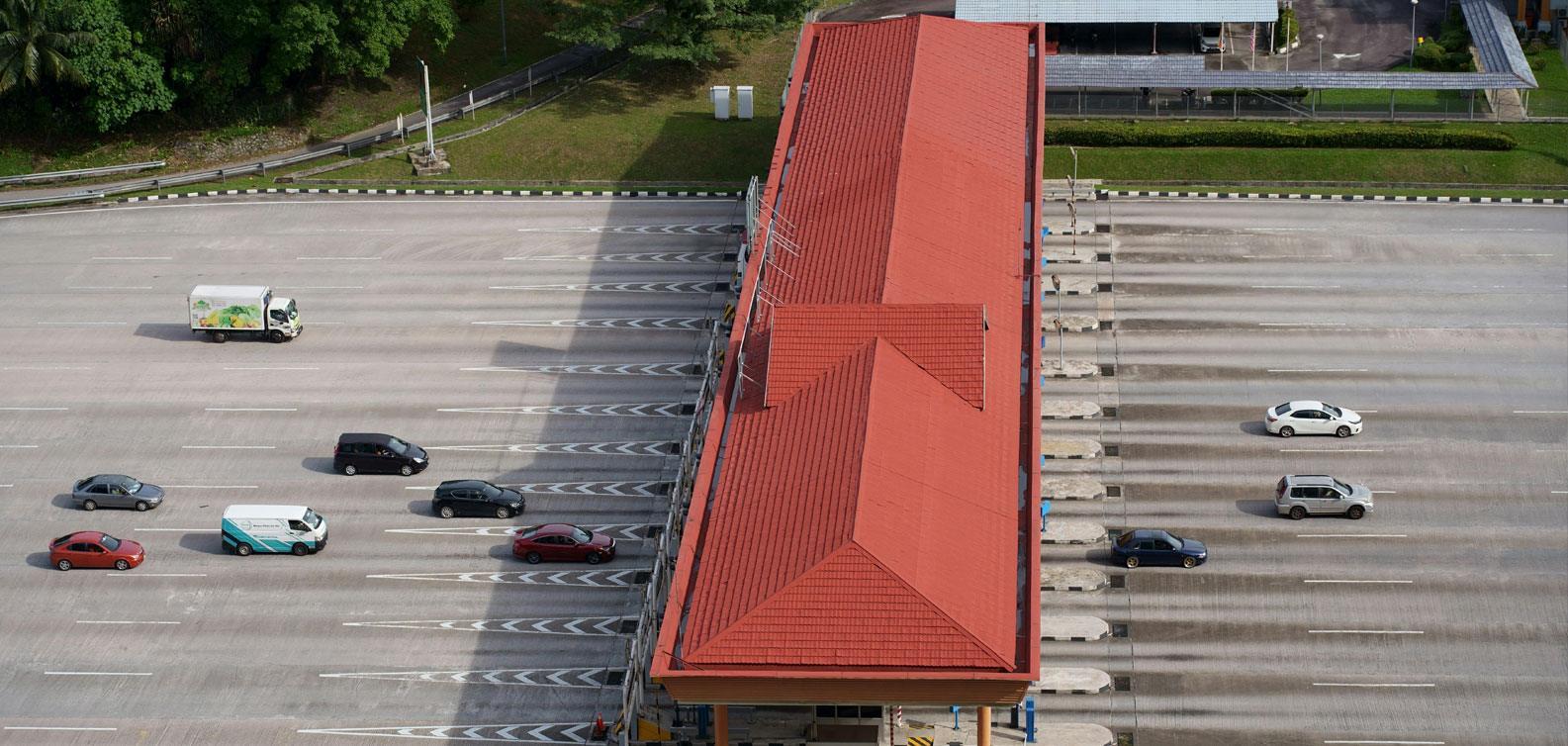
We’ve talked about electronic toll collection (and FASTag) a fair amount here, but at least from a customer perspective, there’s always more to talk about (definitely a good thing). More so when you consider just how critical electronic toll collection has become to India’s overall highway ecosystem.
After all, there are more than 7 crore FASTags issued across India. Because of that, the question keeps on surfacing: Can’t I have 2 FASTag for one car? Many vehicle owners often wonder if they can keep multiple tags with them for possession. Or think about things like: “Can one tag be used for more than one vehicle?”
So that’s the answer? Chances are that if you’ve clicked on this blog, you already may have an idea. This blog explains the ‘One Vehicle, One FASTag’ rule; explores why it exists; and elaborates on what you should do if you want to replace a damaged tag.
Fast Primer: What FASTag Is and Why the Rule Exists
FASTag is an RFID-based sticker linked to your vehicle’s Registration Certificate (RC). Once affixed on the windshield, it automatically deducts tolls from your prepaid account.
The One Vehicle, One FASTag rule was enforced by NHAI and the Indian Highways Management Company Ltd. (IHMCL) to:
- Prevent misuse of tags across multiple vehicles.
- Improve throughput at toll plazas.
- Ensure KYC compliance as per RBI norms.
- Avoid technical errors like double deductions at plazas.
For example, before this rule, some users attempted to keep multiple FASTags for the same car under different wallets to “game” cashback schemes or avoid low balance alerts. Others even tried to shift one FASTag between two cars to save the cost of buying another. These practices created chaos at toll lanes and financial mismatches in the NETC system.
Hence, the One Vehicle, One FASTag framework was introduced to bring order and efficiency.
One Vehicle, One FASTag — The Official Position
The official rule states:
- Only one active FASTag can be linked to a single vehicle.
- Any attempt to keep two or more FASTags linked to the same registration number will result in automatic deactivation of older tags.
- NHAI and banks enforce this by mapping each tag to the vehicle’s RC and class of vehicle.
This policy was rolled out in 2021 and is now fully enforced. Under RBI norms, KYC completion is mandatory, ensuring that each FASTag is tied clearly to the correct owner and vehicle.
Can I Have Two FASTags for One Car?
The short answer? No.
If you attempt to use two FASTags for the same car:
- Only the latest issued FASTag will remain active.
- The previous one will be automatically deactivated by the NETC system.
- In rare cases, both may be read at plazas, causing double deductions.
Risks of having two FASTags on one car include:
- Confusion at toll plazas.
- Money deducted twice.
- Blacklisting of your vehicle in the NETC system.
- Action by your issuing bank, including blocking or penalties.
Think of it this way: a toll scanner cannot “decide” which of the two tags is correct if both are present on your windshield. The system will often attempt to deduct from both. Not only does this mean you lose money, but you may also waste hours chasing refunds.
Therefore, the official recommendation is clear: keep only one FASTag per vehicle at all times.
Can One FASTag Be Used for Multiple Cars?
This is another common question. The answer again is: No.
A FASTag is issued against one vehicle’s RC number and its specific vehicle class (car, LCV, truck, etc.). Using the same tag for multiple cars will:
- Trigger class/RC mismatches.
- Lead to blacklisting in the system.
- Result in toll penalties or blocked passage.
For fleet owners or families with multiple cars, the solution is simple: buy one FASTag for each car. Banks allow you to manage multiple FASTags under one account or mobile number, but each tag must be separately registered to a vehicle.
Switching Providers the Right Way (Step by Step)
If you want to change your FASTag provider — say from ICICI to SBI — follow this process carefully:
- Check your current tag status using the MyFASTag app or issuer’s portal.
- Close or deactivate your old tag by contacting your bank. Clear any pending dues.
- Request a refund of the security deposit, where applicable.
- Apply for a new FASTag with full KYC details.
- Affix and test the new tag, ensuring only the new one remains on your windshield.
Remember: don’t use two tags simultaneously. Always deactivate the old one first.
Replacing a Damaged or Lost FASTag
If your tag is physically damaged, torn, or lost:
- Contact your issuing bank immediately.
- Request blockage of the old tag to prevent misuse.
- Apply for a replacement FASTag through the same bank.
- A replacement fee (around ₹100) may apply.
This ensures you don’t accidentally violate the One Vehicle, One FASTag rule.
How to Check if Multiple FASTags Are Linked to a Vehicle
If you suspect multiple tags are active on your car:
- Visit the IHMCL portal or MyFASTag app.
- Enter your vehicle details to check linked tags.
- If more than one appears, contact the issuer to close extra tags immediately.
This prevents issues at toll plazas and ensures compliance.
KYC: Why It Matters
Incomplete KYC can result in:
- Tag deactivation.
- Blacklisting after cut-off deadlines.
- Inability to recharge above ₹10,000/month.
How to update KYC:
- Visit your issuing bank portal or IHMCL portal.
- Upload RC, Aadhaar, PAN, and photo.
- Complete within the prescribed SLA (Service Level Agreement) period.
A fully KYC-compliant FASTag ensures smooth travel and uninterrupted services.
Frequently Asked Questions
Q1. Can fleet owners manage many tags on one mobile number?
Yes. Multiple tags can be managed on one account, but not multiple FASTags for one vehicle.
Q2. What happens if an old tag remains on the car after new installation?
It may still be read by scanners. Always remove/discard old tags physically.
Q3. Can I temporarily keep two FASTags while switching providers?
Not recommended. Deactivate the old one first to avoid double deductions.
Rules, Consequences, and Actions Summary
| Scenario | Allowed? | What Happens | What to Do |
| 2 FASTags on one car | No | Old deactivated, risk of confusion | Deactivate/close extras; keep latest |
| 1 FASTag across multiple cars | No | RC mismatch, blacklist risk | Buy separate tags per vehicle |
| Switching banks/providers | Yes | Old must be closed first | Deactivate old; then apply new |
| Incomplete KYC | No | Tag deactivated or blacklisted | Complete KYC with issuer/IHMCL |
Simple Decision Tree
- If changing banks → Close old tag → Apply new → Affix only the new one.
- If lost/damaged → Block old → Request replacement.
- If multiple tags are detected → Contact bank → Deactivate extras.
Conclusion
To answer the question directly: Can we have two FASTags for same car? No. The One Vehicle, One FASTag rule is strict, enforced, and designed to prevent misuse.
- One vehicle = one active FASTag.
- One FASTag = one vehicle.
- Switching providers is allowed, but only after closing the old tag.
- Multiple tags for one vehicle = risks of double deduction, blacklist, and penalties.
By following the correct process, you avoid fines, confusion, and wasted money — and ensure smooth passage on India’s highways in 2025.
For more on FASTag and road safety, keep on following Ecozaar.
Based on 1 rating

Tanushree (Author)
Tanushree is a dynamic business strategist with a knack for driving innovation in startups, especially in Fintech and Edtech. With 9 years of work-ex, an IT engineer from MIT Pune, & a MBA from IIM Bangalore (Marketing & Business Strategy), she’s got the mix of analytical and creative problem-solving.
Read more
Related Blogs
Popular articles are selected from the same backend blog feed.


Best Bikes Under 1 Lakh in India: Price, Mileage & Low-Maintenance Commuters
Compare the best bikes under ₹1 lakh in India by price, real-world mileage, maintenance and safety — from sub-₹60k commuters to 125cc options near ₹1 lakh.

Best Bikes Under 2 Lakh in India: Streetfighters, Cruisers & All-Rounders
Compare the best bikes under ₹2 lakh in India: verified ex-showroom prices, real-world mileage, ABS and hardware, and which model fits your budget.

Best Sports Bikes Under 5 Lakh in India: Track Bikes, Supersports & Top Speed Comparison
Compare the best sports bikes under ₹5 lakh in India by 0–100 km/h, GPS top speed, track ability, electronics, mileage and ownership costs.
Best Electric Scooters Under 1 Lakh in India: Real-World Range, Subsidy & Price List
Compare the best electric scooters under ₹1 lakh by real-world range, battery size, charging, PM E-DRIVE benefits, running cost, build quality and family practi
Best Low-Cost Electric Scooters Under ₹40,000–₹50,000: Non-RTO & Budget Commuters
Compare low-cost electric scooters under ₹40,000–50,000 by price, range, battery type, charging, non-RTO rules, running cost and practical ownership risks.
Best 110cc–125cc Family Commuter Scooters in India: Mileage, Comfort & Price Comparison
Compare the best 110cc and 125cc scooters in India by price, real-world mileage, comfort, storage, braking, running cost and the value of upgrading to 125cc.

Best 150cc–160cc Bikes in India: Mileage, Price, Specs & Performance
Compare India's best 150cc–160cc bikes on mileage, price, power, braking and comfort — Pulsar N160, Apache RTR 160 4V, Xtreme 160R, FZ-S and more.
Best 200cc–250cc Performance Bikes in India: Power, Mileage & Highway Cruising
Compare India's best 200cc–250cc bikes on power-to-weight, real-world mileage, highway cruising and price, with the 200cc and 250cc classes covered together.