Karnataka Electric Bike Taxi Scheme: Launch, Withdrawal, Ban, and What’s Next
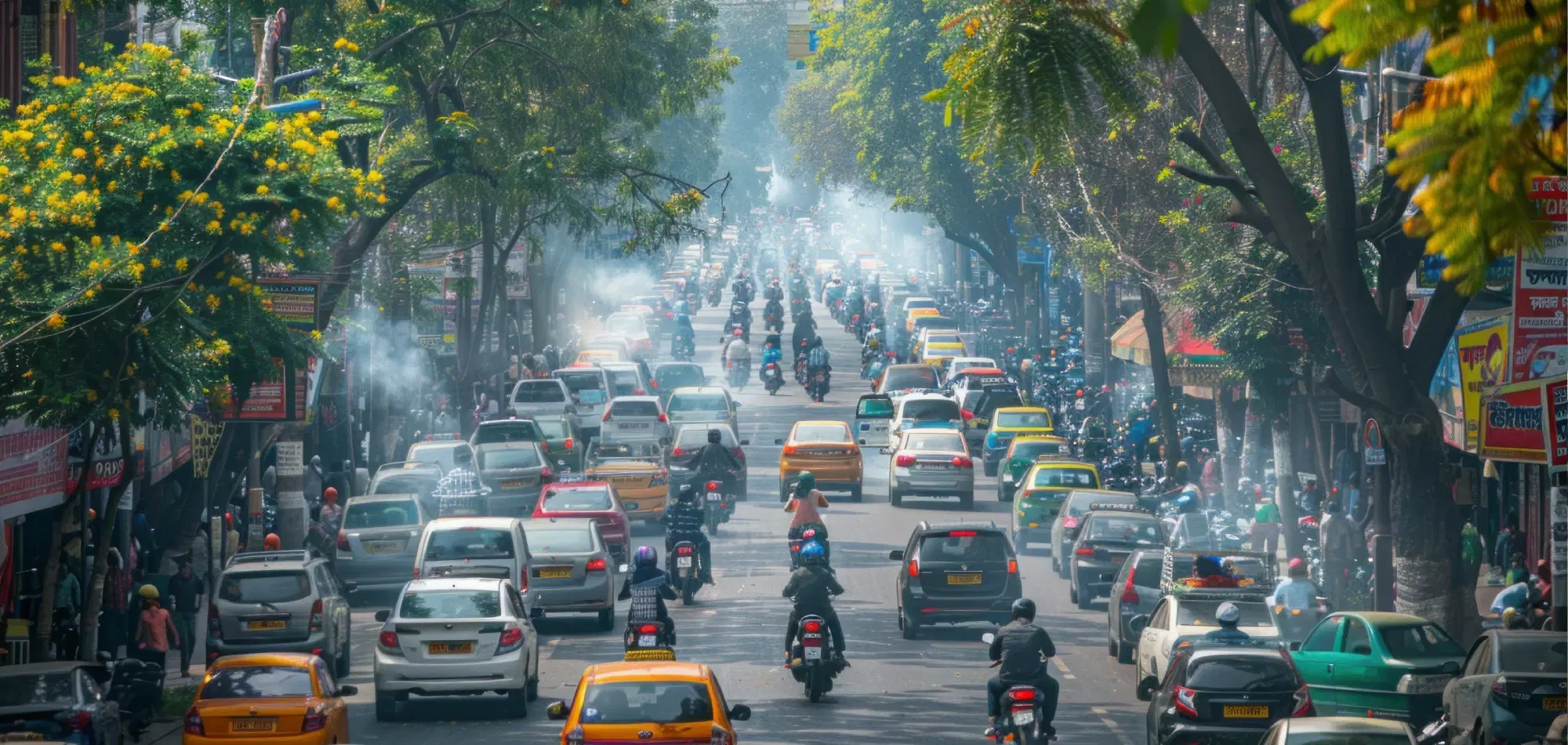
Navigating Bengaluru traffic is tough, but trying to keep up with the rules around two-wheeler taxis might actually be harder. The Karnataka electric bike taxi scheme has had one of the most turbulent policy histories in Indian urban mobility.
Launched with fanfare as the Karnataka bike taxi scheme 2021, it was abruptly scrapped in 2024 and strictly banned across the state in 2025. Then, it was reopened by a landmark High Court ruling in January 2026.
Now, with the state government challenging that very ruling in the Supreme Court as of late April 2026, the fate of the e-bike ecosystem is hanging in the balance once again.
For aggregators, daily commuters, or gig workers looking to run a Karnataka e-bike taxi, understanding the current legal reality is essential. H
ere is the complete story, and what it means for e-bike taxi riders and operators today.
What Was the Karnataka Electric Bike Taxi Scheme 2021?
Before the bans and court cases, the state attempted to build a clear, legal framework for two-wheeler transport.
Why It Was Introduced
Launched on July 14, 2021, by then-Chief Minister B.S. Yediyurappa, the primary goal of the policy was last-mile connectivity. Rapid urbanization in cities like Bengaluru had left a massive gap between fixed-route public transport (buses, metro, trains) and the front doors of commuters.
The state recognized that an official framework could reduce travel time, create self-employment opportunities, and promote eco-friendly urban mobility by restricting the scheme strictly to electric vehicles.
Key Features of the Karnataka Bike Taxi Scheme 2021
| Feature | Detail |
| Vehicle type | Battery-operated electric two-wheelers only |
| Maximum ride distance | 10 km per trip |
| Fare structure | ₹25 for up to 5 km; ₹50 for up to 10 km |
| Licence validity | 5 years from the date of issue |
| Operators eligible | Both aggregators (Ola, Rapido, Uber) and individual e-bike owners |
| Individual operator licence fee | Waived (₹0 for individuals) + no ₹5,000 security deposit required |
| Aggregator licence | Under Karnataka On-Demand Transportation Technology Aggregator Rules, 2016 |
| GPS requirement | Mandatory — data to be shared with transport authorities |
| Vehicle identification | Must display “Bike Taxi” with Transport Dept-specified colour scheme |
| Insurance | Mandatory for riders and vehicle owners |
| Operating area | Urban areas across Karnataka (starting in Bengaluru) |
Who Got Licences Under the 2021 Scheme?
In December 2022, the Transport Department issued licences to BluSmart and Bounce as the first two operators.
Aggregators like Rapido, Ola, and Uber also applied but quickly ran into policy roadblocks. Notably, individual e-bike owners were also allowed to register independently, establishing one of India’s earliest official gig-economy frameworks for independent riders.
Why Was the Karnataka Electric Bike Taxi Scheme Withdrawn in 2024?
By March 2024, the state government entirely scrapped the policy. There were three distinct reasons behind this sudden withdrawal.
Official Reason — “Blatant Violations”
The official government notification dated March 6, 2024, cited “blatant violations” of the rules as the core reason for withdrawal. The main issue was that private, petrol-powered two-wheelers with white number plates were regularly operating as taxis.
Under Indian motor vehicle rules, any vehicle used for commercial transport must be registered as a transport vehicle and carry a yellow number plate. Riders were routinely ignoring this rule.
Political Pressure — Auto & Taxi Union Opposition
Auto-rickshaw and maxi-cab driver unions maintained sustained opposition from the day the policy was announced. They argued that unregulated bike taxis were eating into their livelihoods.
Daily confrontations on the streets between auto drivers and bike taxi riders created law-and-order risks that local police had to manage constantly. Rapido specifically stated the withdrawal was due to “political reasons” rather than a data-backed policy review.
Women’s Safety Concerns
The state government also pointed to structural gaps regarding the safety of women commuters. The policy lacked strict helmet enforcement mechanisms for pillion riders, had no panic button requirements, and featured weak background verification systems for individual gig-workers.
The 2025 Ban — What Happened After the Scheme Was Withdrawn
The period following the withdrawal was chaotic for riders and aggregators, eventually leading to a complete halt of services. Finding a legal path forward for an electric bike taxi Karnataka model became a high-stakes battle in the courts.
Complete Timeline (2024–2026)
| Date | Event |
| March 2024 | Karnataka government withdraws the Karnataka Bike Taxi Scheme 2021 |
| April 2025 | Karnataka HC (single bench) rules bike taxis illegal without state policy; gives 6-week wind-down |
| June 16, 2025 | Aggregators remove bike-taxi option; statewide ban enforced |
| July 2025 | Centre issues Ride Aggregator Guidelines 2025 permitting bikes with state approval |
| Aug–Sep 2025 | Rapido and Uber briefly restart services amid court pressure; transport dept studies other state models |
| Sep 2025 | Karnataka transport officials visit Delhi, Mumbai, Chennai, Hyderabad, and Kolkata to study bike taxi models |
| Jan 2026 | Karnataka HC Division Bench overturns single bench — directs state to issue contract carriage permits |
| Apr 2026 | State government files Special Leave Petition (SLP) in the Supreme Court to challenge the HC directive |
What Was at Stake?
When the ban was strictly enforced in mid-2025, approximately 6 lakh bike-taxi riders lost their primary source of income. Ride aggregators lost significant revenue, prompting Rapido, Ola, and Uber to legally challenge the ban in the High Court.
The January 2026 HC Ruling — What It Means
The legal standing of bike taxis shifted dramatically in the first half of 2026.
What the Court Ruled
In January 2026, a Division Bench of the Karnataka High Court overturned the earlier single-bench ban. The court ruled that a blanket ban is an unreasonable restraint on trade and commerce, declaring bike taxis legally permissible.
The ruling specifically directed the state government to process applications from aggregators and individuals seeking permits to operate motorcycles as contract carriages with yellow number plates.
What Still Needs to Happen
Because the state has contested the ruling, the practical reality on the ground is stalled. For a fully legalized system to function:
- The state government needs to frame a fresh regulatory policy.
- Vehicles must be officially converted to yellow commercial number plates.
- Individual riders must be able to secure contract carriage permits from their Regional Transport Office (RTO).
- Aggregators need updated licences reflecting the Centre’s 2025 guidelines.
Government’s Stance (April 2026)
Despite the High Court’s order, the state government remains opposed to the service operating without localized regulations. On April 28–29, 2026, the Karnataka government filed a Special Leave Petition (SLP) in the Supreme Court to challenge the High Court’s directive. Until the Supreme Court issues a final ruling, a comprehensive fresh scheme will not be notified.
How Karnataka Compares to Other States on Bike Taxi Policy
In September 2025, the transport department studied frameworks across the country to see what works elsewhere. Here is how the state stacks up:
| State | Status | Key Rules |
| Karnataka | HC order Jan 2026; no fresh scheme yet | Yellow plates, contract carriage permit required |
| Maharashtra | Electric-only bike taxis permitted (2025) | Cities >1 lakh pop; max 15 km; 50+ EV fleet for aggregators; ₹15/1.5 km fare |
| Delhi | Operates under Centre’s Aggregator Guidelines 2025 | State permits issued to aggregators |
| Hyderabad | Operational via Rapido under Telangana policy | No electric-only mandate |
| Chennai | Operational | Under study by Karnataka officials |
| Kolkata | Operational | Under study by Karnataka officials |
Maharashtra’s model is the most direct benchmark, as it aligns with Karnataka’s initial EV-only focus while including safety measures like a ₹2 lakh insurance requirement and 8-hour driving caps.
Can You Run an Electric Bike Taxi in Karnataka Today? (Practical Guide)
If you are an independent rider or someone looking to invest in a Karnataka e-bike taxi fleet, you need to understand the immediate ground reality.
Current Legal Status (April 2026)
Technically, the January 2026 High Court order requires the state to issue permits. However, because the Karnataka government is actively fighting this in the Supreme Court, the administration has not notified a comprehensive new scheme or streamlined the permit process at local RTOs.
Aggregators are eager to resume operations, but the regulatory vacuum makes it highly risky to drive right now.
Steps to Register as an Electric Bike Taxi Operator (When Scheme Is Active)
Once a legal framework is firmly established and the RTOs begin processing applications, the general workflow is:
- Own or purchase a battery-operated electric two-wheeler.
- Convert the vehicle registration to the transport category (getting a yellow number plate).
- Apply for a contract carriage permit at your local RTO.
- If joining a platform, apply via their portal under their master aggregator licence.
- Purchase mandatory commercial insurance covering both the rider and the vehicle.
- Install any GPS tracking hardware mandated by the transport authorities.
Key Caution for Aspiring Operators
Do NOT operate with a white private number plate. This was the exact violation that caused the state to scrap the initial policy. Converting a vehicle to a commercial registration can affect its resale value and insurance costs.
Given the current Supreme Court proceedings, monitor the Karnataka Transport Department updates before investing in a new EV for taxi purposes.
Frequently Asked Questions
Q: What is the Karnataka Electric Bike Taxi Scheme?
The Karnataka Electric Bike Taxi Scheme was a 2021 state policy allowing battery-operated electric two-wheelers to operate as taxis up to 10 km per trip. It was withdrawn in March 2024 but was partially revived by a January 2026 High Court ruling.
Q: Is the Karnataka Electric Bike Taxi Scheme still active?
The original 2021 scheme was withdrawn in March 2024. A Karnataka HC Division Bench ruling in January 2026 directed the state to issue contract carriage permits for bike taxis. However, a fresh comprehensive scheme has not been officially notified as of April 2026.
Q: Why was the Karnataka bike taxi scheme withdrawn in 2024?
Three reasons: widespread violations of white-board (private) number plate rules, political pressure from auto-rickshaw and taxi unions, and a lack of women’s safety provisions. The official notification cited “blatant violations.”
Q: Can I register my vehicle as an electric bike taxi Karnataka right now?
Based on the January 2026 HC order, individuals can apply for contract carriage permits with yellow number plates. Contact your RTO for current application procedures, as a formal new scheme has not been notified as of April 2026.
Q: What was the fare structure under Karnataka’s electric bike taxi scheme?
₹25 for trips up to 5 km and ₹50 for trips up to 10 km. The maximum trip distance was 10 km per ride under the 2021 scheme.
Q: Which companies had licences under the scheme?
BluSmart and Bounce received licences in December 2022. Aggregators Rapido, Ola, and Uber also operated under the scheme before it was withdrawn in 2024.
Q: What is the latest update on bike taxis in Karnataka?
The Karnataka HC Division Bench in January 2026 directed the government to issue bike taxi permits as contract carriages with yellow number plates, giving relief to ~6 lakh affected riders. Rapido and Uber have welcomed the ruling and are expected to resume formally once the state notifies the guidelines.
Based on 1 rating

Najmus (Author)
Najmus leads content and SEO at Ecozaar, building trustworthy guides on electric two-wheelers, RTO processes, and green finance in India. With 8+ years in technical and editorial SEO, he turns complex regulations and specs into practical, citation-backed explainers. His work combines schema, CWV, and clear sourcing to help readers make confident, real-world decisions.
Read more
Related Blogs
Popular articles are selected from the same backend blog feed.


Best Bikes Under 1 Lakh in India: Price, Mileage & Low-Maintenance Commuters
Compare the best bikes under ₹1 lakh in India by price, real-world mileage, maintenance and safety — from sub-₹60k commuters to 125cc options near ₹1 lakh.
Best Bikes Under 2 Lakh in India: Streetfighters, Cruisers & All-Rounders
Compare the best bikes under ₹2 lakh in India: verified ex-showroom prices, real-world mileage, ABS and hardware, and which model fits your budget.
Best Sports Bikes Under 5 Lakh in India: Track Bikes, Supersports & Top Speed Comparison
Compare the best sports bikes under ₹5 lakh in India by 0–100 km/h, GPS top speed, track ability, electronics, mileage and ownership costs.
Best Electric Scooters Under 1 Lakh in India: Real-World Range, Subsidy & Price List
Compare the best electric scooters under ₹1 lakh by real-world range, battery size, charging, PM E-DRIVE benefits, running cost, build quality and family practi
Best Low-Cost Electric Scooters Under ₹40,000–₹50,000: Non-RTO & Budget Commuters
Compare low-cost electric scooters under ₹40,000–50,000 by price, range, battery type, charging, non-RTO rules, running cost and practical ownership risks.
Best 110cc–125cc Family Commuter Scooters in India: Mileage, Comfort & Price Comparison
Compare the best 110cc and 125cc scooters in India by price, real-world mileage, comfort, storage, braking, running cost and the value of upgrading to 125cc.
Best 150cc–160cc Bikes in India: Mileage, Price, Specs & Performance
Compare India's best 150cc–160cc bikes on mileage, price, power, braking and comfort — Pulsar N160, Apache RTR 160 4V, Xtreme 160R, FZ-S and more.
Best 200cc–250cc Performance Bikes in India: Power, Mileage & Highway Cruising
Compare India's best 200cc–250cc bikes on power-to-weight, real-world mileage, highway cruising and price, with the 200cc and 250cc classes covered together.