Best Tyres for Royal Enfield Himalayan: Size & Price Guide
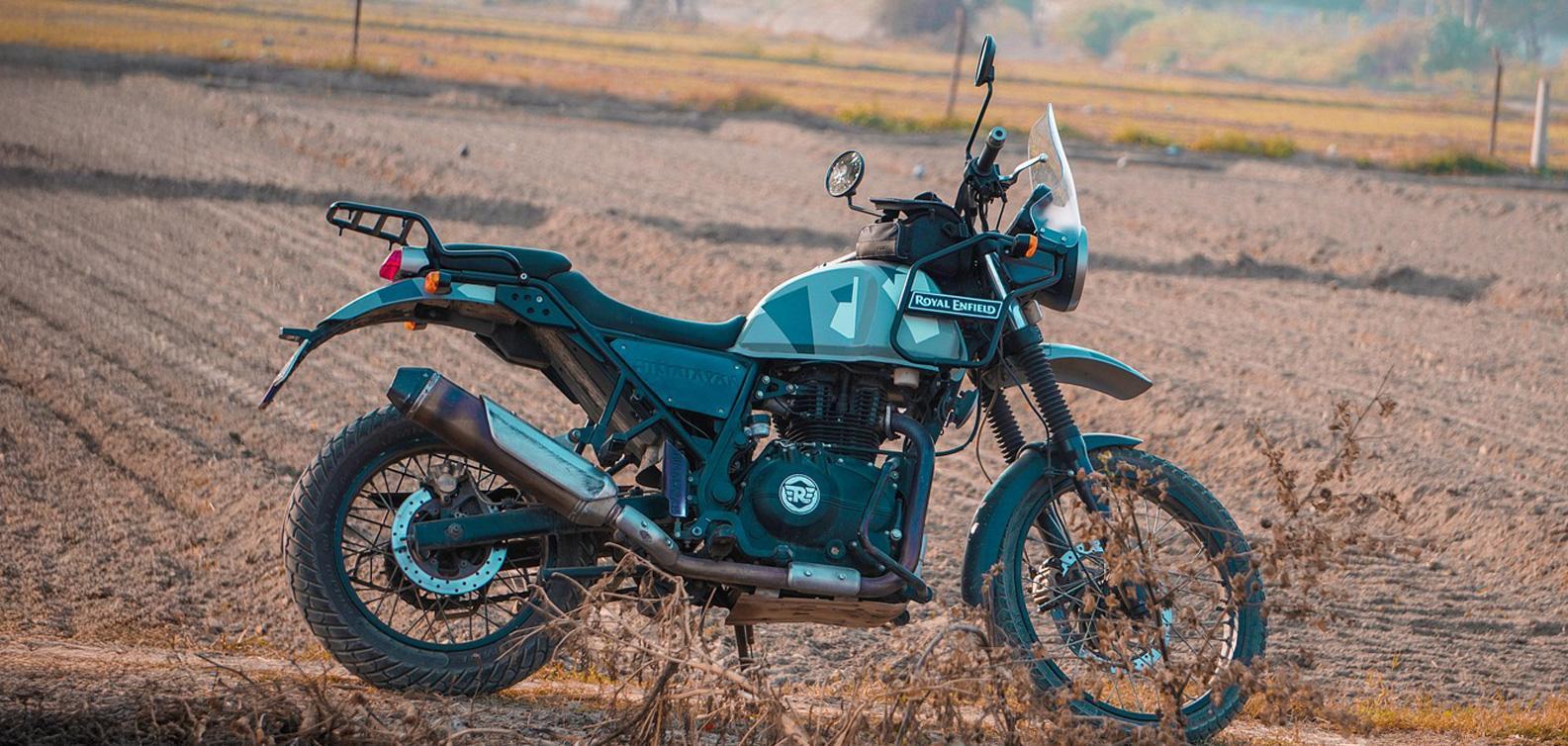
The Royal Enfield Himalayan is one of the most well-respected bikes in its particular segment in India. Known for providing riders with power and mileage, while being durable and affordable, it remains one of the popular choices for adventurous riders who seek to challenge and conquer steep terrain and high mountain passes.
The Himalayan covers bumpy tracks and displays solid, long-lasting endurance to overcome the various hurdles that come in between. As an added perk, it has a vintage design which is both practical and simple. Which helps to uncomplicate things for riders.
One of its best features, however, is one of its most underrepresented: its tyres. The Himalayan, as an example, comes with what some might call standard tyres: CEAT Gripp XL tires with dimensions of 90/90-21 for the front and 120/90-17 for the back.
As with all tires, some riders prefer switching to different ones, according to the terrain. In that respect, tyre size is critical for the motorcycle’s performance, as an ill fit can cause handling and safety issues.
As with all tires, some riders prefer switching to different ones for different terrains. While some riders prefer switching, the tires do not fit all rides. Tyre size is critical for the motorcycle’s performance as an ill fit can cause it to poorly handle and potentially risk the safety.
This guide covers everything you need to know about Royal Enfield Himalayan tyres — from recommended sizes for different models, to how to check for perfect fits, to price ranges, and ideal tyre pressures. We also touch upon when to replace your tyres, alongside essential maintenance tips and answers to common questions.
By the end, you’ll know exactly what tyres will suit your Himalayan — whether you’re cruising on highways or bouncing over rocky trails.
Himalayan Tyre Sizes & Specifications
Standard Sizes for Himalayan Models
Standard Sizes for Himalayan Models
| Himalayan Model | Front Size | Rear Size |
| Himalayan 411 & 650 | 90/90-21 | 120/90-17 |
| Himalayan 450 | 90/90-21 | 140/80-17 |
The 21-inch front wheel is a hallmark of enduro‐style bikes, offering a taller profile and a larger contact patch. This enables better absorption of obstacles and allows for a wider variety of off-road tyre fitments, giving riders more granular options when choosing terrain-specific tyres.
Stock Tyre & Compatibility
Out of the box, the Himalayan rolls on CEAT Gripp XL tyres in the spec of 90/90-21 front and 120/90-17 rear. For Indian riders, the rear size—120/90-17—is relatively uncommon, limiting swap options unless you’re buying directly from select retailers or importing. Despite that, upgrading to brands like MRF or Timsun in identical sizes typically doesn’t alter the bike’s ride dynamics or handling balance because you’re staying within design parameters.
Tubeless vs Tube Types
The Himalayan’s spokes and rims are tube-type, which means tyres come with an inner tube for inflation. However, tubeless conversions are possible using sealant kits and foam rim strips or with compatible tubeless-ready tyres plus rim prep.
Benefits of tubeless:
- Self-seal capability and better puncture tolerance
- Ability to run lower pressures for more traction off-road
Benefits of tubes:
- Simpler roadside repairs using a spare tube
- Lower cost and easier replacement
Still, mixing a tubed tyre with a tubeless tyre (or vice versa) is generally discouraged, as it may lead to air retention issues or unpredictable handling.
Price Range & Tyre Pressure
Front & Rear Tyre Prices
Here’s a breakdown based on TyreMarket’s 2023 analysis (note prices can vary by location and retailer):
| Brand & Model | Position | Size | Price* (INR) | Pressure (unloaded/loaded) | Features |
| MRF Mogrip Meteor-M | Front | 90/90-21 | ₹3,000 | 25 / 27 psi | Good grip, on/off-road use |
| MRF Mogrip Meteor-M | Rear | 120/90-17 | ₹3,500 | 32 / 34 psi | Same as above |
| Timsun TS-823 | Front | 90/90-21 | ₹3,500 | 25 / 27 psi | Ultimate on/off-road, 3-month warranty |
| Timsun TS-822 | Rear | 120/90-17 | ₹5,633 | 32 / 34 psi | Premium on/off-road, 3-month warranty |
*Note: Prices vary by retailer and region and are based on TyreMarket’s 2023 pricing.
For comparison, the CEAT Gripp XL tyres are priced around ₹2,435 (front) and ₹3,635 (rear).
Recommended Tyre Pressures
- Front: 25 psi unloaded / 27 psi under load
- Rear: 32 psi unloaded / 34 psi under load
Checking your tyre pressures regularly—preferably before long rides or once a week—is crucial. Correct pressure improves tyre longevity, grip, fuel efficiency, and overall safety.
Compatible Tyre Options
MRF & Timsun Options
MRF Mogrip Meteor-M: Known for reliable grip, suitable for on- and off-road use, and backed by a 5-year warranty in some cases. This particulate tyre is optimised for mixed and rugged surfaces, which makes it a versatile choice for Himalayan riders.
On the other hand, Timsun TS series (TS-823 front and TS-822 rear) is positioned as a premium tyre that is catered towards off-road performance. It also offers better traction on gravel and mud at a slightly steeper price.
CEAT vs MRF Comparison
| Brand | Key Strengths | Considerations |
| CEAT Gripp XL | Excellent aquaplaning, stable handling on tarmac | Slightly less aggressive off-road |
| MRF Mogrip Meteor | Rugged off-road performance, solid grip | Higher price than stock options |
- Pros of CEAT Gripp XL: Better water dispersion, smooth and stable at highway speeds; excellent for regular touring.
- Cons of CEAT Gripp XL: Lacks deep tread for aggressive off-road, may wear faster on dirt trails.
- Pros of MRF Mogrip Meteor: Chunkier tread and compound for better off-road grip and control.
- Cons of MRF Mogrip Meteor: Slightly noisier on pavement and you’ll likely pay a premium.
Other Tyre Brands (Metzeler, Pirelli, Michelin, Apollo)
While CEAT, MRF, and Timsun dominate Himalayan aftermarket selections in India, several global brands warrant mention:
- Metzeler Tourance: Street-oriented adventure tyre with a fine balance of road grip, longevity, and light dirt capability.
- Pirelli Scorpion Trail II: Excellent wet and dry traction, constructed for long mileage and touring use.
- Michelin Anakee Adventure: Renowned for impressively long life, smooth performance, and all-round handling.
- Apollo (if available): Often priced competitively, with decent dual-purpose performance—though mileage and grip may vary.
These options typically cost more and may require import or premium retail stores, but offer high performance and often better material quality.
Off‑Road vs Touring Tyres
Road‑Biased Tyres
Listed among “Pure Road” picks on TwoTyres, these tyres excel on pavement:
- Avon Roadrider Mk2: Smooth on tarmac, long-lasting compound.
- Bridgestone BT46: Known for motorway comfort and mileage.
- Continental Trail Attack 3: Excellent grip on paved surfaces, decent mileage.
These are ideal for long road tours where comfort, stability, and tread life matter most—but offer limited traction on loose or muddy terrain.
Dual‑Purpose / Adventure Tyres
Perfect for riders splitting time between roads and trails:
- Anlas Capra R
- Avon Trailrider
- Continental ContiEscape
- Pirelli MT90 A/T
They strike a balance—aggressive enough for light dirt paths and stable on pavement, all while offering moderate mileage.
Off‑Road‑Focused Tyres
When serious off-road ability is needed, these are your go-to:
- Bridgestone AX41
- Continental TKC80
- Pirelli MT21 RallyCross
Aggressive knobbly tread patterns bite into dirt, sand, and mud with authority. The Himalayan’s 21-inch front rim perfectly accommodates these “true off-road” tyres, giving you the traction and control demanded by rough trails.
Choosing the Best Tyre
Assess Your Riding Style & Terrain
- Estimate your riding terrain split (e.g., 80% highway, 20% trails)
- Climate considerations: Wet climates need deeper grooves; dry terrain favors blockier knobbies.
- Luggage and passenger load: Heavier loads may demand sturdier carcass tyres.
- Tread pattern preference: Smooth for asphalt, twin-compound tourers for mixed, knobbier for trails.
- Durability expectations: If you tour long distances, a harder compound (e.g., Anakee Adventure) makes sense; for frequent weekend trail rides, opt for softer, grippier options like MRF or TKC80.
This matches the TyreMarket FAQ emphasis on terrain, weather, load capacity, tread, and durability as key factors in tyre selection.
Tubed vs Tubeless Decision
- Tubeless conversion: Offers puncture resistance, self-sealing, and the ability to run lower pressures—great off-road—but needs careful rim preparation and sealant upkeep.
- Staying with tubes: Easier and cheaper to fix mid-ride (carry a spare tube, patch kit), but less tolerant of punctures and more vulnerable to pinch flats.
Avoid mixing tubed and tubeless tyres on a single bike—this can introduce unpredictable air-loss and handling issues.
Budget & Warranty Considerations
Budget range: Expect to spend approximately ₹2.4k for front stock-equivalent tyres and up to ₹5.6k for high-performance rear models like Timsun.
Warranty: CEAT typically offers 5 years, while Timsun’s is 3 months, albeit cheaper upfront.
A higher upfront cost (e.g., Michelin, Pirelli) may pay off in longer tread life, better ride quality, and fewer replacements over time.
Maintenance & Replacement
- Replace tyres every 10,000–15,000 km, or sooner if tread depth dips below legal limits or wear indicators.
- Avoid mixing brands or sizes—uneven traction and stability issues can arise.
- Pressure checks: Do weekly or before long rides; ride quality, grip, and tyre life all improve with proper inflation.
- Avoid overloading: Stick to manufacturer load ratings to prevent premature wear and compromised handling.
- Inspect regularly for punctures, sidewall damage, or uneven wear—especially after off-road rides.
Frequently Asked Questions
1. What factors matter when choosing tyres?
The most important things to think about are: the terrain, the weather, the load, the tread pattern, and the durability. Once all this is sorted, you will pretty much be fine.
2. Which brands are recommended?
This one is simple. All the usual ‘premium’ brands. They are globally respected, and give you value for money: CEAT, MRF, Timsun for local availability.
3. What sizes fit the Himalayan?
411 & 650: 90/90-21 front, 120/90-17 rear
450: 90/90-21 front, 140/80-17 rear
4. Should I choose tubed or tubeless?
Tubeless gives better puncture resistance and self-sealing; tubes are easier and cheaper to repair roadside.
5. Best tyres for off‑road?
MRF Mogrip Meteor, Metzeler Tourance, Michelin Anakee Adventure are well-rounded picks; for aggressive trail riding, go with TKC80, AX41 or MT21.
6. Best tyres for touring?
CEAT Gripp XL and Pirelli Scorpion Trail II excel in mileage, highway stability, and comfort.
7. How often should I replace tyres?
Every 10,000–15,000 km or sooner if tread is worn. Legal tread limits vary; make sure to be aware of them to always stay on the side of safety.
Conclusion
Picking tyres for your Royal Enfield Himalayan matters more than most riders think. They’re not just round bits of rubber — they decide how well you stick to the road, how comfy the ride feels, how safe you are, and even how much fuel you burn.
Whether you’re on a tight budget or have spare cash but want to make the right choice, you can escape the conundrum by being informed always. Whatever you decide to end up buying, make sure the choice is right for you. For more on bike tyres, keep on following Ecozaar.
Based on 0 ratings

Tanushree (Author)
Tanushree is a dynamic business strategist with a knack for driving innovation in startups, especially in Fintech and Edtech. With 9 years of work-ex, an IT engineer from MIT Pune, & a MBA from IIM Bangalore (Marketing & Business Strategy), she’s got the mix of analytical and creative problem-solving.
Read more
Related Blogs
Popular articles are selected from the same backend blog feed.

Best Bikes Under 1 Lakh in India: Price, Mileage & Low-Maintenance Commuters
Compare the best bikes under ₹1 lakh in India by price, real-world mileage, maintenance and safety — from sub-₹60k commuters to 125cc options near ₹1 lakh.
Best Bikes Under 2 Lakh in India: Streetfighters, Cruisers & All-Rounders
Compare the best bikes under ₹2 lakh in India: verified ex-showroom prices, real-world mileage, ABS and hardware, and which model fits your budget.
Best Sports Bikes Under 5 Lakh in India: Track Bikes, Supersports & Top Speed Comparison
Compare the best sports bikes under ₹5 lakh in India by 0–100 km/h, GPS top speed, track ability, electronics, mileage and ownership costs.
Best 110cc–125cc Family Commuter Scooters in India: Mileage, Comfort & Price Comparison
Compare the best 110cc and 125cc scooters in India by price, real-world mileage, comfort, storage, braking, running cost and the value of upgrading to 125cc.
Best 150cc–160cc Bikes in India: Mileage, Price, Specs & Performance
Compare India's best 150cc–160cc bikes on mileage, price, power, braking and comfort — Pulsar N160, Apache RTR 160 4V, Xtreme 160R, FZ-S and more.
Best 200cc–250cc Performance Bikes in India: Power, Mileage & Highway Cruising
Compare India's best 200cc–250cc bikes on power-to-weight, real-world mileage, highway cruising and price, with the 200cc and 250cc classes covered together.
Best 350cc–500cc Bikes in India: Royal Enfield, Triumph & Mid-Capacity Classics
Compare Royal Enfield, Triumph, Harley-Davidson, KTM and Bajaj bikes from 349cc to 452cc on real price, power, mileage and highway comfort in India.
Best Electric Scooters Under 1 Lakh in India: Real-World Range, Subsidy & Price List
Compare the best electric scooters under ₹1 lakh by real-world range, battery size, charging, PM E-DRIVE benefits, running cost, build quality and family practi