The Ultimate Guide to EV Subsidy in India (2026 Updates)
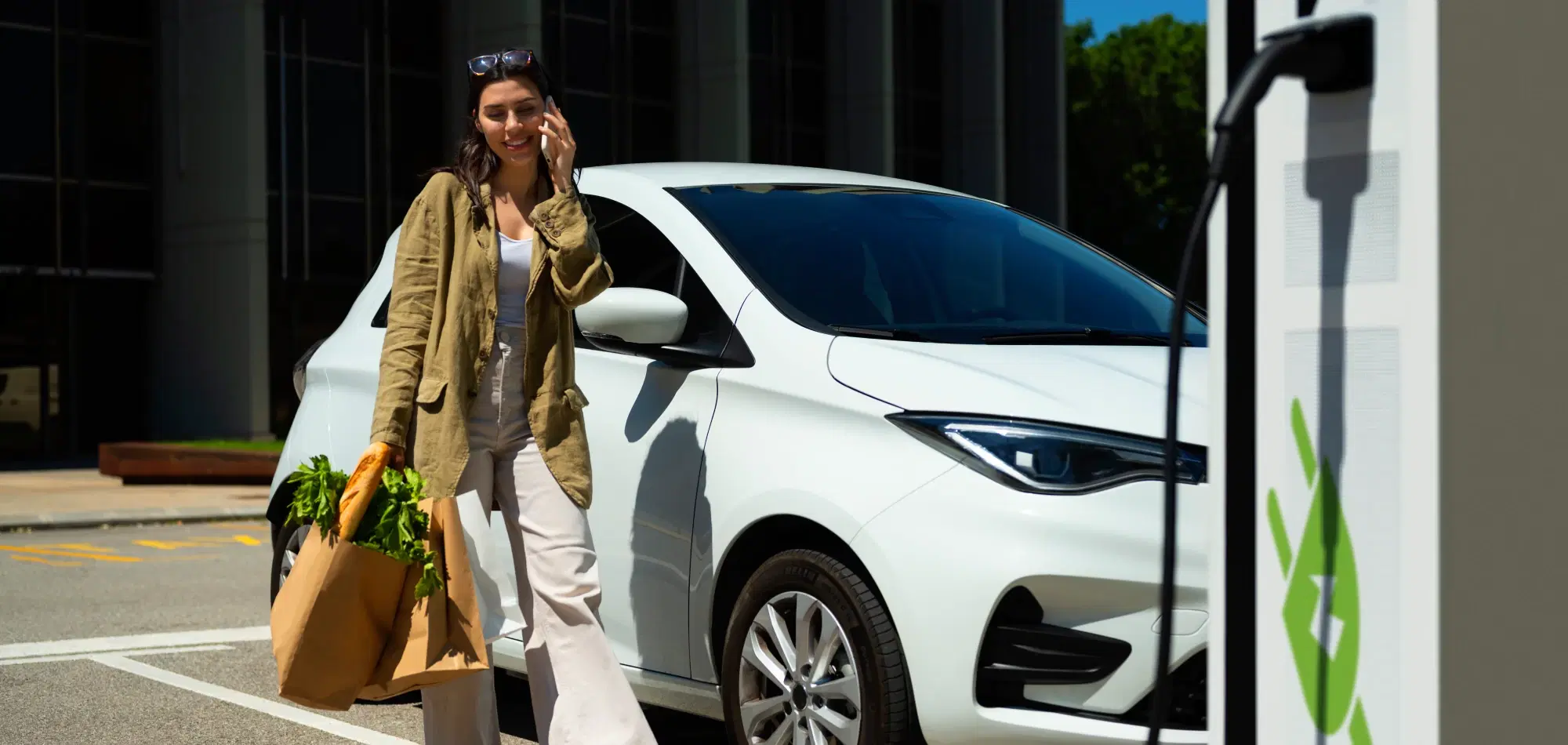
Buying an electric car or scooter this year can save you up to ₹1.5 lakh. But the rules change often. Understanding the current Electric Vehicle Policy India is the best way to keep that money in your pocket.
To lower your upfront costs, you need to know exactly how every EV Subsidy works right now. Let’s break down the real numbers, the latest 2026 extensions, and the exact steps you need to take.
Understanding India’s Electric Vehicle Policy in 2026
Knowing about the latest government frameworks is the first step to unlocking significant savings on your electric vehicle purchase.
The PM E-DRIVE Scheme Explained
The government retired older programs like FAME II and introduced the PM E-DRIVE scheme with a ₹10,900 crore outlay. This new Government EV Subsidy aims to push massive adoption, but the clock is ticking.
Due to high demand and budget recalibration in early 2026, the government updated the final deadlines and amounts. If you are buying an electric two-wheeler, the demand incentive has been extended slightly to July 31, 2026, offering ₹2,500 per kWh up to a maximum of ₹5,000 per vehicle.
For electric three-wheelers, the scheme runs much longer, ending on March 31, 2028. You have to complete your purchase before these dates to get the upfront cash discount at the dealership.
Tax Benefits and GST Support
Taxes usually inflate your final vehicle bill. A strong Electric Vehicle Policy works in your favor here. You get a direct 5% GST reduction on both the electric vehicle and home chargers. This is a massive drop compared to the 28% GST levied on standard petrol cars.
If you took out a loan for your EV, you might also qualify for income tax benefits under Section 80EEB. This section allows you to claim up to ₹1.5 lakh per year on the loan interest.
However, there is a catch for 2026 buyers: this deduction only applies to loans sanctioned between April 1, 2019, and March 31, 2023. If you are still repaying an older loan from that window, you can claim the benefit, but only if you file under the Old Tax Regime.
Quick Tax Facts
- The GST on electric vehicles is down to 5%.
- You also pay only 5% GST on charging equipment.
- Section 80EEB offers direct income tax deductions on older EV loans sanctioned before April 2023.
State-Wise EV Subsidy Breakdown (2026)
While central policies set the baseline, your local state government ultimately determines the final on-road price of your vehicle.
Top States Offering the Highest EV Subsidies
Central schemes simply set the baseline. State governments provide their own financial support on top of the central discounts. Depending on where you live, these local policies can shave another lakh off your final price.
Gujarat currently offers buyers ₹10,000 per kWh, capped at a maximum of ₹1.5 lakh (or 40% of the ex-factory price).
Maharashtra is also highly competitive. Under its updated 2025-2030 policy, the state caps its four-wheeler subsidy at ₹1.5 lakh and adds a massive operational bonus: 100% toll exemption on major routes like the Mumbai-Pune Expressway. Assam ranks right alongside them by offering a high per-kWh discount matched with a full road tax waiver.
| State | Subsidy Per kWh | Max Subsidy | Road Tax Discount |
| Gujarat | ₹10,000 | ₹1,50,000 | 50% |
| Maharashtra | ₹5,000 | ₹1,50,000 | 100% |
| Assam | ₹10,000 | ₹1,50,000 | 100% |
Spotlight: Draft Delhi EV Policy 2026-2030
Delhi takes an aggressive approach to force the shift toward electric mobility. The new Delhi EV Policy 2.0 waives 100% of the road tax and registration fees for pure EVs priced under ₹30 lakh.
The state also offers a tapering cash subsidy for two-wheelers. If you buy early in Year 1 of the policy, you can get ₹10,000 per kWh (up to ₹30,000). By Year 3, that benefit drops to just ₹3,300 per kWh.
Beyond cash, Delhi is enforcing strict phase-out timelines:
- Ride-hailing & Delivery: Fleet operators cannot add new petrol or diesel vehicles after January 1, 2026.
- Three-wheelers: Only electric autos will be registered starting January 1, 2027.
- Two-wheelers: By April 1, 2028, the city will completely halt the registration of new petrol two-wheelers.
EV Charging Station Subsidies in India
The push for electric mobility goes beyond vehicles, with substantial financial support now available for building the necessary charging infrastructure.
Incentives for CPOs and Real Estate Developers
Electric cars need a reliable place to plug in. The PM E-DRIVE scheme addresses this by allocating ₹2,000 crore specifically to install over 72,000 charging stations across the country.
Several states offer extra EV Charging Station Subsidies on top of this central push. Gujarat provides up to ₹10 lakh as a direct capital subsidy for qualified developers who set up public stations.
Eligible infrastructure includes:
- Public fast-charging networks installed along high-traffic highways.
- Semi-public charging hubs integrated into commercial and residential real estate.
- Battery swapping stations supporting the heavy volume of commercial two and three-wheelers.
How to Apply for an EV Subsidy in India
Claiming your financial benefits is a streamlined process today, provided you have the right documentation and meet the baseline requirements.
Eligibility Criteria
Buyers must meet a few specific rules to claim an EV Subsidy in India.
- The vehicle must be officially registered under the Central Motor Vehicle Rules.
- The EV has to run exclusively on an advanced chemistry battery. Lead-acid batteries are strictly excluded.
- The ex-factory price must sit below the government’s official price caps for its specific category.
Step-by-Step Application Process
The process is straightforward today. Most of the heavy lifting happens right at the dealership.
- Check with the dealer to ensure your specific EV model qualifies for the central PM E-DRIVE discount or your local state incentive.
- For central schemes, the dealership authenticates your details using Aadhaar and applies the discount directly to your final invoice at the point of sale.
- For specific state incentives, you register the vehicle at your local RTO. You then log into the state’s transport portal, upload your final invoice and a cancelled cheque, and receive the state cash via direct benefit transfer.
Frequently Asked Questions
What is the maximum EV Subsidy in India?
Buyers can save up to ₹1.5 lakh on a new purchase. You reach this maximum number by combining the central government’s base discounts with specific state-level cash incentives, like the high caps available in Maharashtra and Gujarat.
Which state gives the highest EV Subsidy?
Maharashtra and Gujarat offer the highest direct financial relief. Both states cap maximum four-wheeler subsidies at around ₹1.5 lakh. Maharashtra sweetens the deal with a 100% road tax waiver and toll exemptions on major expressways. Delhi also ranks high due to its ₹1 lakh scrappage bonus for older cars.
When does the PM E-DRIVE subsidy end?
The PM E-DRIVE scheme has strict cutoff dates. If you want to claim the central demand incentives for electric two-wheelers, you must complete your purchase before July 31, 2026. The deadline for electric three-wheelers is set for March 31, 2028.
Do hybrid cars get an EV Subsidy?
Direct cash purchase subsidies under the central PM E-DRIVE scheme are reserved exclusively for fully electric vehicles. However, some state policies offer tax relief. Under the Delhi EV Policy 2.0, strong hybrid cars priced under ₹30 lakh receive a 50% concession on road tax.
How do I claim my EV Charging Station Subsidies?
Charge point operators and real estate developers handle this through their respective state nodal agencies. After the infrastructure goes live, operators apply for the capital subsidy support. In Gujarat, developers submit site documentation to claim up to a ₹10 lakh capital grant for eligible installations.
Based on 0 ratings

Najmus (Author)
Najmus leads content and SEO at Ecozaar, building trustworthy guides on electric two-wheelers, RTO processes, and green finance in India. With 8+ years in technical and editorial SEO, he turns complex regulations and specs into practical, citation-backed explainers. His work combines schema, CWV, and clear sourcing to help readers make confident, real-world decisions.
Read more
Related Blogs
Popular articles are selected from the same backend blog feed.

Visakhapatnam Traffic Fines: Challan Rates, Rules and How to Pay
Visakhapatnam traffic fine rates for triple riding, no helmet, PUC, speeding and drink driving, plus how to check and pay your e-challan online.
Bhubaneswar Traffic Fines and E-Challan Guide: Penalties, Court Rules and Online Payment
Bhubaneswar traffic fines explained: helmet, triple-riding, drunk driving and PUC penalties, plus how to check and pay your e-challan online.
Chandigarh Traffic Fines 2026: Updated Rules, E-Challan & Penalty List
Chandigarh traffic fine guide: helmet, red light, wrong-side and speeding penalties, court vs online challans, towing charges, and where to pay in Sector 29-B.
West Bengal Traffic Fines 2026: Penalties, Rules and How to Pay
Complete West Bengal traffic fine guide for 2026: helmet, PUC, drunk driving and speeding penalties, plus where to check and pay Kolkata Police and WBP e-challa
Tamil Nadu Drink and Drive Fine: Section 185 Penalty, BAC Limit and Court Process
Drink and drive fine in Tamil Nadu: ₹10,000 fine, 6 months jail under Section 185, non-compoundable court process and licence suspension rules explained.
Bhopal Traffic Fines and Challan Rates (2026): What You Actually Pay
Bhopal traffic fines in 2026: MP's spot challan rates vs Motor Vehicles Act penalties for helmet, seat belt, PUC and parking, plus how to pay online.
Fancy Number Plate in Kerala: How Booking, Prices and the Online E-Auction Work
Book a fancy number plate in Kerala fully online on Parivahan — booking steps, government base prices, e-auction rules, refunds and KL RTO codes explained.

Maharashtra Traffic Fines and E-Challan Guide: Penalties, Speed Limits and How to Pay
Maharashtra traffic fine amounts for wrong-side driving, no helmet, drunk driving and expressway speeding, plus how to check and pay your e-challan online.