Teflon vs Ceramic Coating: Which Is Best for Your Car?
 Share
Share
Owning a great automobile is just a part of it. Maintaining it is a whole other equation. Especially in a big city.
Your car’s paint takes a beating every day. Be it from the sunlight, the harsh weather, dust to bird droppings, to tiny scratches. So, an added responsibility (and sometimes headache) for most people is to maintain their vehicles and that fresh-off-the-lot shine. Many car owners turn to protective coatings like Teflon (PTFE) or ceramic to do that. Both types of coatings add a clear layer that shields your paint from damage.
They help fight off fading, grime, and surface scratches. But here’s the catch—they’re not created equal. They differ a lot when it comes to how long they last, how much they cost, how they’re applied, and how well they hold up over time. And with all the mixed advice out there, picking the right one can get pretty confusing.
Teflon, for example, is a synthetic polymer and is known for its slick, non-sticky surfaces. The smooth layer it forms over your car’s paint gives short-term protection. Ceramic coating, however, is in a different league—it’s made of silica-based compounds that actually bond with the paint, forming a durable, semi-permanent shell.
So, which one should you go for?
This blog will help you figure that out.
We have broken down the differences, similarities, pros, and cons, and give you a clear picture so that you can choose the right protection for your ride.
What Is Teflon Coating?
Let’s take a breath and understand the basics first.
Teflon coating is derived from Polytetrafluoroethylene (PTFE)—a synthetic fluoropolymer known for its low friction, water-repellent, and non-stick properties. Originally used in cookware and industrial machinery, PTFE has found its way into automotive detailing.
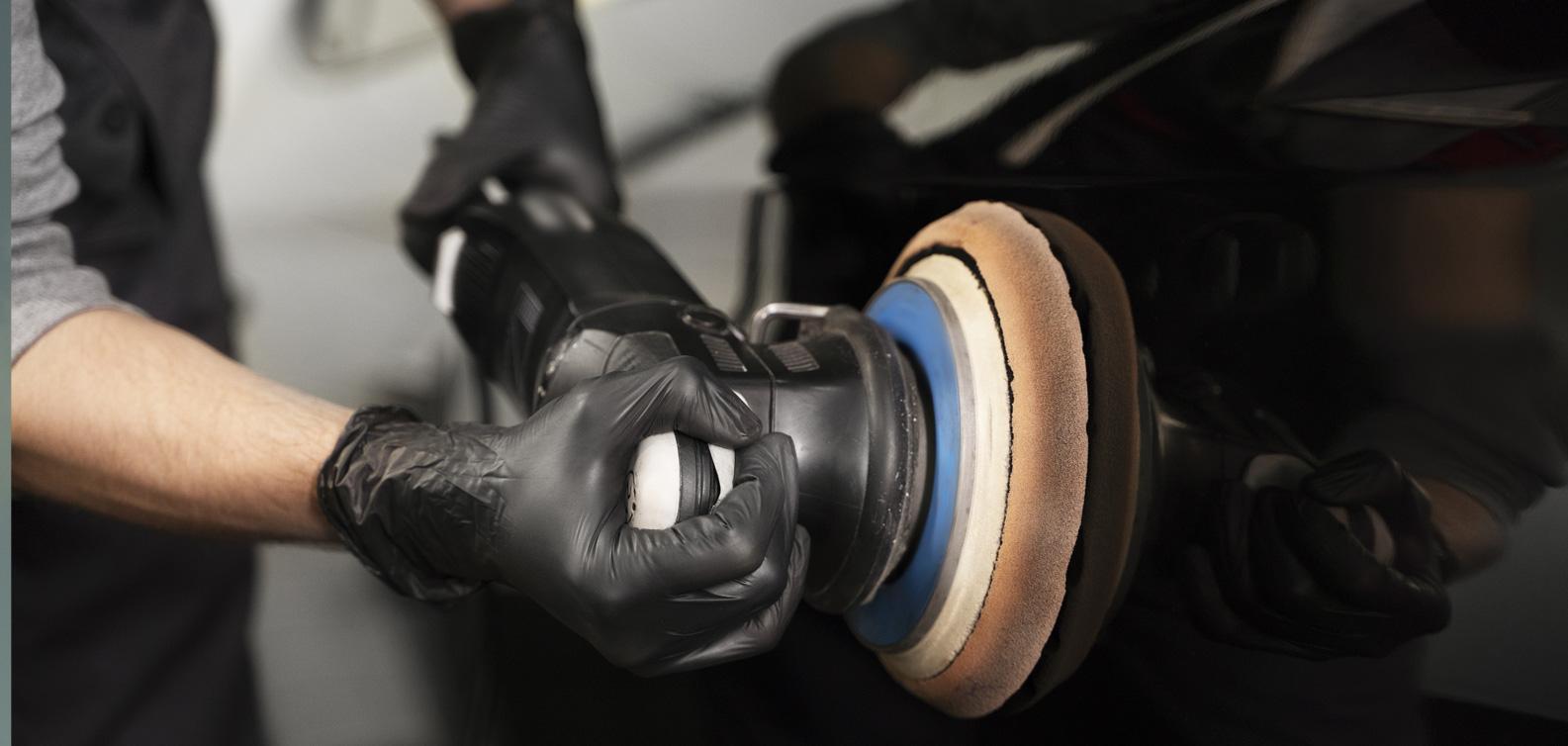
When applied to a car, Teflon creates a slick, waxy layer on the surface that resists dirt and water. It’s typically applied after a thorough wash and polish. The coating is then heat-cured using a buffing machine to bond it onto the paint. The thickness is minimal, usually around 0.2–0.5 microns.
While Teflon offers a decent shine and basic scratch protection, its effectiveness fades after 6–12 months. Regular reapplication is needed for continued performance. It’s often marketed by dealerships as a quick and inexpensive way to protect new or used cars.
Teflon coatings are great for budget-conscious users but aren’t ideal for long-term paint protection.
Advantages & Disadvantages of Teflon Coating?
Explore this table to know the ‘pros’ and ‘cons’ of Teflon coating.
| Pros | Cons |
| Inexpensive: ₹5 – 15K | Short lifespan: 6–12 months |
| Easy application | Needs frequent reapplication |
| Basic scratch & UV protection | Doesn’t bond chemically—can wear off easily |
| Water-repellent surface | Limited hydrophobicity compared to ceramic |
What Is Ceramic Coating?
Ceramic coating is a liquid polymer made mostly from silica (SiO₂) or quartz-based materials. What sets it apart from Teflon? It doesn’t just sit on top of your car’s paint—it chemically bonds with the clear coat, creating a tough, transparent shell.
Applying ceramic coating isn’t a quick weekend job. First, your car needs a full prep session—think deep cleaning, decontaminating, polishing, and correcting any paint imperfections. Only then can the ceramic coating be applied, and it needs about 24 to 48 hours to fully cure and harden.
Once it’s set, you’re looking at long-term protection—anywhere from 2 to 5 years. It holds up against harsh UV rays, oxidation, chemical stains, light scratches, and even extreme heat. Plus, it’s hydrophobic, which means water just beads up and rolls off, taking dirt and grime along with it.
And let’s not forget the look. Ceramic coating boosts your car’s gloss and depth, so it always looks like it just rolled out of a showroom. Sure, it costs more than Teflon—but with its durability and low upkeep, it’s a smart pick for both car lovers and everyday drivers.
Advantages & Disadvantages of Ceramic Coating?
| Pros | Cons |
| Long-lasting: 2–5 years | Expensive: ₹20 – 40K |
| High gloss and paint depth | Requires meticulous surface preparation |
| Excellent UV, chemical & scratch resistance | Professional application recommended |
| Easy maintenance due to hydrophobicity | Doesn’t protect against rock chips |
Teflon Coating vs Ceramic Coating
Here is a concise comparison of Teflon Coating vs Ceramic Coating. Explore it in full detail.
| Feature | Teflon Coating | Ceramic Coating |
| Durability | Short-term (3–6 months); wears off with washes and heat | Long-term (1–5 years); bonds chemically with surface |
| Protection | Basic protection from minor scratches and dust | High protection from UV, oxidation, chemicals, and swirl marks |
| Cost | Low (₹1,000–₹5,000) | High (₹15,000–₹60,000) |
| Maintenance | Requires frequent reapplication and cleaning | Low-maintenance; easier to clean and stays glossier |
| Best Use Case | Budget-friendly, short-term shine before events or resale | Long-term care for premium vehicles or daily drivers |
In summary, Teflon coatings are economical and provide a temporary shine, ideal for quick improvements. Ceramic coatings are more expensive but offer superior, long-lasting protection and are suited for those seeking minimal upkeep and long-term value.
Other Coatings: PPF & Nano Coatings
Beyond Teflon and ceramic, there are other advanced protection options:
- Paint Protection Film (PPF): Made of thermoplastic urethane, PPF offers the best protection against rock chips, scratches, and debris. It’s transparent and self-healing when exposed to heat. However, it’s expensive (₹30 – 60K) and requires professional installation. Ideal for luxury or new vehicles.
- Nano Ceramic Sprays: These are DIY alternatives to full ceramic coating. Easier to apply but less durable—lasting 6–12 months. Good for touch-ups or temporary protection.
How to Choose the Right Car Coating
Choosing the best coating depends on several factors:
- Budget: Teflon is great if you’re tight on cash. Ceramic is an investment. PPF is premium-level protection.
- Car Age: New cars benefit from ceramic or PPF. For older vehicles, ceramic enhances gloss while hiding minor imperfections.
- Usage: Daily drivers benefit from long-term ceramic protection. Showroom or rarely-used cars may be fine with Teflon.
- Climate: If you live in a sunny, coastal, or rainy area, ceramic is ideal due to its UV and chemical resistance.
- Maintenance Habits: If you enjoy detailing and washing, ceramic will make your life easier. Teflon may need more frequent touch-ups.
Application & Maintenance Tips
Proper application and care ensure your coating lasts and performs well.
- Surface Prep Is Key
Before applying any coating, the surface should be:
- Washed
- Clayed
- Polished
- Decontaminated using iron removers
Neglecting prep can reduce coating adhesion and performance.
- DIY vs Professional Install
Teflon can be applied DIY or by detailers. Ceramic coating, however, benefits greatly from professional application due to the curing and bonding process.
PPF installation is best left to trained professionals, as it involves cutting and heat application.
- Aftercare
- Use pH-neutral car shampoos
- Avoid harsh chemicals or abrasive towels
- Wash every 1–2 weeks to remove contaminants
- Top up ceramic coatings with maintenance sprays every 6–12 months
- Reapplication Schedule
- Teflon: Reapply every 6–12 months
- Ceramic: Lasts 2–5 years, with minimal touch-ups
- PPF: 5–7 years with proper care
Related Tyre & Vehicle Surface Guides
Frequently Asked Questions
1. How long does Teflon coating last?
Teflon coating typically lasts 6–12 months, depending on usage, washing frequency, and environmental exposure.
2. Does ceramic coating prevent scratches?
Ceramic coating protects against minor swirl marks and surface scratches, but not deep scratches or rock chips.
3. Is Teflon coating better than wax?
Yes. Teflon offers longer-lasting protection, better UV resistance, and superior water repellency than traditional wax.
4. Can I apply ceramic coating myself?
DIY kits are available, but professional application is recommended for proper surface prep, bonding, and longevity.
5. What’s the difference between ceramic and nano coatings?
Nano coatings are easier to apply but typically less durable. Ceramic coatings form a stronger bond and last longer.
6. Does ceramic coating remove existing scratches?
No. Ceramic coating doesn’t remove scratches—it only helps prevent new ones. Paint correction is needed beforehand.
7. What is the cost of PPF vs ceramic?
PPF costs ₹30 – 60K and offers physical protection. Ceramic coating costs ₹20 – 40K and enhances gloss and hydrophobicity.
8. Which coating is best for used cars?
Ceramic coating is ideal for used cars to restore gloss and protect aging paint. PPF is better for newer, high-risk vehicles.
Key Takeaways
- Teflon coating
- Ceramic coating
- Paint Protection Film (PPF)
- Advantages of Teflon vs Ceramic coating
- Cost and Maintenance
Conclusion
Choosing the right car coating depends on your needs, budget, and how you use your vehicle.
Teflon coating (₹5 – 15K) offers short-term protection for about 6–12 months and is ideal for basic UV and scratch resistance on a tight budget.
Ceramic coating (₹20 – 40K) lasts 2–5 years, provides excellent hydrophobic and scratch resistance, and is well-suited for long-term protection with minimal maintenance.
Paint Protection Film (PPF) (₹30 – 60K) delivers the best defense against rock chips and physical damage but requires professional installation.
Also, evaluate your climate, vehicle age, and how often you drive to make the right choice.
In short,
- Choose Teflon for short-term shine on a budget.
- Pick ceramic for durable, glossy, low-maintenance protection.
- Go for PPF if you want the ultimate guard against chips and scratches.
Smart, thoughtful choices will go a long way in creating meaningful vehicle protection for you! For more tips & tricks, keep on following Ecozaar.
Based on 2 ratings

Tanushree (Author)
Tanushree is a dynamic business strategist with a knack for driving innovation in startups, especially in Fintech and Edtech. With 9 years of work-ex, an IT engineer from MIT Pune, & a MBA from IIM Bangalore (Marketing & Business Strategy), she’s got the mix of analytical and creative problem-solving.
Read more
Related Blogs
Popular articles are selected based on the number of readers