What’s the Fine for Failing a Vehicle Pollution Test in India?
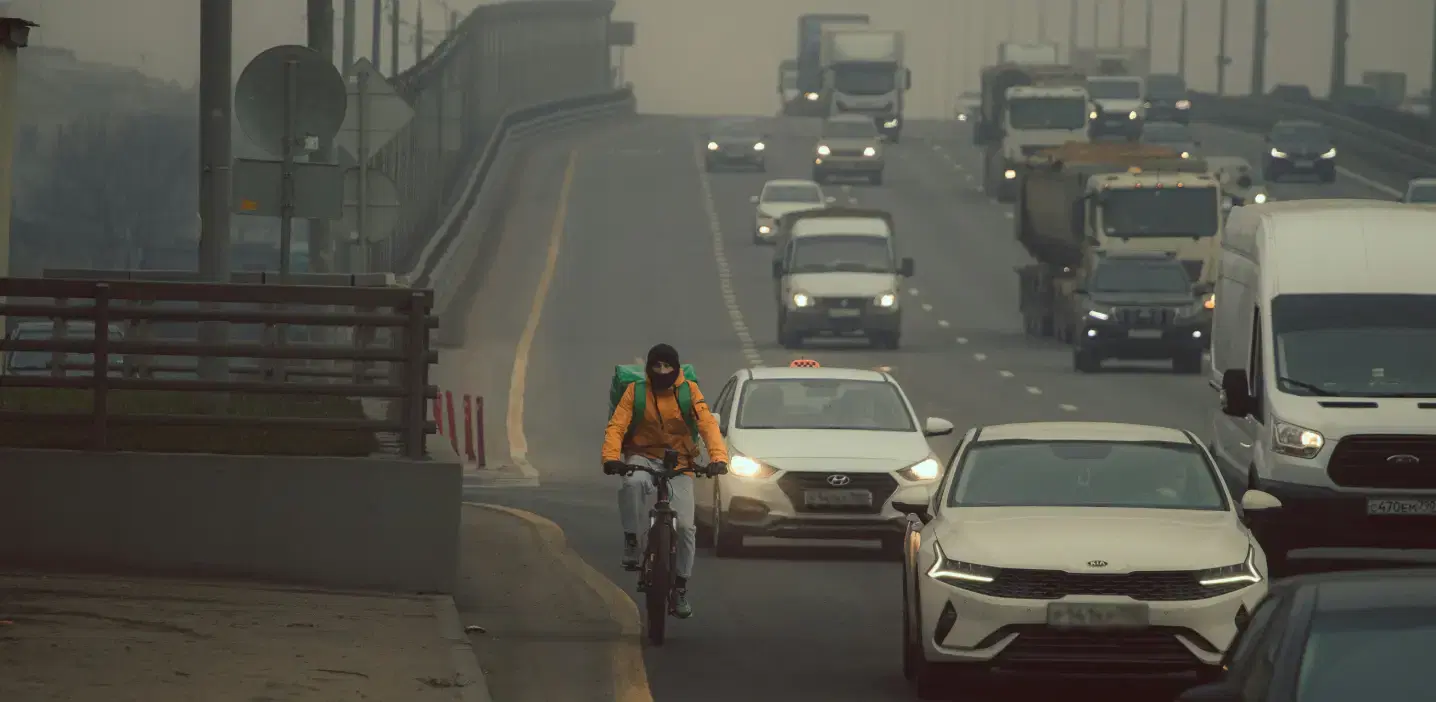
We’ve mentioned having a valid Pollution Under Control (PUC) certificate before in India, or the consequences of failing an emissions test. You, of course, could be staring at fines ranging from a modest ₹1,000 (in many states) to a harsh ₹10,000+ penalty in places like West Bengal. In some cases, repeat offences can even bring forth a license suspension.
All of this might sound a bit stringent to someone reading this for the first time, but the truth is: it’s all legally backed.
The Motor Vehicles Act, 1988, specifically Section 190(2) mandates emission norms and a valid PUC for all vehicles. Driving without one isn’t just a risk for the environment; it’s a punishable offence. [Read about Code 190(2)]
Let’s break down what “pollution fail fines” look like in India in 2025.
What’s the Legal Framework for a Vehicle Pollution Test? Is there a National Template?
Let’s understand it in detail.
Under the Motor Vehicles Act, 1988:
- Section 190(2): driving a vehicle without a valid Pollution Certificate or exceeding emission norms is a cause for being issued a penalty.
- The law treats “no PUC”, “expired PUC”, and “failed emission test” as valid grounds for fines.
- Pollution check validity: New vehicles get one-year validity post-purchase; thereafter, renewal every 6–12 months is mandatory. You can explore more here.
What counts as “pollution fail”:
- When no PUC is ever issued
- When the PUC is expired / not renewed
- When the vehicle fails emission norms (CO / HC limits exceeded)
In such cases, Section 190(2) empowers enforcement, and fines are not the only penalties that are possible.
What are the Fines for No PUC and/or Failed Pollution Test?
Below is a snapshot of typical fines across Indian states for driving without a valid PUC or failing emission tests (2025 data).
Important disclaimers:
• Rules vary significantly across states and cities.
• Repeat offences often attract much heavier penalties (fines + license suspension).
• Enforcement intensity may vary — urban centres see stricter policing than rural zones.
How Do Vehicle Pollution Fines Stack Up in Key States?
Let’s Take the Example of West Bengal
Why did we choose West Bengal to make this point? For starters, it’s one of the strictest states when it comes to pollution compliance in the country.
| Offence Type | Penalty (as of Aug 2024) | Additional Action |
| 1st Pollution Test Fail / No valid PUC | ₹2,000 | 3-month driving licence suspension(Source: ThePrint) |
| 2nd Consecutive Offence | ₹5,000 | DL suspension again (Source: ThePrint ) |
| 3rd Consecutive Offence | ₹10,000 | DL suspension + strict enforcement (Source: ThePrint ) |
What this means for owners in Kolkata & WB:
- A “fail pollution test” isn’t a minor slap. The first violation triggers a ₹2,000 fine and a possible licence suspension.
- Repeat offenders risk steep fines and driving bans.
- Pollution checks are strictly enforced across the state, urban or rural.
What About Other States? Here’s a Snapshot?
While West Bengal illustrates a strict model, most other states follow a lighter fine regime. According to a 2025 survey on PUC fines:
- Delhi, Karnataka, Maharashtra, Tamil Nadu, Gujarat, UP, Kerala: ₹1,000 for first offence, ₹2,000 for repeat offences.
- Assam and several Northeastern states: Data is patchy; no unified fine schedule publicly available residents are advised to check local RTO or transport department updates.
Why the variation?
Emission standards and enforcement intensity vary. States that battle high air pollution or have dense traffic tend to impose tougher, tiered penalties.
So what’s the key takeaway? Always check your local RTO / transport department portal for the most current PUC-fine schedule.
What Counts as “Fail Pollution Test” vs “No PUC Certificate”?
Understanding the difference helps avoid surprises.
Scenarios that attract fines:
- No PUC certificate: never obtained after registration or purchase.
- Expired PUC: vehicle’s PUC validity expired, and the owner has failed to renew.
- Fail in emission test: emissions (CO, HC, smoke) exceed permissible limits when tested.
Why this differentiation matters:
- Some states penalise only in terms of “no PUC / expired PUC.”
- Others impose higher fines or suspension for emission failures, especially repeat failures (like in West Bengal).
- Insurance claims may be denied if the vehicle doesn’t have a valid PUC at the time of the accident.
How to Pay / Fix Pollution Fine (PUC): A Roadmap
Here’s your step-by-step guide if you’re fined or want to avoid fines altogether.
- Receive challan or notice: The traffic police or RTO will issue.
- Note offence code & fine amount: (e.g., 190(2) MV Act).
- Visit the national portal: “e-Challan” or “PUC Certificate / Fine Payment” page: many states link to the central portal.
- Enter vehicle number + challan number + captcha → pay online: UPI / net banking/cards.
- Get provisional receipt & e-challan slip: It’s always best to keep a copy.
- Get your vehicle emission-checked immediately: Ensure all emission checks are passed.
- Obtain a valid PUC certificate from authorised centre: It has to be the kind accepted by RTO/police.
- Keep digital + physical copy of PUC + receipt + RC + DL: The police may ask for all at any time.
Keep a documents checklist: RC, DL, valid insurance (if req.), emission test receipt/PUC, challan receipt, vehicle number.
Taking these steps ensures you avoid repeat offences, which attract harsher penalties.
What are the Penalties Beyond Fines? Explore Licence Suspension, Vehicle Impoundment & Repeat Offences
Pollution-related offences don’t just penalize with cash. The consequences escalate:
- Licence suspension: States like West Bengal suspend the DL for 3 months even on the first offence. (Source:ThePrint)
- Vehicle impoundment or ban on fitness certificate renewal: For repeated failures or gross emissions non-compliance. (Source: West Bengal Traffic Police )
- Insurance claim denial: Insurance companies may reject claims if the vehicle lacks a valid PUC at the time of the accident or loss.
- Higher fines or legal complications: Under the 2019 amendments and stricter pollution laws, repeat offenders may face fines much larger than base amounts — and some states have revived older provisions with jail terms. (Source: echallan.jhpolice.gov.in)
What are the Tips to Avoid Pollution-Related Fines?
Here’s an Extended Checklist – Smart ways to stay compliant and avoid unexpected challans:
- Watch the PUC expiration date like insurance/RC: They will treat it as a mandatory renewal.
- Check dashboard alerts: Many BS6 vehicles notify high emissions or lambda sensor issues early.
- Avoid tampering with silencers/exhaust mods: Here’s why: “free-flow”, “sports” exhausts can push emission limits.
- Use recommended engine oil grade: Why? Because wrong viscosity increases emissions & fuel burn.
- Replace clogged air filters: A dirty filter leads to incomplete combustion and a pollution spike.
- Warm up before testing: Here’s a fact: cold engines emit more; 2–3 minutes idling normalizes readings.
- Use fuel from reputed pumps: adulterated fuel = higher CO/HC → failed PUC.
- Avoid idling in traffic for long periods — raises engine temperature & harmful emissions.
- Drive smoother — aggressive acceleration → high fuel burn + failed test risk.
- Electric scooter users — ensure battery health & avoid low-battery limp mode during tests.
Quick tip: Set a recurring 6-month reminder titled “PUC Renewal – Avoid ₹2,000 fine”
Frequently Asked Questions
1. What is the fine for driving without a PUC certificate in West Bengal?
- ₹2,000 for the first offence.
- ₹5,000 for the second consecutive offence.
- ₹10,000 for the third consecutive offence. Plus a 3-month license suspension for each offence
2. Which section of the MV Act covers pollution certificate offences?
Section 190(2) of the Motor Vehicles Act, 1988, failing to carry a valid PUC or failing to meet emission norms.
3. Can I pay the fine online?
Yes. Many states integrate with national portals like e-Challan / Parivahan or state transport portals for online fine payment.
4. What happens if my vehicle fails the emission test?
You’ll be fined as per state norms (₹2,000–₹10,000 depending). You must get emissions fixed, retested, and obtain a valid PUC before driving again. Repeated failure can lead to license suspension or vehicle impoundment.
5. Is the fine the same across India?
No. Most states follow ₹1,000–₹2,000 for first-time PUC lapses; some states — especially pollution-prone areas — have stricter, tiered fines & suspensions (e.g. West Bengal). Check your state’s transport rules.
Conclusion
The bottom line is simple: paying ₹60–₹120 for a valid PUC every 6–12 months is far cheaper and safer than facing fines of ₹1,000–₹10,000, license suspension, or insurance complications.
- If you haven’t renewed your PUC, drive safe, get an emission test today.
- If you’ve been fined, pay immediately, fix emissions, and get a valid certificate.
- If you live in West Bengal (or another strict state) — treat PUC as non-negotiable: repeated failure invites heavy fines + license suspension.
- Always drive with RC, DL, valid PUC & insurance — and keep digital copies handy.
Up for a piece of some takeaway advice? The next time a police or RTO vehicle checks you, don’t gamble.
Keep your emissions certificate, drive clean, stay compliant and help the environment breathe easier too. For more on pollution fines, keep updated with Ecozaar.
Based on 2 ratings

Najmus (Author)
Najmus leads content and SEO at Ecozaar, building trustworthy guides on electric two-wheelers, RTO processes, and green finance in India. With 8+ years in technical and editorial SEO, he turns complex regulations and specs into practical, citation-backed explainers. His work combines schema, CWV, and clear sourcing to help readers make confident, real-world decisions.
Read more
Related Blogs
Popular articles are selected from the same backend blog feed.


Best Bikes Under 1 Lakh in India: Price, Mileage & Low-Maintenance Commuters
Compare the best bikes under ₹1 lakh in India by price, real-world mileage, maintenance and safety — from sub-₹60k commuters to 125cc options near ₹1 lakh.
Best Bikes Under 2 Lakh in India: Streetfighters, Cruisers & All-Rounders
Compare the best bikes under ₹2 lakh in India: verified ex-showroom prices, real-world mileage, ABS and hardware, and which model fits your budget.
Best Sports Bikes Under 5 Lakh in India: Track Bikes, Supersports & Top Speed Comparison
Compare the best sports bikes under ₹5 lakh in India by 0–100 km/h, GPS top speed, track ability, electronics, mileage and ownership costs.
Best 110cc–125cc Family Commuter Scooters in India: Mileage, Comfort & Price Comparison
Compare the best 110cc and 125cc scooters in India by price, real-world mileage, comfort, storage, braking, running cost and the value of upgrading to 125cc.

Best 150cc–160cc Bikes in India: Mileage, Price, Specs & Performance
Compare India's best 150cc–160cc bikes on mileage, price, power, braking and comfort — Pulsar N160, Apache RTR 160 4V, Xtreme 160R, FZ-S and more.
Best 200cc–250cc Performance Bikes in India: Power, Mileage & Highway Cruising
Compare India's best 200cc–250cc bikes on power-to-weight, real-world mileage, highway cruising and price, with the 200cc and 250cc classes covered together.
Best 350cc–500cc Bikes in India: Royal Enfield, Triumph & Mid-Capacity Classics
Compare Royal Enfield, Triumph, Harley-Davidson, KTM and Bajaj bikes from 349cc to 452cc on real price, power, mileage and highway comfort in India.
Best Electric Scooters Under 1 Lakh in India: Real-World Range, Subsidy & Price List
Compare the best electric scooters under ₹1 lakh by real-world range, battery size, charging, PM E-DRIVE benefits, running cost, build quality and family practi