Karnataka’s Bike-Taxi Ban Explained: Why, How & What Comes Next
 Share
Share
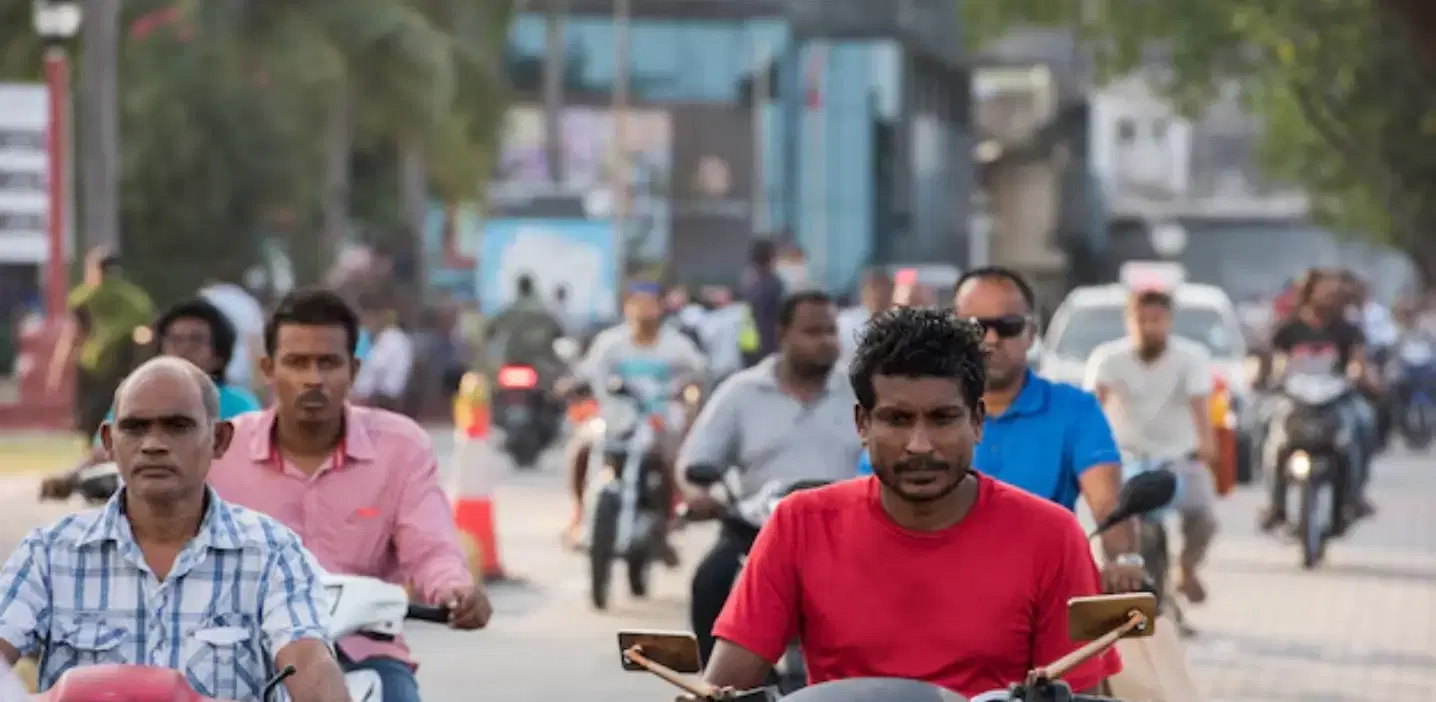
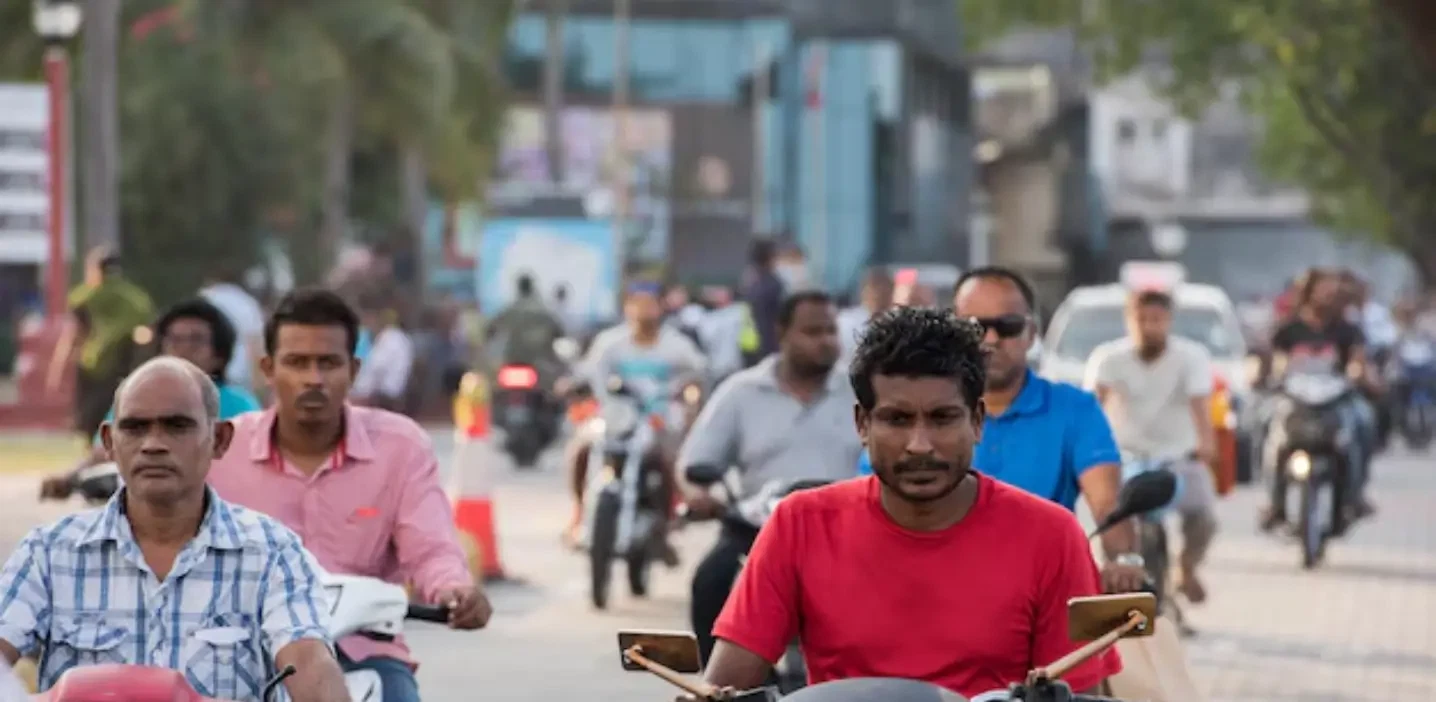
Bangalore, the Silicon Valley of India, is a place of rapid reinvention and fast innovation. It’s a city that moves fast enough for things to get outdated as soon as they are seemingly beginning to enter the zeitgeist. Take, for example, Bike taxis.
Once, the most popular way to travel around, due to their affordability, high speed, and convenience, they now find themselves at the outskirts of the city’s motor scene.
Why do? Because they have suddenly been made illegal in Karnataka.
So what changed? To put it in simple terms, the Karnataka High Court issued a directive that disallowed bike taxis for commercial use in Bangalore. Directly affecting leading aggregators like Rapido, Ola, and Uber-Moto.
This move sparked intense debate for a while and hundreds of thousands of online conversations. Two-wheelers are critical for affordable last-mile connectivity, but a lot of the general populace felt they also doubled as traffic, safety, and legal hazards.
Sounds overwhelming and confusing? Don’t worry. This blog unpacks the ban, explores why it was imposed, the stakeholders involved, and what could happen next.
Why Did Karnataka Ban Bike-taxis?
To answer this question, let’s start breaking it down bit by bit:
1. Legal / Permit Issues
Here’s what the core of the issue was: It was decided that private two-wheelers (white-plate bikes) aren’t legally allowed to carry paying passengers.
The KH Court ruled that without a state-level regulatory framework, bike-taxis were found to violate the terms of commercial transport under the Motor Vehicles Act, 1988. (Source: The Indian Express )
This was fully backed by a government-appointed committee, which concluded that “private two-wheelers carrying passengers for a fare” is unlawful, requiring a permit, registration, licence, and insurance — none of which bike-taxis had. (Source: Hindustan Times )
2. Safety & Insurance Gaps
Accidents involving bike-taxis raised serious concerns. The committee noted that private motorcycles don’t come with passenger-insurance coverage or commercial vehicle fitness — meaning, in case of accidents, riders face disproportionate risk. (Source: Hindustan Times)
Helmet compliance, lack of standardised insurance, and absence of checks for driver/victim safety added weight to enforcement calls. Hence, they had to be made, eventually.
3. Traffic, Congestion & Urban Mobility Concerns
Then there were the mobility concerns.
Cities like Bengaluru already struggle under heavy traffic. The government expressed concern that legalising bike-taxis would further increase two-wheeler volumes, undermining public transport and worsening congestion.
The committee’s report cited these concerns explicitly. It was decided that, given that private two-wheelers are already ubiquitous in Bengaluru, allowing them to double as taxis would complicate urban mobility planning.
4. Regulatory Vacuum & Lack of Policy Framework
No state-level policy or rules were available for regulating bike-taxis — from licensing standards to fare regulation, safety norms to insurance. The High Court concluded that in the absence of such a framework, a complete ban was justified. (Source: The Indian Express )
What were the Legal & Regulatory Grounds?
Here’s a short legal lesson: Under the Motor Vehicles Act, 1988 and its amendments, transport vehicles carrying passengers must have commercial-vehicle registration, valid permits, fitness certificates, and insurance. Private motorcycles don’t meet these criteria.
When aggregators like Rapido and Uber tried to push back by trying to argue that bike-taxis are simply a ride-hailing service, the court responded the bikes lack of legality due to them not having a formal “transport vehicle” states.
A single-judge bench first ordered a six-week wind-down (April 2025); when no state policy was framed by the deadline, the division bench refused to stay the ban. (Source: The Indian Express)
What’s the status now?
Legal pleas from aggregators and riders citing rights to livelihood under Articles 14 & 19(1)(g) of the Constitution remain pending. (Source: Google Translate )
What Were the Traffic, Congestion and Urban Mobility Concerns?
It was noted that yes, these bike-taxis did contribute to some urban planning issues in the city.
The 2025 committee report noted that Bengaluru already records a massive load: tens of millions of vehicles, with private two-wheelers and cars forming the bulk.
It argued that allowing bike-taxi fleets would dramatically increase road density, undoing efforts of public transport, metro and buses, and worsening gridlock, especially during peak hours. (The Economic Times)
Urban planners also pointed out a lack of parking space, no designated lanes for two-wheelers doubling as taxis, and the risk of increased pollution from frequent short-distance rides.
What Were the Safety, Insurance & Rider Welfare Issues?
According to the committee, bike-taxis offered no passenger safety guarantees — no commercial-vehicle insurance, no PUC/fleet maintenance norms, no oversight on driver verification or training.
With poor helmet compliance and risk of overloading, they judged bike-taxis a major safety hazard. (Source: Hindustan Times )
Moreover, aggregators weren’t providing any standardised welfare or social-security cover — despite bike-taxis having the same fatigue & accident risks as commercial taxis.
Without formal recognition, riders remain unprotected, and that remained (and remains) a central issue.
What Was the Timeline of Events Regarding the Legal Proceedings?
Who Were the Key Stakeholders?
-
Bike-taxi Aggregators (Rapido / Ola / Uber):
Once major providers of last-mile bike rides, now facing legal limbo. Aggregators have appealed to HC, arguing ban violates livelihood rights and demands regulation, not prohibition.
-
Drivers / Riders:
Tens of thousands of freelance riders across Karnataka; many relied on bike-taxi income. They’re now left without income and pressing for reinstatement or alternative jobs.
-
Government & Transport Authorities:
Enforce ban citing safety, congestion, and legal non-compliance. They now argue for full policy framework before any re-legalisation.
-
Commuters / City Residents:
Bike-taxis provided fast, low-cost mobility — especially women & students. With ban enforced, many must revert to autos or public transport, facing longer commutes and higher costs.
-
Auto / Rickshaw Unions & Traditional Taxi Operators:
Historically opposed bike-taxis, calling them unfair competition. They welcomed the ban publicly, seeing it as protecting their livelihoods.
What Happens Now? Possible Outcomes & Next Steps
Here are some potential (and very possible) scenarios:
- Regulated policy framework: The state could draft specific guidelines under the Motor Vehicles Act (Section 93) — issuing permits, insurance norms, vehicle fitness checks, fare regulation & safety standards. Could legalise bike-taxis in a regulated form.
- Permanent ban upheld: With the government panel recommending continuation, KH Court may uphold the ban — phasing out bike-taxis, favoring autos, public transport or other mobility options.
- Partial revival (delivery + parcel services): Some aggregators may continue “delivery” variants (food, parcels), but passenger-carrying remains illegal.
What/Has Been the Impact on the Gig Economy and Workers?
Many drivers relied solely on bike-taxis for their livelihood. Without alternatives, livelihoods were threatened. Hence, the newly introduced Karnataka Platform-Based Gig Workers (Social Security & Welfare) Act, 2025, was passed.
While it is aimed at protecting gig workers, it may not instantly cover all displaced bike-taxi riders unless the service is re-legalised. (Source: The Economic Times)
What Commuters Could Expect
- Higher fares for auto-rickshaws
- Increased load on public transport (buses, metro)
- Possible surge in “parcel-as-passenger” workarounds (though legally questionable)
Comparative View — How Other States Handle Bike-Taxis
| State / Region | Legal Status of Bike-Taxis | Key Observations | Comparison vs Karnataka |
| Maharashtra | Mixed: some cities regulate, some ban | Permit-based, some ongoing crackdowns | More flexibility than Karnataka’s blanket ban |
| Tamil Nadu | Regulated in parts – pilot permits, insurance norms imposed | State-level regulation tried | More lenient + regulation vs complete ban |
| Delhi (2023) | Temporarily banned bike-taxis | Court upheld ban citing safety, permit issues | Similar to Karnataka’s reasoning |
| Goa | Bike-taxis legal with yellow-plate registration | Small scale, licensed pilots since 1980s | Legalised under strict licensing — shows regulation possible |
| Others (e.g. UP, West Bengal) | Varies — many pending legal clarity | Some bans, some pilot schemes | Patchwork — unlike Karnataka’s wide ban |
Insight: Several states choose regulated permissibility (permits, fitness, insurance) over blanket bans — indicating regulation + compliance as a feasible middle path.
What Has Been the Overall Impact of it all on Drivers, Commuters and the City? Here’s an Analysis
For Drivers (Riders / Gig Workers):
- Livelihood lost: Estimates say over 6 lakh riders across Karnataka depended on bike-taxis. Many protest that now they have no income, affecting families.
- No safety net: Without a formal policy, riders lose access to benefits, job security, or alternative work.
- Legal risk: Continued operations risk impoundment, fines, and legal action.
For Commuters:
- Reduced ride options: Bike-taxis used to be quick, cheap — especially for short rides, late nights, odd hours. With the ban, riders are forced to rely on autos, cabs, or public transport.
- Higher fares & longer wait times: Autos are costlier and slower; public transport may not cover all routes.
- Loss of last-mile connectivity: Especially for suburbs, outer areas, or places with poor public transport coverage.
For the City (Traffic & Infrastructure):
- Mixed traffic impact: Fewer bikes carrying passengers maybe reduces reckless rides, but more autos/cars may increase congestion.
- Public transport pressure: Sudden migration from bike-taxis to autos/cabs increases load on infrastructure.
- Policy uncertainty: Without regulation or alternate mobility solutions, the ban may worsen urban mobility — especially for low-income, periphery commuters.
Frequently Asked Questions
Q: Are bike-taxis legal in Karnataka right now?
No — since June 16, 2025 the KH Court order suspends all bike-taxi operations across Karnataka until a proper regulatory framework is notified.
Q: What about e-bike taxis?
The ban is generic — it doesn’t distinguish between petrol or electric two-wheelers. As of now, e-bikes also cannot be used for paid passenger transport.
Q: If I book a bike-taxi now in Bengaluru, is it a violation?
Yes. Aggregator-listed bike-taxi services have been removed, and police/transport authorities can penalise both rider and passenger under the MV Act.
Q: What is the new Gig Workers Act, and does it cover bike-taxis?
The 2025 Karnataka Platform-Based Gig Workers Act covers gig workers’ social security — but unless bike-taxis are legally recognised, their riders remain outside formal coverage.
Conclusion
Karnataka (more specifically, Bangalore) continues to dominate headlines across the country. Whether it be for infrastructure, career opportunities, and the ascendant technological outlook and startup scenes. High activity, high valuations, and, quite frankly, major news incidents are par for the course at this point.
If you’re a commuter, make sure to keep track of all the important daily news and related incidents at Ecozaar.
Based on 0 ratings

Karan (Author)
With an experience of over 7.5 + years in media and communications, Karan is seeking to leverage his skillset to pursue his interest in working for renewables and clean energy. He has experience across advertising, news media, commercial real estate, and the technology industries. He continues to use that drive to contribute to Ecozaar daily to achieve higher goals and learn more. He doesn’t get (or want) much free time. But when he has it, you will see him indulging his excessive audiophilia, cinephilia, and unhealthy obsession with daily news cycles, or playing old RPGs on the PC.
Read more
Related Blogs
Popular articles are selected based on the number of readers