Share
Share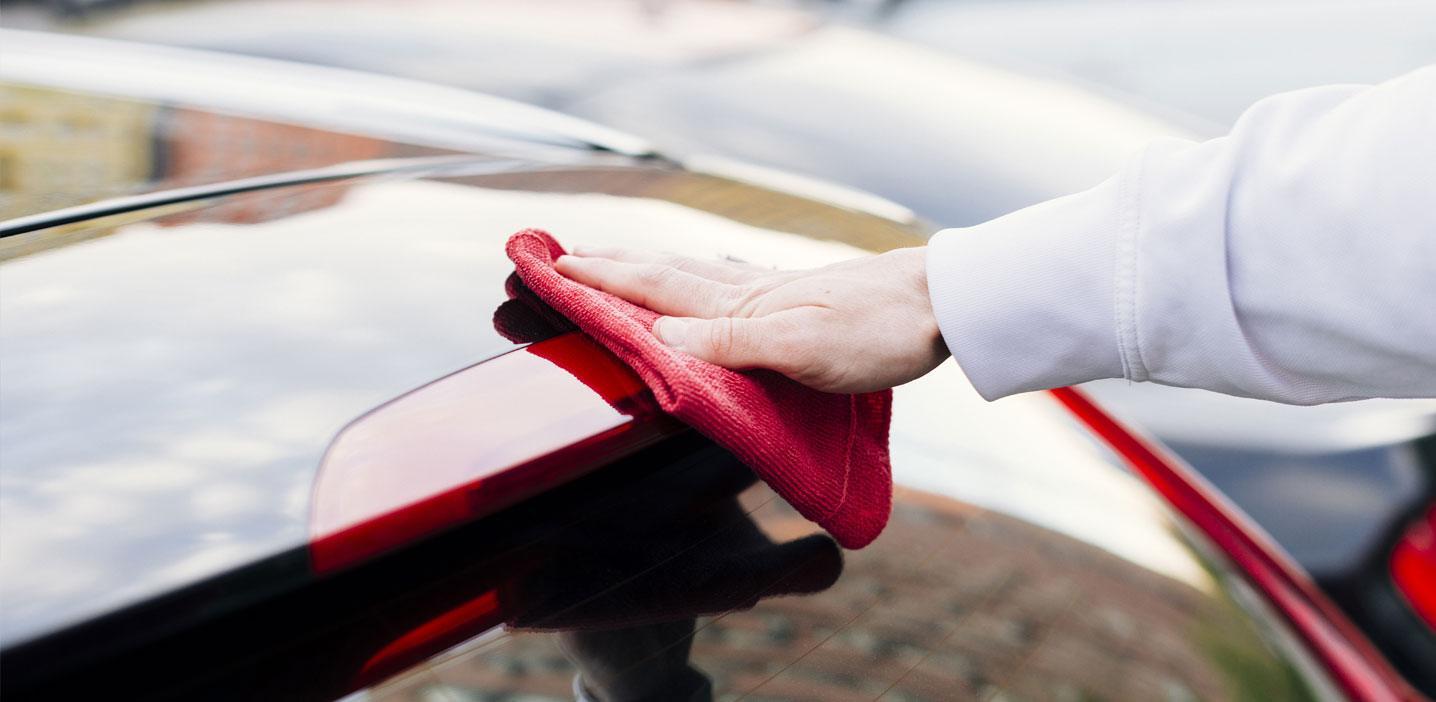
FASTag is an important electronic toll collection system in India which allows making toll payments directly from the prepaid or savings account linked to it. But there may be instances where you want to take the FASTag out from the windshield of your car — whether due to selling the vehicle, if a new tag was issued or simply because you don’t need it any more.
It is necessary to remove the FASTag safely so that you do not damage your windshield or leave sticky adhesive behind. With the right tools and methods, you can remove your old car tag without scratches or damage on your windshield.
This guide will give you some handy yet practical ways to help you remove the FASTag with care, and also prevent any accidental tolls from being taken before removal, provided you deactivate the tag in time through your issuer’s app.
With the right approach, you can remove your FASTag with no difficulty or damage to the windshield – it’ll be nice, sparkly clean, and ready for a new tag.
The safest way to remove a FASTag
To safely take off the FASTag, you need to heat the sticker slightly with a hairdryer at low temperature. This is to soften the glue and ease its removal. Gently lift from one corner of the FASTag using a plastic card/currency note/ear buds to remove without scratching glass.
Peel the sticker gradually to remove it, and remain steadily heating with light force. After you have taken off the tag, use isopropyl alcohol and a microfiber cloth to wipe down any adhesive residue for a nice finish.
Note: Never use metal blades/knives to cut open the FASTag sticker since it will result in damaging the sticker and will make it non readable.
Taking a gentle and patient approach with the right tools will ensure safe removal without harming your car.
Before you start — prep and precautions
Before you begin removing your FASTag, preparation is key to a smooth process:
- First, you should think about where the car sits. Park it in the shade, or make sure the windshield feels cool. Sunlight can make the glue act strange, it may mean it sticks harder.
- Next, get the right tools: a hair dryer set to low, an old credit or gift card, a clean micro‑fiber cloth, and some isopropyl alcohol or a generic adhesive remover.
- Do not use any metal scraper or blade—those could scratch the glass.
- If the FASTag is still active, you might want to deactivate it in the app or website before you start, otherwise a toll could be taken by mistake.
Taking these precautions will protect your vehicle’s windshield and your wallet.
Method 1 — Heat and peel (best all‑round)
The heat and peel method is the safest and most effective way to remove most FASTags.
Step-by-step:
- Warm the sticker using a hairdryer on low heat for 30–45 seconds. Focus the warmth on the edges of the sticker first. This softens the adhesive, making it easier to lift.
- Use a plastic card to gently lift one corner of the FASTag. Insert the card under the edge slowly, being careful not to bend the glass.
- Peel the sticker back slowly, applying gentle heat with the hairdryer as you go. Keeping the adhesive warm helps it come off in one piece.
- Once the sticker is removed, use isopropyl alcohol on a microfiber cloth to remove any leftover adhesive residue.
This method balances safety and efficiency, minimizing the chance of glass damage or tearing the sticker.
Method 2 — Solvent-assisted removal
If the adhesive is stubborn or the FASTag has been on the windshield for a long time, solvent-assisted removal can help.
Step-by-step:
- Dab isopropyl alcohol or a dedicated adhesive remover along the edges of the FASTag. Use a small amount—too much liquid can drip into unwanted areas.
- Allow the solvent to penetrate the adhesive for 1–2 minutes.
- Use a plastic card to lift the softened edges and peel the sticker away gently.
- Clean any remaining adhesive with fresh solvent and a microfiber cloth.
Note: Work in a well-ventilated area if using commercial adhesive removers to avoid inhaling fumes.
Method 3 — Dental floss/thread technique
For those looking for a no-heat option, the dental floss method is an excellent alternative.
Step-by-step:
- Take a piece of dental floss or thin thread and slide it carefully behind the FASTag sticker.
- Using a gentle sawing motion, work the floss back and forth to separate the adhesive from the glass.
- Pull the floss steadily but gently to avoid snapping it.
- Once the sticker lifts, clean off any residue with isopropyl alcohol and a microfiber cloth.
This method minimizes direct prying on the glass, reducing risk of scratches. However, floss can snap, so proceed carefully.
How to remove an old FASTag (brittle or torn)
Older FASTags may be brittle or partially torn, making removal trickier.
Tips for older tags:
- Use more soak time with isopropyl alcohol to soften hardened adhesive.
- Apply short bursts of heat, avoiding overheating which can cause the sticker to crumble.
- Work in small sections using a plastic card, gently lifting piece by piece.
- Expect to spend extra time cleaning adhesive residue as old tags often leave more stubborn glue behind.
Patience is key to avoid damaging your glass or leaving bits of the tag stuck.
Adhesive residue: how to clean glass perfectly
After removing the FASTag, adhesive residue can remain on the windshield.
Cleaning steps:
- Apply isopropyl alcohol to a clean microfiber cloth.
- Rub the glass surface gently but firmly until the adhesive softens and wipes away.
- Repeat as necessary until the glass feels smooth and residue-free.
- Avoid harsh abrasive cleaners or scrubbing pads that could scratch the windshield.
- Finish with a glass cleaner to restore clarity and remove streaks.
Remember, a perfectly clean windshield is crucial before installing any replacement tags.
Placement zones and what to avoid during removal
FASTags are usually placed in the top center of the windshield behind the rear-view mirror. This space can be equipped with essential parts such as rain sensors, ceramic or colored bands and wiper covers too.
It’s very important to be careful around these delicate parts when removing the FASTag as you could damage them. Prevent excessive pressure being put on sensor cases and wiring guards, which could cause them to malfunction or lead to unnecessary repairs.
Special attention should also be paid near the rain sensor because that area is especially fragile. By using a soft touch and the right tools for removal, your sensors will be protected and you can avoid damaging your windshield.
Important: removing the sticker ≠ closing the FASTag
Removing only the FASTag sticker from your windshield will not be enough to escape the toll charges if the tag is scanned elsewhere at toll plazas.
To avoid any unwanted debit from your associated bank account or mobile wallet, blocking, deactivating, or suspension of your FASTag account from the issuer app or website is necessary before removing the sticker.
Physically removing the FASTag sticker from your vehicle is just half the story; also assuming ownership of your account status with the issuer is important in the event of unplanned deductions. This will stop further tolls being charged even if the tag is accidentally scanned on other vehicles or toll plazas.
Always complete the deactivation or account closure before removal to protect your finances and ensure a smooth transition if you’re replacing the tag or selling your vehicle.
How to Replace FASTag with a new one
If you plan to replace your FASTag, proper installation is important:
- Thoroughly clean the area where you will place the new FASTag; remove all old adhesive residue.
- Ensure the windshield is dry and free from dust.
- Stick the new FASTag near the top-center of the windshield behind the rear-view mirror, following issuer guidelines.
- Never stack new tags over old adhesive; this can cause reading errors or tag detachment.
Note: Proper placement ensures smooth toll passage and tag longevity.
Frequently Asked Questions
1. Can a removed FASTag be reused?
No. Removing the FASTag usually damages the RFID chip and adhesive backing. You should request a replacement tag if needed.
2. Will heat damage the windshield?
Using low heat with a hairdryer and keeping it moving over the sticker prevents damage. Never use direct high heat or stay too long in one spot.
3. What if the sticker tears?
Lift small sections at a time with a plastic card, reheat as needed, and clean adhesive residue thoroughly before installing a new tag.
FASTag Removal Methods, Tools, Pros/Cons
| Method | Tools | Best for | Pros | Cons |
| Heat & peel | Hairdryer, plastic card | Most tags | Gentle, effective | Needs power source |
| Solvent assist | Isopropyl alcohol/adhesive remover | Old/tough glue | Dissolves residue | Wait time; ventilation needed |
| Floss/thread | Dental floss, alcohol cleanup | Clean separation | Minimal prying | Floss can snap; still needs cleanup |
Conclusion
Taking a FASTag off your car can feel simple, as long as you follow the necessary steps.
First, warm the glue a bit. Maybe use a dryer to help. This might loosen it enough to pull it out. Some people also spray a little isopropyl alcohol and let the solvent melt the sticky part. Another trick, though not always known, is sliding dental floss behind the tag and gently moving it forward.
Whatever method you pick, go slowly; the glass could crack if you rush it. A plastic card works well to feather the corners apart without scratching the glass. Patience really matters here.
Remember, you also probably need to log into the tag issuer’s app or website and deactivate the account, otherwise the system may still deduct money.
In short, removing the FASTag along with deactivating your account gives a hassle‑free result.
Based on 4 ratings

Tanushree (Author)
Tanushree is a dynamic business strategist with a knack for driving innovation in startups, especially in Fintech and Edtech. With 9 years of work-ex, an IT engineer from MIT Pune, & a MBA from IIM Bangalore (Marketing & Business Strategy), she’s got the mix of analytical and creative problem-solving.
Read more
Related Blogs
Popular articles are selected based on the number of readers