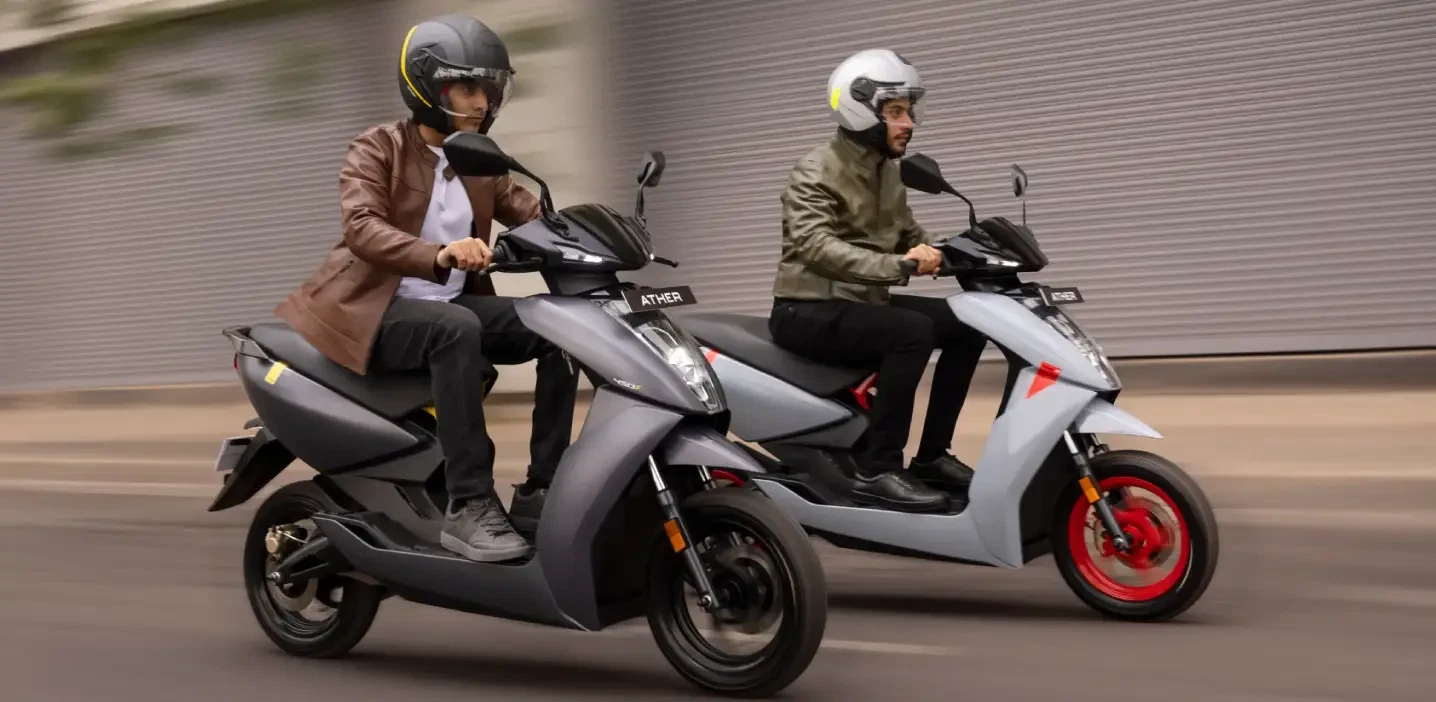
How to Apply for an EV Loan in India: Step-by-Step Guide (2026)
 Share
Share
With electric vehicles (EVs) becoming increasingly popular across India, many middle-class buyers are now considering financial options that make their EV purchase more affordable. So it’s a good thing that getting an EV loan in 2025 is easier than ever. All due to the rise of sustainable/green finance and innovative flexi-finance schemes.
So, yes, now is the right time to get an EV loan. Since government-backed initiatives like lower EV loan interest rates provide customers with plenty of quality, flexible options. If you’ve been waiting to buy an electric scooter like the Bajaj Chetak or a family-friendly EV car like the Tata Tiago EV, now is the right time.
Want to know how to apply for an EV loan in India? This blog explores it step by step.
Read on.
What Is an EV Loan?
To cut the long story short: An EV loan is a specialized auto loan meant for electric vehicles, including electric scooters, bikes, and cars.
These loans are provided by banks, NBFCs, and green finance platforms. Compared to conventional loans, an EV loan often includes:
- Lower EV loan interest rate
- Flexible repayment options
- Green financing incentives
- EV loan tax benefits
Whether it’s a loan for EV scooter, an EV car loan, or a two-wheeler EV loan, these financing options make it easier for Indian customers to go electric.
Step-by-Step Process to Apply for an EV Loan
Step 1: Choose Your EV
The first step is to choose which electric vehicle you want. Only you are the best judge of that.
It is critical to decide on your vehicle type based on your needs. Choose from:
- EV scooter loan options like Ola S1, Bajaj Chetak, TVS iQube
- EV bike loan options like Revolt RV400 or Tork Kratos
- EV car loan options like Tiago EV, Nexon EV, or MG Comet
Whether you’re going for an EV two-wheeler loan or a car, confirm that the lender finances your chosen model.
Step 2: Determine Loan Amount & Tenure
Figure out the down payment and tenure. Use EMI calculators to estimate costs:
- EV scooter loan interest rate: Starts at 8.99% per annum
- EV bike loan interest rate: Typically between 9% and 12%
- EV car loan interest rate: Around 7% to 9%
- Tenure: 1 to 5 years
Check if your EV loan qualifies for 100% financing. If so, and if it meets your financial planning, you can go for it.
Step 3: Check Eligibility
Basic eligibility for an EV loan includes:
- Age: 21–60 years
- Credit Score: 650+
- Monthly Income: ₹15,000+ (varies by lender)
- Valid documents: PAN, Aadhaar, income proof
Many NBFCs now approve two-wheeler EV loan applications with more relaxed credit norms.
Compare Lenders and Interest Rates
Lenders, interest rates, and all can be observed in the table below.
| Lender | EV Loan Interest Rate | Loan Coverage | Target Segment |
| SBI Green Loan | 7.0% – 7.5% | Up to 85% | EV cars |
| Ecofy | 8.99% – 10.5% | Up to 100% | EV scooter loan, bikes |
| HDFC Bank | 8.5% – 9.5% | Up to 90% | Salaried & self-employed buyers |
| Revfin | 9.99%+ | Up to 100% | First-time EV bike loan users |
Top Lender Comparison: 2-Wheelers vs 4-Wheelers
You can also compare lenders in terms of ‘2-Wheelers’ or ‘4-Wheelers’. Once you decide which one you actually want to buy.
| Vehicle Type | Recommended Lender | Typical Rate | Max Tenure | Extras |
| EV Scooter | Ecofy, Revfin | 9%–11% | 36 months | Low credit score tolerance |
| EV Bike | HDFC, Revfin | 9%–12% | 36 months | Quick disbursal |
| EV Car | SBI, HDFC, Axis | 7%–9% | 60 months | Tax benefits + longer repayment |
Required Documents
To apply for an EV loan, you’ll need:
- Identity Proof: Aadhaar, PAN
- Income Proof: Salary slips, bank statements
- Vehicle Invoice: Proforma invoice from dealer
- eKYC (optional for online apps)
Digital lenders make loan for EV scooter or bike easy with quick document uploads.
Online vs Offline Application
Online:
- Apply directly via lender or EV brand website
- Submit documents digitally
- Get instant EV loan eligibility check
Offline:
- Visit the nearest bank/NBFC branch
- Provide physical documents
- Let dealership assist with loan application
Combine EV Loan + Exchange + Subsidy
Maximize savings by combining:
- EV loan to spread cost over 3–5 years
- Exchange bonus from old vehicle
- State subsidy (up to ₹1.5 lakh on EV car loans)
This combo is especially useful for those seeking EV car loan benefits and monthly affordability.
EV Loan Use Case: How Much Can You Save?
Let’s take an example of a salaried customer buying a Bajaj Chetak EV:
- On-road Price: ₹1,55,000
- Exchange Offer: ₹5,000
- Delhi Govt Subsidy: ₹25,000
- Final Loan Amount: ₹1,25,000
For a 36-month term at 9.5% EV loan interest rate, EMI ≈ ₹4,010/month.
Total interest paid over 3 years: ~₹19,000
Tax savings under 80EEB: Up to ₹1.5 lakh on EV loan interest tax exemption.
Net effective savings = ₹44,000+ over 3 years when compared to petrol + maintenance + EMI of ICE two-wheeler.
EV Loan Tax Benefits Explained
Many buyers ask: Is there a tax benefit on EV car loan?
Yes! Under Section 80EEB of the Income Tax Act:
- You can claim up to ₹1.5 lakh on EV loan interest tax exemption
- Applies to both EV scooter loan and EV car loan tax benefit
- Available only to individuals (not companies)
These EV loan tax benefits make financing even more rewarding.
FAQs
Q: What is the max benefit under EV loan tax exemption?
A: Up to ₹1.5 lakh on EV loan interest tax exemption under Sec 80EEB.
Q: Do two wheeler EV loans qualify for tax savings?
A: Yes. Both EV bike loan and EV scooter loan can claim EV loan tax benefit.
Q: Is the EV loan interest rate fixed?
A: No. Your EV loan interest rate may be fixed or floating based on lender.
Q: Can I get an EV loan without income proof?
A: NBFCs may allow for small EV two wheeler loan amounts under relaxed conditions.
Q: Are there processing fees on EV loans?
A: Yes, typically 1%–2% of the loan amount. Some lenders waive this for green loans.
Q: How do I claim tax benefit on EV car loan?
A: Declare interest paid under Section 80EEB while filing ITR. Keep loan statement as proof.
Q: Can students apply for an EV loan?
A: Students can apply for a loan for EV scooter with a co-applicant or guarantor.
Conclusion
If you’re planning to buy an EV in 2025, getting an EV loan is the smartest way to make it affordable. Lower EV loan interest rates, simple eligibility, and strong EV loan tax benefits make the financial case even stronger.
Whether you’re opting for a stylish scooter or a premium EV car, consider:
- Comparing EV loan interest rate across lenders
- Checking if you’re eligible for tax benefit on EV car loan
- Bundling subsidy + exchange with your EV loan
With proper planning, your EV car loan benefits can stretch far beyond the initial purchase—helping you save money every month.
Explore top electric two-wheelers and apply for a flexible, affordable EV loan today at Ecozaar.in.
Based on 1 rating

Tanushree (Author)
Tanushree is a dynamic business strategist with a knack for driving innovation in startups, especially in Fintech and Edtech. With 9 years of work-ex, an IT engineer from MIT Pune, & a MBA from IIM Bangalore (Marketing & Business Strategy), she’s got the mix of analytical and creative problem-solving.
Read more
Related Blogs
Popular articles are selected based on the number of readers