Engine Braking for Bikes: How, When & Why
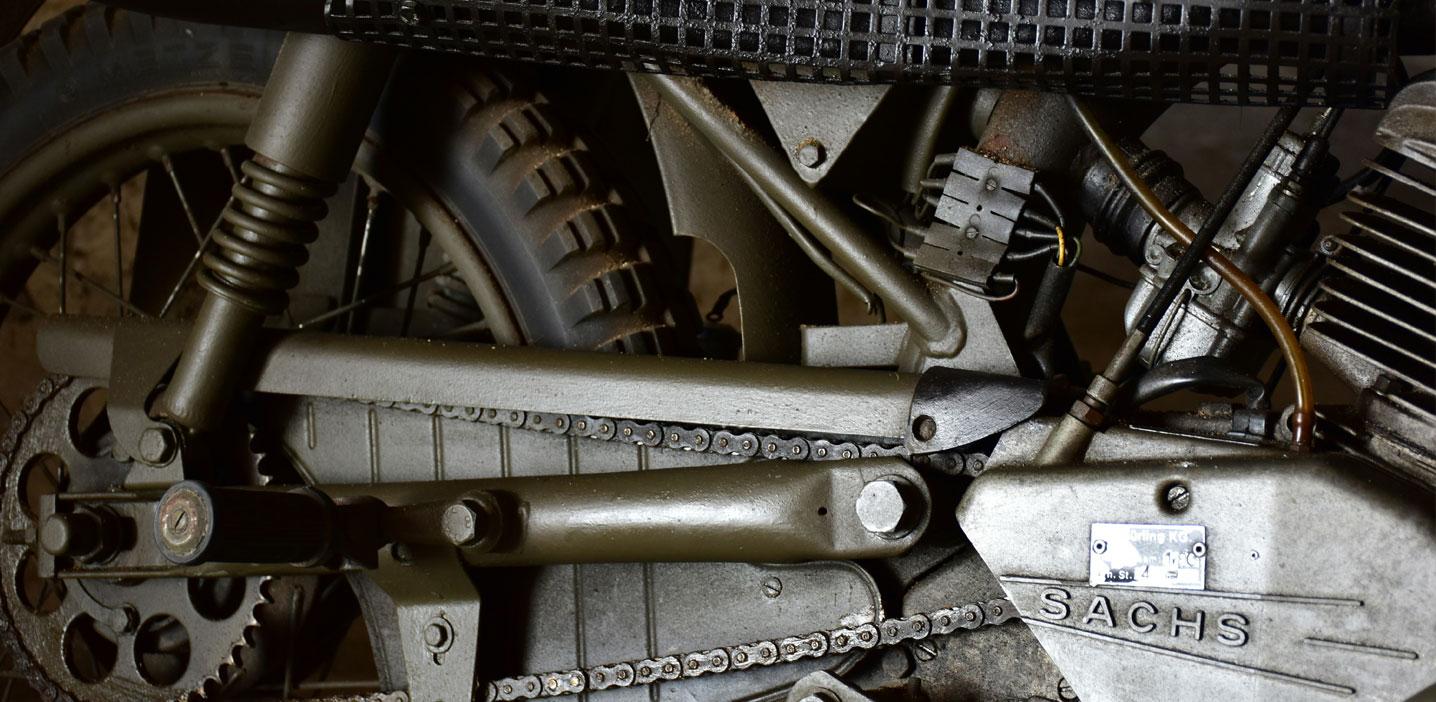
We’ve spoken a lot about bike engines a lot here, and now it’s time to go into some specific elements that are important to enthusiastic biking fans all over the country.
More specifically, let’s talk about the technique of ‘engine braking’.
What is engine braking? This is a technique where a motorcycle slows down naturally through the engine’s natural resistance, and does not need to rely on brake levers.
When does engine braking happen? It happens when the rider rolls off or closes the throttle while the bike is still in gear. As soon as the throttle closes, there is less air and fuel that enters the engine. This creates a vacuum, which, combined with the resistance from the engines’ compression, causes it to slow down.
Since the wheels are still mechanically linked to the engine via the transmission, this resistance is transferred to the rear wheel, helping the bike decelerate.
It’s important to note one thing: Unlike using the brakes, engine braking doesn’t involve friction pads or discs, making it an effective way to reduce speed gradually while preserving your braking system.
It’s especially useful on downhill sections or in slippery conditions, where abrupt braking could cause skidding. While it is not a total substitute for front and rear brakes, it adds an important layer of control for skilled riders. If you’re one of them, it’s important to explore just how engine braking works.
Without further ado, it’s time to explore this blog.
Why Use Engine Braking?
The answer is simple: they reduce the wear and tear on brake systems. Thanks to them, there is less reliance on friction braking, and hence they go a long way in preserving brake pads.
Not to mention, they reduce brake fade on long descents. They help keep brakes cooler, more so on steep roads where constant braking can lead to overheated components. They also offer smoother speed controls on slippery and curvy sections.
When Not to Rely Solely on Engine Braking?
As great as engine braking is, it’s important to note that it’s not just the one-stop solution for brake safety.
That’s right. It is not a substitute for brakes at high speeds or emergency stops: Engine braking also won’t stop you quickly enough in critical situations alone.
So what do you have to do? Let’s break it down.
Avoid abrupt downshifts without rev-matching: Sudden gear changes without matching RPM can cause rear wheel lock-up or lurching.
Be cautious of forward pitch on certain bikes: On some chassis, engine braking may cause a sharp weight shift forward, affecting control.
How Does Engine Braking Work Overall?
Let’s discuss it in detail. Here is what happens:
When you roll off the throttle on a motorcycle, the engine’s throttle valves close, creating a vacuum in the intake manifold. This reduces the air-fuel mix entering the engine, and the pistons now work against compression and internal friction, generating resistance that slows the bike.
The drivetrain connects the wheels to the engine, transmitting this resistance through the transmission.
In manual-transmission motorcycles, this effect is direct. In automatic systems with torque converters (like DCT or CVTs), the sensation and effectiveness of engine braking are reduced or delayed.
Step-by-step: How to do engine braking on a bike
-
- Close/roll off the throttle smoothly.
- If more deceleration needed: downshift one gear at a time.
- For smooth downshift: clutch in → downshift → rev-match (blip) → clutch out.
- Use rear + front brake lightly to finish stop when required.
- Practice at low speed in an empty area.
What is “Rev-matching / blipping” and How Does It Work?
‘Blipping the throttle’, or ‘rev-matching’, is a technique where the rider briefly increases the engine RPM to match the expected speed of the lower gear during a downshift. This ensures a smoother transition and prevents jerky deceleration or rear wheel lock-up.
How You can ‘Rev Match’:
Follow these steps:
Clutch in → quick throttle blip → downshift → clutch out.
Always avoid over-revving. Practice blipping lightly and smoothly until the shift becomes seamless.
What are Some of the Most Practical Drills to Learn Engine Braking?
1. City slow-speed downshift practice:
In a quiet street or parking lot, practice rolling off the throttle and downshifting with rev-matching around 20–30 km/h.
2. Controlled downhill descent:
Find a gentle slope and use only engine braking and light brake inputs to descend, staying in a mid-range gear.
3. Super-slow rev-match practice:
At very low speeds, intentionally practice clutch-blip-downshift cycles to fine-tune muscle memory.
What are Some Quantifiable Benefits and Real-World Applications?
Here are some of the actual, real-world positives of engine braking that can be applied everywhere:
- Reduces pad wear: Using the engine reduces reliance on brake pads, extending their lifespan.
- Helps on long descents to avoid fade: Less friction means cooler brakes on mountain rides.
- Keeps bike in a drivable gear for quick throttle response: Useful when you need to accelerate again quickly.
- Smoother for wet or uneven surfaces: Reduces sudden weight shifts that can cause wheel slips.
Risks, myths & common mistakes
Here are some myths and common misconceptions regarding engine braking that are worth discussing, dispelling, or debating (depending on how you see it):
Here’s a common myth: “Engine braking damages engine”
True or False? Answer: False.
When done properly, engine braking is well within the design parameters of modern motorcycle engines.
What is a possible risk? Over-revving from multiple downshifts
Mitigation: Downshift one gear at a time and use rev-matching.
What is a major issue? Excessive front-end pitch
Mitigation: Apply smooth throttle control and proper body positioning.
Stress on drivetrain or valves if overused or poorly timed → Mitigation: Combine with brakes and avoid harsh downshifts at high RPM.
When to use engine braking vs when to prioritize friction braking?
| Use Engine Braking | Use Friction Braking |
| Long downhill descents | Emergency stops |
| Light to moderate speed reduction | High-speed deceleration |
| Slippery or curvy road surfaces | Complete stop at signals or intersections |
Here’s a Quick Checklist Before Using Engine Braking on an Unfamiliar Bike
- Know your gear ratios and shift points
- Test clutch feel and throttle response
- Confirm both brakes work properly
- Avoid engine braking if low fuel or oil warning is active
- Practice in a low-risk environment first
- Don’t downshift below the engine’s recommended RPM range
Frequently Asked Questions
1. What is engine braking in bike?
It’s using the engine’s internal resistance to slow down a motorcycle by rolling off the throttle.
2. How to do engine braking in bike?
Close throttle → clutch in → downshift → blip throttle → clutch out. Use the brakes lightly to finish.
3. Is engine braking bad for your motorcycle?
No, not if done correctly. Proper rev-matching and gear selection prevent damage. See “Risks, myths & common mistakes” above.
Conclusion
Engine braking is more than just a way to slow down—it’s a key skill that enhances control, extends the life of your braking system, and makes riding smoother and safer, especially in real-world conditions like wet roads or long descents. By understanding how engine braking works and when to use it, riders can reduce brake wear, maintain better balance during deceleration, and stay in the right gear for quick throttle response.
However, like any technique, engine braking has its limitations. It should be used in combination with friction brakes, not as a replacement—especially during emergency stops or when riding at high speeds. Smooth downshifts and proper rev-matching are crucial to avoid mechanical stress or loss of traction.
Whether you’re a new rider or looking to refine your technique, practicing engine braking in a controlled environment is highly recommended. Start slow, get comfortable with rev-matching, and pay attention to how your bike responds. With time, engine braking will become a natural part of your riding flow.
For more on road safety and bike maintenance, keep on following Ecozaar.
Based on 2 ratings

Tanushree (Author)
Tanushree is a dynamic business strategist with a knack for driving innovation in startups, especially in Fintech and Edtech. With 9 years of work-ex, an IT engineer from MIT Pune, & a MBA from IIM Bangalore (Marketing & Business Strategy), she’s got the mix of analytical and creative problem-solving.
Read more
Related Blogs
Popular articles are selected from the same backend blog feed.

Best Bikes Under 1 Lakh in India: Price, Mileage & Low-Maintenance Commuters
Compare the best bikes under ₹1 lakh in India by price, real-world mileage, maintenance and safety — from sub-₹60k commuters to 125cc options near ₹1 lakh.
Best Bikes Under 2 Lakh in India: Streetfighters, Cruisers & All-Rounders
Compare the best bikes under ₹2 lakh in India: verified ex-showroom prices, real-world mileage, ABS and hardware, and which model fits your budget.
Best Sports Bikes Under 5 Lakh in India: Track Bikes, Supersports & Top Speed Comparison
Compare the best sports bikes under ₹5 lakh in India by 0–100 km/h, GPS top speed, track ability, electronics, mileage and ownership costs.
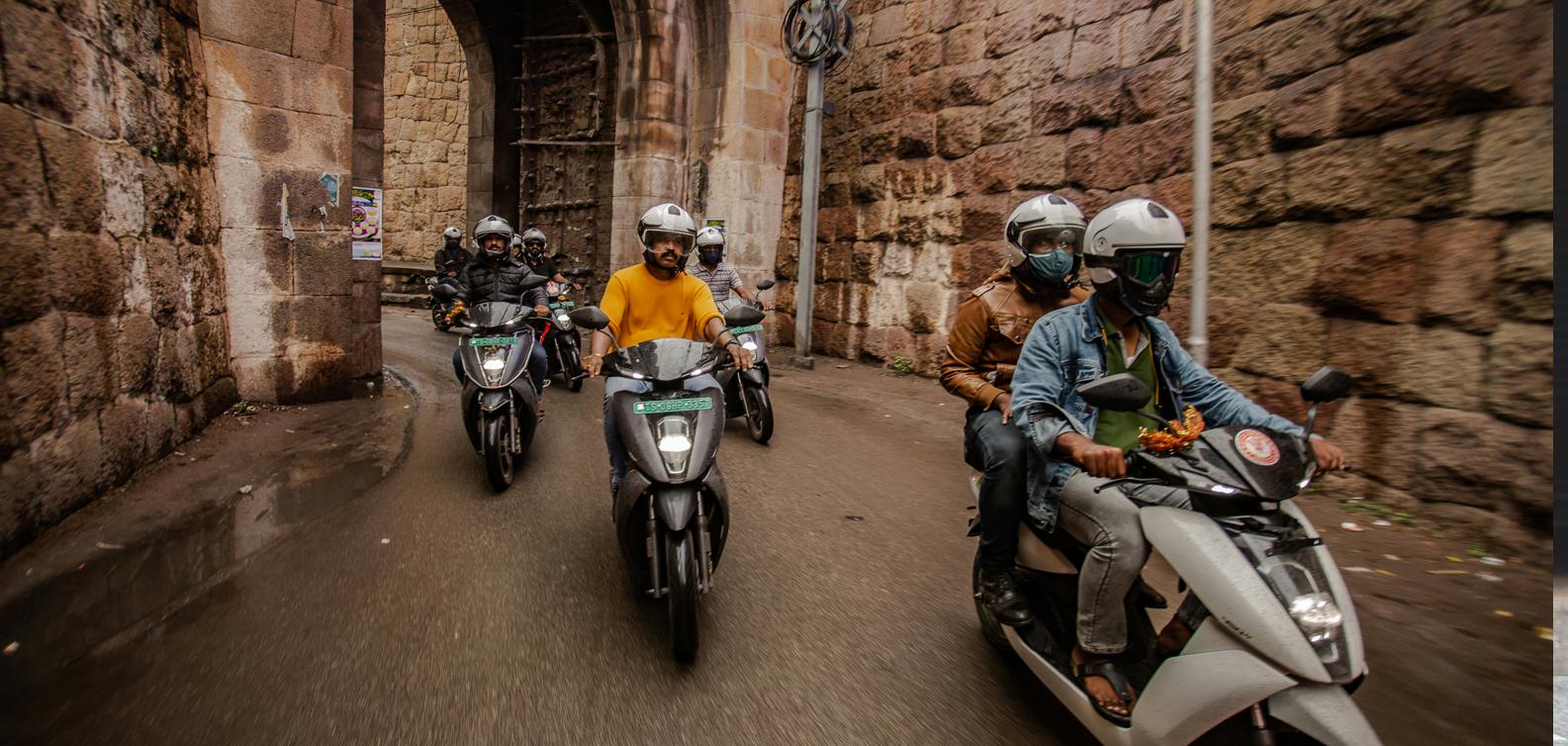
Best Electric Scooters Under 1 Lakh in India: Real-World Range, Subsidy & Price List
Compare the best electric scooters under ₹1 lakh by real-world range, battery size, charging, PM E-DRIVE benefits, running cost, build quality and family practi
Best Low-Cost Electric Scooters Under ₹40,000–₹50,000: Non-RTO & Budget Commuters
Compare low-cost electric scooters under ₹40,000–50,000 by price, range, battery type, charging, non-RTO rules, running cost and practical ownership risks.
Best 110cc–125cc Family Commuter Scooters in India: Mileage, Comfort & Price Comparison
Compare the best 110cc and 125cc scooters in India by price, real-world mileage, comfort, storage, braking, running cost and the value of upgrading to 125cc.
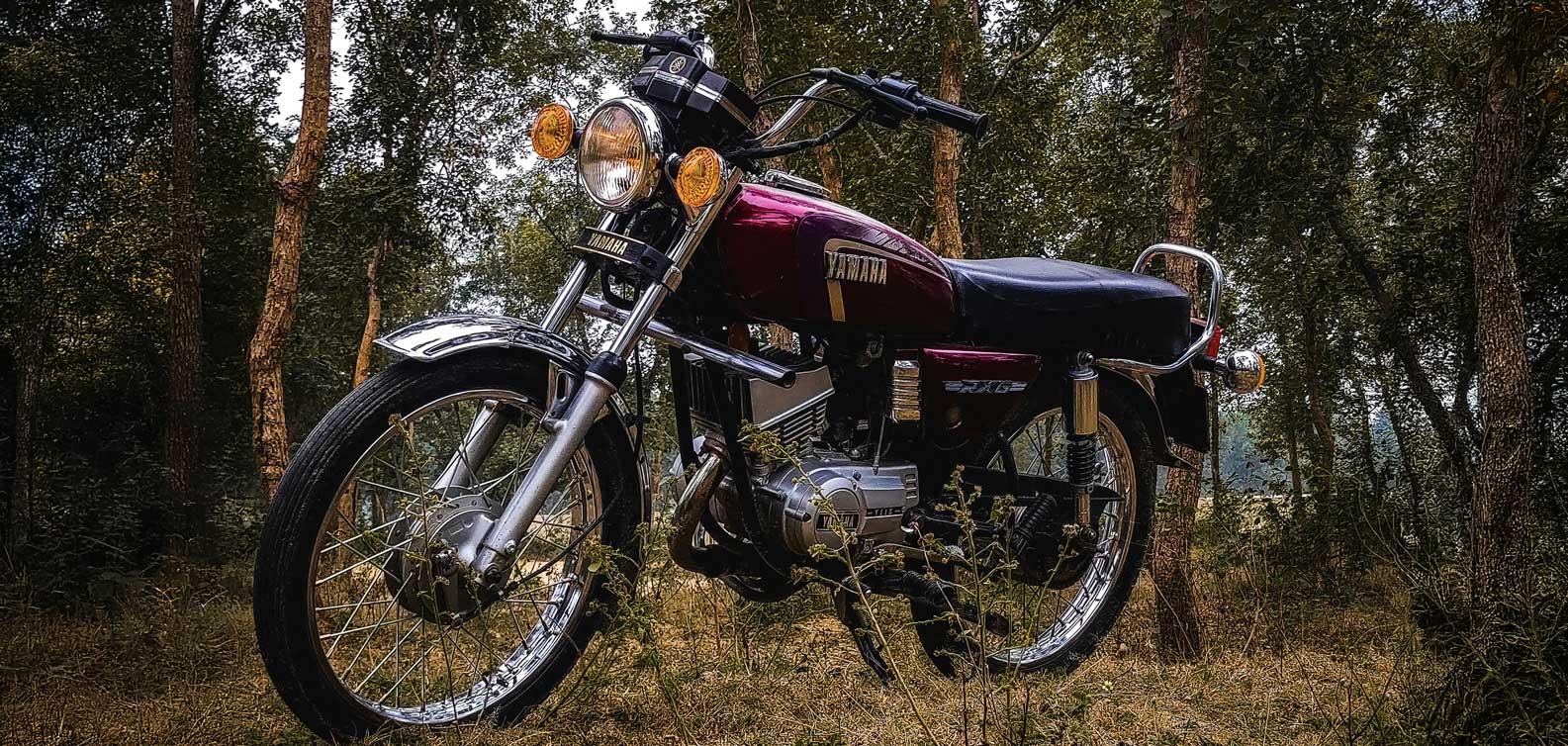
Best 150cc–160cc Bikes in India: Mileage, Price, Specs & Performance
Compare India's best 150cc–160cc bikes on mileage, price, power, braking and comfort — Pulsar N160, Apache RTR 160 4V, Xtreme 160R, FZ-S and more.
Best 200cc–250cc Performance Bikes in India: Power, Mileage & Highway Cruising
Compare India's best 200cc–250cc bikes on power-to-weight, real-world mileage, highway cruising and price, with the 200cc and 250cc classes covered together.