Bajaj Chetak Electric Scooter Specs, Features & Weight
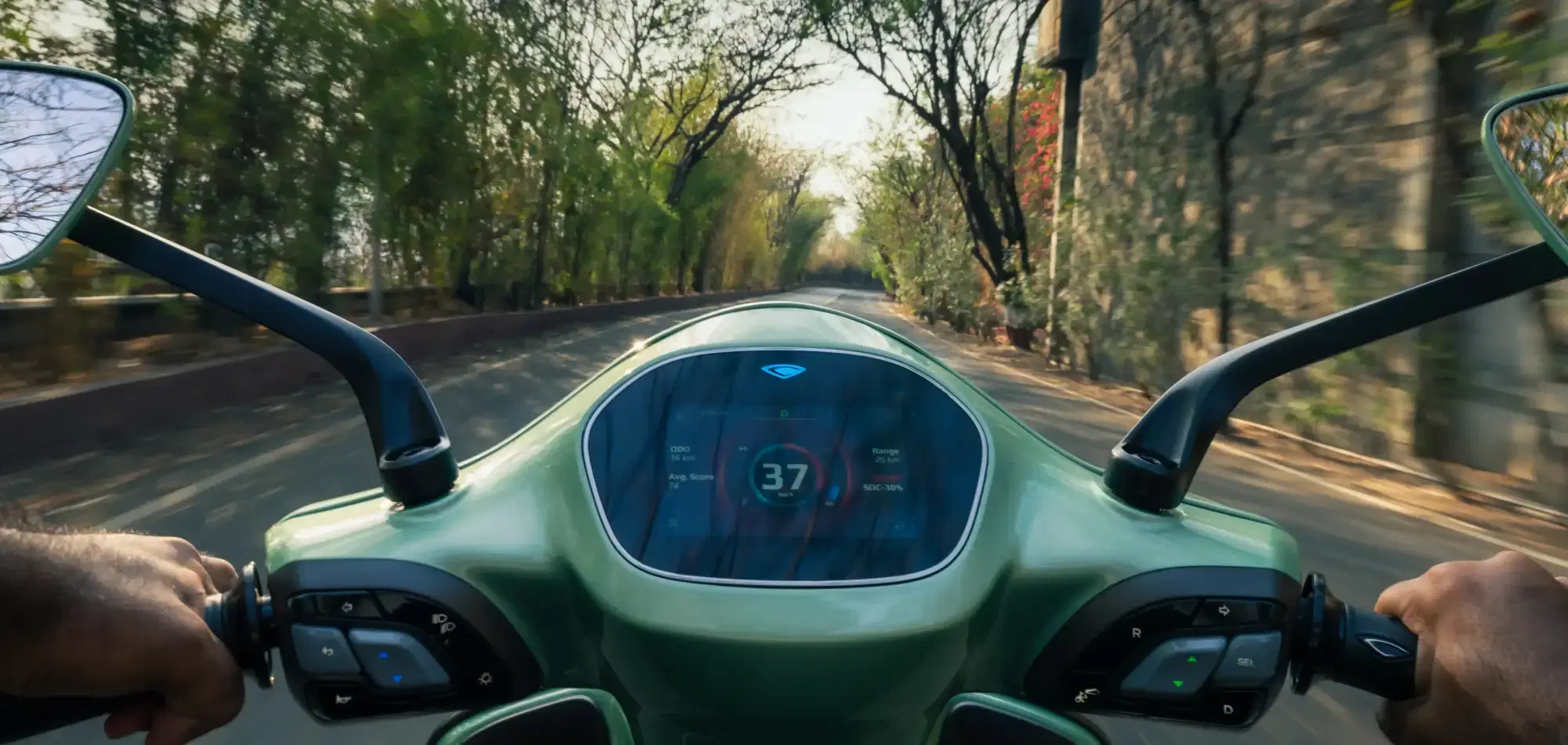
The Bajaj Chetak has quietly evolved into one of India’s most versatile electric scooters. From the lightweight, city-friendly 2501 to the feature loaded 3503 with extended range, the lineup now covers a wide range of riders. If you’ve been looking for a peek into the specifications, features and everything in between about the Chetak, this guide brings you every detail you need and more.
Bajaj Chetak 2026 – Variant Lineup at a Glance
Before diving deep, here’s a quick overview of all available variants:
| Variant | Battery | Range | Top Speed | Ex-Showroom Price |
| Chetak 2501 | 2.5 kWh | 113 km | 55 kmph | ₹91,399 |
| Chetak 2903 | 2.9 kWh | 95–110 km | 63 kmph | ₹1,07,400 |
| Chetak 3501 | 3.5 kWh | 153 km | 73 kmph | ₹1,27,000 (approx.) |
| Chetak 3502 | 3.5 kWh | 153 km | 73 kmph | ₹1,37,000 (approx.) |
| Chetak 3503 | 3.5 kWh | 153 km | 73 kmph | ₹1,39,605 |
This lineup is structured clearly: 2501 is entry-level, 2903 is mid-tier, and the 3500-series is premium.
Bajaj Chetak Electric Scooter Full Specifications (2026)
Motor & Performance Specifications
| Specification | 2501 | 2903 / 3501–3503 |
| Motor Type | BLDC Hub Motor | BLDC Hub Motor |
| Motor Power | 3 kW (peak) | 4-4.2 kW (peak) |
| Peak Torque | 16 Nm | 20 Nm |
| Top Speed | 55 kmph | 63-73 kmph |
| Drive Modes | Eco | Eco + Sport |
What this means in real life:
The 2501 is built for relaxed city commuting, while the higher variants feel noticeably quicker, especially in traffic overtakes. The torque delivery is smooth and instant, which is typical of EVs.
Battery & Range Specifications
| Specification | 2501 | 2903 | 3501–3503 |
| Battery Capacity | 2.5 kWh | 2.9 kWh | 3.5 kWh |
| Claimed Range | 113 km | 95-110 km | 153 km |
| Charging Time (0-80%) | 3h 45m | ~3h 50m | ~3h |
| Charger | 750W off-board | Same | Same |
| Warranty | 3 yrs / 50,000 km | Same | Same |
Practical takeaway:
For daily city use (20-40 km/day), even the base variant is sufficient. But if you want fewer charging cycles and more flexibility, the 3.5 kWh variants make a noticeable difference.
Dimensions & Chassis Specifications
- Body Type: Steel monocoque (not plastic)
- Wheelbase: 1,355 mm
- Seat Height: 775 mm
- Storage: 21L (2501) / 35L (higher variants)
- Tyres: Tubeless
- Brakes: Disc (front) + Drum (rear, variant-dependent)
- Suspension: Telescopic (front), twin shocks (rear)
- Water Resistance: IP67
One standout here is the metal body. Unlike competitors such as Ola Electric or Ather Energy that use plastic panels, the Chetak’s steel build feels more premium, durable and capable enough to take the abuse of the daily riding over pothole ridden roads.
Bajaj Chetak Electric Scooter Weight – Everything You Need to Know
Kerb Weight by Variant
| Variant | Weight |
| Chetak 2501 | 107 kg |
| Chetak 2903 | ~125-130 kg |
| Chetak 3501-3503 | ~130 kg |
Why the 2501’s 107 kg Weight Matters
The 2501 is significantly lighter, about 20+ kg less than higher variants. This comes from:
- Smaller battery pack
- Simplified structure
Real-world impact:
- Easier to handle in traffic
- Simpler to park or push
- More confidence for beginners
For comparison:
- TVS Motor Company iQube: ~118 kg
- Ather Energy 450S: ~108 kg
How Weight Affects Riding
- Heavier scooters feel more stable at speed
- Lighter scooters are easier in stop-go traffic
- Range can drop slightly with factors like heavier built riders or riding on inclines
The 775 mm seat height also makes it accessible for most riders above 5’3″.
Bajaj Chetak Electric Scooter Features
Features Across All Variants
- IP67 Waterproofing – handles Indian monsoons well
- LED Lighting – modern and energy-efficient
- Guide Me Home Lights – practical for dark parking areas
- Digital Display with Bluetooth
- Reverse Assist – extremely useful in tight parking spots
- Regenerative Braking – improves efficiency
- Anti-Theft System
These aren’t just feel-good features, they directly improve daily usability.
Premium Features (3501 / 3502 / 3503)
- 35L Under-seat Storage (one of the best in class)
- Hill Hold Assist
- App Connectivity (ride stats, geo-fencing, OTA updates)
- USB Charging Port
- Eco + Sport Modes
If you commute daily and want convenience, these upgrades genuinely add value.
What the Chetak Doesn’t Have
Let’s be honest:
- No fast charging
- No swappable battery
- No built-in navigation system
While competitors like Ola Electric push aggressive tech, Chetak focuses more on reliability and build quality.
Bajaj Chetak Electric CC – The Most Misunderstood Spec
⚡ Important: Electric scooters do NOT have CC.
CC (cubic capacity) applies only to petrol engines which tells you the volume of engine displacement.
How to Compare Instead?
| Petrol Scooter | Electric Equivalent | Chetak Value |
| Engine CC | Motor Power | 3-4.2 kW |
| BHP | Peak Power | ~5.6 BHP |
| Torque | Torque | 16-20 Nm |
| Fuel Tank | Battery | 2.5-3.5 kWh |
| Mileage | Range | 113-153 km |
Simple translation:
A 4 kW Chetak feels similar to a 125cc petrol scooter in city riding.
Bajaj Chetak Electric Scooter Colours (2026)
Popular Colour Options
- Brooklyn Black
- Cyber White
- Indigo Metallic
- Hazel Nut
- Pista Green
- Matte Scarlet Red
- Matte Coarse Grey
- Indigo Blue
- Racing Red
- Lime Yellow
- Azure Blue
What buyers usually pick:
- Brooklyn Black & Cyber White – safest, most popular and ranks high in availability
- Matte finishes – premium feel, limited to higher variants, longer waiting period
Availability can vary by variant, so it’s best to confirm at the dealership.
Bajaj Chetak vs Rivals
| Spec | Chetak 3503 | iQube ST | Ola S1 Pro | Ather 450X |
| Battery | 3.5 kWh | 5.3 kWh | 4 kWh | 3.7 kWh |
| Range | 153 km | 212 km | 195 km | 150 km |
| Top Speed | 73 kmph | 82 kmph | 120 kmph | 90 kmph |
| Weight | ~130 kg | ~118 kg | ~125 kg | ~108 kg |
| Body | Steel | Plastic | Plastic | Plastic |
Key takeaway:
Chetak trades top speed and flashy tech for build quality, refinement, and reliability.
Frequently Asked Questions
What are the Bajaj Chetak electric scooter specifications?
The Chetak offers a 3-4.2 kW motor, 2.5-3.5 kWh battery, 113-153 km range, and top speed of 55-73 kmph. It includes IP67 waterproofing, a steel body, and a 3-year/50,000 km battery warranty across variants.
What is the Bajaj Chetak electric scooter weight?
The 2501 weighs 107 kg, making it one of the lightest metal-body scooters. The 2903 and 3500-series variants weigh around 125–130 kg.
What is the Bajaj Chetak electric scooter CC?
Electric scooters don’t have CC. The Chetak uses a 3-4.2 kW electric motor, roughly equivalent to a 100–110cc petrol scooter in city performance.
What colours is the Bajaj Chetak available in?
It comes in multiple colours including Brooklyn Black, Cyber White, Indigo Metallic, Hazel Nut, and more. Availability varies by variant, with matte finishes reserved for premium models.
What are the top features of the Bajaj Chetak?
Top features include IP67 waterproofing, steel body, reverse assist, regenerative braking, Bluetooth connectivity, hill hold assist, and up to 35L storage.
What is the range of the Bajaj Chetak?
The range varies from 113 km (2501) to 153 km (3501-3503) on a full charge.
Does Bajaj Chetak support fast charging?
No, it uses a standard 750W off-board charger. Charging from 0-80% takes about 344 hours.
What is the top speed of the Bajaj Chetak?
The 2501 has a top speed of 55 kmph, while higher variants go up to 73 kmph.
Final Thoughts
The Bajaj Chetak isn’t trying to be the fastest or most tech-heavy scooter in the market. Instead, it focuses on build quality, simplicity, everyday usability and the Brand CHETAK that still strings a chord with every Indian’s heart. If your priority is a reliable, well-built EV for daily commuting rather than flashy performance, the Chetak makes a strong case.
Based on 0 ratings

Najmus (Author)
Najmus leads content and SEO at Ecozaar, building trustworthy guides on electric two-wheelers, RTO processes, and green finance in India. With 8+ years in technical and editorial SEO, he turns complex regulations and specs into practical, citation-backed explainers. His work combines schema, CWV, and clear sourcing to help readers make confident, real-world decisions.
Read more
Related Blogs
Popular articles are selected from the same backend blog feed.

Best Bikes Under 1 Lakh in India: Price, Mileage & Low-Maintenance Commuters
Compare the best bikes under ₹1 lakh in India by price, real-world mileage, maintenance and safety — from sub-₹60k commuters to 125cc options near ₹1 lakh.
Best Bikes Under 2 Lakh in India: Streetfighters, Cruisers & All-Rounders
Compare the best bikes under ₹2 lakh in India: verified ex-showroom prices, real-world mileage, ABS and hardware, and which model fits your budget.
Best Electric Scooters Under 1 Lakh in India: Real-World Range, Subsidy & Price List
Compare the best electric scooters under ₹1 lakh by real-world range, battery size, charging, PM E-DRIVE benefits, running cost, build quality and family practi
Best Low-Cost Electric Scooters Under ₹40,000–₹50,000: Non-RTO & Budget Commuters
Compare low-cost electric scooters under ₹40,000–50,000 by price, range, battery type, charging, non-RTO rules, running cost and practical ownership risks.
Best 110cc–125cc Family Commuter Scooters in India: Mileage, Comfort & Price Comparison
Compare the best 110cc and 125cc scooters in India by price, real-world mileage, comfort, storage, braking, running cost and the value of upgrading to 125cc.
Best 150cc–160cc Bikes in India: Mileage, Price, Specs & Performance
Compare India's best 150cc–160cc bikes on mileage, price, power, braking and comfort — Pulsar N160, Apache RTR 160 4V, Xtreme 160R, FZ-S and more.
Best 200cc–250cc Performance Bikes in India: Power, Mileage & Highway Cruising
Compare India's best 200cc–250cc bikes on power-to-weight, real-world mileage, highway cruising and price, with the 200cc and 250cc classes covered together.
Best 350cc–500cc Bikes in India: Royal Enfield, Triumph & Mid-Capacity Classics
Compare Royal Enfield, Triumph, Harley-Davidson, KTM and Bajaj bikes from 349cc to 452cc on real price, power, mileage and highway comfort in India.