Anti-Puncture Liquids & Tyre Sealant in 2026: Top Picks & Price
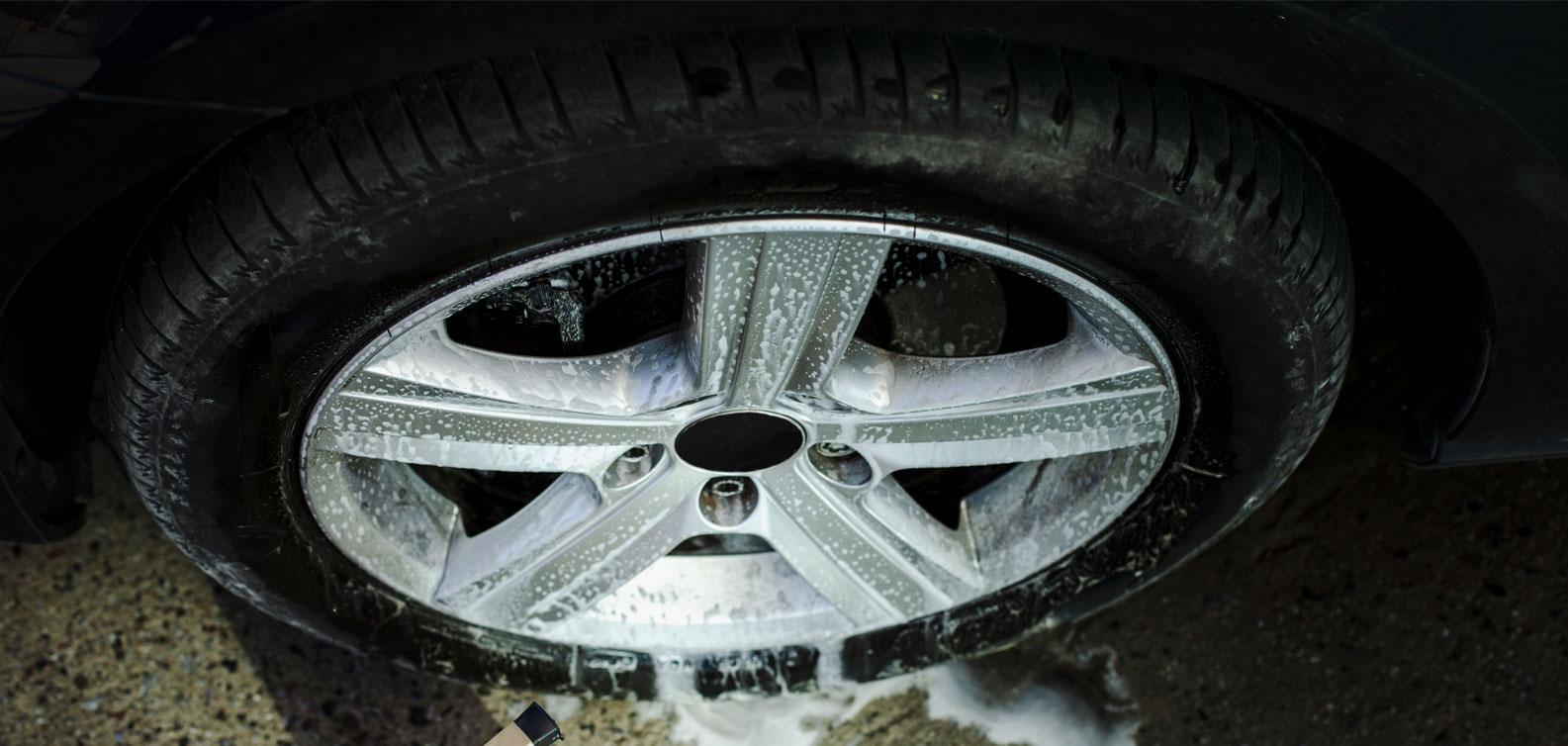
What’s the most frustrating roadside problem for vehicle owners? No it’s not hitchhikers or poor-quality roadside food: it’s a flat tyre in the middle of a long highway road; straight out of a scene from The Hitchhiker (1986), minus Rutger Hauer, of course. Except the only despondent party is you, in the middle of nowhere, not knowing what to do.
So yes, a flat tyre can be a pure nightmare scenario for vehicle owners. Whether you ride a bicycle, motorcycle, scooter—or drive a Range Rover. A puncture at the wrong time, at the worst possible place can end up disrupting your happiness for the long term. To address this, a large majority of the commuters now use anti-puncture liquids, which are also known as tyre sealants.
These products are incredibly helpful to seal small punctures instantly, often within seconds of there being a tyre puncture or piercing. In India, they have become increasingly popular in 2025; more so with the dominance of tubeless tyres. And quite frankly, it has become an essential commodity to survive the chaos of Indian roads and the hectic daily traffic.
Want to know more about them? It’s time for you to explore the entire guide.
How Tyre Sealants Work
Let’s start with the basics first: Let’s understand tyre sealants.
Tyre sealants are chemical solutions that remain inside the tyre and instantly plug small holes when they occur. Here’s how:
- Latex-based sealants contain liquid latex that coagulates when it encounters air from a puncture, forming a rubber plug.
- Glycol-based sealants use thicker fluids that coat the inside of the tyre and form a barrier over the puncture.
- Fibre-reinforced sealants contain materials like Kevlar, cellulose, or aramid that lodge into the puncture, creating a strong and flexible seal.
How are sealants applied? They are usually inserted through the tyre’ vale stem. The tyre liquid, once its inside, circulates evenly as the wheel continues to rotate. Every time there’s a puncture, the liquid is pushed outward and the gap is sealed.
Now with all that being said, here are a couple of things to keep in mind:
- In tubeless tyres, the liquid remains free-flowing and continues to protect against future punctures.
- In tube tyres, the sealant coats the inner tube. It can still work, but sometimes causes issues like valve clogging.
Types of Anti-Puncture Liquids
What are the types of anti-puncture liquids available? Let’s have a look.
Latex-Based Sealants
- They are fast-acting, often sealing within seconds.
- They are popular for bicycles and motorcycles.
- One downside to them? They can dry out over time and require re-application every few months.
Glycol-Based Sealants
- They are longer-lasting, usually up to 9 months inside tyres.
- They are ideal for cars and SUVs where puncture protection is needed over longer journeys.
- They remain slightly thicker in consistency.
Fibre or Micro-Particle Sealants
- They are designed for larger punctures (up to 6 mm).
- They contain strong fibres that reinforce the seal.
- They remain common in heavy-duty applications like SUVs, trucks, and motorcycles.
Gel vs Liquid Formulas
- Tyre sealant gels are thicker, marketed as less messy, but sometimes harder to spread inside.
- Tyre puncture liquids flow more easily, coating the tyre evenly.
Tubeless vs Tube Tyre Sealants
Tubeless Tyres
- Most modern bikes, scooters, and cars now use tubeless tyres.
- Advantages:
- Self-seals punctures up to 3 mm (bikes) and 6 mm (cars).
- Reduces chances of sudden blowouts.
- Easy to apply with a simple bottle or syringe.
- Drawback: needs re-application every 3–12 months as it dries out.
Tube Tyres
- Still used in rural areas and on some older vehicles.
- Sealants for tube tyres are thicker, but may:
- Cause valve clogging.
- Be messier during repairs.
- Some brands offer specific anti-puncture liquid for tube tyres, but results vary.
So what’s the verdict? Answer: Tubeless tyre liquids are generally safer, cleaner, and more effective. Hence, they should only be used with compatible products.
Choosing the Right Anti-Puncture Liquid
When selecting a tyre puncture solution, consider:
- Vehicle Type – Bicycle, motorcycle, or car.
- Tyre Type – Tubeless vs tube.
- Protection Size – Bicycles up to 3 mm punctures; cars up to 6 mm.
- Climate – Choose formulas tested for Indian summers; some dry out faster in heat.
- Eco & Safety – Look for non-toxic, non-corrosive options that won’t harm rims.
Price in India (2025):
- Small bottles for bikes: ₹200–₹300
- Motorcycle kits: ₹300–₹500
- Car/SUV sealant (larger bottles or aerosols): ₹400–₹600
(Source: Carorbis Tyre Care)
Best Anti-Puncture Liquids & Tyre Sealants (2025)
Here are some top products available in India and globally this year:
For Bicycles
Slime Tube Sealant
-
- Type: Latex-based.
- Seals punctures up to 3 mm.
- Price: ~₹250 (125 ml).
- Pros: Easy to use, widely available.
- Cons: Needs topping up every 3–6 months.
Stan’s NoTubes
-
- Type: Latex-based with micro-particles.
- Price: ~₹500 (60 ml).
- Pros: Popular among performance cyclists.
- Cons: Premium pricing.
Muc-Off No Puncture Hassle
-
- Type: Fibre-reinforced latex.
- Price: ~₹400 (140 ml).
- Pros: Works well in hot climates.
- Cons: Slightly messy during removal.
For Motorcycles & Scooters
Sealwell Puncture Protection
-
- Type: Fibre-reinforced glycol.
- Price: ~₹350 (250 ml).
- Pros: Good for Indian roads; long-lasting.
- Cons: May affect wheel balance slightly.
PunctureSafe Motorcycle
-
- Type: Glycol-based.
- Price: ~₹450 (250 ml).
- Pros: Tested for high-speed bikes.
- Cons: Limited local availability.
For Cars & SUVs
Motul Tyre Repair
-
- Type: Aerosol sealant.
- Price: ~₹550 (300 ml).
- Pros: Quick roadside fix, inflates and seals.
- Cons: Single-use emergency product.
Fix-A-Flat
-
- Type: Aerosol tyre sealant.
- Price: ~₹600 (340 ml).
- Pros: Trusted brand in the US; emergency use.
- Cons: Leaves residue inside tyre.
OKO Puncture Free Car & SUV Sealant
-
- Type: Fibre-reinforced.
- Price: ~₹500 (350 ml).
- Pros: Long-lasting, handles punctures up to 6 mm.
- Cons: Needs professional installation for best results.
Application & Maintenance Tips
Here’s how to use tyre sealant liquid effectively:
- Deflate the tyre completely.
- Remove the valve core (for tubeless tyres).
- Inject the sealant using the bottle nozzle or syringe.
- Rotate the tyre to spread the liquid evenly.
- Re-inflate to recommended pressure.
- Check for leaks by spinning the tyre.
Safety & Maintenance:
- Use gloves to avoid sticky residue.
- Don’t spill near disc brakes.
- Replace sealant every 3–12 months in tubeless tyres.
- Dispose of old puncture-proof liquid responsibly.
Benefits & Limitations
Benefits
- Prevents flats from nails, glass, and thorns.
- Offers peace of mind for long journeys.
- Reduces roadside repairs and saves money.
- Works instantly in most cases.
Limitations
- Won’t fix large cuts or sidewall damage.
- May slightly affect tyre balance.
- Can void warranties if not recommended by tyre companies.
- Requires regular checks and replacement.
Frequently Asked Questions
- Can I use anti-puncture liquid in tube tyres?
Yes, but only with products labeled for tube tyres. Otherwise, risk of valve clogging. - Does tyre sealant damage rims or TPMS sensors?
Most modern sealants are rim-safe and sensor-friendly. Clean thoroughly during tyre changes. - How long does sealant last?
- Bicycles: 3–6 months.
- Motorcycles & cars: 6–9 months, depending on climate.
- Does sealant affect tyre performance?
Not significantly for daily use. High-performance riders may notice minor imbalance. - Is it worth the cost?
Yes. At ₹200–₹600 per bottle, even avoiding one puncture pays for itself compared to repair charges.
Conclusion
In 2025, anti-puncture liquids and tyre sealants are affordable, effective, and widely available in India. They work best in tubeless tyres, but options exist for tube tyres as well. With prices starting around ₹200, they offer excellent value by preventing sudden breakdowns.
- Bicycles: Slime, Stan’s, Muc-Off.
- Motorcycles: Sealwell, PunctureSafe.
- Cars/SUVs: Motul, Fix-A-Flat, OKO.
Remember, these solutions are not a permanent replacement for tyre repair, but they provide peace of mind and safety on unpredictable roads. Choose wisely based on your vehicle type, riding/driving conditions, and budget—and you’ll always be prepared for the next sharp nail on the road.
For more on tyres, tyre components, and road safety, keep on following Ecozaar.
Based on 1 rating

Tanushree (Author)
Tanushree is a dynamic business strategist with a knack for driving innovation in startups, especially in Fintech and Edtech. With 9 years of work-ex, an IT engineer from MIT Pune, & a MBA from IIM Bangalore (Marketing & Business Strategy), she’s got the mix of analytical and creative problem-solving.
Read more
Related Blogs
Popular articles are selected from the same backend blog feed.


Best Bikes Under 1 Lakh in India: Price, Mileage & Low-Maintenance Commuters
Compare the best bikes under ₹1 lakh in India by price, real-world mileage, maintenance and safety — from sub-₹60k commuters to 125cc options near ₹1 lakh.
Best Bikes Under 2 Lakh in India: Streetfighters, Cruisers & All-Rounders
Compare the best bikes under ₹2 lakh in India: verified ex-showroom prices, real-world mileage, ABS and hardware, and which model fits your budget.
Best Sports Bikes Under 5 Lakh in India: Track Bikes, Supersports & Top Speed Comparison
Compare the best sports bikes under ₹5 lakh in India by 0–100 km/h, GPS top speed, track ability, electronics, mileage and ownership costs.
Best Electric Scooters Under 1 Lakh in India: Real-World Range, Subsidy & Price List
Compare the best electric scooters under ₹1 lakh by real-world range, battery size, charging, PM E-DRIVE benefits, running cost, build quality and family practi
Best Low-Cost Electric Scooters Under ₹40,000–₹50,000: Non-RTO & Budget Commuters
Compare low-cost electric scooters under ₹40,000–50,000 by price, range, battery type, charging, non-RTO rules, running cost and practical ownership risks.
Best 110cc–125cc Family Commuter Scooters in India: Mileage, Comfort & Price Comparison
Compare the best 110cc and 125cc scooters in India by price, real-world mileage, comfort, storage, braking, running cost and the value of upgrading to 125cc.
Best 150cc–160cc Bikes in India: Mileage, Price, Specs & Performance
Compare India's best 150cc–160cc bikes on mileage, price, power, braking and comfort — Pulsar N160, Apache RTR 160 4V, Xtreme 160R, FZ-S and more.
Best 200cc–250cc Performance Bikes in India: Power, Mileage & Highway Cruising
Compare India's best 200cc–250cc bikes on power-to-weight, real-world mileage, highway cruising and price, with the 200cc and 250cc classes covered together.